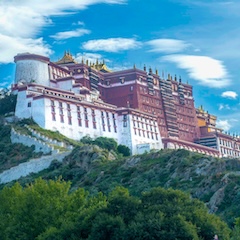
Kawa Karpo Paradise
Kawa Karpo, one of the holiest snow mountains in Tibet, is believed to be the spiritual home of a warrior deity. Located on the border between Dechen County in Yunnan and Chayul County in the Tibet Autonomous Region, Kawa Karpo forms a key part of the Three Parallel Rivers Park, a UNESCO World Heritage Site.
Step by step, SnowLion Tours takes you deep into the revered region of Mt. Kawa Karpo—considered sacred by Buddhists and once described as a paradise by early Western explorers. Along the trek, you’ll meet friendly, curious Tibetan pilgrims and take in breathtaking views of the southern Yangtze River.
Highlights
- Trekking Mt. Kawa Karpo
- Three Parallel Rivers Park
- The Old Town of Lijiang
Details
- 22-day trip begins and ends in Kunming, China
- 9 nights in hotels, 12 nights camping
- Altitude from 3500-6000m
Itinerary:
Day 1: Kunming [1,900 m] – Gateway to Yunnan
Arrival in Kunming, the “City of Eternal Spring” and capital of Yunnan Province. This vibrant city serves as your introduction to southwestern China’s diverse cultural landscape. Evening briefing about the upcoming journey and equipment check. Overnight in comfortable hotel near Green Lake Park, where locals practice tai chi and traditional music performances create a peaceful atmosphere.
Day 2: Kunming to Lijiang [2,410 m] – Enter Naxi Territory
Morning flight (1 hour) over the dramatic landscapes of Yunnan to Lijiang, a UNESCO World Heritage Site. Upon arrival, begin exploring the enchanting Old Town (Dayan), a 800-year-old maze of cobblestone streets, traditional wooden architecture, and flowing canals. Home to the Naxi minority people, who uniquely practice both Tibetan Buddhism and the ancient indigenous Bon tradition. Visit the fascinating Dongba Cultural Museum to learn about the world’s last living pictographic writing system. Evening stroll through the illuminated old town with its traditional red lanterns and bustling night markets.
Day 3: Lijiang – Cultural Immersion
Full day exploring Lijiang’s rich heritage. Morning visit to the spectacular Mu Palace, former residence of Naxi chieftains, offering insights into local history and panoramic views over the old town. Afternoon options include visiting the vibrant Shuhe Ancient Town (4km away) or taking a short hike to the meadows below Jade Dragon Snow Mountain for distant views of the sacred Kawa Karpo range. Experience traditional Naxi music performance and sample local delicacies including yak butter tea and Naxi flatbread. Optional visit to Black Dragon Pool Park for postcard-perfect views of Jade Dragon Snow Mountain reflected in the ancient pool.
Day 4: Drive to Dechen [3,380 m] – Journey Through Three Rivers
Epic 6-7 hour drive through one of China’s most biodiverse regions – the Three Rivers Area (Sanjiang), where three of Asia’s greatest rivers – the Yangtze (Jinsha), Mekong (Lancang), and Salween (Nu) – flow parallel through dramatic gorges separated by towering mountain ranges. This UNESCO World Heritage area contains more plant species than all of North America. Stop at Tiger Leaping Gorge viewpoint, one of the world’s deepest river canyons. Ascend through multiple climate zones, passing terraced barley fields and traditional Tibetan villages as prayer flags begin appearing. Overnight in Dechen (formerly Zhongdian), the authentic Shangri-La of Tibetan culture.
Days 5–6: Explore Dechen – Sacred Mountain Views
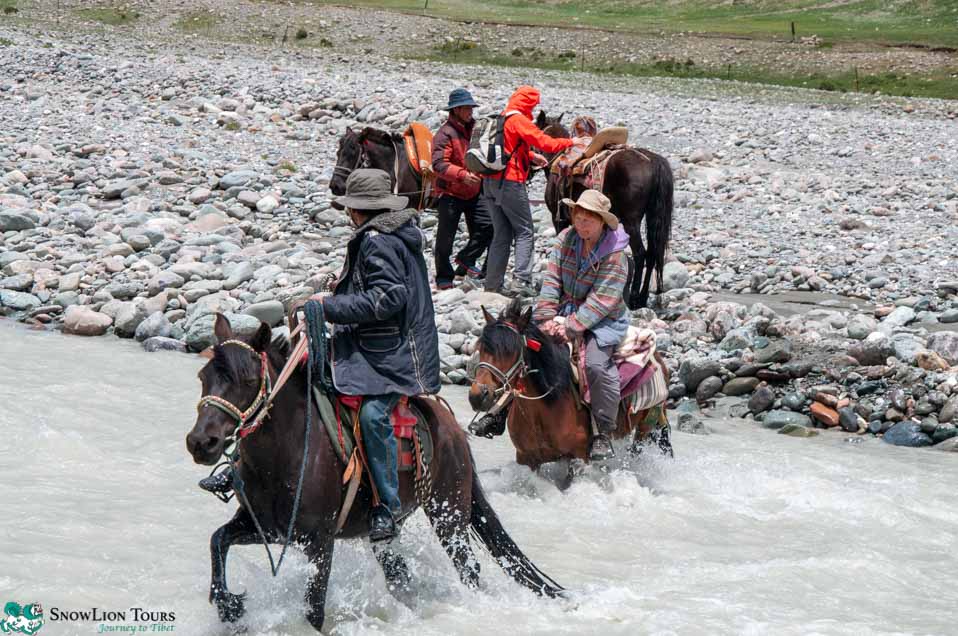
Two full days exploring the spiritual heartland of Yunnan’s Tibetan region. Visit the magnificent Songzanlin Monastery, known as the “Little Potala Palace,” housing 700 monks and containing priceless Buddhist artifacts and stunning murals. Day hike to Drong Gori ridge for breathtaking panoramic views of the sacred Mt. Kawa Karpo (6,740m) and its thirteen snow peaks forming the Meili Snow Mountain range. Explore traditional Tibetan villages where locals still practice ancient customs, witness traditional barley harvesting (seasonal), and experience authentic Tibetan homestay culture. Visit local artisans crafting traditional items like prayer wheels, thangka paintings, and Tibetan carpets.
Day 7: Trek Begins – Drive to Yangtsa and Hike to Yongju [3,940 m]
Begin the sacred kora (circumambulation) of Mt. Kawa Karpo, one of Tibet’s eight sacred mountains and a major pilgrimage site for Tibetan Buddhists. Drive to Yangtsa village, crossing the mighty Mekong River via an impressive suspension bridge. Start hiking through rhododendron forests and alpine meadows, following ancient pilgrimage routes marked with prayer flags and mani stones. Climb steadily toward Dokar La Pass through pristine forests where blue sheep and takin roam. Camp in Yongju village (3,940m), a traditional Tibetan settlement where locals maintain centuries-old customs. Evening views of towering peaks and starlit skies at this remote altitude.
Day 8: Trek to Base of Dokar La [4,380 m] – Alpine Ascent
Challenging but rewarding ascent toward Dokar La (“White Stone Pass”). Trail winds through magnificent old-growth forests of fir, spruce, and rhododendron (spectacular blooms in May-June). Encounter stunning views of Pema Ri (6,118m) and other peaks of the Kawa Karpo range. Wildlife spotting opportunities include Himalayan black bears, red pandas, and over 200 bird species. Cross pristine streams fed by glacial melt and pass through meadows carpeted with alpine wildflowers (seasonal). Camp at tree line with dramatic views of ice-covered peaks. Acclimatization is crucial at this altitude.
Day 9: Cross Dokar La and Enter Tibet (Tsawarong) – Sacred Threshold
Early morning climb up steep switchbacks to Dokar La Pass (4,479m), marked with colorful prayer flags and offering spectacular 360-degree views of the Kawa Karpo massif. This pass marks the entrance into the Tsawarong district of the Tibet Autonomous Region, one of the most remote areas of the Tibetan plateau. Dramatic descent into a different world – the high-altitude wilderness of eastern Tibet. Camp in pristine alpine meadows surrounded by peaks over 6,000m, where yaks graze and nomadic herders maintain traditional lifestyles unchanged for centuries.
Days 10–11: Trek Along the Salween River – Himalayan Giants
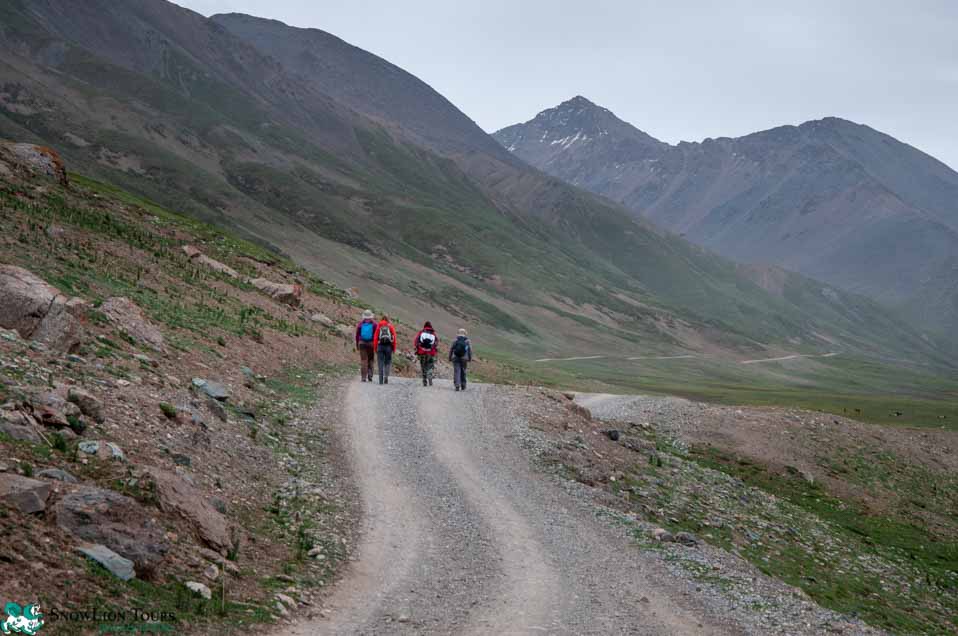
Trek through some of the most spectacular mountain scenery in the Himalayas, with ridges and peaks soaring over 6,000m on all sides. Cross the challenging Lointong Pass while marveling at the engineering of the ancient trade route. The Salween River (Nu Jiang in Chinese) becomes your constant companion, one of Asia’s last major undammed rivers flowing from the Tibetan plateau to the Andaman Sea. Navigate through narrow gorges where the river has carved dramatic canyons through ancient rock formations. Camp beside tributaries where crystal-clear water cascades from hanging glaciers. Opportunities to spot rare Himalayan wildlife including snow leopards, blue sheep, and golden eagles.
Day 12: Trek to Hot Springs Near the Lhakang River – Natural Spa
Descend to the confluence of the Salween and Lhakang Rivers, where geological forces have created natural hot springs – a welcome relief for tired muscles at this altitude. The springs have been used by Tibetan pilgrims and traders for centuries as a place of healing and rest. Camp near the hot springs with time for soaking and relaxation. The mineral-rich waters are believed by locals to have healing properties. Optional rest day based on group condition and interest, providing time for laundry, equipment maintenance, and acclimatization. Evening storytelling around the campfire under pristine mountain skies.
Day 13: Reach Zhanang Town – Return to Civilization
Re-enter civilization in Zhanang, the administrative center of Tsawarong and your first encounter with a permanent settlement in days. This remote Tibetan town serves as a supply center for the scattered nomadic communities of the region. Interact with local Tibetan families, visit the small monastery, and experience authentic Tibetan culture unchanged by modern influences. Camp with commanding views of the entire Kawa Karpo range, including the sacred peak itself. Opportunity to resupply basic provisions and experience traditional Tibetan hospitality with butter tea and tsampa (roasted barley flour).
Days 14–15: Trek to Tondu-La Pass [3,260 m] – Gebu Monastery Country
Begin the climb northward through dramatic gorge country where ancient monasteries cling to impossible cliff faces. Gorgeous peaks dominate every skyline as you traverse between river valleys carved by millennia of glacial action. Camp at the historic Gebu Monastery, perched dramatically in the gorge with prayer flags strung across the valley. This active monastery houses monks who maintain the spiritual traditions of this remote region. Participate in evening prayers (optional) and learn about the monastery’s 400-year history. The monastery serves as a refuge for nomadic families during harsh weather and a center for preserving Tibetan Buddhist teachings.
Days 16–17: Trek to Gebu Summit and Wei Chu River – Hidden Himalayas
Climb to the summit of Gebu Pass (4,000m), one of the trek’s most rewarding viewpoints with panoramic vistas of the unexplored Hengduan Mountains. This remote range contains dozens of unclimbed peaks over 6,000m and represents some of the last unexplored terrain in the Himalayas. Descend to the Wei Chu, a pristine tributary of the Salween River flowing through valleys that see fewer than 100 visitors per year. The region harbors incredible biodiversity, including many endemic species found nowhere else on Earth. Optional rest day for photography, wildlife observation, or simply absorbing the profound wilderness experience. Evening campsites offer incredible stargazing opportunities in this pollution-free environment.
Day 18: Summit Shu-La Pass [4,700m], Descend to Mekong River – Grand Finale
The trek’s dramatic climax: ascent to Shu-La Pass (4,700m), the highest point of the entire kora. Incredible 360-degree views encompass the sacred Kawa Karpo massif and surrounding peaks exceeding 6,500m. This vantage point offers the classic view that graces countless photographs of the region. The pass is marked with elaborate prayer flag displays left by Tibetan pilgrims completing their sacred circumambulation. Begin the long descent back to the Mekong River and reach Meili Village, where your support vehicles await – marking the end of one of the world’s great wilderness treks. Celebrate the completion of this challenging and spiritually significant journey.
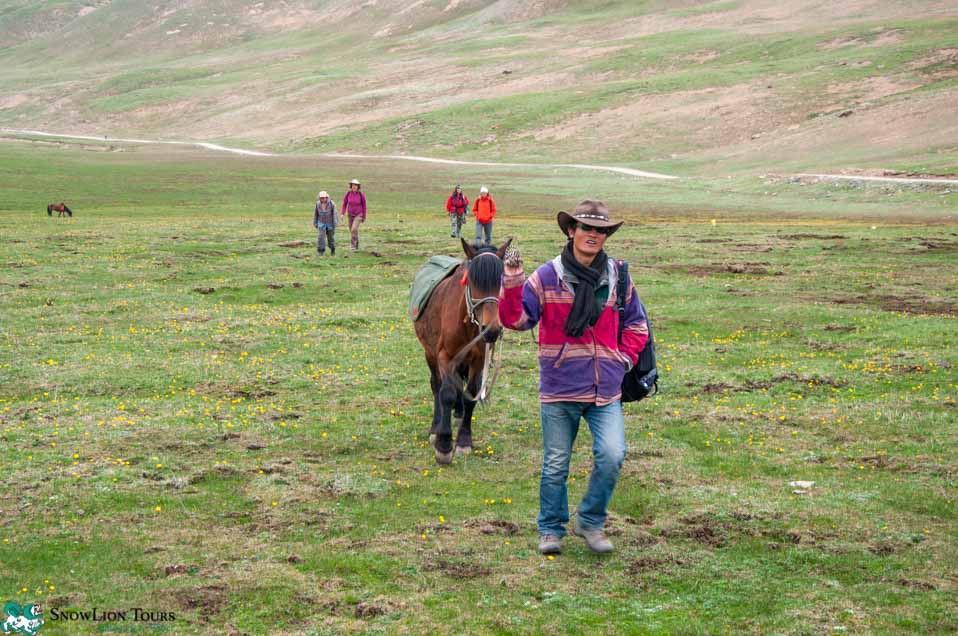
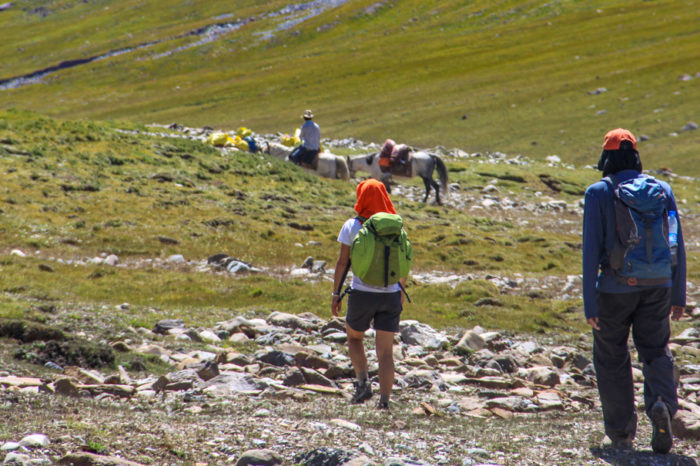
our guide leading the group
Day 19: Drive back to Dechen, Overnight in Shangri-La – Cultural Reflection
Scenic drive back to civilization through the Three Rivers region, now viewed with new appreciation after experiencing its wild interior. Return to Shangri-La (Dechen) for a well-deserved hot shower and comfortable bed. Evening celebration dinner featuring traditional Tibetan cuisine and local specialties. Reflection on the incredible journey through some of Asia’s most remote and sacred landscapes. Visit local craft markets for authentic souvenirs including traditional Tibetan carpets, prayer wheels, and locally-made jewelry.
Day 20: Free Day in Shangri-La – Cultural Immersion
Free day to rest and explore at your own pace. Optional excursions include visiting the atmospheric Napa Lake (seasonal wetland home to black-necked cranes), exploring the historic Balagezong Canyon, or taking a day hike in the surrounding meadows now alive with wildflowers (seasonal). Visit local Tibetan families for traditional tea ceremonies and learn about modern Tibetan life. Optional spa treatments featuring traditional Tibetan healing methods. Shopping for authentic handicrafts and sampling local delicacies including yak cheese, highland barley wine, and traditional Tibetan sweets.
Day 21: Return to Lijiang – Artistic Heritage
Drive back to Lijiang through familiar but now more meaningful landscapes. Afternoon exploration of hidden corners of the Old Town, visiting local art centers where traditional Naxi artists create contemporary works inspired by ancient traditions. Explore traditional courtyard homes tucked away in the Old Town’s maze-like alleys, many now converted to intimate museums showcasing local culture. Visit workshops where artisans practice traditional crafts like wood carving, traditional textile weaving, and the famous Naxi embroidery. Farewell dinner featuring Yunnan cuisine with dishes representing the province’s incredible ethnic diversity.
Day 22: Lijiang to Kunming – Departure – Journey’s End
Morning flight back to Kunming (1 hour). Depending on international flight schedules, optional final exploration of Kunming including the vibrant Flower and Bird Market, historic Yuantong Temple, or the fascinating Yunnan Provincial Museum showcasing the region’s incredible ethnic and natural diversity. Transfer to Kunming International Airport for onward travel, carrying memories of one of Asia’s last great wilderness adventures and the profound spiritual experience of completing the sacred kora of Mt. Kawa Karpo.
Tour Map
Helpful Travel Guides
-
DepartureSan Francisco International Airport
-
Departure TimePlease arrive by 10:20 AM for a prompt departure at 10:50 AM
-
Return TimeApproximately 8:30 PM
-
IncludedAirfareLocal transportation5 Star AccomodationProfessional Guide
-
Not IncludedDeparture TaxesEntry Fees
Recent Posts
- Mount Kailash Kora updates
 September 26, 2026
 - Tibet Travel Permits
 September 24, 2026
 - Update on China / Tibet–Nepal Land Border Crossings
 September 24, 2026
Similar Tours
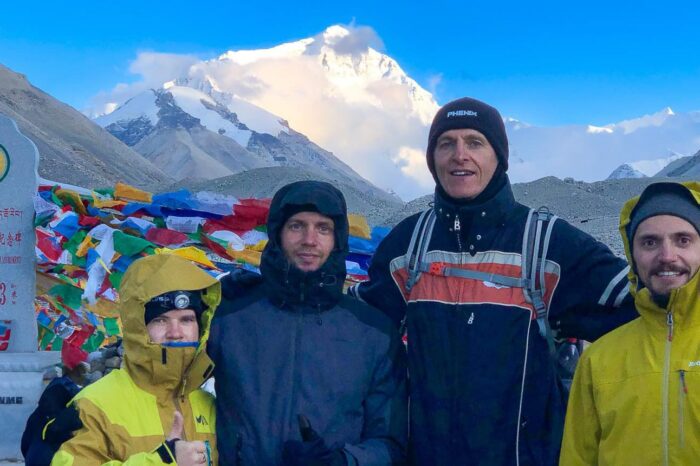
Old Tingri to EBC Trek
Trek from Old Tingri to Everest Base Camp. Experience high passes, nomadic culture, and breathtaking views of Mount Everest and the Himalayas in Tibet.
Mount Amnye Machen Trek
Trek around sacred Mt. Amnye Machen through red clay mountains, Yellow River valleys, nomad camps, monasteries, and high plateau landscapes.
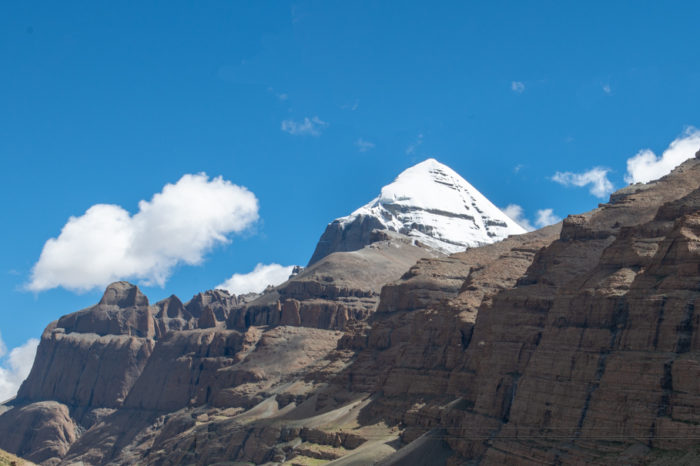
Sacred Mount Kailash
A sacred Mount Kailash trek with Lake Manasarovar, ancient monasteries, high Himalayan views, and a traditional three-day kora around the holy mountain.


.jpg "amdo monlam festival tour")