The year 2026 is the Year of the Horse according to the Tibetan lunar calendar. This is the year during the 12-yearlong astrological cycle that is understood to magnify the beneficial effects of pilgrimage manifold. In Tibetan pilgrimage practice, it is said that pilgrimage during the Year of the Horse is karmically increasing all positive deeds in million of times!
Itinerary:
Day 2: Lhasa Explore
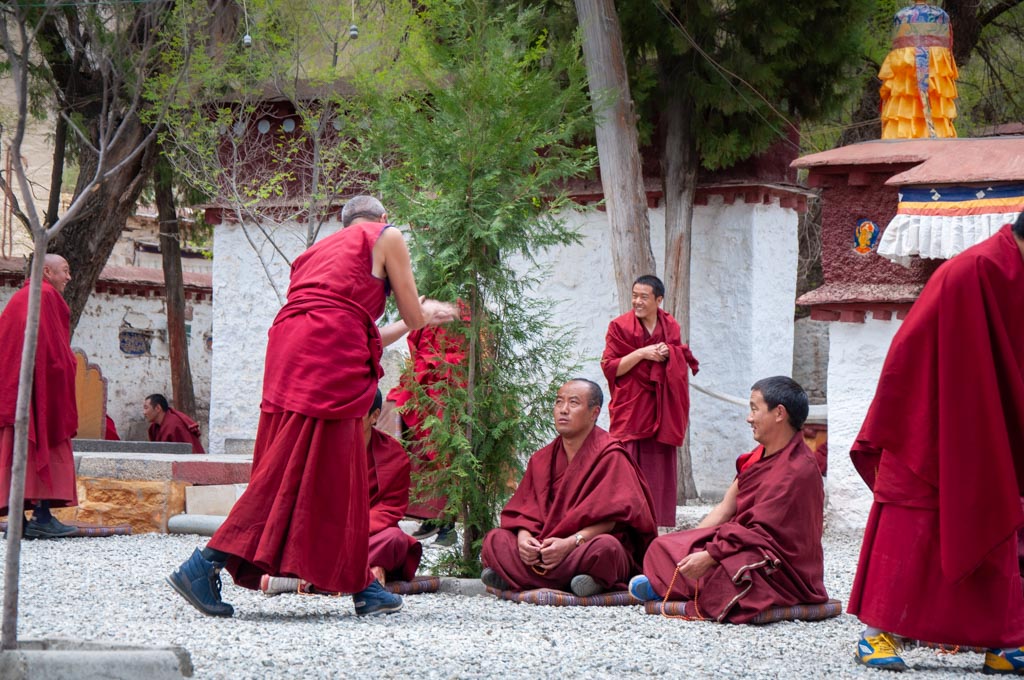
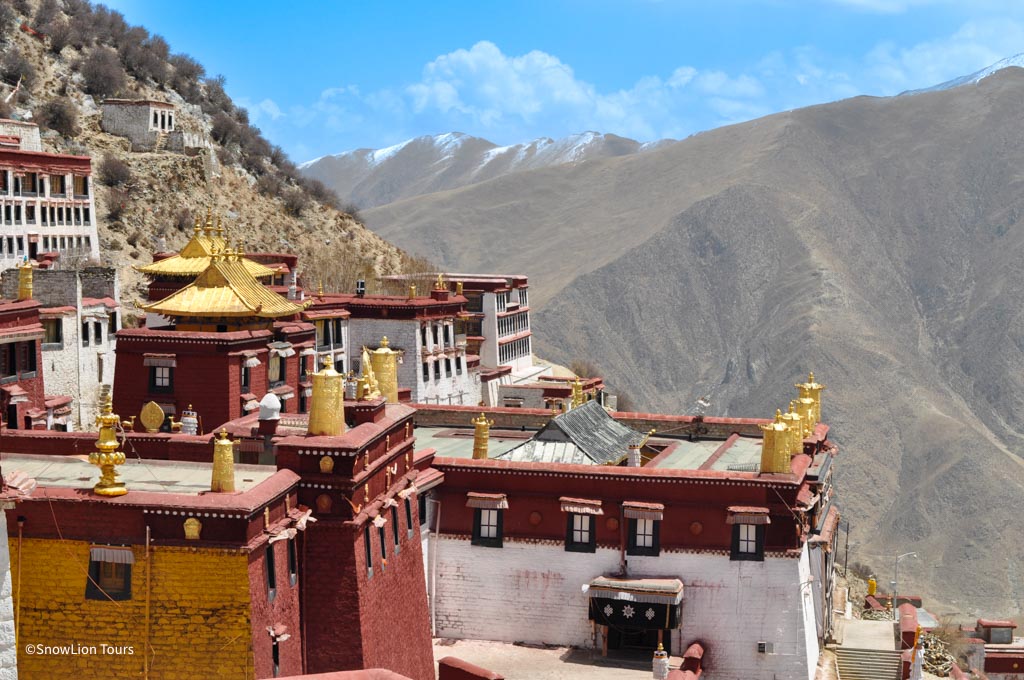
Visit Drepung, one of the three most famous monasteries in Lhasa. Located just outside Lhasa on Gambo Utse Mountain, Drepung was once home to as many as 10,000 monks and features numerous prayer halls, dormitories, and temples. Below the monastery is the Nechung Temple, the former home of the state oracle. Afterwards, visit Sera Monastery, where you can watch monks debate in the courtyard. If you enjoy hiking, walk the hour-long circumambulation path around the monastery complex. If time allows, hike to Pabonka Hermitage, founded by Songtsan Gampo in the 7th century.

Debating session at Sera
Day 3: Lhasa Explore
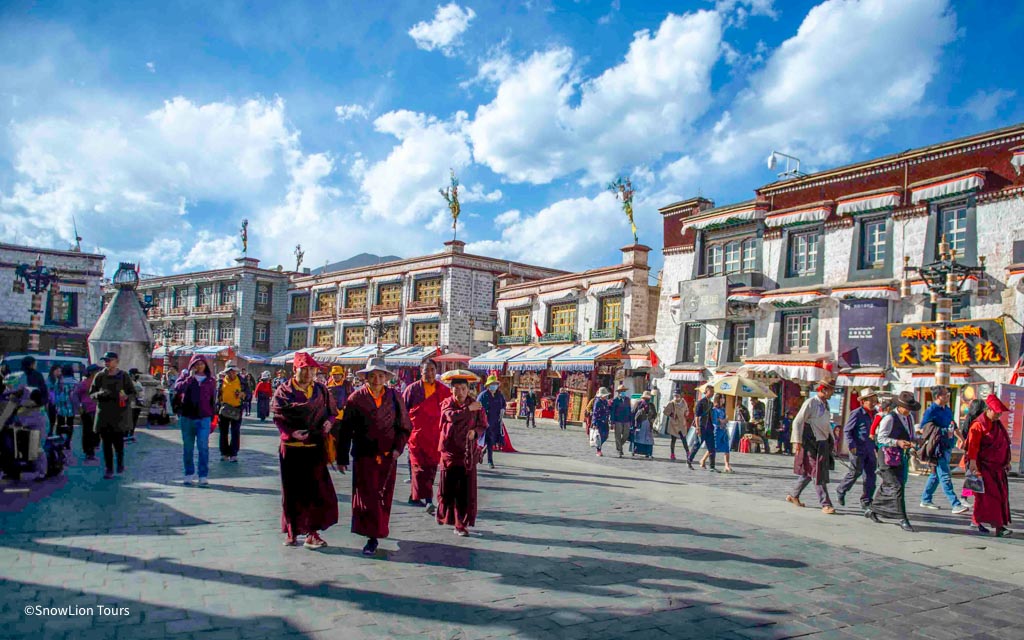
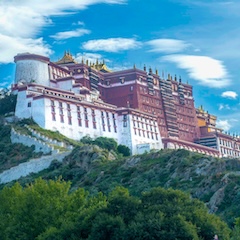
In the morning, visit the Potala Palace, the greatest monumental structure in all of Tibet. The Potala is 13 stories high and holds countless treasures in its many rooms. Built in 637 AD, the Potala has been home to the Dalai Lama lineage for more than a thousand years. Also visit the Jokhang Temple, the holiest temple in all of Tibet. From the rooftop, you will see pilgrims from all over Tibet prostrating in front of the Jowo Buddha statue inside the monastery. Afterwards, walk through the Barkhor, a famous shopping street filled with goods and souvenirs from Tibet, Nepal, and India. Spend some time drinking sweet tea in a traditional tea house located on a rooftop overlooking the bustling Barkhor.

Walking around Jokhang Temple in Lhasa, Tibet
Day 4: Lhasa – Drak Yerpa meditation caves – Ganden Monastery – Lhasa
Drak Yerpa, a hermitage about 30 km north of Lhasa, is one of the holiest cave retreats in central Tibet. Carved out of the side of a mountain, it is very peaceful and beautiful here. The drive passes through a small village, and you can explore the many caves at this site. You might see some pilgrims meditating in the caves! In the afternoon, drive up to Ganden Namgyeling Monastery, located on the ridge of Mount Wangkur. Founded in 1409 by Tsongkhapa, it became the first and leading monastery of the Gelukpa tradition.

Ganden Monastery in Tibet.
Day 5: Lhasa – Garu Nunnery – Tsurphu Monastery [4300m]
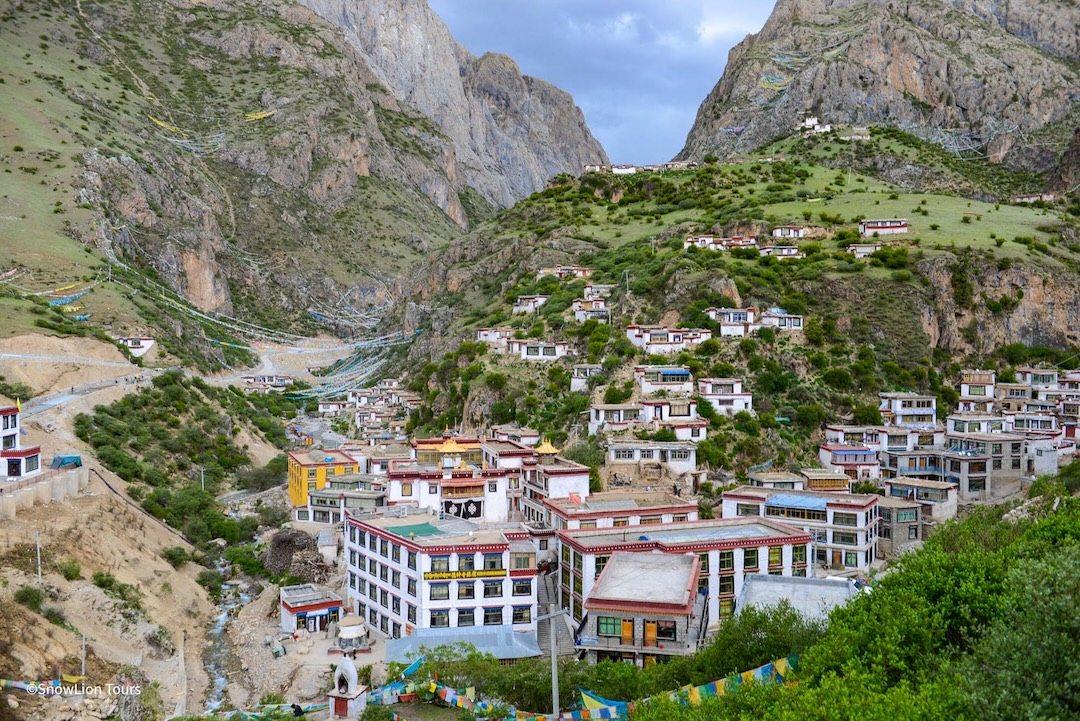
Garu Nunnery, a historical hermitage north of Lhasa, is one of the oldest nunneries in the Lhasa area. The word “garu” derives from “gar,” which means “dance.” The famed Indian master Padmasambhava saw dakinis dancing at the spot where the monastery now stands and gave it this name. In the afternoon, drive to Tsurphu Monastery (XII century), the traditional seat of the Karmapa Black Hat lineage. The monastery is built in the middle of a valley with high mountains surrounding the complex. Above the monastery are traces of rock paintings and some meditation retreats.

Day 6: Tsurphu Monastery – Yangpachen Hot Springs – Namtso Lake [4700m]
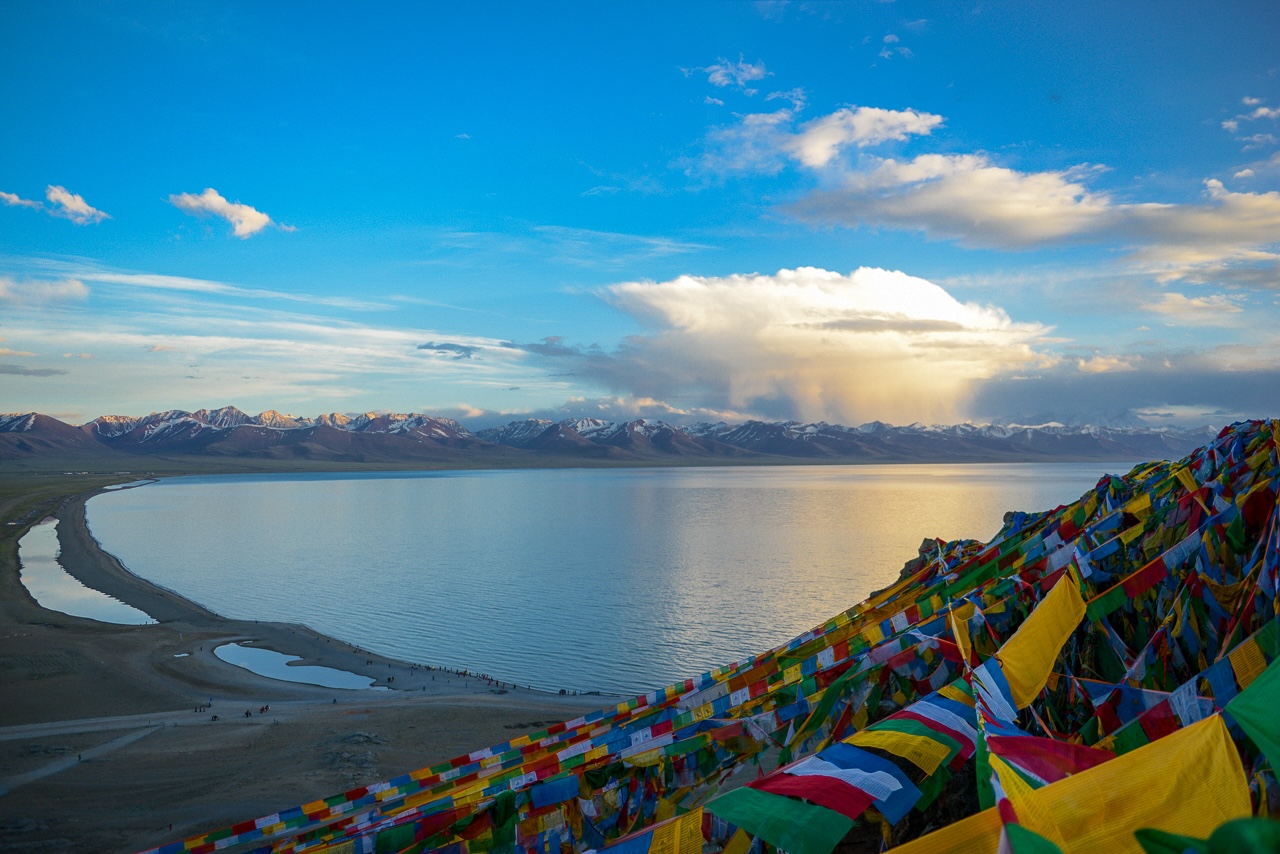
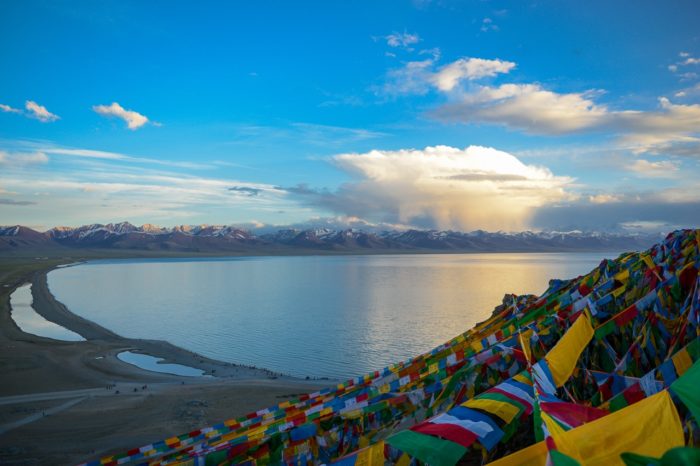
After the morning prayers at Tsurphu Monastery, drive to Yangpachen Hot Springs. In the early morning, mist rises from the geothermal lake, clouding the snow mountains in the background. Enjoy a soothing hot bath, relax your sore muscles, and continue driving up to Namtso Lake. This beautiful turquoise lake, considered holy by Tibetans, is the highest saltwater lake in the world. It is surrounded by snowy mountains, and nomads camp here in the summer. Try riding a yak, climb up a rocky hill for a great view of the lake, and drink tea with local nomads. Overnight at Namtso Lake.

Day 7: Namtso Lake – Reting Monastery [4150m]
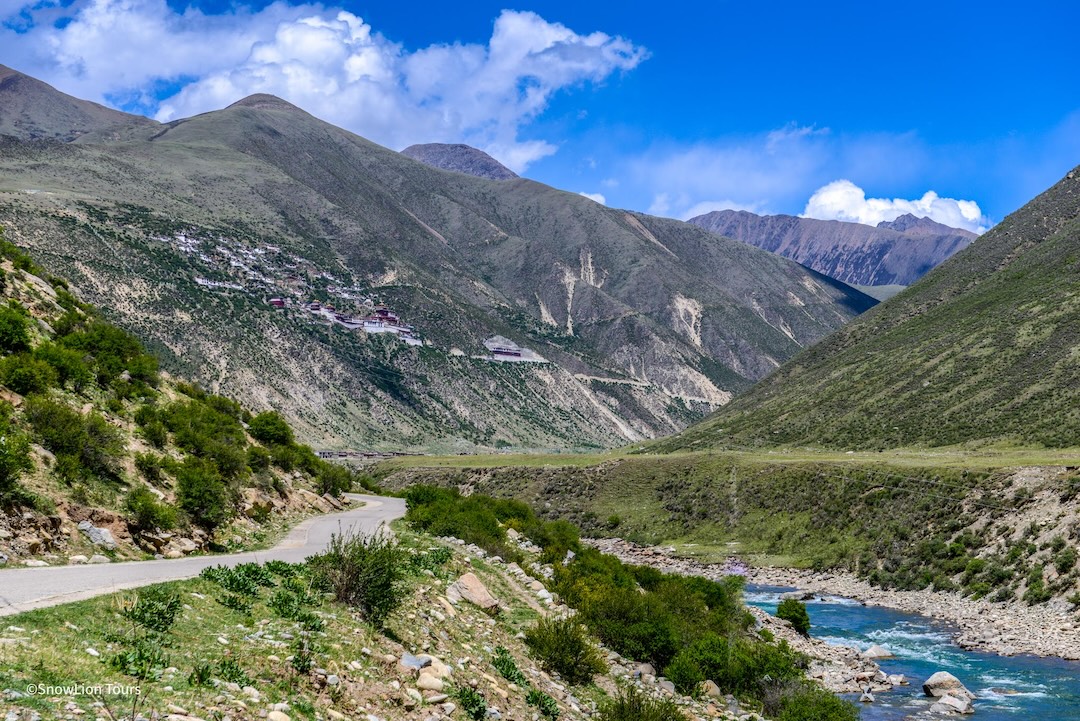
Visit Reting Monastery on a hillside covered with ancient juniper trees. Explore the monastery grounds, watch monks in their daily rituals, and take a walk on the circumambulation path. Relax on the grass fields and take in the beautiful natural views. Spend the night in the Reting Monastery Guesthouse.

Reting Monastery from the main road at the river side.
Day 8: Reting Monastery – Drikung Til Monastery – Tidrum Nunnery and Hot Springs [4325m]
Drikung Til Monastery is famous for its sky burial site. On the backside of the mountain ridge where Drikung is located is Tidrum Nunnery. Tucked away in a small, idyllic mountain village, the nunnery has hot springs and rolling green hills to explore. Though it’s a popular place to visit in the summer, try hiking around and you might find yourself helping a nun milk yaks!

Tedrum Nunnery
Day 9: Drikung Til/Tidrum – Draksum Tso Lake [3550m]
Drive to the holy Draksum Tso Lake, also known as Basong Tso Lake in the Kongpo dialect. This lake is associated with King Ling Gesar from the grand heroic epic ‘Gesar’. The king’s spirit now resides in the sacred lake. The lake is surrounded by four prominent snow peaks: Mt. Namla Karpo, Mt. Ama Jomo Taktse, Mt. Naphu Gomri, and Mt. Darchenri. Walk across a floating bridge to Tsodzong Island with Tsodzong Monastery located on it. The easy circuit of the island includes the ruins of His Holiness Dudjom Rinpoche’s retreat hut and many other relics and holy places, such as a bay where 108 dakinis used to bathe.

Day 10: Draksum Tso Lake – Bayi / Nyingtri [2995m]
Continue to Bayi. A short distance east of Bayi town is Mt. Pelri, a sacred peak from whose summit Padmasambhava reputedly dried up a lake covering the valley below to ensure the region’s future habitation. Pilgrims circumambulate the mountain in two to three hours, paying their respects to Padmasambhava’s rock handprint and knee print, as well as a holy stupa. The old township of Nyingtri is situated below Mt. Bonri, the sacred mountain ranked along with Mt. Kailash as the most important sacred pilgrimage destination for Bonpos. In Nyingtri, visit Kushuk Drong, a 2000-year-old juniper tree, sacred to Bon followers as well as to all local people.
Day 11: Bayi – Tashi Gang Monastery – Katsel Monastery – Meldro Gungkar [3600m] or drive back to Lhasa
Drive to Meldro Gungkar, a small town situated on the wide banks of the Kyichu River. Visit Katsel Monastery, where one of its temples is significant as one of the original demoness-subduing temples, pinning the monster’s right shoulder.
Day 12: Meldro Gungkar – Dorje Drak – Mindroling Monastery – Samye Monastery [3700m]
In the morning, stop by Dorje Drak, historically one of the most important monasteries of the Nyingma order. Then drive to Mindroling, which means “Place of Perfect Emancipation” in Tibetan. It is the largest and most important Nyingmapa monastery in the U province of Central Tibet. For nearly 300 years, its monastic university trained Nyingma scholars and yogis from all over Tibet. Then drive to Samye, the first Buddhist monastery in Tibet. It was built in the mid-8th century under the patronage of King Trisong Detsen. Samye Monastery is laid out in the shape of a giant mandala, with the main temple representing the legendary Mt. Meru in the center. Other buildings stand at the corners and cardinal points of the main temple, representing continents and other features of tantric Buddhist cosmology. Overnight at a monastery guest house.
Day 13: Day hike to Chimpu meditation caves – Tsethang [3650m]
Chimpu meditation mountain retreat above Samye is revered as the sacred place of Guru Rinpoche’s speech. This is where he taught the Twenty-Five Disciples and where numerous disciples had profound realizations. Today, about a hundred hermits live there in retreat. As we hike through Chimpu, there are many occasions to meet with them and make personal offerings. It’s about a 3-hour hike one way. After the hike, drive to Tsethang, the third largest city in Tibet, located in the valley of the Yarlung Tsangpo River. Visit Yumbulakhang Palace, the first palace ever constructed in Tibet.
Day 14: Tsethang – Yamdrok Lake – Samding Monastery – Gyantse [3950m]
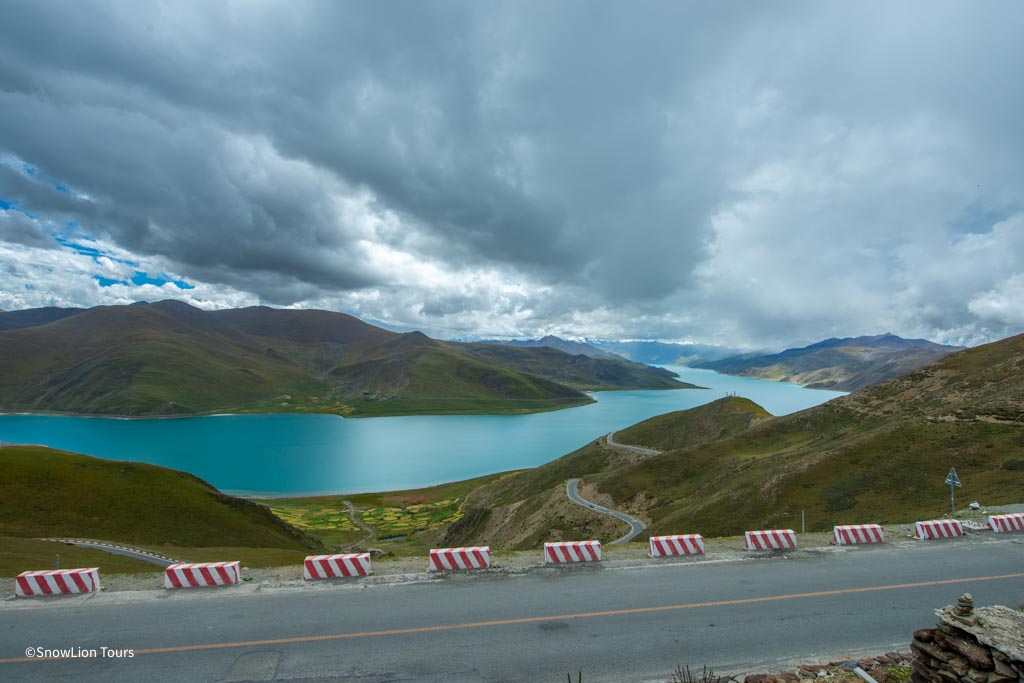
Drive to Gyantse. Along the way, cross over the Kamba La (4794m) and Karo La passes (5010m), which offer spectacular views. After Kamba La, arrive at Yamdrok Lake, a holy turquoise-colored lake with stunning scenery. Visit Samding Gompa, the former seat of Dorje Pakmo, who was the highest female incarnation in Tibet and the third highest-ranking person in the lamaist hierarchy after the Dalai Lama and the Panchen Lama. Stay the night in Gyantse.

Day 15: Gyantse – Shigatse [3836m] – Sakya [4280m]
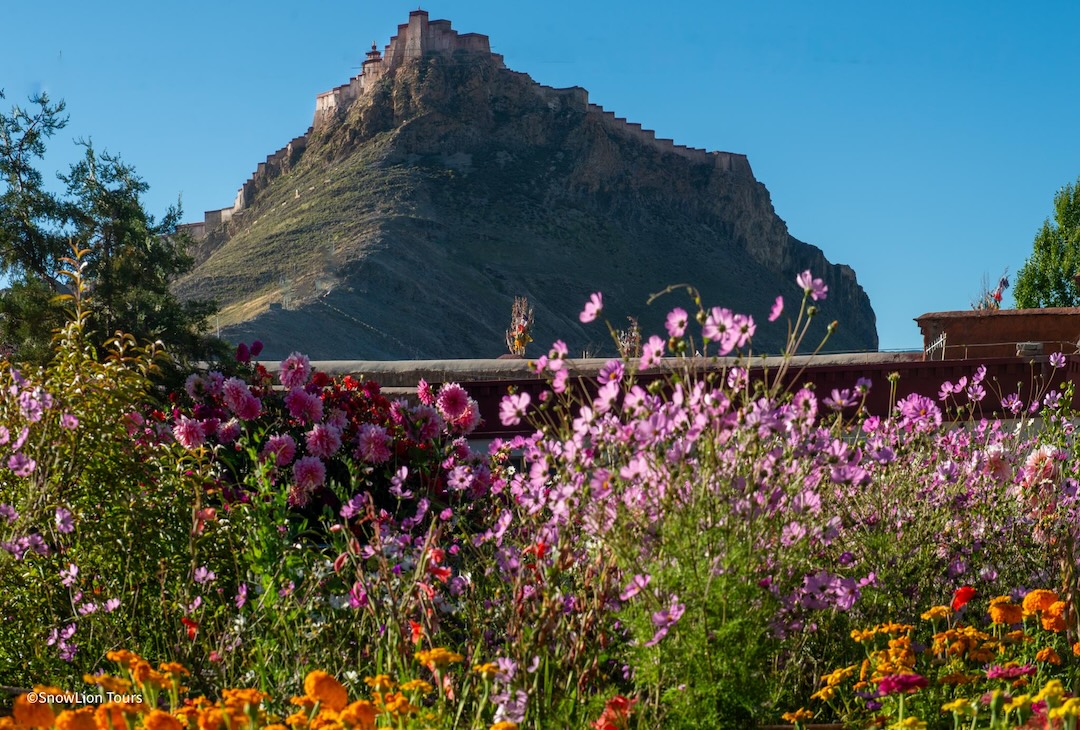
In the morning, visit the Pelkor Chode Kumbum and Gyantse Monastery, followed by a two-hour drive to Shigatse. Here, see the giant Buddha in the famous Tashilhunpo Monastery. If time allows, join pilgrims in walking the long circumambulation path around the monastery or explore the city streets. Afterwards, drive to Sakya and visit Sakya Monastery. Sakya Monastery is unique because of its medieval Mongolian architecture. Walk up the kora path alongside the monastery to see the ruins of the older buildings, from which you can see great views of the monastery and surrounding valley.

Gyantse Dzong
Day 16: Sakya – Rongbuk Monastery – Everest Base Camp [5200m]
After passing through scenic valleys and driving over rocky mountains, reach Rongbuk Monastery, where you will have a fabulous view of Mt. Everest. Rongbuk Monastery is the highest monastery in the world. Rongbuk Monastery to Everest is about 8 km, and along the way, there are spectacular views of the world’s tallest mountain. You can either take a two-hour hike or take a bus to Everest Base Camp. Spend the night in a warm yak-hair tent run by a Tibetan family.

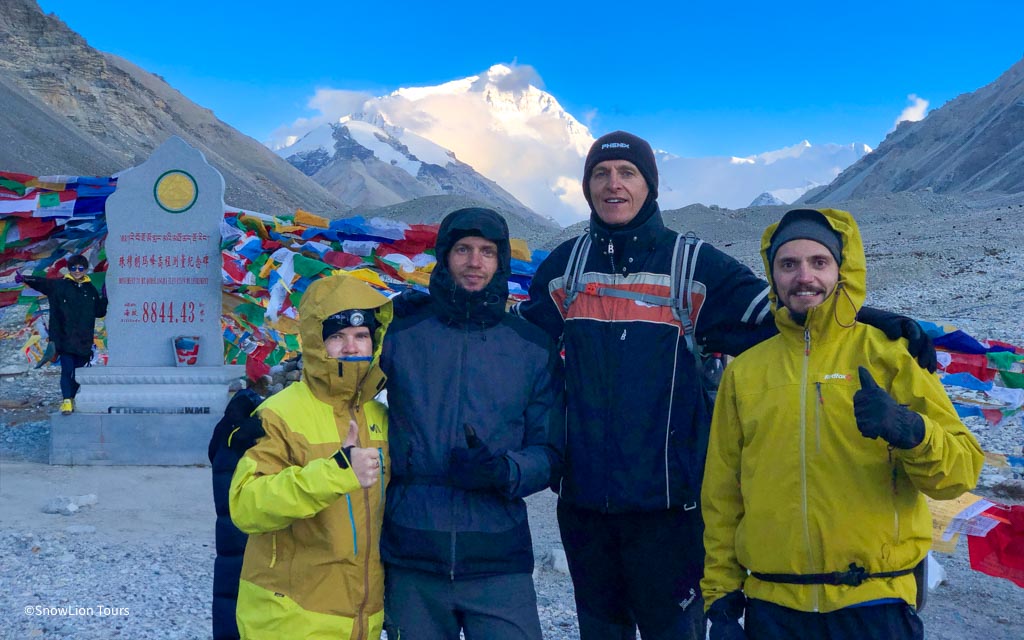
Our group poses a photo at Everest Base Camp in Tibet
Day 17: Everest Base Camp – Nyalam [4300m]
You will see spectacular Himalayan ranges along the way to the Nepal border. Passing by Nyalam, you’ll stop at Milarepa’s Cave. The cave, which overlooks the entrance to the hidden valley of Lapchi Gang, is entered from the gompa’s vestibule. Pilgrim’s offerings of decorated stones along the path and sweet-smelling herbs and wildflowers growing all around make this a place of great peace and beauty.
Day 18: Nyalam – hike to Dara Tso Lake – Zhangmu [2300m]
A day hike from Nyalam to the holy Dara Tso Lake offers views of the glaciers of the Langtang and Jungal Himal, and Mt. Shishapangma on a clear day. In the afternoon, drive to Zhangmu, a border town with a mild and humid subtropical climate, which is very rare for Tibet.
Day 19: Zhangmu – Kathmandu
Part of the group departs Tibet for Nepal, while others head back to Lhasa. Stop at scenic places to take amazing pictures of the Himalayan range. Arrive in Shigatse in the late afternoon. Spend the night at the hotel.
Tour Map
Explore more! Join to get updates on Tibet tours and departures.
Journey through the Himalayas, traveling from Lhasa all the way to the Nepal border. Starting in the Tibetan capital, explore the countless rooms of the grand Potala Palace, receive a blessing from the Jowo Buddha at the holy Jokhang Temple, […]
In the sacred city of Lhasa, visit the grand Potala Palace, the holy Jokhang Temple, and the colorful Barkhor Square. Watch monks debate at Sera Monastery and join pilgrims in exploring the temples and prayer halls at Drepung Monastery. From […]
Starting in Lhasa, discover the famous Potala Palace, watch the monks debate at Sera Monastery, and sip tea on a rooftop overlooking the bustling Barkhor market square. Follow the Nyang River out of Lhasa to a holy lake nestled in […]