Drak Yangdzong caves
Explore Meditation Cave of Yeshe Tsogyal
Drak Yangdzong (སྒྲགས་ཡང་རྫོང་།, sgrags yang rdzong) is a sacred cave site located in Dranang County, south of Lhasa. This pilgrimage site is associated with Guru Rinpoche, whose Buddha-body is represented by these caves. Drak Yangdzong is also an important place for treasure revelation, with both Padmasambhava and Yeshe Tsogyel having concealed treasures there.
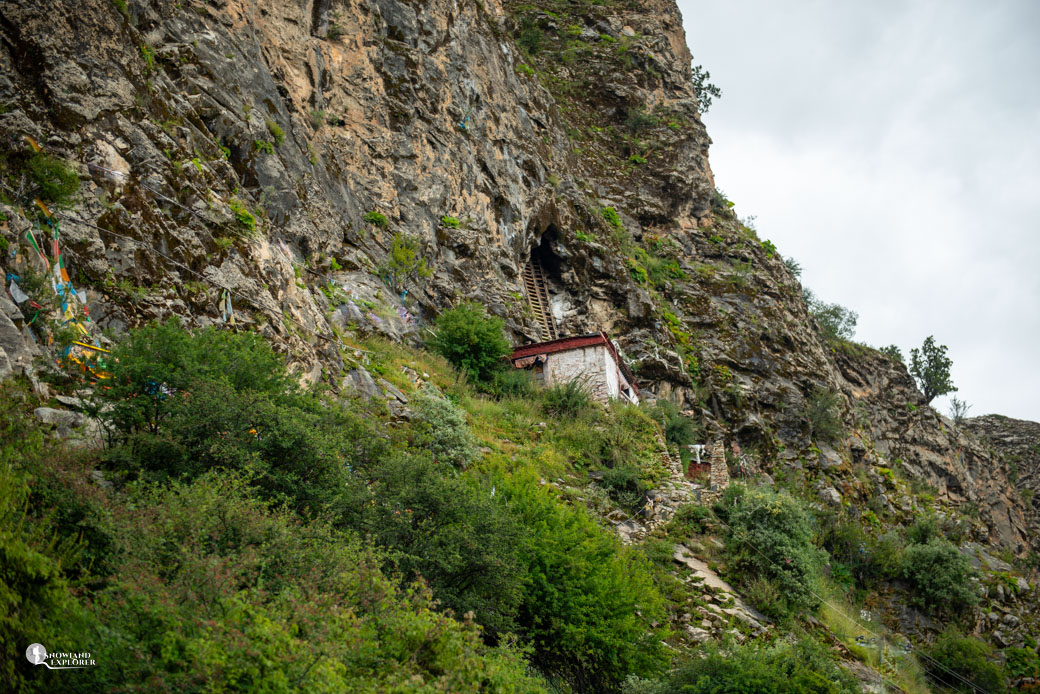
There are eight sacred places in Tibet and Bhutan blessed by Guru Rinpoche himself for the practice of the Eight Herukas. The Eight Herukas of the Nyingma Mahayoga tradition are said to have been received by Padmasambhava from the Eight Vidyadharas or Eight Great Acharyas. Drak Yangdzong is considered to be one of them. Here, Guru Rinpoche hid the sacred teachings on the Vajrakilaya Tantra.
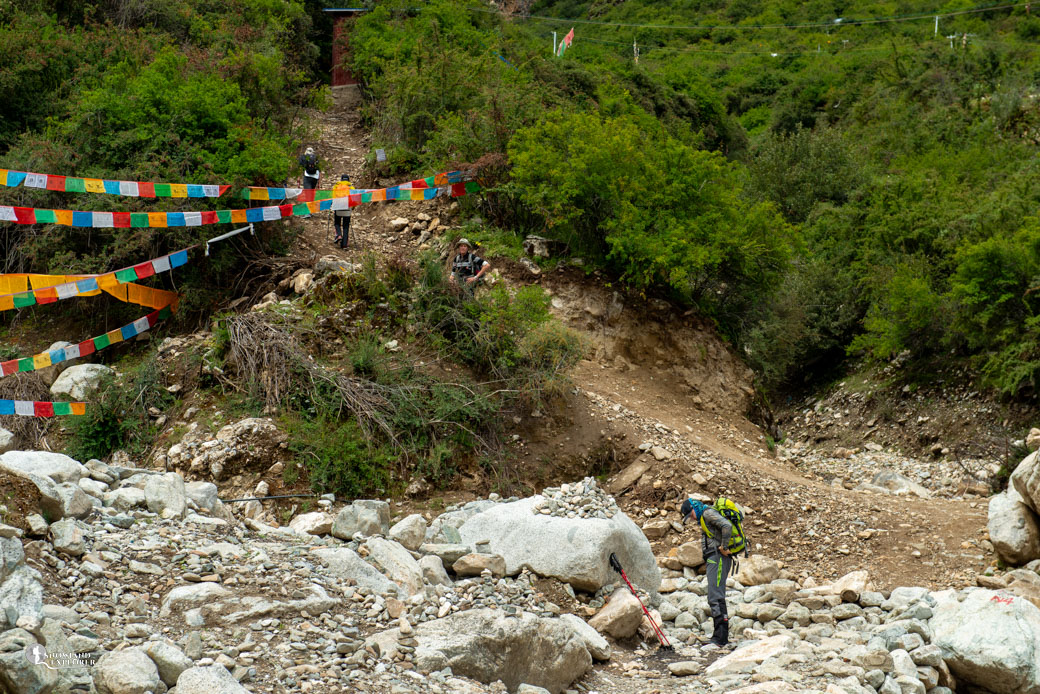
The first cave, Shinje Drup-ne Zho, covers an area of 100 square meters, with walls 15 meters high and 10 meters wide. The main images here are of Padmasambhava in the form of Nangsi Zilnon, flanked by Yeshe Tsogyal and Mandarava.
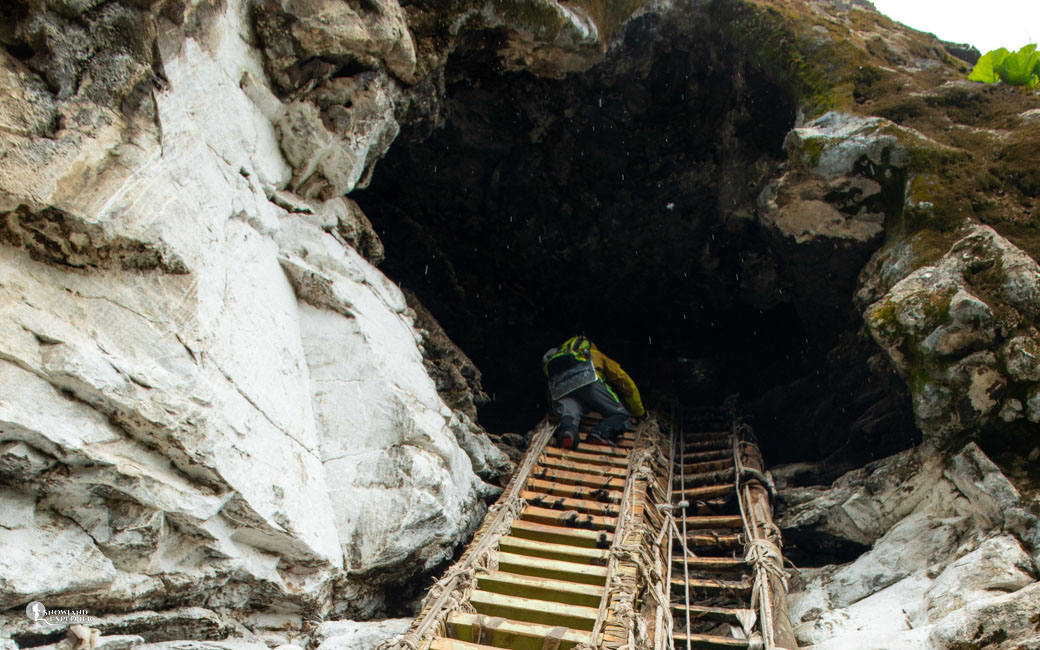
The second cave, Shinje Rolpei Drub-ne, is reached by a ladder and a dark narrow tunnel, where one needs to hold a rope to get inside. The main site here is Guru Sangwa Drupuk, where Guru Rinpoche spent three years in retreat.
The third cave, Jago Ranjung Drupuk, also known as Nego Sarpa, contains amazing limestone formations, which are believed to be part of a hidden land, or Beyul.
Physical Environment and Access
The caves at Drak Yangdzong are carved into cliff faces that require climbing skills and appropriate equipment to access safely. The challenging physical access has traditionally served as both a practical barrier ensuring serious commitment from practitioners and a symbolic representation of the effort required for spiritual achievement.
The altitude of the site, like most locations in central Tibet, exceeds 4,000 meters, adding to the physical demands of both reaching and practicing at the location. The natural environment includes dramatic views of the Yarlung Valley and surrounding mountains, creating an inspiring setting for contemplation and meditation.
Contemporary Significance
Today, Drak Yangdzong continues to function as a retreat site for serious Buddhist practitioners, maintaining its traditional role despite the challenges of modern access and changing social conditions. The caves remain important to various lineages of Tibetan Buddhism and continue to attract both traditional pilgrims and contemporary practitioners seeking authentic retreat experiences.
Pilgrimage and Spiritual Tourism
The site has become increasingly recognized as an important destination for those interested in the history and practice of Tibetan Buddhism, particularly for:
Female Practitioners: Who seek connection with the lineage of Yeshe Tsogyal and the feminine wisdom traditions she represents.
Serious Meditators: Who wish to practice in an environment blessed by centuries of intensive spiritual activity.
Cultural Enthusiasts: Interested in understanding the retreat traditions that have been central to Tibetan Buddhist training and accomplishment.
Yarlung Valley Context
Drak Yangdzong’s location in the historic Yarlung Valley adds to its cultural significance. This region, known as the birthplace of Tibetan civilization, contains numerous important historical and religious sites, making it a premier destination for understanding Tibetan cultural development. The cave complex can be visited as part of broader exploration of the valley’s many sacred and historical locations.
Visiting Considerations
Physical Requirements: Accessing the caves requires climbing abilities and proper safety equipment. Visitors should be prepared for challenging physical conditions and significant altitude.
Cultural Sensitivity: As an active sacred site, visitors should approach with appropriate respect for ongoing religious practices and the site’s spiritual significance.
Guided Access: Due to the technical climbing requirements and cultural importance, visits are typically arranged through experienced local guides familiar with both the physical access routes and the site’s religious protocols.
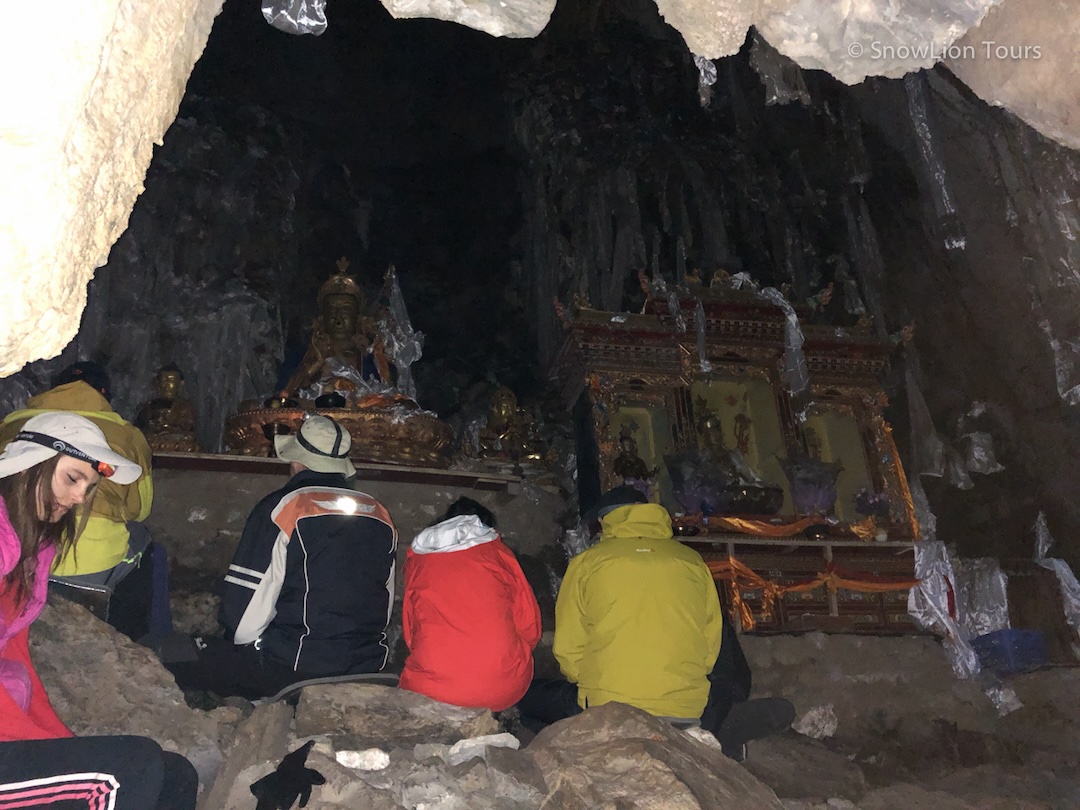
Our group meditating inside Drak Yangdzong cave.
Preservation and Continuity
Drak Yangdzong represents the continuing vitality of Tibetan meditation traditions and the importance of preserving sacred sites that have supported spiritual practice for over a millennium. The caves stand as testament to the dedication of countless practitioners who have sought enlightenment in these remote and challenging locations.
The site’s association with Yeshe Tsogyal adds particular significance to its preservation, ensuring that the legacy of feminine spiritual achievement in Tibetan Buddhism continues to inspire and guide future generations of practitioners. As one of Tibet’s important meditation cave complexes, Drak Yangdzong maintains its role in the broader network of retreat sites that have been essential to the development and transmission of Tibetan Buddhist wisdom.
For contemporary visitors and practitioners, Drak Yangdzong offers a direct connection to the authentic retreat traditions of Tibetan Buddhism while providing inspiration from the example of great masters like Yeshe Tsogyal who achieved the highest spiritual accomplishments through dedicated practice in these sacred caves.
Recent Posts
- Mount Kailash Kora updates
 September 26, 2026
 - Tibet Travel Permits
 September 24, 2026
 - Update on China / Tibet–Nepal Land Border Crossings
 September 24, 2026
Related Tours
Sacred Kailash Kora Tour
Experience Tibet's most sacred pilgrimage as you journey to Mount Kailash and Lake Manasarovar, crossing vast Himalayan landscapes, visiting ancient monasteries, and completing the legendary three-day Kailash Kora, a deeply spiritual and unforgettable adventure.
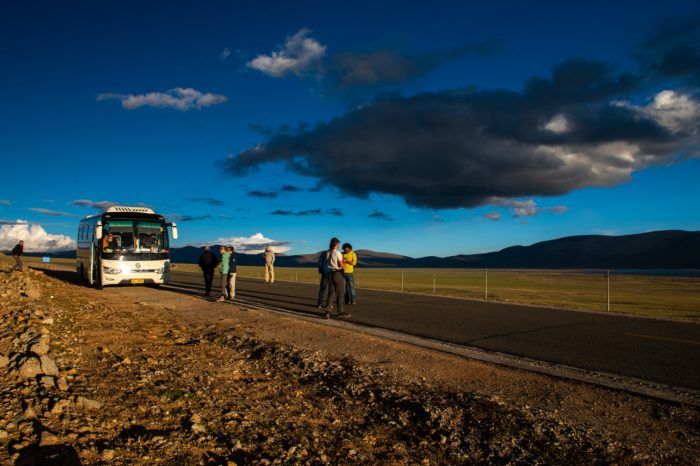
Splendours of Tibet
Journey through the Himalayas, traveling from Lhasa all the way to the Nepal border. Starting in the Tibetan capital, explore the countless rooms of the grand Potala Palace, receive a blessing from the Jowo Buddha …
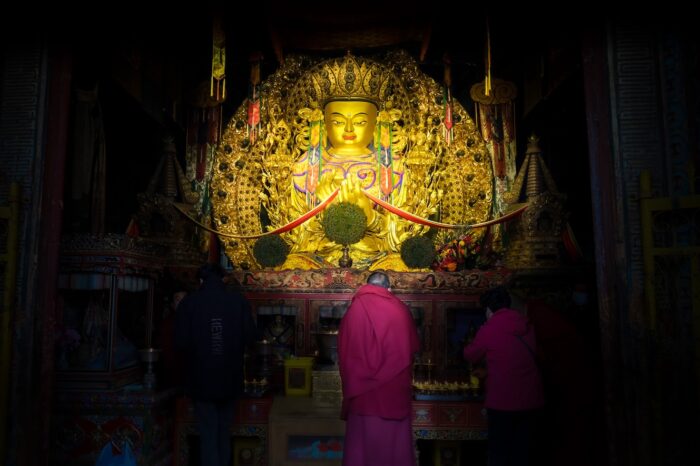
Spiritual Journey in Central Tibet
The year 2026 is the Year of the Horse according to the Tibetan lunar calendar. This is the year during the 12-yearlong astrological cycle that is understood to magnify the beneficial effects of pilgrimage manifold. …
We are recommended by
We are committed to providing authentic, high quality, environmentally sustainable travel services. Join us and experience once in a lifetime holiday.
Recent Trips
.jpg "amdo monlam festival tour")