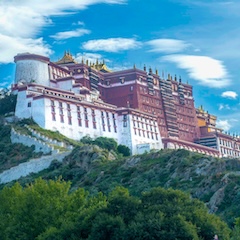
Guge Kingdom
The Guge Kingdom: Ancient Ruins in Western Tibet’s Remote Wilderness
The Guge Kingdom lies 25km north of Zhada County (other names: Tsamda, Zanda) and 15km from Tsaparang. This is one of the most important tourist sites after Mount Kailash in far western Tibet. It takes about 3-4 days and covers almost 1,500km one way from Lhasa by car. Though it takes a long time to get there, you won’t be bored during the journey as you will see many famous sights along the way, such as Yamdrok Yumtso Lake, Gyantse, Shigatse, Lake Manasarovar, Lake Rakshastal, Mount Kailash, Tirthapuri, and Toling. You can even make a detour to Mount Everest Base Camp and Peikutso Lake. Of course, you will be amazed to see that such a kingdom once existed in the Tsaparang Valley.
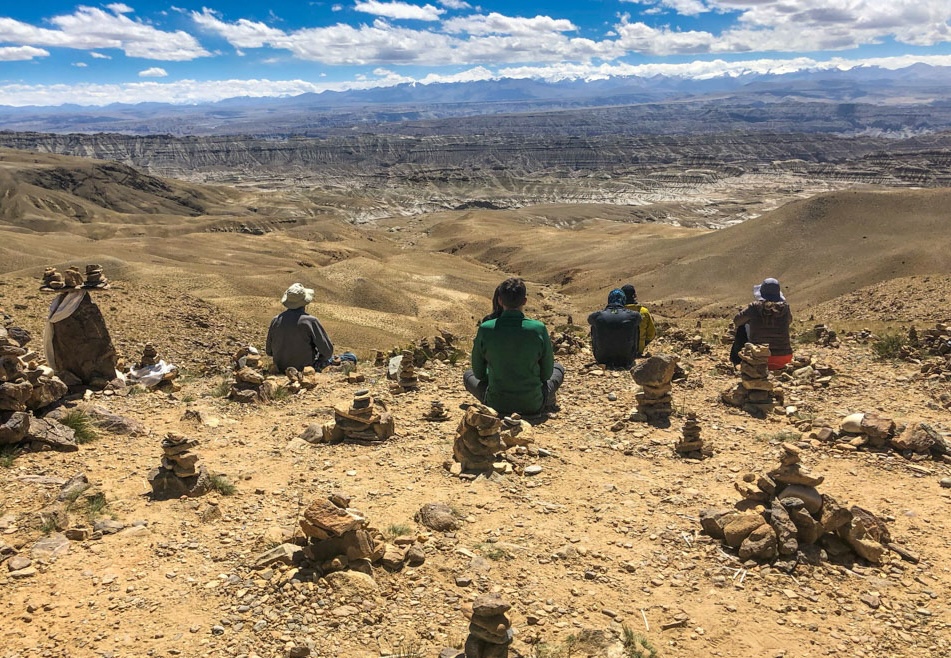
Historical Foundation and Royal Legacy
The Guge Kingdom is located on a yellow earth mountain at the bank of the Langchen Khabab River, which flows from Mount Dise, the main peak of the Gangdise Range, and eventually reaches the Indian Ocean. This kingdom was founded in the 10th century by Nyiamgon, the grandson of Langdarma, who was the last monarch of the Tibetan Empire.
Nyiamgon fled from Lhasa to the Ngari region during the period of religious persecution. He escaped to Mang-yul where he joined a local force named Tashi-tsan and married the leader’s daughter. He later had three sons: Palde-gon, Tashi-gon, and Detsug-gon. When Nyiamgon’s three sons grew up, they divided his kingdom into three parts. The king’s eldest son, Palde-gon, was granted territories around Purang. Tashi-gon was given the region north of Kailash, while the youngest son, Detsug-gon, became the founder of the Guge Kingdom.
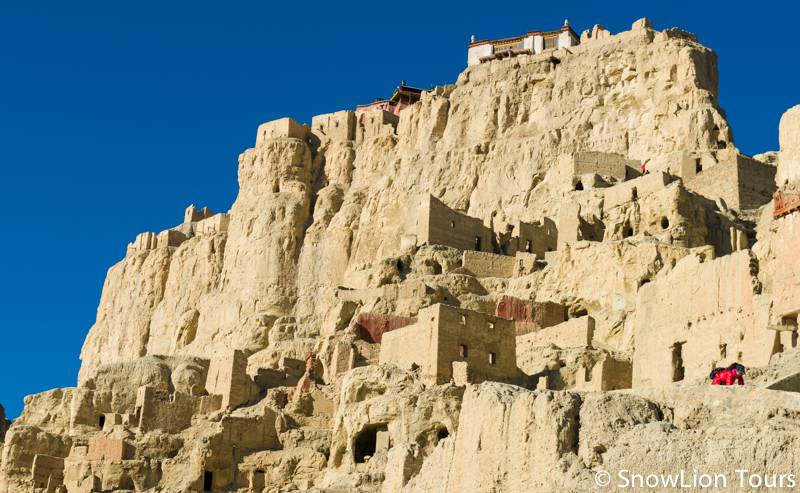
Ruins of Guge Kingdom
Architectural Marvels and Sacred Sites
This barren and eroded landscape hardly reveals its former prosperity as an ancient flourishing kingdom, but it did thrive here as a Tibetan kingdom and an important stop on the trade route between India and Tibet. At least its construction tells this story. There is a loess hill about 300 meters high where the ruins of walls and castles lie, most importantly the remains of the Guge Kingdom.
There are seven forts and three temples on the northeastern side of the hill, with more than 300 caves located on the hillside. A fortification wall and numerous ruins of Buddha carvings surround the entire area. The major buildings include:
- Dolma Lhakhang (Temple of Tara)
- Lhakhang Karpo (White Temple)
- Lhakhang Marpo (Red Temple)
- Dorje Jigched Lhakhang (Vajrabhairava Temple)
According to the ruins and paintings on the walls inside these temples, you can see evidence of this kingdom’s prosperity and the cultural and artistic influence from Indian masters and artists.
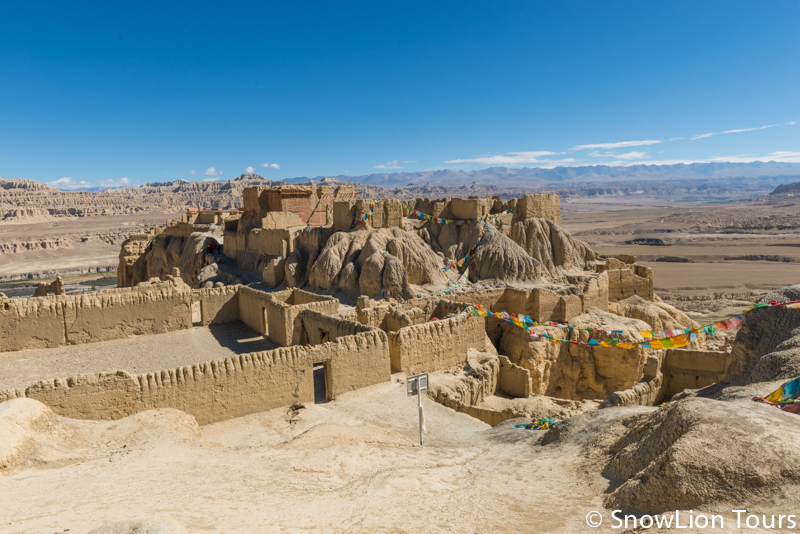
The top buildings of Guge Kingdom Palace
Rise and Fall of a Mysterious Kingdom
Such a mysterious kingdom rose and fell in human history, leaving behind great history, culture, and legend. Buddhism suffered persecution during Langdarma’s reign but was later advocated by King Yeshe-Ö. Due to unknown wars between rulers of this region, or perhaps other reasons such as extreme natural forces, the history of this kingdom eventually came to an end. However, the statues, carvings, and murals that have been excavated are great treasures of this mysterious kingdom.
Access Routes to the Guge Kingdom
The Ngari region to this day remains a region of mystery, with pilgrims, explorers, and travelers continuously exploring this unknown land. If you are one of them, there are several ways to reach the Guge Kingdom and other parts of Ngari:
Option 1: Lhasa to Guge Kingdom – the most common way to reach the Ngari region
Option 2: Overland from Kathmandu to Guge Kingdom via Kyirong border crossing
Option 3: From Nepal border through Hilsa-Purang trek
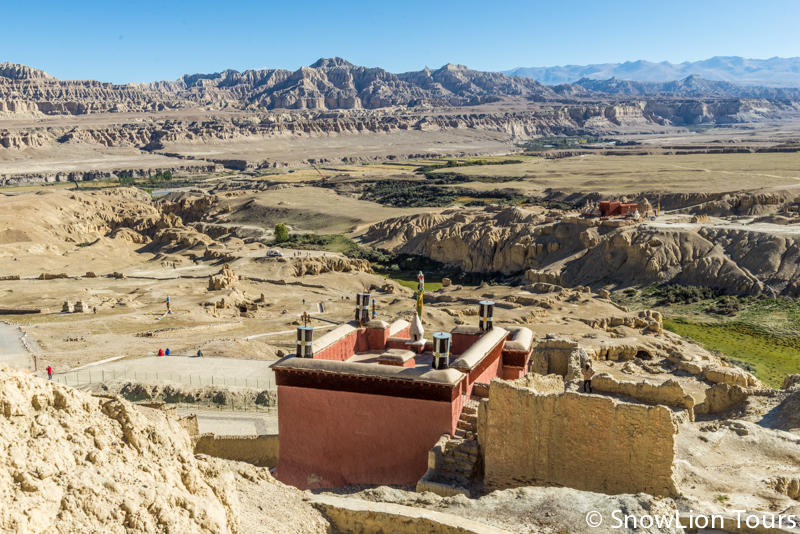
Red Temple and Tsaparang Valley in Guge Kingdom
A Testament to Tibet’s Ancient Glory
The Guge Kingdom stands as one of Tibet’s most remarkable archaeological sites, where the remnants of a once-powerful kingdom emerge from the stark landscape like a mirage from the past. The sophisticated architecture, intricate murals, and strategic location reveal a civilization that successfully bridged the cultural worlds of Tibet and India, creating a unique synthesis that flourished for centuries in one of the world’s most remote and challenging environments.
For travelers willing to undertake the arduous journey to this distant corner of Tibet, the Guge Kingdom offers an unparalleled glimpse into a lost world where political power, religious devotion, and artistic achievement combined to create one of the Himalayan region’s most fascinating historical legacies.
Recent Posts
- Shoton Festival Begins in Lhasa!
 August 23, 2025
 - Tour Price in Tibet
 August 23, 2025
 - Qinghai Shaman Festival in Rebkong Concludes Successfully
 August 21, 2025
Related Tours
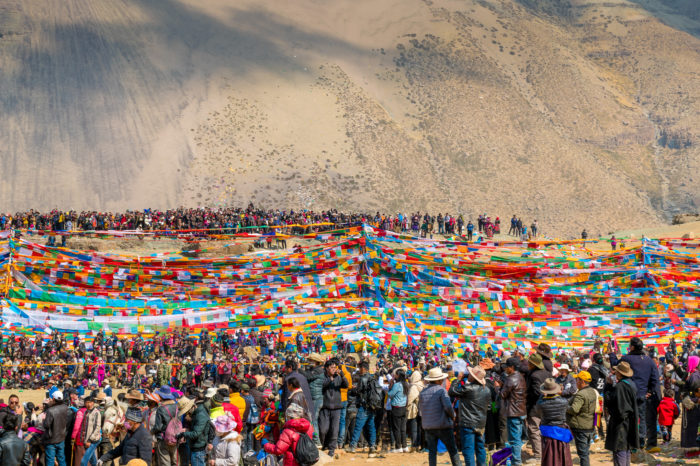
Saga Dawa Kailash Kora
A meaningful Saga Dawa pilgrimage from Lhasa, featuring festival celebrations, the sacred kora around Mount Kailash, and time at Lake Manasarovar amid the vast landscapes of Western Tibet
Mount Kailash and Guge Kingdom
Explore Lhasa, Yamdrok Lake, Shigatse, Guge Kingdom, Mount Kailash, and Lake Manasarovar on a 16-day western Tibet journey.
Wonders of Mountain Kingdom
Travel from Lhasa to Everest Base Camp, Mount Kailash, and Lake Manasarovar on an unforgettable journey across central and western Tibet, discovering breathtaking Himalayan landscapes, ancient monasteries, vibrant Tibetan culture, and sacred pilgrimage sites.
We are recommended by
We are committed to providing authentic, high quality, environmentally sustainable travel services. Join us and experience once in a lifetime holiday.
Recent Trips
.jpg "amdo monlam festival tour")