Tholing Monastery
Tholing Monastery: Cradle of Buddhism’s Revival in Western Tibet
Tholing Monastery, also spelled Toling Monastery, was built in 997 AD by the second King of the Guge Kingdom, Yeshe-Ö, when Toling served as the capital city of Guge. The monastery was constructed under the guidance of the great translator Rinchen Zangpo, who traveled to Kashmir and India to study and translate texts along with 20 other young monks, with the support of King Yeshe-Ö. Among these 20 monks, only two survived the severe climate and environmental conditions and returned to Tibet safely. Rinchen Zangpo was one of them, and he built this oldest monastery in western Tibet.
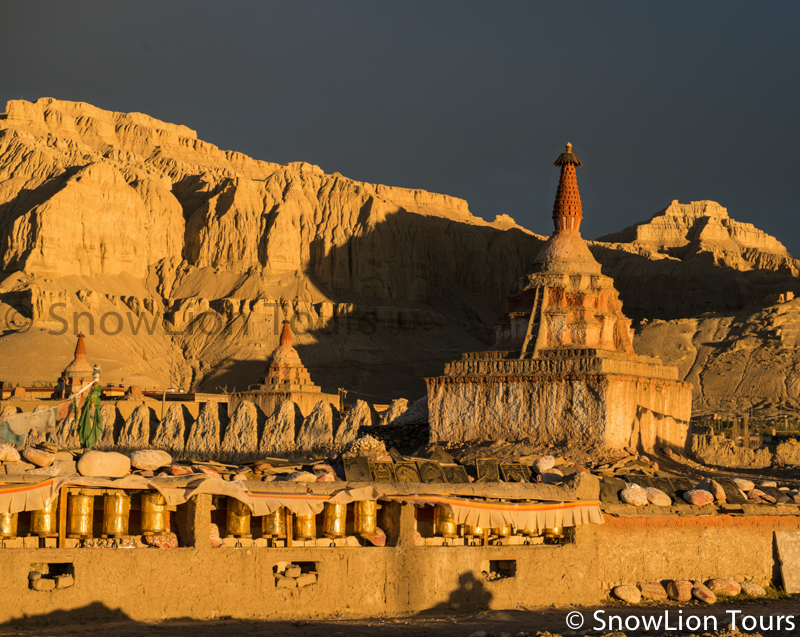
Stupa in Toling Monastery
Atisha and the Buddhist Revival
Later, the Indian master Atisha was invited to Guge in 1042 AD and spent three years at Tholing Monastery, which promoted the revival of Buddhism in Tibet. One of the most famous sects, the Kadampa school, was founded by Atisha. As a result, Buddhism spread from Toling throughout all of Tibet, making this monastery a crucial catalyst in Tibetan Buddhist history.
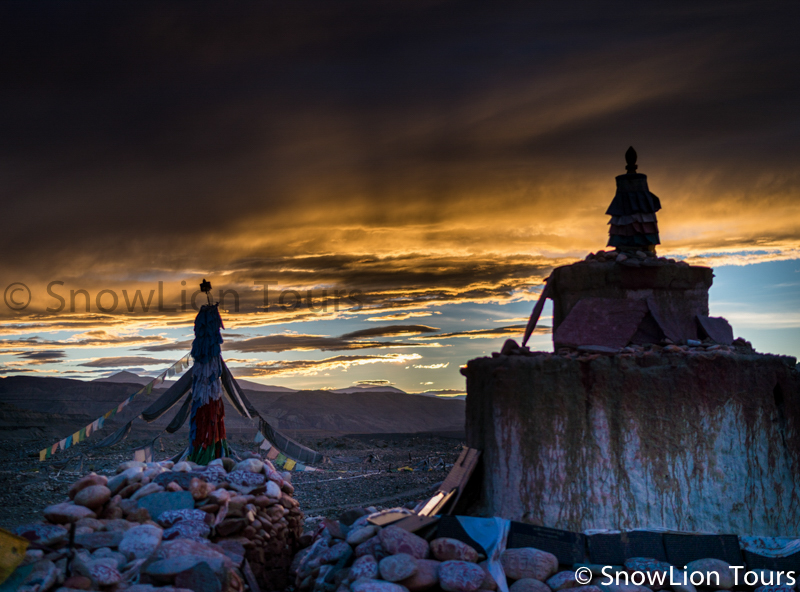
Sunset in Tholing
Landscape and Sacred Architecture
Tholing Monastery has become one of the must-see destinations in the Ngari region, not only because of its important role in Tibetan history but also due to the remarkable landscape of Toling. You can see the open earthen valley with ancient stupas made of earth standing on the bank of the Sutlej River, creating a scene of timeless spiritual significance against the stark beauty of western Tibet.
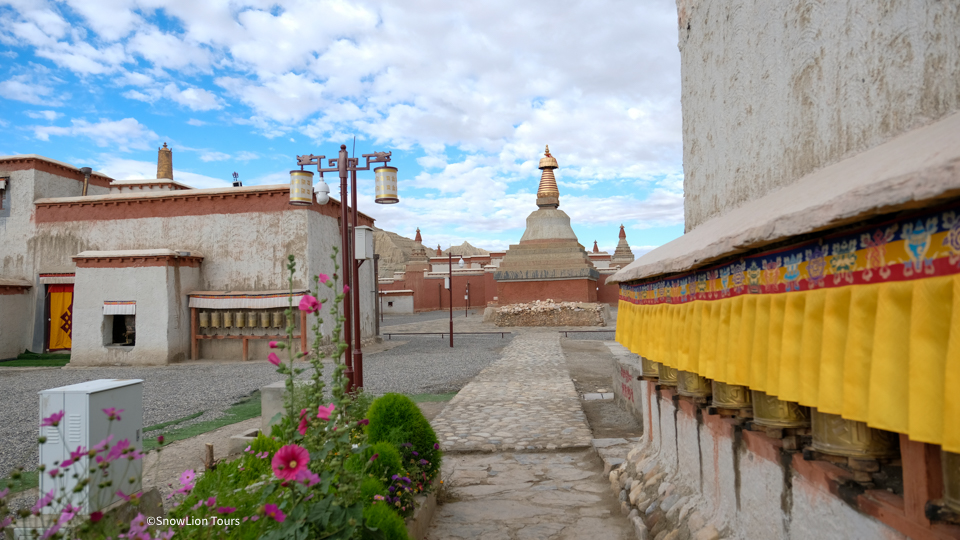 Sunset Views and Ancient Ruins
If you are staying one night in Zhada or Tholing, I strongly recommend visiting Toling Monastery in the late afternoon for the sunset. There is a small door through which you can exit toward the river from the monastery wall. Beyond this lies the ruins of the old Toling Monastery – while no major structures remain, you will see the ruins of stupas, mani stone piles, and colorful prayer flags that create a moving testament to centuries of devotion.
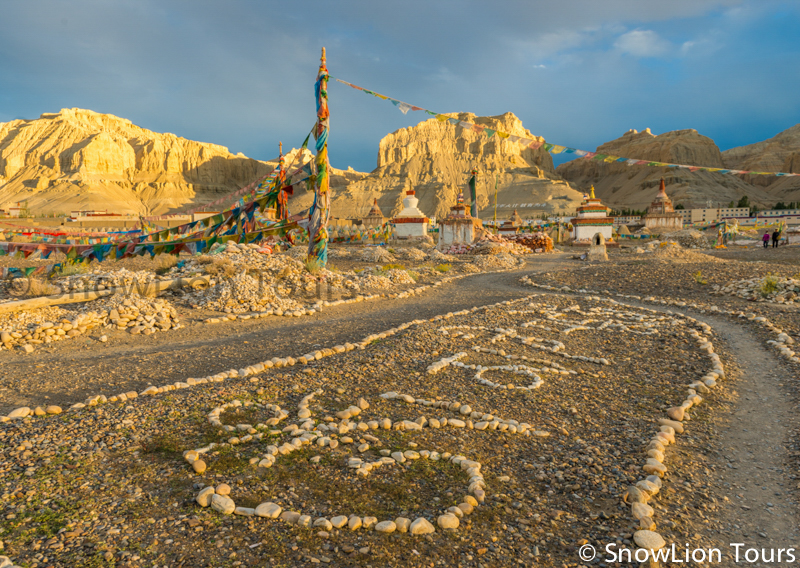
Mani stone piles in Toling Monastery
Artistic Treasures and Historical Witness
Nowadays, apart from searching for traces of the past by standing on this historic ground, visitors can witness many ancient, precious, and well-preserved frescoes that tell the story of and bear witness to the monastery’s glorious past. These artistic treasures represent some of the finest examples of the unique cultural synthesis that emerged from the meeting of Tibetan and Indian Buddhist traditions.
A Living Monument to Cultural Exchange
Tholing Monastery stands as more than an architectural relic – it represents a pivotal moment in Tibetan history when dedicated scholars risked everything to preserve and revive Buddhist teachings. The monastery’s role in hosting Atisha and serving as the launching point for Buddhism’s second flourishing in Tibet makes it one of the most historically significant religious sites on the Tibetan Plateau.
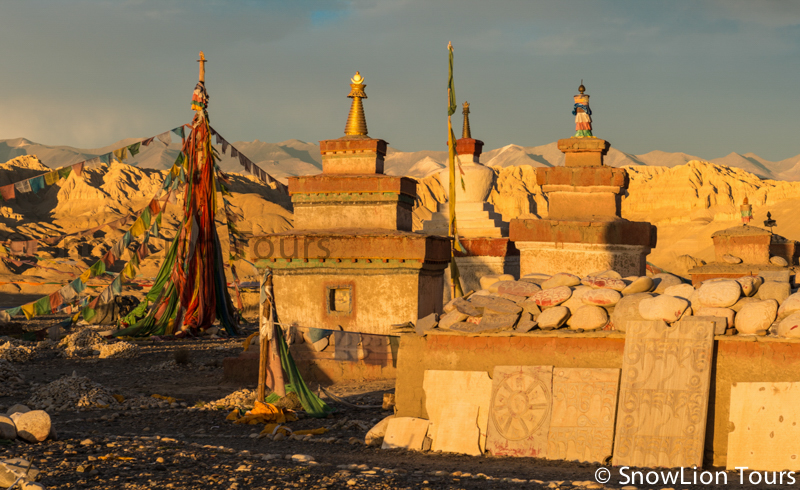
Ancient Stupas in Toling Monastery
The combination of its dramatic setting beside the Sutlej River, its crucial historical importance, and its well-preserved artistic treasures makes Tholing Monastery an essential stop for anyone seeking to understand the deep cultural and spiritual heritage of western Tibet. Here, in this remote corner of the world, the threads of Indian and Tibetan Buddhism were woven together to create a legacy that would shape Tibetan civilization for centuries to come.
Recent Posts
- Mount Kailash Kora updates
 September 26, 2026
 - Tibet Travel Permits
 September 24, 2026
 - Update on China / Tibet–Nepal Land Border Crossings
 September 24, 2026
Related Tours
Kathmandu to Mount Kailash Tour
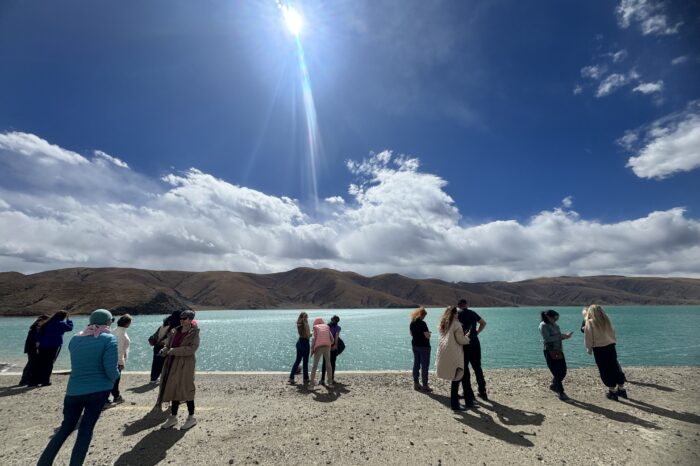
Journey from Kathmandu to sacred Mount Kailash and Lake Manasarovar, crossing the Himalayas into western Tibet, completing the legendary three-day Kailash Kora, and experiencing breathtaking landscapes, ancient monasteries, and profound spiritual traditions.
Saga Dawa Kailash Kora
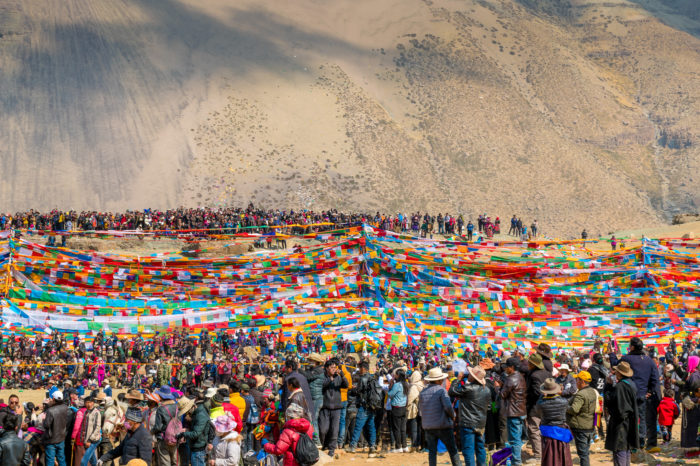
A meaningful Saga Dawa pilgrimage from Lhasa, featuring festival celebrations, the sacred kora around Mount Kailash, and time at Lake Manasarovar amid the vast landscapes of Western Tibet
Mount Kailash and Guge Kingdom
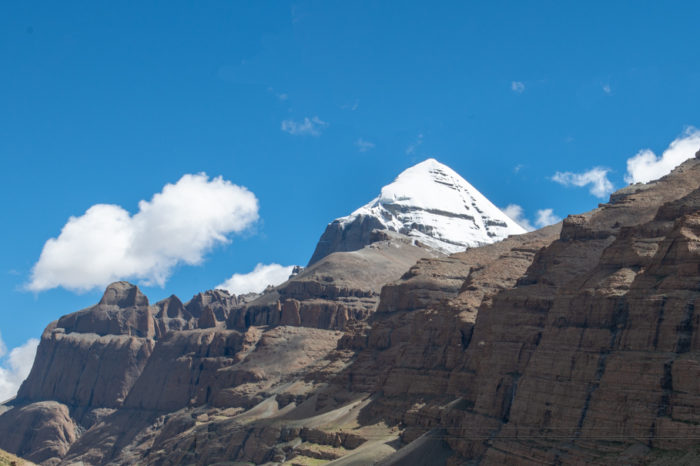
Explore Lhasa, Yamdrok Lake, Shigatse, Guge Kingdom, Mount Kailash, and Lake Manasarovar on a 16-day western Tibet journey.
Sacred Mount Kailash
A sacred Mount Kailash trek with Lake Manasarovar, ancient monasteries, high Himalayan views, and a traditional three-day kora around the holy mountain.
We are recommended by
We are committed to providing authentic, high quality, environmentally sustainable travel services. Join us and experience once in a lifetime holiday.
Recent Trips
.jpg "amdo monlam festival tour")