Dungkar & Piyang
Dungkar and Piyang: Hidden Cave Temples of Ancient Ngari
It’s about 60km from Zanda to Dungkar, located north of Toling in the small village of Dungkar and about 3km away from Piyang. Dungkar and Piyang are famous for their wall paintings and meditation caves. Records show there were more than 4,000 caves in the valley that were once inhabited. Nowadays, there are about 2,000 caves remaining at Dungkar and Piyang. Actually, few tourists know about this remote place, so if you are a fan of ancient relics, you may find Dungkar and Piyang to be wonderful places to explore.
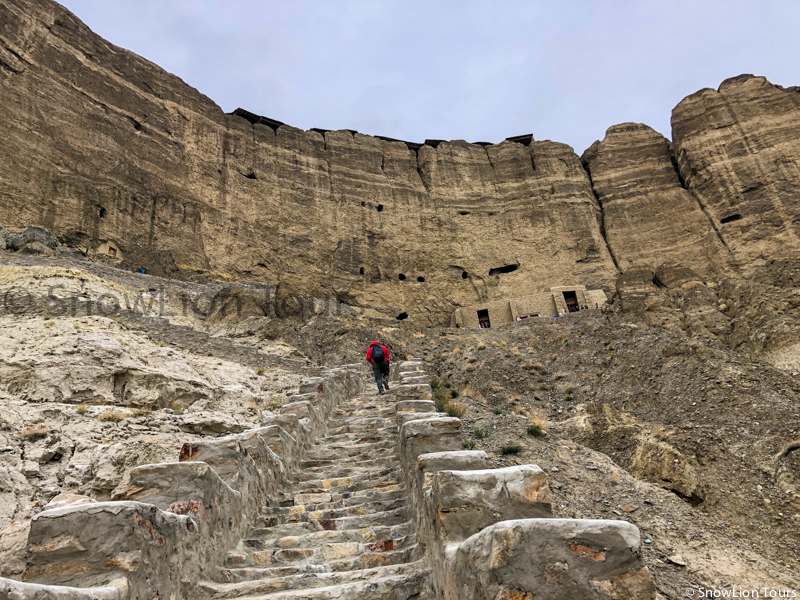
Climbing up to the Piyang Cave Temples
Ancient Discoveries and Archaeological Significance
The caves and wall paintings in Dungkar and Piyang are possibly the oldest caves and paintings in the Ngari Region, discovered in the early 1990s. These remarkable sites offer insights into the earliest Buddhist artistic traditions in far western Tibet, representing a unique convergence of cultural influences along ancient trade routes.
Artistic Treasures and Cultural Connections
It is said that three of the older cave temples may possibly contain the earliest murals in far western Tibet. The best preserved is the mandala cave with nine large painted mandalas. More interesting is the stylistic similarity of the paintings with those in Dunhuang, which lies on the eastern edge of the Silk Road in China. This connection suggests the far-reaching cultural exchanges that occurred along these ancient trade networks.
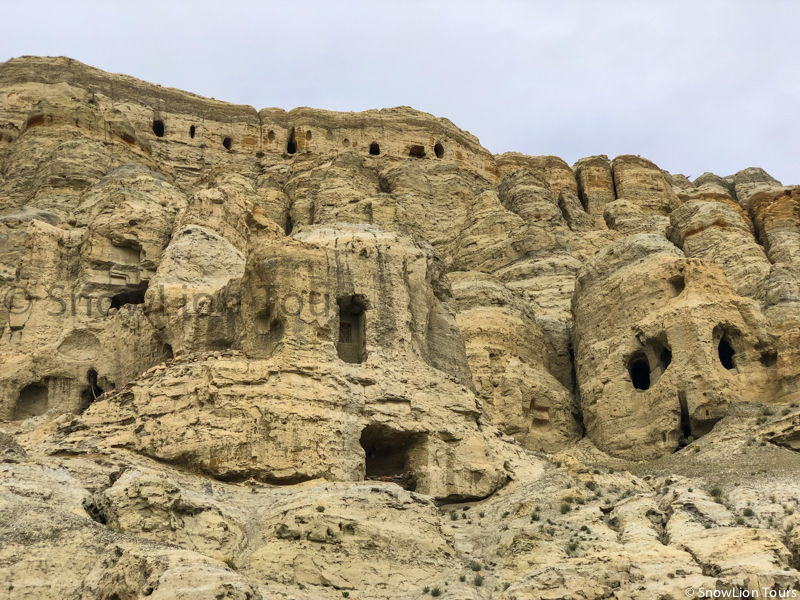
Dungkar Meditation Caves
Piyang: A Monastery of Thousands
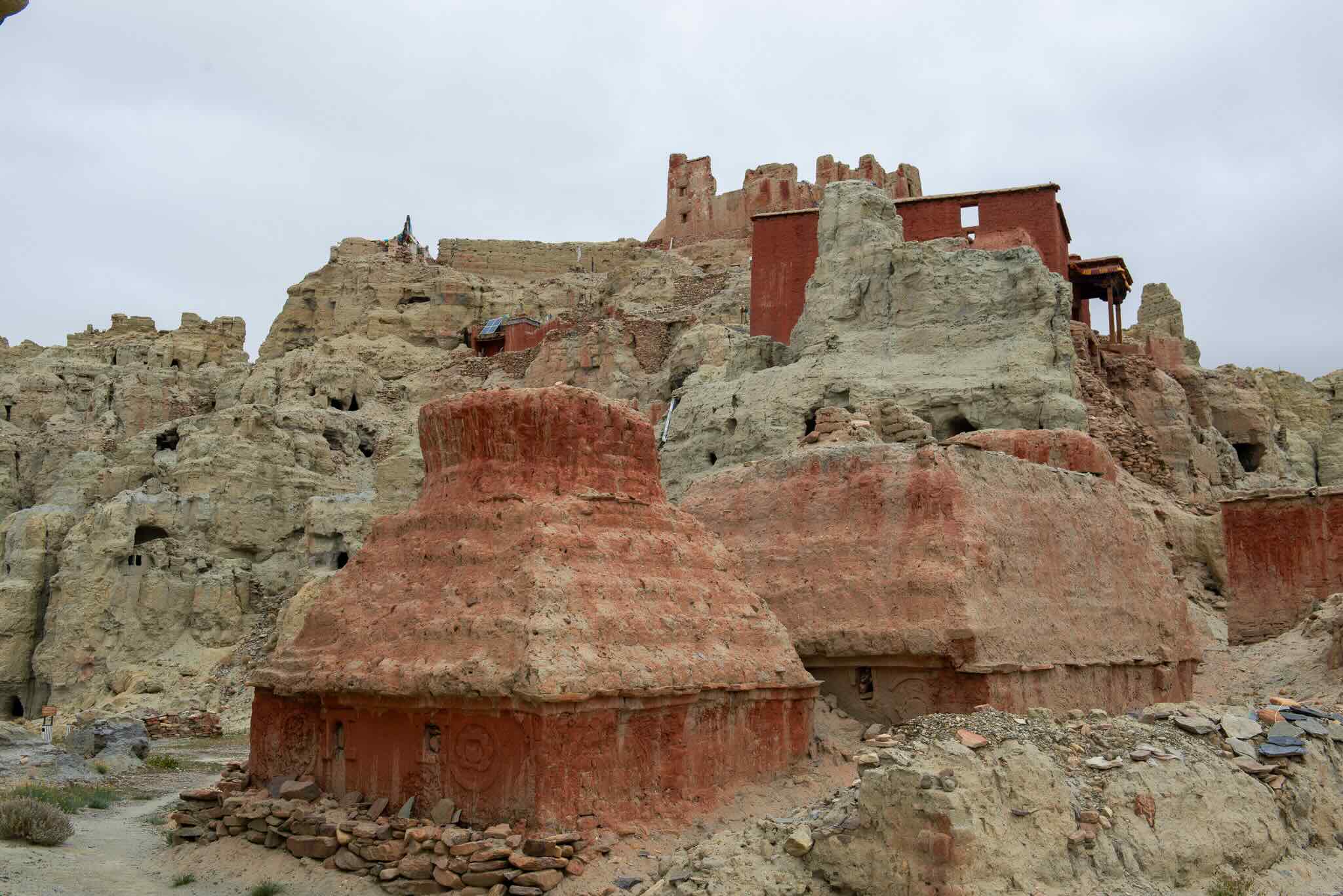
A couple of kilometers north from Dungkar, at the foot of the valley, lie the numerous ruins of Piyang. Thousands of meditation caves can be found in this area, where thousands of meditators once practiced. Few meditators appear nowadays, but the ruined monastery sites remain good spots for exploration in this area. The oldest building was the Karsak Lhakhang, which belonged to King Yeshe-Ö.
Visiting Information and Practical Details
To visit these sites, you need an introduction letter from the Cultural Affairs Bureau in Zanda first, which must be presented to the site keepers. Since few people know about this area and road conditions are poor, it’s better to allocate a full day to explore the caves properly.
A Hidden Archaeological Treasure
Dungkar and Piyang represent some of Tibet’s most significant but least-known archaeological treasures. These cave complexes offer a rare glimpse into the early development of Buddhist art in western Tibet, where influences from the Silk Road, Indian Buddhist traditions, and local Tibetan culture merged to create a unique artistic synthesis.
For those willing to venture off the beaten path and navigate the bureaucratic requirements, these sites provide an unparalleled opportunity to witness some of the earliest Buddhist artistic expressions in the Himalayas. The remote location and challenging access have helped preserve these ancient treasures, making them all the more precious for the dedicated explorer seeking to understand the deep cultural heritage of the Tibetan plateau.
The stylistic connections to Dunhuang murals highlight the remarkable reach of cultural exchange along ancient trade routes, demonstrating how artistic traditions traveled across vast distances to influence local artistic development in even the most remote corners of the Tibetan world.
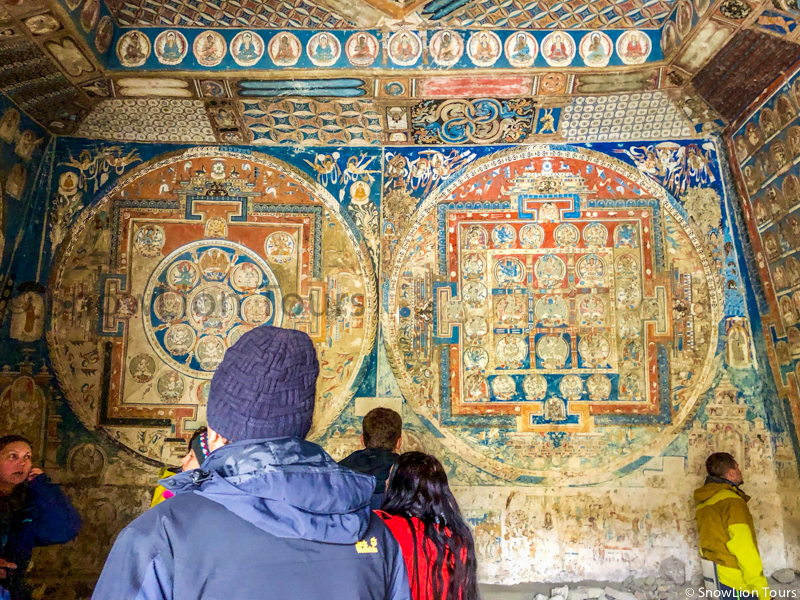
Mandala Paintings on the wall inside the cave temple.
Recent Posts
- Mount Kailash Kora updates
 September 26, 2026
 - Tibet Travel Permits
 September 24, 2026
 - Update on China / Tibet–Nepal Land Border Crossings
 September 24, 2026
Related Tours
Mount Kailash and Guge Kingdom
Explore Lhasa, Yamdrok Lake, Shigatse, Guge Kingdom, Mount Kailash, and Lake Manasarovar on a 16-day western Tibet journey.
Sacred Mount Kailash
A sacred Mount Kailash trek with Lake Manasarovar, ancient monasteries, high Himalayan views, and a traditional three-day kora around the holy mountain.

Uncharted Territory Kailash Tour
Starting in Lhasa, visit the Potala Palace, the Jokhang Temple, and the traditional marketplace known as the Barkhor. Watch monks debate at Sera Monastery, visit the summer palace of H.H. the Dalai Lama, and then …
We are recommended by
We are committed to providing authentic, high quality, environmentally sustainable travel services. Join us and experience once in a lifetime holiday.
Recent Trips
.jpg "amdo monlam festival tour")