Tirthapuri
Tirthapuri is a sacred pilgrimage site in western Tibet, known for hot springs, Guru Rinpoche legends, meditation caves and its connection with Mount Kailash.
Tirthapuri, known locally as “the place of holy waters,” stands as one of the most significant pilgrimage sites in western Tibet, intimately connected to the legendary tantric master Padmasambhava (Guru Rinpoche). Located in what is now administered as part of the Tibet Autonomous Region, this sacred site continues to draw pilgrims from across the Himalayan Buddhist world despite the complex political situation in the region.
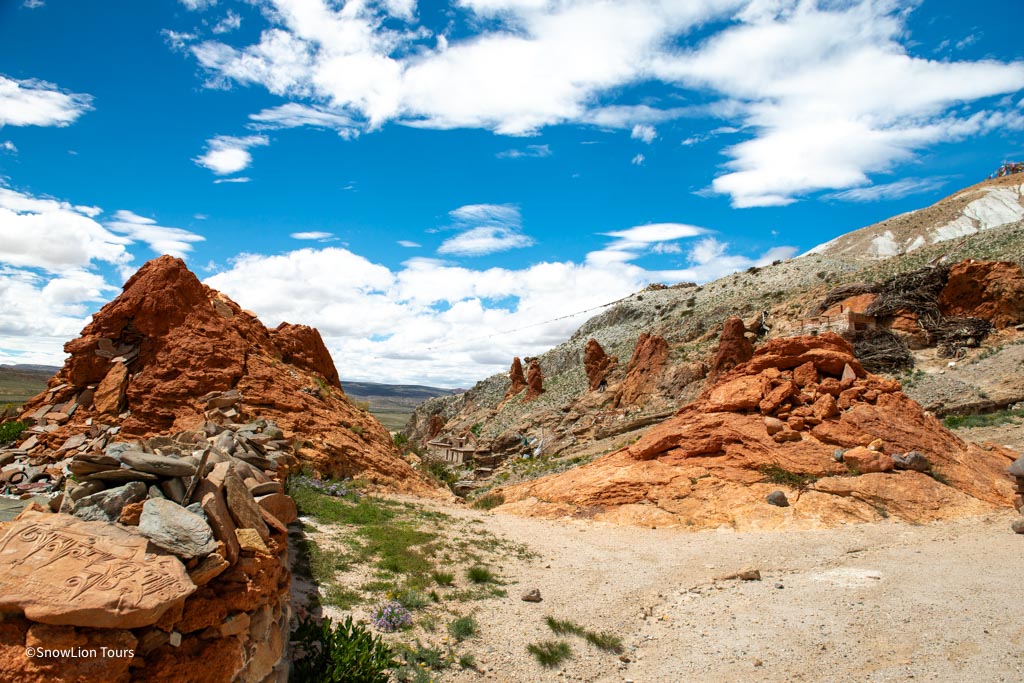
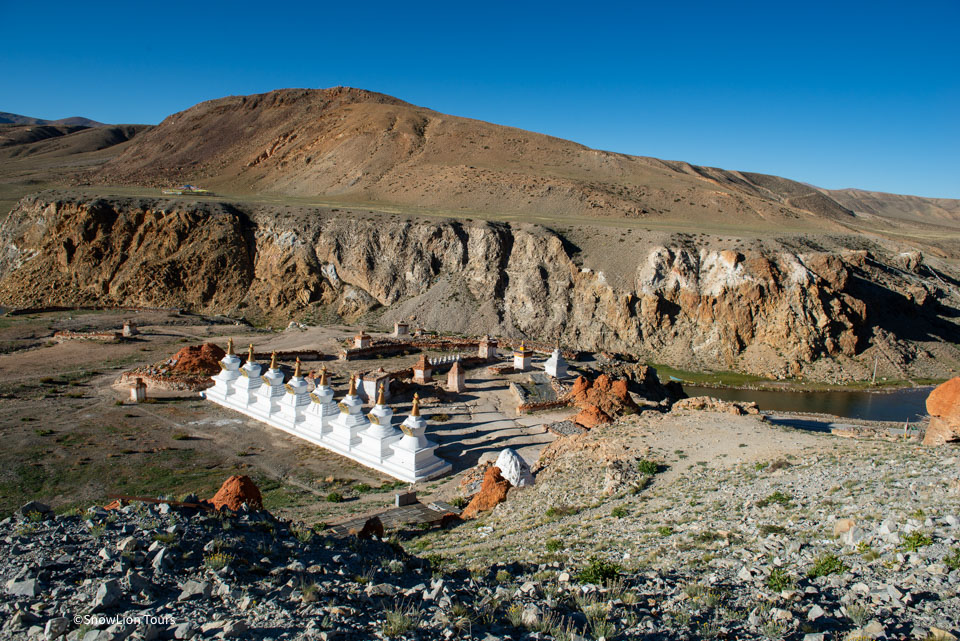
Tirthapuri is situated on the northern bank of the Sutlej River, approximately 80 kilometers northwest of Mount Kailash and 65 kilometers west of Darchen, the base camp for Kailash pilgrims. The site lies about 9 kilometers south of Moincer (Mensi) and fills the barren landscape with steam from its natural hot springs. The elevation and dramatic setting create a landscape where sacred hot springs emerge from the earth, surrounded by colorful prayer flags, chortens (stupas), and the dramatic gorge of the Sutlej River.
Tirthapuri
Religious Significance and Sacred History
Connection to Padmasambhava
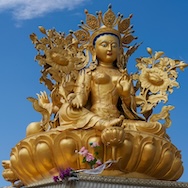
Tirthapuri is closely associated with Padmasambhava (Guru Rinpoche), the 8th-century master credited with establishing Tantric Buddhism in Tibet. According to Buddhist tradition, this is where Guru Rinpoche meditated with his consort Yeshe Tsogyel in the sacred Vajravarahi Cave. The site contains a cave where Guru Rinpoche was in sadhana (spiritual practice), and the monastery assembly hall enshrines stone footprints of Padmasambhava and his consort Yeshe Tsogyel.
Hindu Connections
The site also holds significance in Hindu tradition. According to legend, this is where the demon Bhasmasura was burned to ashes after competing in dance with Lord Vishnu’s form Mohini. The hot springs are surrounded by white limestone terraces, which are associated with the ash of Bhasmasura. This dual religious significance makes Tirthapuri a unique site where Hindu and Buddhist traditions converge.
The Traditional Pilgrimage Circuit
Sacred Geography
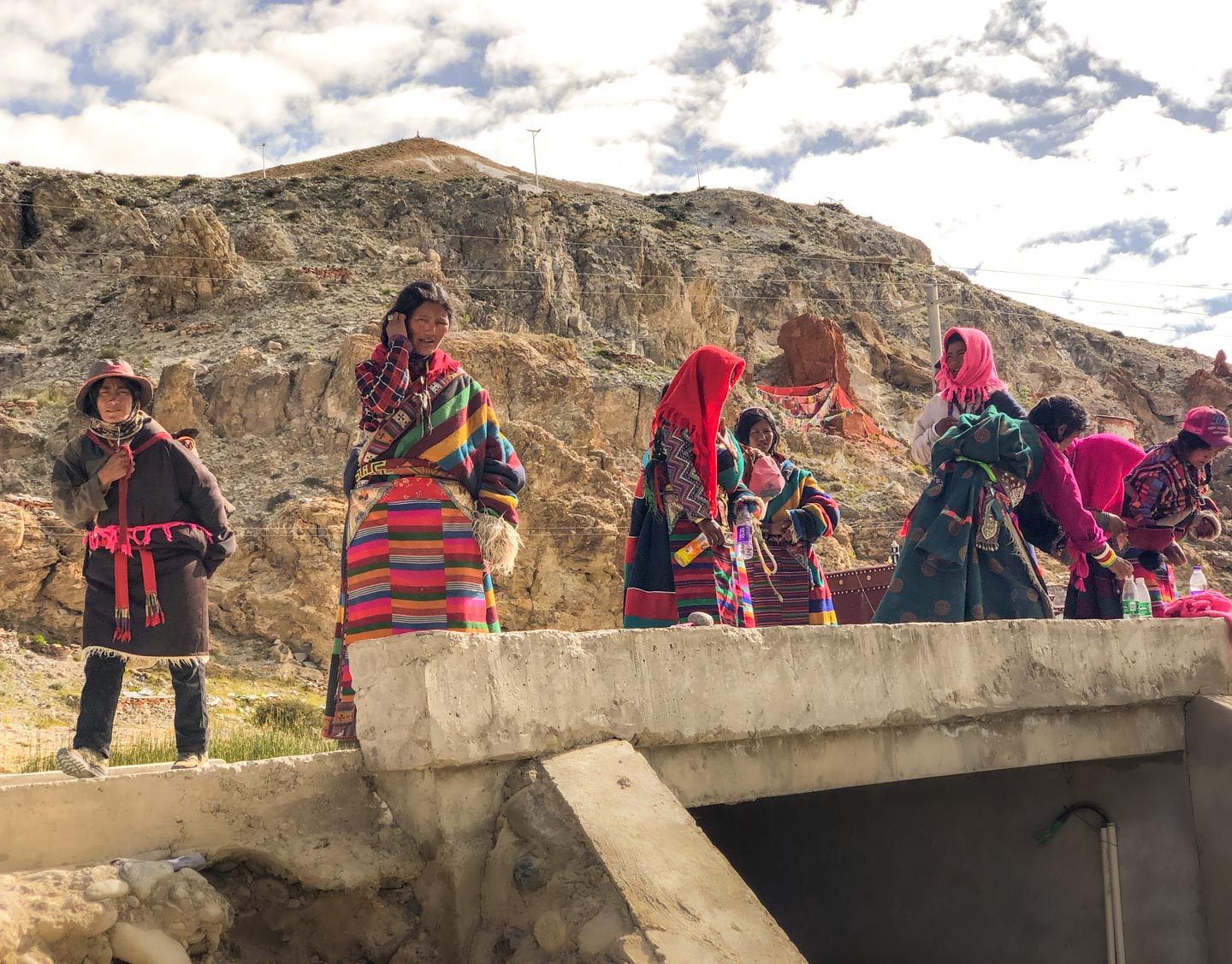
The traditional order of pilgrimage in the Kailash region is first to circumambulate Manasarovar, then Kailash, and finally to visit Tirthapuri. This is where pilgrims traditionally bathe after completing their circuit of Mt Kailash, and thirteen Tirthapuri koras are considered to bring equal merit to that of one Kailash kora.
The One-Hour Kora
The pilgrimage route around Tirthapuri takes approximately one hour and includes several significant stops:
Starting Point – Hot Springs: The trail begins at the hot springs in the southwest corner, where pilgrims can bathe in pools fed by the sacred springs.
Cremation Point: The path climbs to a cremation point where old clothes and rags have been left on the rocks.
Healing Earth Holes: Pilgrims pass a “sour” earth hole and a “sweet” earth hole, where they dig for small stones believed to have healing properties.
Karma-Testing Hole: There is a karma-testing hole in a rock beneath a solitary prayer wheel. Pilgrims reach into the hole and pull out two stones. Two white stones indicate good karma, one black and one white means it could use some work, and two black stones indicate bad karma.
Tirthapuri Monastery: The trail leads to the Guru Rinpoche Monastery (also known as Tirthapuri Monastery), whose assembly hall enshrines stone footprints of Padmasambhava and his consort Yeshe Tsogyel, along with a sacred cave used by the guru.
Sacred Sites: Just south of the monastery is a circle of mani stones marking the spot where the gods danced when Guru Rinpoche was enshrined here.
Mani Walls: The route includes several large mani walls, some containing yak heads and other offerings. The largest wall is 200 meters long, extending east from the monastery. According to legend, a demon shot an arrow at the guru, who stopped it mid-flight and transformed its path into the mani wall.
Natural Features and Sacred Elements
Hot Springs and Healing Properties
The hot springs are surrounded by pink and white limestone terraces, which make a favorite picnic spot for Tibetans. Small pure opaque calcium balls are found among the terraces; these small beads are considered to be powerful medicine. The hot springs are shallow with two dug-out pools, though they offer no facilities and little privacy. Many travelers prefer to soak their feet in warm waters and relax after trekking around Kailash.
Geological Features
The geyser that once was quite active now seldom releases hot water. This water forms small calcium clumps that people collect for medicinal use. The white limestone deposits and mineral formations add to the site’s mystical atmosphere and provide tangible connections to the sacred waters.
Cultural Practices and Traditions
Bathing Rituals
Unlike the practices at Lake Manasarovar, where primarily Hindu pilgrims bathe in the sacred waters, Tirthapuri serves as a communal bathing site for pilgrims of various traditions after completing the demanding Kailash circumambulation. The hot springs provide both physical relief and spiritual purification.
Meditation and Retreat
The Vajravarahi Cave where Padmasambhava meditated with his consort Yeshe Tsogyel continues to serve as a meditation site. Visitors report that “you can go into meditative states here effortlessly”.
Accessibility and Pilgrimage Context
Transportation
Tirthapuri is accessible by road but there is no public transportation. Simple accommodations are available in the monastery guesthouse at Tirthapuri and it is possible to camp further down the river. There is also a basic guesthouse in Moincer.
Modern Pilgrimage
It is easiest to visit as part of a guided tour to Kailash and Manasarovar, often with further extension to the Guge Kingdom Ruins. Like other sacred sites in the region, access is controlled by Chinese authorities and requires special permits beyond standard travel documentation.
International Perspective and Cultural Context
Tirthapuri represents the continuation of ancient pilgrimage traditions in a region where traditional practices occur within the complex political framework of what international observers note as restricted religious and cultural freedoms in Tibetan areas. The site demonstrates how sacred geography transcends political boundaries, as pilgrims continue to follow routes established over centuries.
The persistence of pilgrimage to Tirthapuri, like other sites in the Kailash region, reflects the resilience of Tibetan Buddhist and broader Himalayan spiritual traditions. International human rights organizations note ongoing concerns about religious freedom in Tibet, yet places like Tirthapuri continue to serve their sacred function for devoted practitioners.
Spiritual Legacy
Tirthapuri embodies the intersection of multiple spiritual traditions and the enduring power of sacred place. As a site where Padmasambhava, the “Second Buddha,” practiced and taught, it remains a powerful destination for those seeking to connect with the origins of Tibetan Buddhism. The combination of natural hot springs, ancient caves, and legendary associations creates a pilgrimage destination that speaks to the fundamental human desire for purification, healing, and spiritual transformation.
Ravens and rainbows abound in this magical spot, and tradition has it that the kora of Kailash is complete only by visiting Tirthapuri. This understanding reflects the integrated nature of sacred geography in the Himalayas, where individual sites gain meaning through their relationships to other holy places and the complete pilgrimage experience.
For contemporary pilgrims and visitors, Tirthapuri offers both a glimpse into the living traditions of Himalayan Buddhism and a tangible connection to one of the most influential figures in Tibetan spiritual history. Despite modern challenges and political complexities, the sacred hot springs of Tirthapuri continue to provide spiritual seekers with the opportunity for purification, reflection, and connection to the profound legacy of Padmasambhava.
Recent Posts
- Mount Kailash Kora updates
 September 26, 2026
 - Tibet Travel Permits
 September 24, 2026
 - Update on China / Tibet–Nepal Land Border Crossings
 September 24, 2026
Related Tours
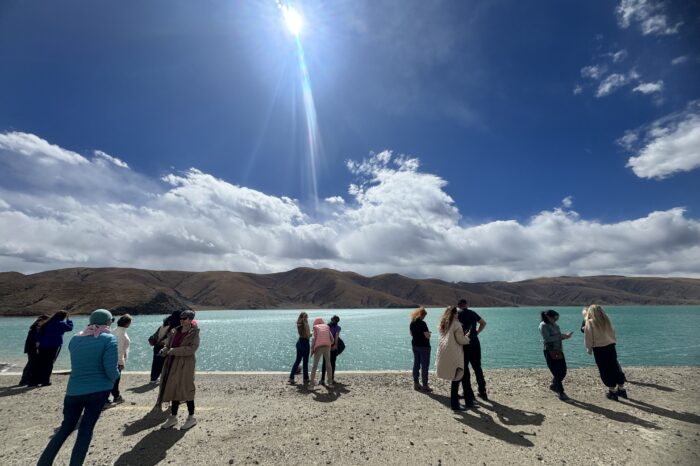
Kathmandu to Mount Kailash Tour
Journey from Kathmandu to sacred Mount Kailash and Lake Manasarovar, crossing the Himalayas into western Tibet, completing the legendary three-day Kailash Kora, and experiencing breathtaking landscapes, ancient monasteries, and profound spiritual traditions.
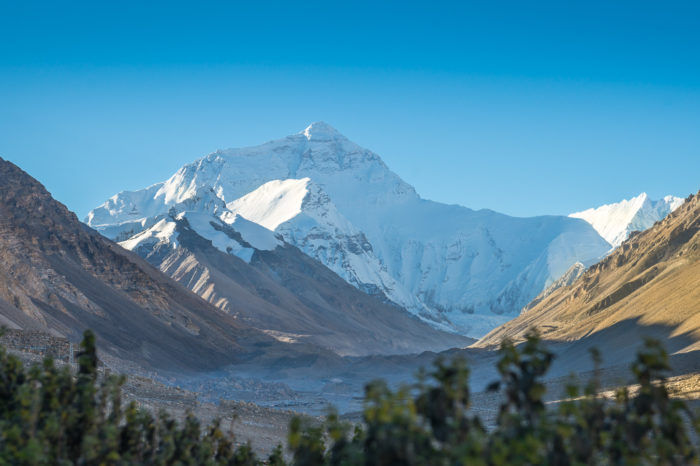
Wonders of Mountain Kingdom
Travel from Lhasa to Everest Base Camp, Mount Kailash, and Lake Manasarovar on an unforgettable journey across central and western Tibet, discovering breathtaking Himalayan landscapes, ancient monasteries, vibrant Tibetan culture, and sacred pilgrimage sites.

Uncharted Territory Kailash Tour
Starting in Lhasa, visit the Potala Palace, the Jokhang Temple, and the traditional marketplace known as the Barkhor. Watch monks debate at Sera Monastery, visit the summer palace of H.H. the Dalai Lama, and then …
We are recommended by
We are committed to providing authentic, high quality, environmentally sustainable travel services. Join us and experience once in a lifetime holiday.
Recent Trips
.jpg "amdo monlam festival tour")