Visiting Tibet is a once-in-a-lifetime experience, but it requires careful planning and preparation. Here are six essential things every traveler should know before setting foot on the Roof of the World.
1. Tibet Travel Permit
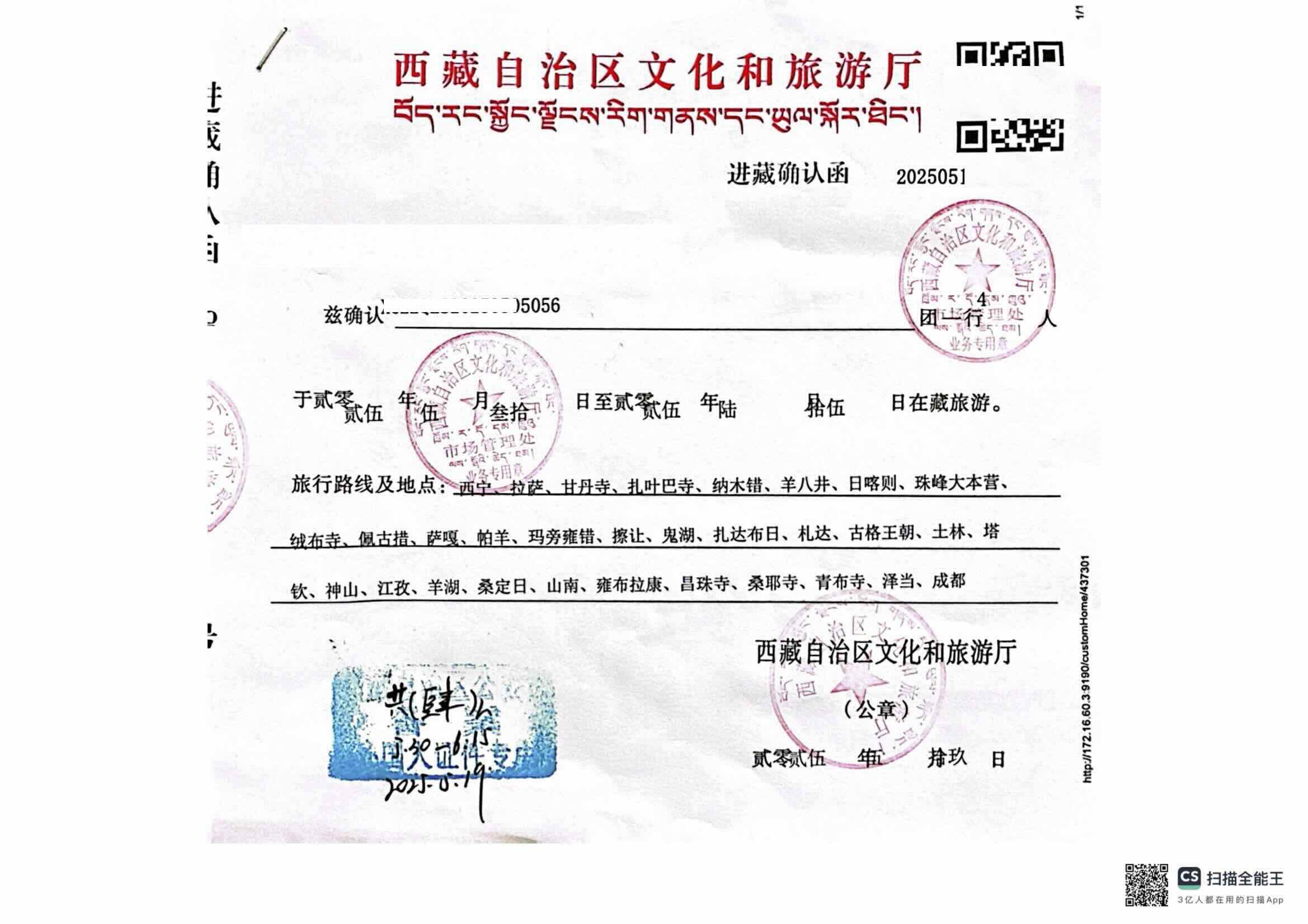
All foreign travelers must obtain a Tibet Travel Permit through a travel agency that is authorized to apply for it if you plan to visit the Tibet Autonomous Region. To get the permit, you need to provide your tour operator with scanned copies of your passport, Chinese visa, and flight reservations to/from Lhasa at least 20–25 days before your departure (depending on your travel route in Tibet).
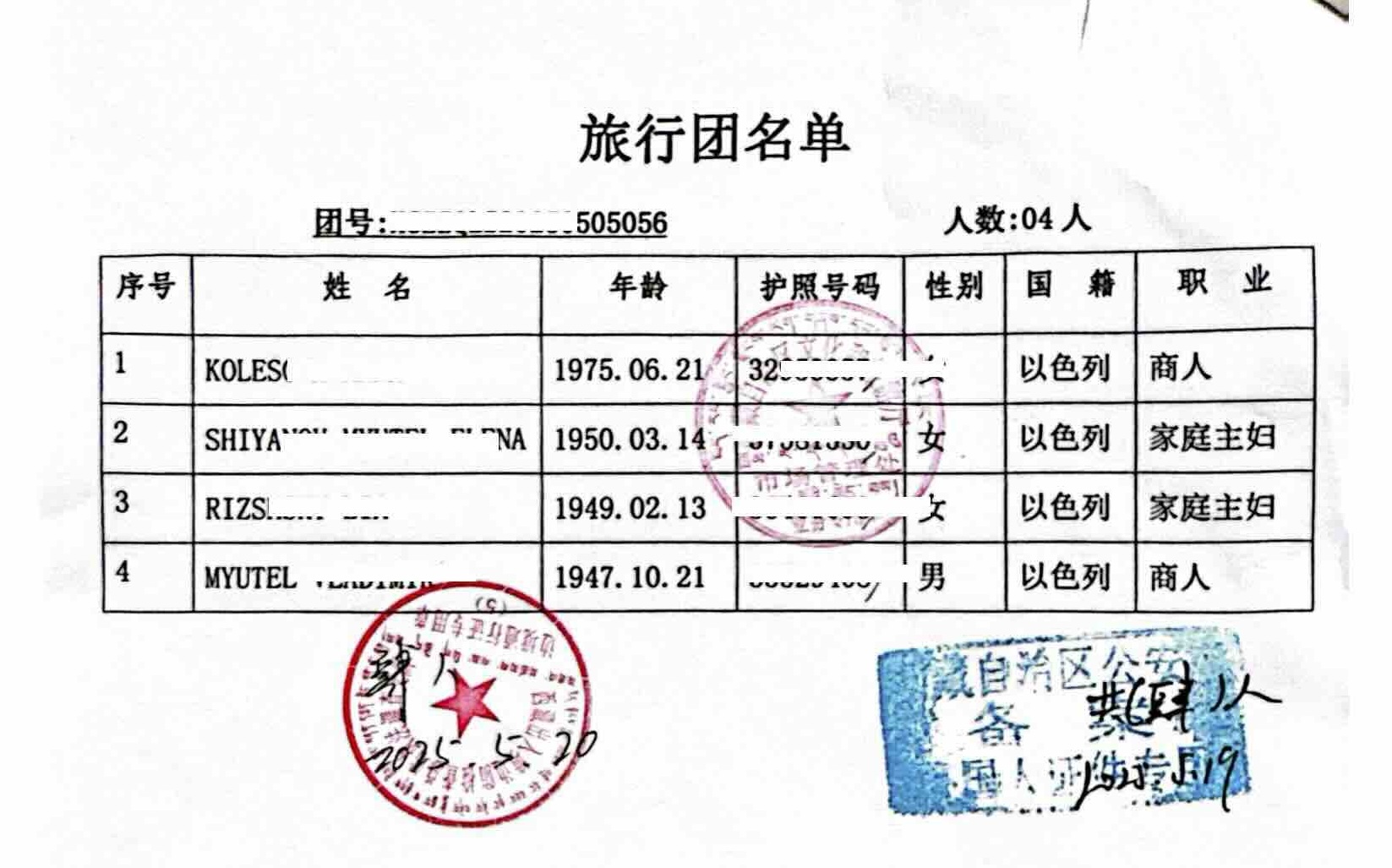
Entering from Mainland China
A Chinese visa should be applied for in your home country about 3 months before your trip. Although you can provide your visa to your Tibet tour operator 20–25 days before applying for the Tibet Travel Permit, it is always better to apply for the China visa as early as possible, as visa requirements are becoming stricter.
There are different types of visas (L-type tourist visa, Z-type work visa, M-type short-term business visa, etc.). Different visa types may require additional information when applying for the Tibet Travel Permit.
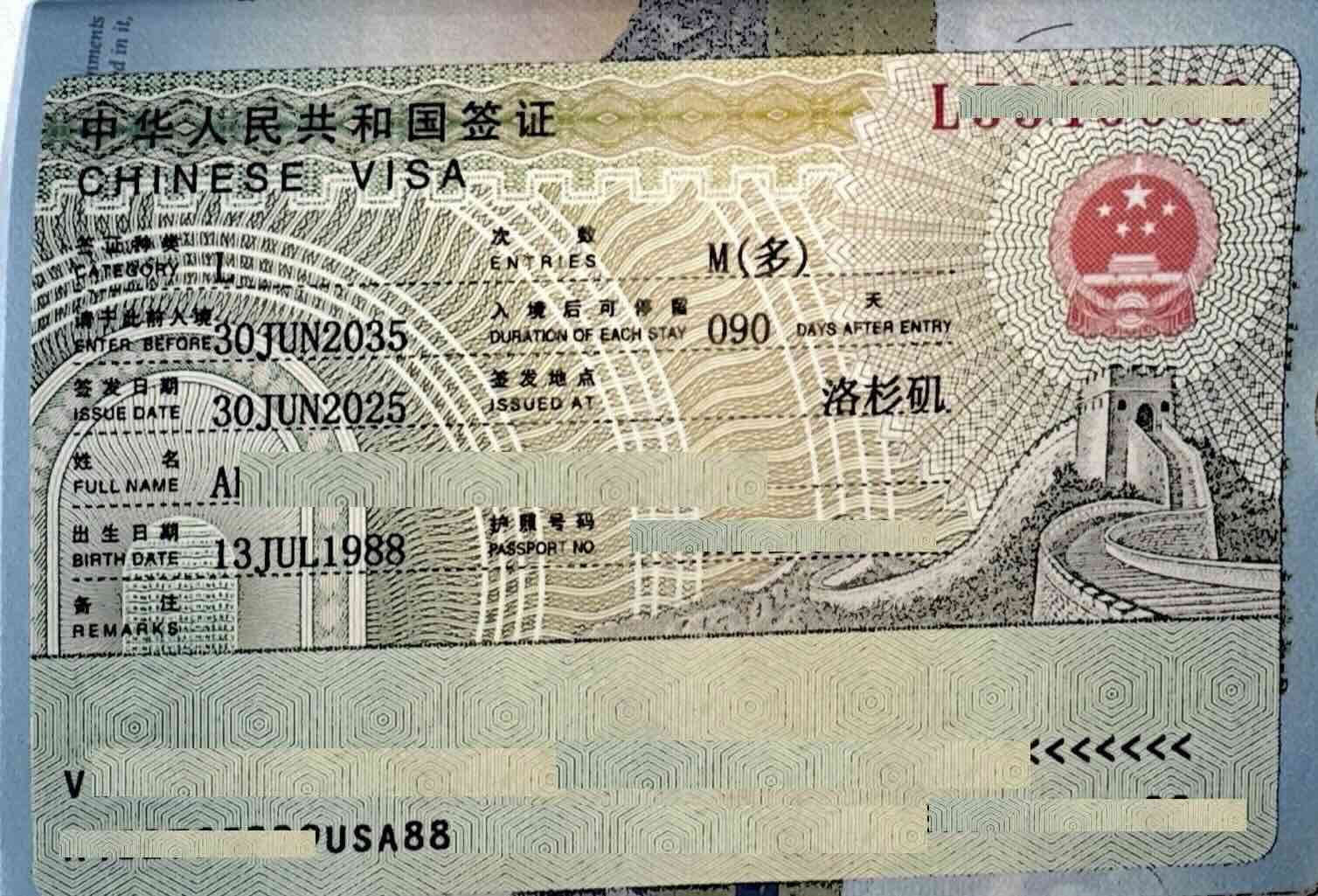
Entering from Nepal
If you travel from Nepal, you do not need to apply for a Chinese visa in advance in your home country. Instead, you will need a Chinese Group Visa (sometimes called the Tibet Visa or Tibet Group Visa), which can only be obtained from the Chinese Embassy in Kathmandu.
Currently, a minimum group size of 5 people is required (a rule introduced in late August 2018). If your group has fewer than 5 people, you can join with other travelers through your tour operator.
All members of the group must enter and exit Tibet together, as there will be only one group visa listing all participants’ names.
To apply, your tour operator must first obtain your Tibet Travel Permit and an official Invitation Letter from Tibet. This requires a scanned copy of your passport and takes about 20–30 days to process. Once complete, you can apply for your Chinese Group Visa in Kathmandu, which takes at least 3 working days.
Please note: Your itinerary must be fixed before applying for the Tibet Travel Permit. All destinations you will visit will be listed on the permit, and you cannot travel to locations not listed.
2. Choosing a Tour Operator for Tibet
There is no single correct answer — it depends on your needs. However, here are important tips:
-
Choose a local Tibetan-owned tour operator when possible. If not, ensure your guide is Tibetan for deeper cultural insight.
-
Check reviews on platforms like Lonely Planet forums or TripAdvisor.
-
Consult Tibetan guidebooks, which often list Tibet-based agencies.
-
Compare prices but avoid the cheapest option — very low prices often mean compromises in service or quality.

3. Acclimatizing to High Altitude
Above 2,700 meters, it’s best to ascend no more than 500 meters per day. In Tibet, this is not always possible, so a reasonable approach is to spend the first few days in Lhasa (3,650 m) before traveling higher.
To reduce the risk of altitude sickness:
-
Ascend slowly
-
Drink plenty of water
-
Eat light meals
-
Stay warm
-
Avoid going out immediately after evening showers
For the safest acclimatization, consider arriving in Xining (2,200 m), staying one night, and taking the train to Lhasa.
4. How to Get to Tibet
a. By Train
Trains to Lhasa are available from cities like Beijing, Shanghai, Chengdu, and Xining. Xining is recommended for better acclimatization and more available tickets. Tickets are released online 1 month before departure, and you need your passport and a copy of your Tibet Travel Permit to collect them.
b. By Flight
Flights are available from major cities including Beijing, Shanghai, Xi’an, Chengdu, Guangzhou, and Xining. Chengdu often offers the cheapest fares. Your original Tibet Travel Permit is required for boarding and will be delivered to your hotel in China.
5. Best Time to Visit Tibet
The best months are May, June, September, and October. July and August are warmer but rainy. Spring offers the best mountain and lake views.
February is festival season in Amdo Tibet, with events such as the Grand Prayer Festival, Cham dance, and nomad parades.
6. Basic Customs & Greetings in Tibet
-
Walk kora (pilgrimage circuits) clockwise.
-
Dress modestly in monasteries (no shorts or slippers).
-
Follow monastery rules (e.g., no photography in certain areas).
-
Use two hands when receiving gifts.
-
Do not touch Tibetans on the head.
-
Ask permission before taking close photos of locals.
Useful greetings:
-
Tashidelek – “Hello” (common in all of Tibet)
-
Demo – “Hello/Goodbye” (used mainly in Amdo Tibet)

.jpg "amdo monlam festival tour")