Hiking and trekking are among the most rewarding outdoor activities in the Himalayan region, especially in Tibet and Nepal. The Himalayas offer some of the world’s most stunning routes, from the Mount Kailash trek to the Everest Base Camp and Annapurna trails, drawing thousands of trekkers from across the globe each year.
But unlike casual hikes at lower altitudes, Himalayan trekking presents unique challenges. Most routes start at 3,000 m (9,840 ft) and can climb well beyond 4,000 m (13,123 ft). For beginners, or even experienced hikers, success depends on physical preparation, mental readiness, and an understanding of high-altitude conditions.
This guide will help you prepare your body and mind for a safe and enjoyable trekking experience in Tibet, Nepal, and other parts of the Himalayas.
Before you start hiking or trekking, you should make sure your body is ready for the challenge. Proper pre-trip training will not only make your hike more enjoyable, but can also protect you against injuries. These benefits apply whether you’re a beginner preparing for your first hike, or a veteran attempting a more ambitious trip anywhere in the highlands such as Tibet, Nepal, or Bhutan.
First Things First
Before you begin any training schedule, you need to make sure that your body is healthy enough to hike in high-altitude areas. Stressing your body beyond its limits can actually put you at greater risk.
Tell your doctor when you plan to start hiking or trekking in Tibet. He or she can give you guidance and encouragement, as well as more precise advice. You should also ask your doctor for a physical exam before undertaking any intensive training programs, especially if you’re over the age of 40 or have a history of heart or other health problems. A doctor can perform a stress test to identify hidden heart conditions or abnormalities. You should also address other issues like flat feet, allergies, or vertigo before you begin training.
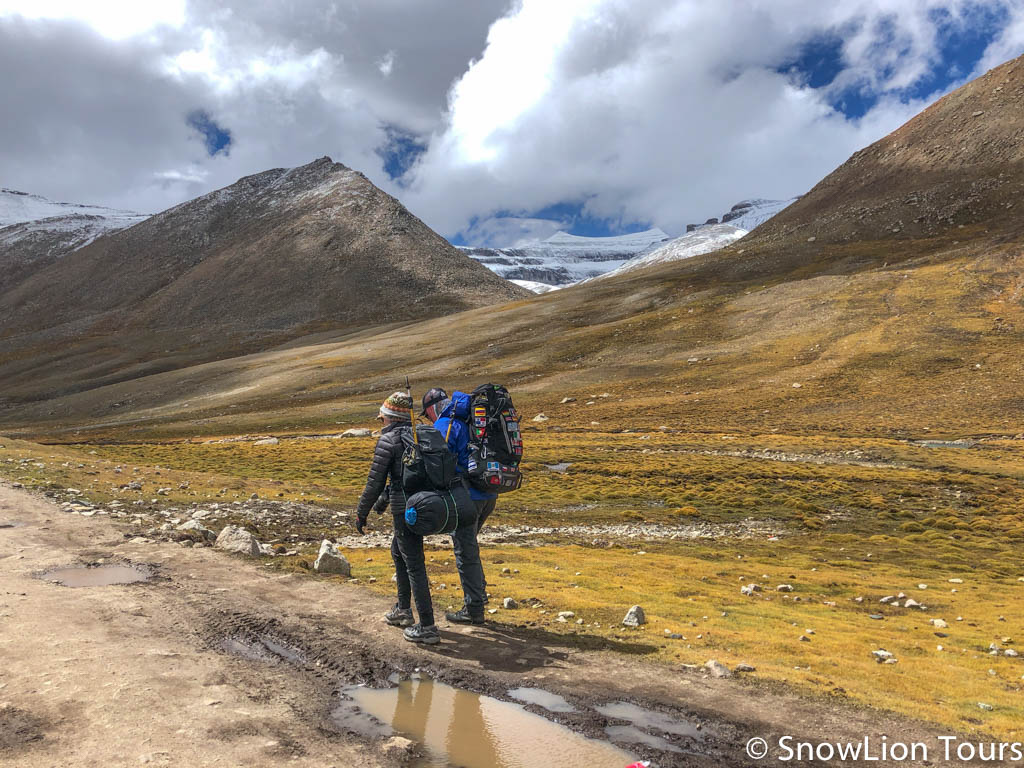
Tibet trekking
Basic Training
The easiest way to train for a hike is to add exercise to your daily routine. If fitness feels natural, you won’t even realize you’re working out. If you want to be a better hiker or trekker, your goal should be to condition your body to withstand the physical demands of multiple trail miles. Since all hiking is just a variation of walking, the best approach is to gradually increase the number of miles you walk each day.
To increase your daily walking mileage, start by incorporating some of the following activities into your schedule for 20–30 minutes a day, three times a week:
-
Take your dog for a walk instead of to doggy daycare or a park.
-
Run errands on foot instead of driving.
-
Take a walk during your lunch break or after dinner.
-
Opt for the stairs instead of the escalator or elevator.
-
Turn off your lawn mower’s self-propelling drive when cutting the grass.
-
Exit the subway or bus one stop early and walk the rest of the way.
-
Park far from the shopping center or grocery store.
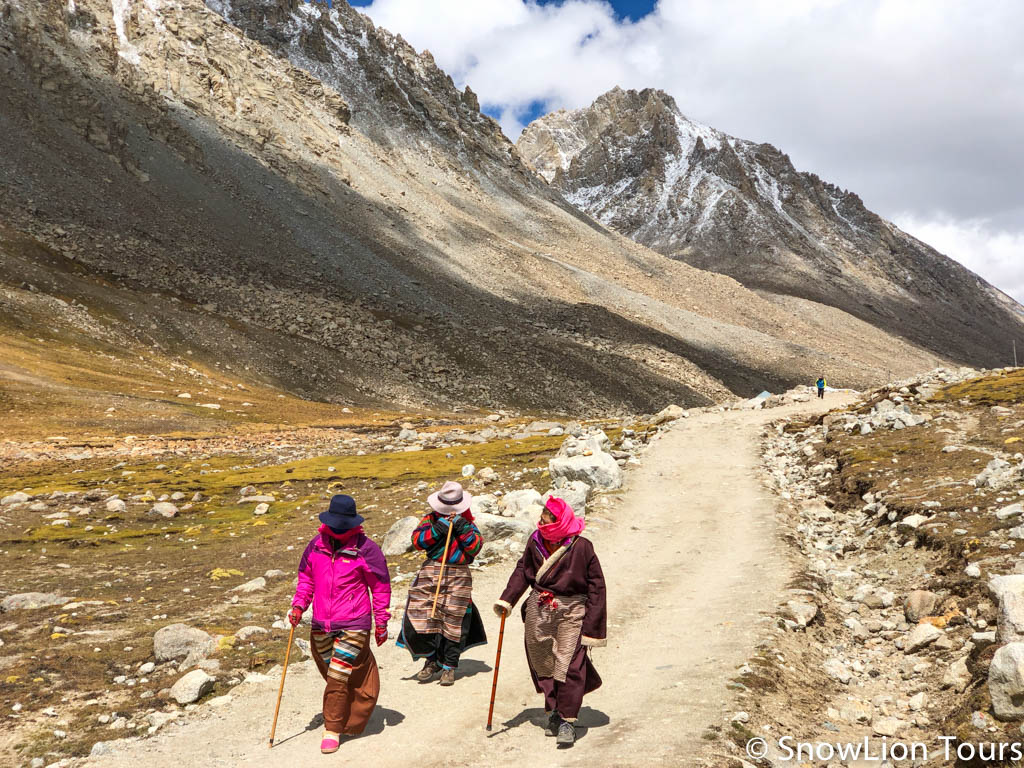
Tibet trekking
Training at the Gym
While strength training isn’t strictly necessary to become a better hiker or trekker, resistance workouts can help you develop specific muscles and joints. However, since hiking and trekking require endurance and flexibility rather than bulk and brute strength, heavy weightlifting isn’t the most effective approach. Big upper-body muscles won’t help much on the trail—unless you need to move a few boulders! Instead, focus on the muscle groups that propel you down the trail and carry your load—mainly your lower body and back.
Your Lower Body
Your hamstrings, quadriceps, and glutes—the major muscles in your legs—are often the limiting factor in how far you can hike. Strong legs will help you handle steep climbs, heavy packs, and long days on the trail. Try these three lower-body exercises to build strength:
-
Stair climber
-
Walking lunges
-
Box jumps
Your Back
Everything is connected to your back. If you’ve ever pulled a back muscle, you know what that means. The muscles in your torso are your body’s central pivot for walking, lifting, scrambling, jumping, and almost every kind of motion. For hikers, these muscles also keep a backpack secured to your body and help you stay balanced on steep trails. Try these exercises to build a strong foundation for all your on-trail movements:
-
Shoulder shrugs
-
Rowing machine
-
Back extensions
Tibet trekking
Training for Ups and Downs
Hiking or trekking always becomes harder when a trail goes from flat to sloped. Whether going up or down, uneven trails put more stress on your muscles and joints—especially your knees. Even steps and switchbacks, designed to ease elevation changes, can wear you out after dozens of repetitions. Training for ups and downs requires a combination of high-impact leg exercises and pulse-raising endurance workouts to simulate real trail conditions.
The Least You Need to Know
-
Before you begin any training program, see your doctor to make sure your body is healthy enough to trek or hike.
-
To improve hiking fitness, strengthen the muscles in your legs—hamstrings, quadriceps, and glutes—as well as your back.
-
Do aerobic exercise like running, cycling, or swimming to raise your heart rate into the training zone.
-
Stretch consistently during and after every workout, run, or hike.
-
Hiking can be enjoyed at any age if you follow training goals suitable for your group.
-
Pre-hike shakedowns allow you to test your gear and fitness under realistic trail conditions.
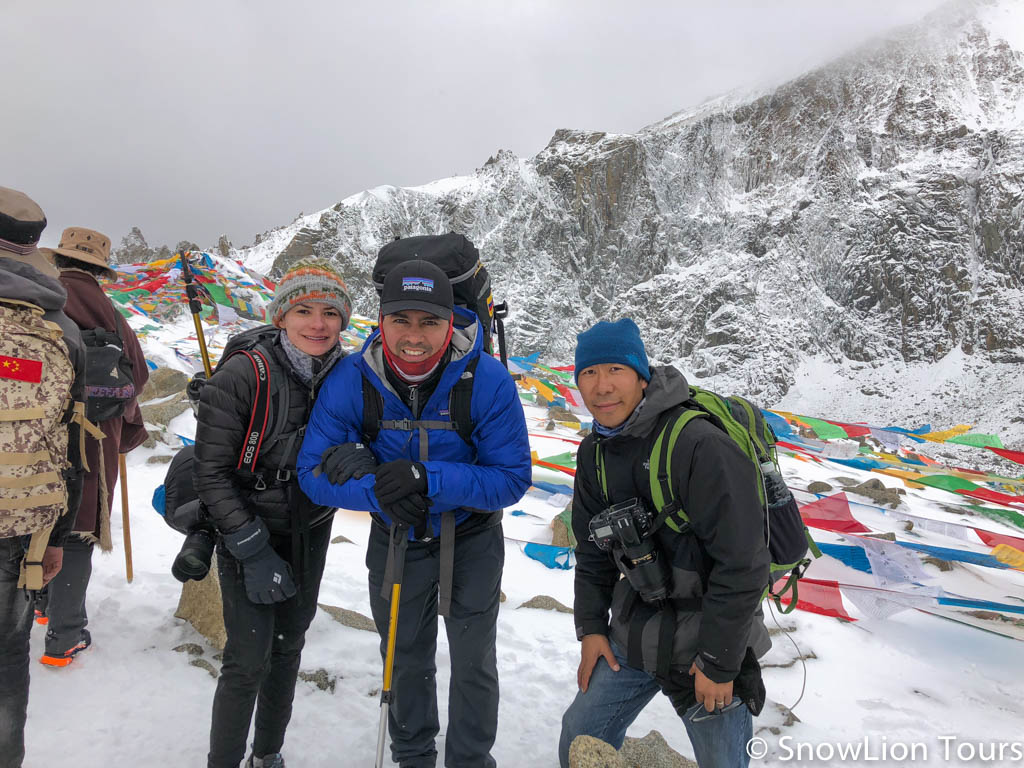
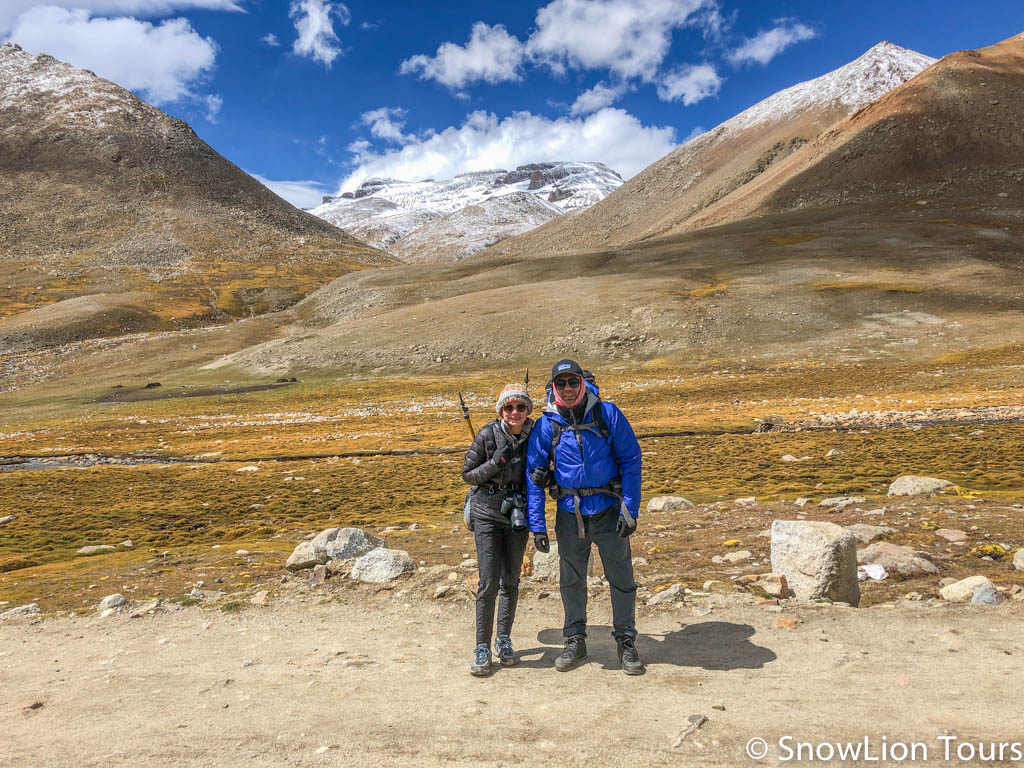
SnowLion Tours General Manager with our clients at Dolma La Pass during the Mt. Kailash Kora
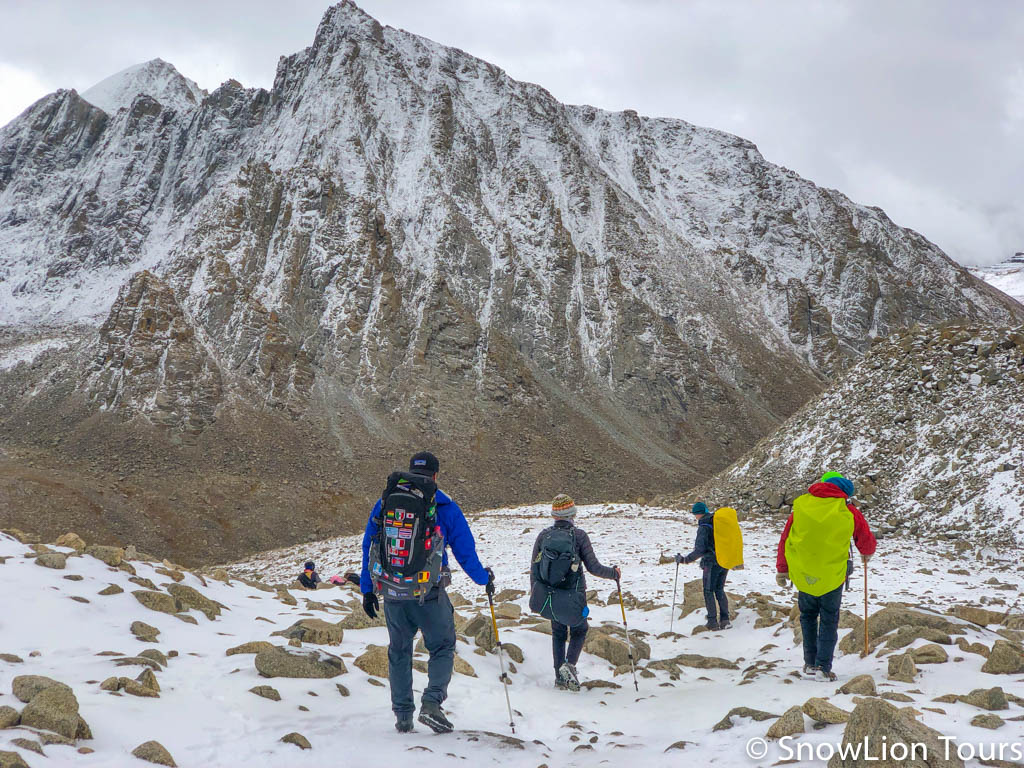
We lead both short and long hikes and treks in Tibet. Our day trips include hikes to nearby monasteries, mountains, and lakes. Our longer treks, which can last from two days to more than twenty, include camping with nomads, hiking through national parks, circumambulating Mount Kailash and Manasarovar Lake, horse and yak trekking, walking to Everest Base Camp, and searching for wild animals, birds, and flowers. If you are interested in any of our trekking tours, please take a look at our Himalayan Trekkings.
Tibet trekking
Famous Himalayan Trekking Routes
Tibet Treks
|
Destination |
Altitude Range |
Typical Duration |
|---|---|---|
|
Mount Kailash Trek |
4,000–5,600 m |
3 days |
|
Tibet Everest Base Camp Trek |
3,900–5,200 m |
4 days |
|
Karta Trek |
3,700–5,200 m |
8–12 days |
|
Ganden to Samye Trek |
3,000–4,200 m |
4 days |
|
Tsurphu to Yangpachen Trek |
3,700–4,100 m |
4 days |
|
Mount Amnye Machen Trek (Amdo) |
3,800–4,900 m |
4–8 days |
Nepal Treks
|
Destination |
Altitude Range |
Typical Duration |
|---|---|---|
|
Everest Base Camp Trek |
2,800–5,364 m |
12–14 days |
|
Annapurna Circuit Trek |
800–5,416 m |
12–18 days |
|
Annapurna Base Camp Trek |
1,070–4,130 m |
7–12 days |
|
Langtang Valley Trek |
1,500–4,984 m |
7–10 days |
|
Manaslu Circuit Trek |
700–5,106 m |
14–18 days |
|
Upper Mustang Trek |
2,800–4,200 m |
10–14 days |
|
Ghorepani Poon Hill Trek |
1,070–3,210 m |
4–6 days |




.jpg "amdo monlam festival tour")