The Kathmandu Valley, often described as the cultural heart of Nepal, is a destination where ancient history, vibrant traditions, and natural beauty converge. Nestled at an altitude of around 1,400 meters, the valley is surrounded by green hills and guarded by the mighty Himalayas in the distance. For travelers, it offers an inspiring blend of UNESCO World Heritage sites, colorful festivals, and opportunities to experience the daily life of the Newars, the valley’s original inhabitants.
Kathmandu Valley is home to three historic cities—Kathmandu, Patan (Lalitpur), and Bhaktapur—each with its own charm and identity. The Durbar Squares of these cities are filled with intricately carved wooden palaces, pagoda-style temples, and stone courtyards that showcase centuries of artistry. Walking through these old towns feels like stepping back into a living museum where tradition continues to shape daily life.
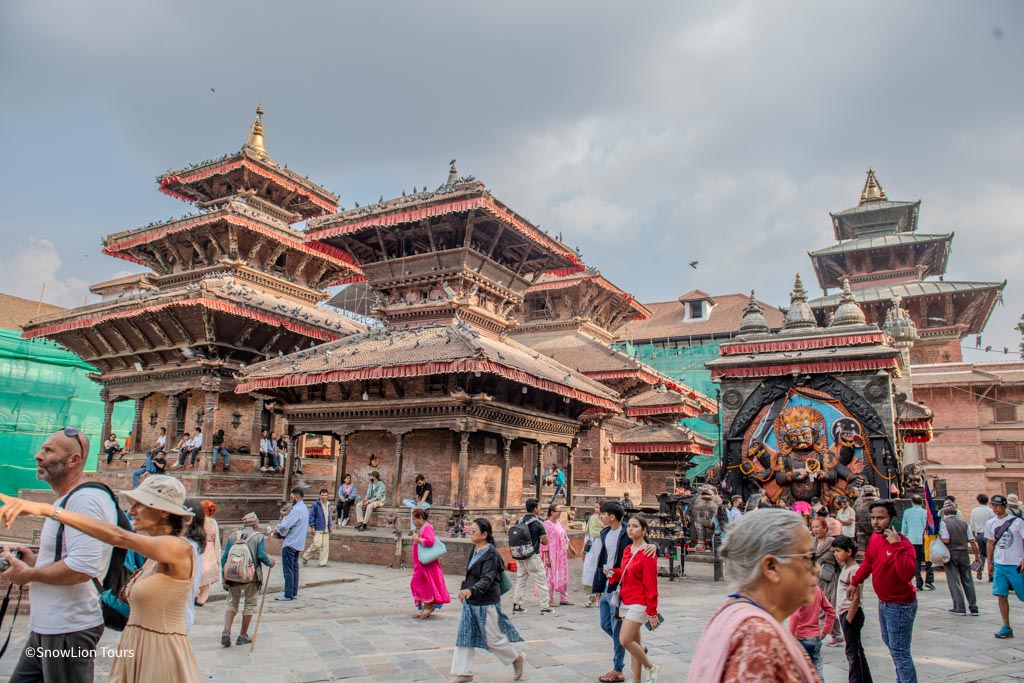
Durbar Square, Kathmandu, Nepal
Sacred Sites and Spiritual Journeys
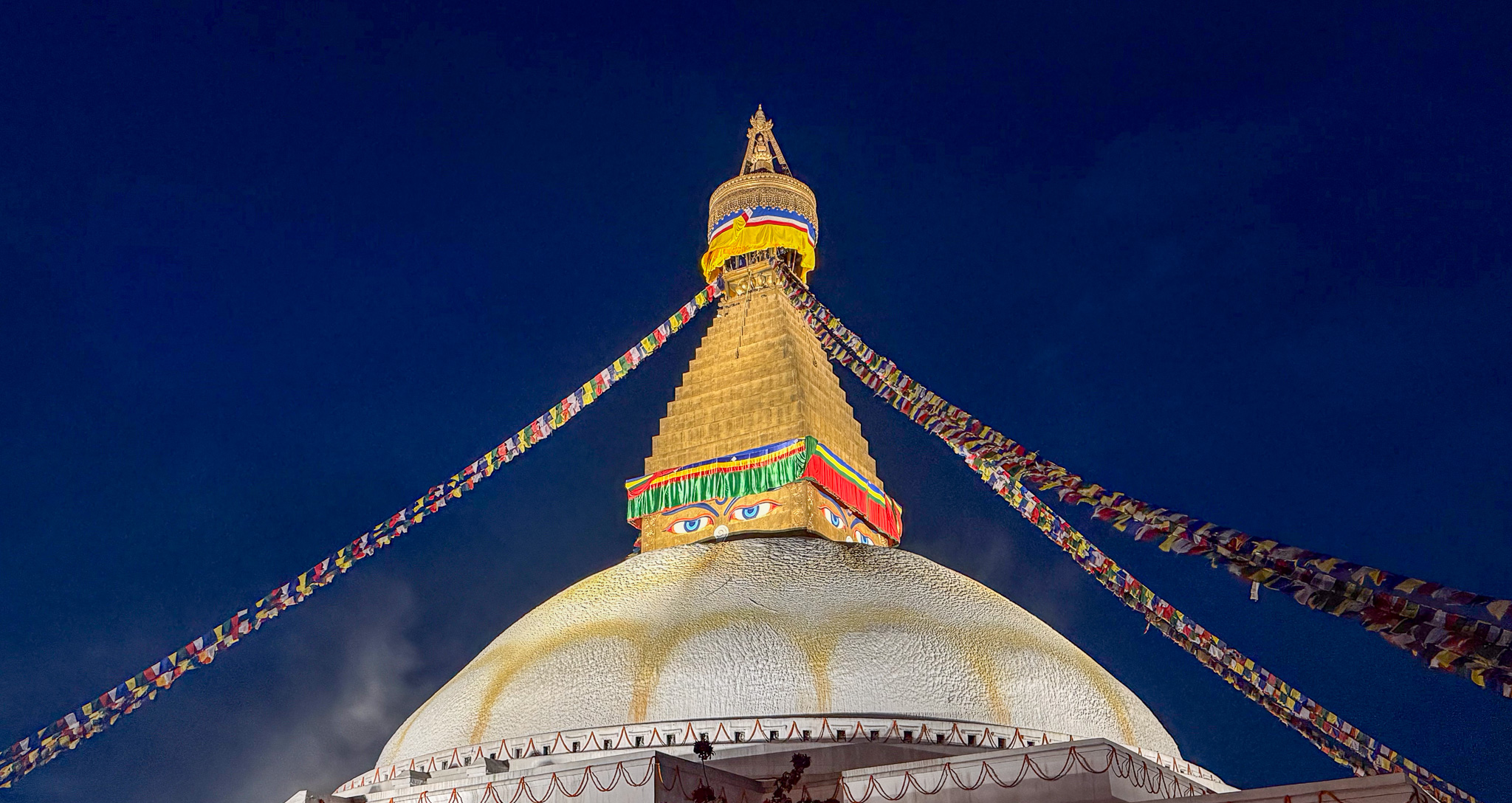
For pilgrims and seekers, the valley is one of South Asia’s great spiritual hubs. The majestic Swayambhunath Stupa(also known as the Monkey Temple) overlooks the city, while the white dome of Boudhanath Stupa draws Buddhist practitioners from around the world. Hindu devotees gather at Pashupatinath Temple, a sacred site on the banks of the Bagmati River. These sacred places are not just for worship but are also deeply woven into Nepal’s festivals, rituals, and community gatherings.
Local Life and Living Traditions
Beyond the monuments, travelers will find the valley alive with traditions. Early mornings bring bustling markets where locals shop for fresh produce and offerings for the shrines. Throughout the year, festivals like Indra Jatra, Bisket Jatra, and the Buddhist Lhosar fill the streets with music, dance, and vibrant displays of faith. Handicraft workshops—metal casting, wood carving, and thangka painting—continue to thrive, offering visitors a chance to learn from artisans.
Nature at the Edge of the City
Though known for its cultural riches, the Kathmandu Valley is also a gateway to nature. A short drive from the city brings you to terraced fields, forested trails, and quiet hilltop villages. Nagarkot and Dhulikhel offer panoramic views of the Himalayas, while Shivapuri National Park provides refreshing hikes through lush greenery.
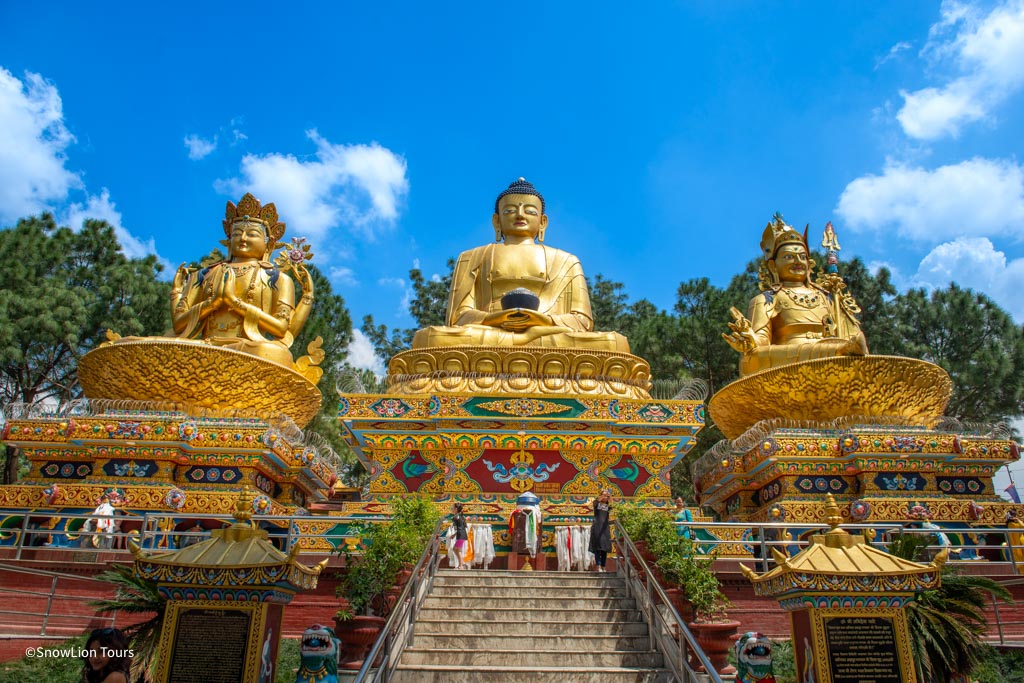
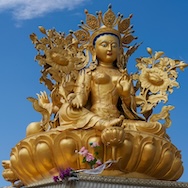
The three large statues at the foot of Swayambhunath.
Practical Travel Tips
-
Best Time to Visit: Autumn (September–November) and spring (March–May) offer clear skies and pleasant weather.
-
Getting Around: Taxis and ride-hailing apps are widely available, but walking through the historic centers is the best way to soak in the atmosphere.
-
Cultural Etiquette: Respect local customs at temples—remove shoes before entering and dress modestly.
-
Experiences to Try: Join a cooking class to taste Newari cuisine, take part in a morning kora (circumambulation) around Boudhanath, or enjoy a rooftop view of Kathmandu’s lively streets.
A Living Heritage
Traveling to the Kathmandu Valley is not just about seeing monuments; it’s about experiencing a living culture that has endured for centuries. From ancient shrines to vibrant street life, the valley invites travelers to slow down, explore deeply, and connect with the spirit of Nepal.


.jpg "amdo monlam festival tour")