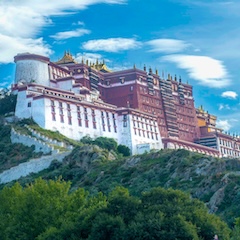
Kathmandu to Mount Kailash Tour
This Kathmandu to Mount Kailash tour is a direct 10-day pilgrimage route for travelers who want to reach Lake Manasarovar and complete the sacred three-day Kailash kora trek. The journey begins in Kathmandu, crosses the Nepal-China / Tibet border at Kyirong, and continues across western Tibet toward Mount Kailash. SnowLion Tours arranges the required Tibet travel permits, local guide, Kathmandu-to-border transfers, Tibet-side transport, hotels or guesthouses, and practical support for this high-altitude pilgrimage.
October Group Departure at a Glance
- Departure: October 16-25, 2026 from Kathmandu
- Duration: 10 days on the main Kailash route, with recommended arrival and buffer days in Kathmandu
- Price: US$2,350 per person
- Route: Kathmandu – Kyirong – Saga – Lake Manasarovar – Darchen – Mount Kailash kora – Kathmandu
- Included support: Tibet travel permits, local Tibetan English-speaking guide, Kathmandu-to-border transfer, private vehicle in Tibet, hotels or guesthouses, and entrance tickets
- Best for: travelers who want a direct Mount Kailash and Lake Manasarovar pilgrimage from Nepal with the three-day Kailash kora included
Questions about the October 16-25 Kathmandu to Mount Kailash group tour? Email us at info@snowliontours.com or use the contact form on this page.
Why Choose This 10-Day Route
This tour is best for travelers who want a focused Mount Kailash pilgrimage from Kathmandu. Compared with longer western Tibet routes starting from Lhasa, this itinerary keeps the attention on the overland journey, Lake Manasarovar, acclimatization in Kyirong, and the Mount Kailash kora. It is a good option if your main goal is the sacred circumambulation of Kailash and you prefer a shorter group tour schedule.
Route Overview
The route travels from Kathmandu to the Nepal-China / Tibet border, then continues through Kyirong, Saga, Lake Manasarovar, and Darchen before starting the Mount Kailash trek. The return journey follows the overland route back toward Kyirong and Kathmandu. The exact border process and driving times can change depending on road, weather, and local regulations.
Kailash Kora and Altitude
The three-day Kailash kora is the most important part of the journey. It includes long walking days, cold weather, simple accommodation, and the high Dolma La pass at 5,620 meters. The itinerary includes acclimatization time before the kora, but travelers should still prepare with regular walking or hiking and speak with a doctor if they have heart, lung, or altitude-related concerns.
Permits and Group Logistics
Foreign travelers need a Tibet Travel Permit and additional permits for the Mount Kailash area. SnowLion Tours arranges the required Tibet-side permits after receiving the traveler documents needed for the application. Because this is a fixed-date group tour, travelers should confirm passport, flight, and arrival details early.
If you want a longer western Tibet route with the Guge Kingdom, compare our Kathmandu – Mount Kailash – Kathmandu itinerary. You can also view all Tibet group tours or read about Tibet Travel Permits.
Itinerary:
October 14: Arrival in Kathmandu
You may arrive in Kathmandu at any time, but no later than this date. Upon request, we can meet you at the airport and arrange a transfer to your hotel.
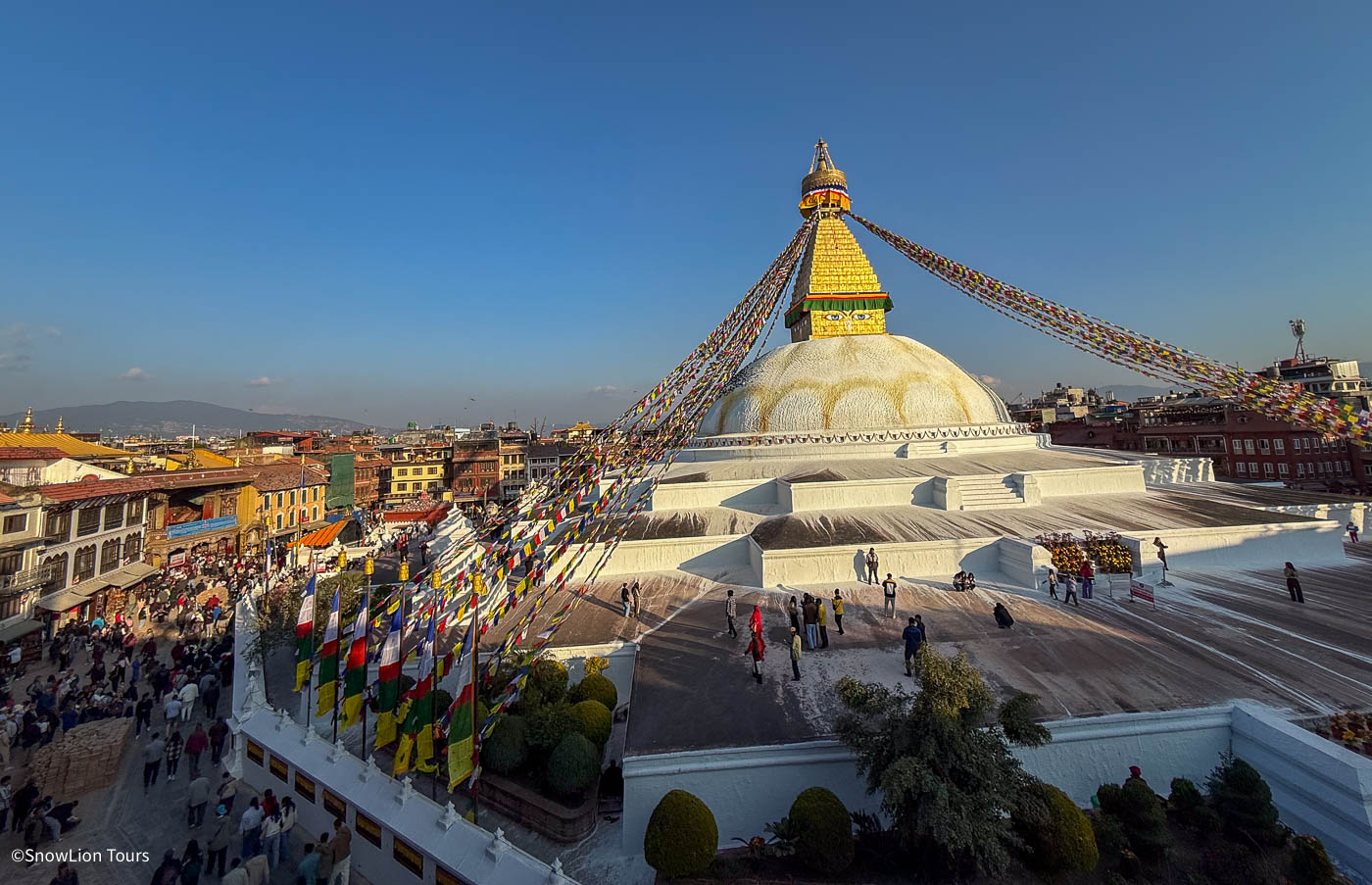
October 15: Kathmandu
Free day in Kathmandu. This is a buffer day in case of international flight delays.
October 16 / Day 1: Kathmandu [1,400 m] – Kyirong [2,300 m]
In the morning, your group departs from Kathmandu heading northeast toward the Nepal–Tibet border. The roughly 200 km journey gradually ascends into the mountains. Along the way, you will see Langtang National Park, snow-covered peaks, cultivated fields, and villages of the Rasuwa people. After crossing the border, you will be met by your Tibetan guide and driver and transferred to the town of Kyirong, located on the banks of the Kyirong Tsangpo River in a beautiful Himalayan valley. On both sides of the border, the scenery features pastures, forests, and waterfalls. Overnight at a hotel. Sightseeing includes a cave where Padmasambhava meditated and Pakpa Monastery.
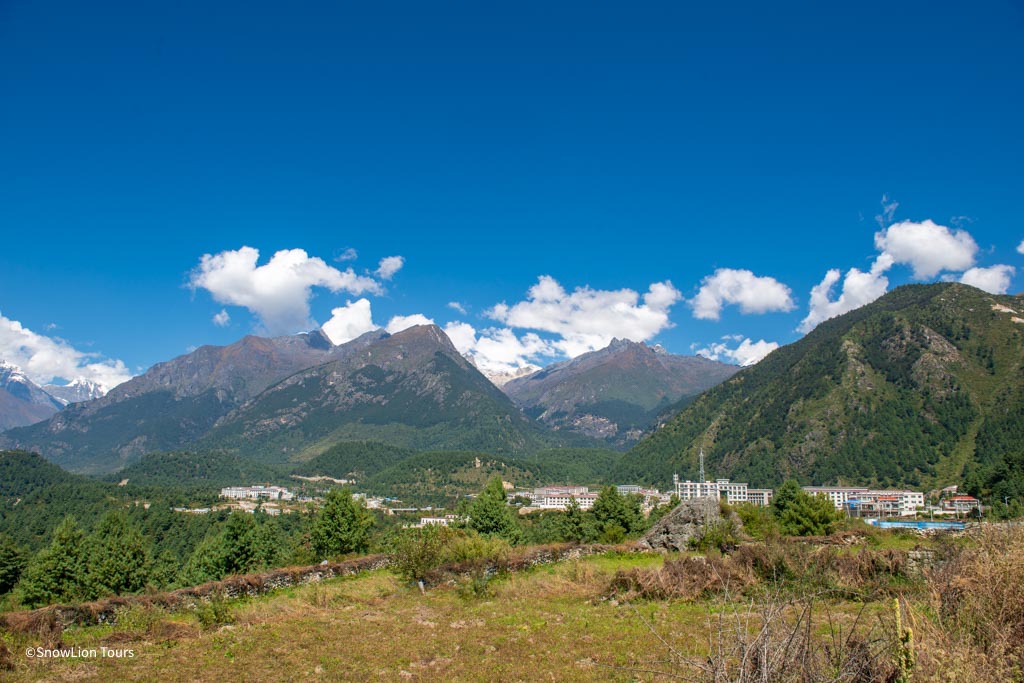
Kyirong town in Tibet
October 17 / Day 2: Kyirong Exploration and Acclimatization [3,950 m]
The entire day is spent in Kyirong for altitude acclimatization. Kyirong is one of the most beautiful regions of Tibet, known for its alpine landscapes, waterfalls, and rivers. It is one of four regions that form part of the Everest National Nature Reserve. Historically, it was a favored meditation area for great masters, including the Indian teacher Atisha and the Tibetan yogi Milarepa. Milarepa’s songs are still sung here, and there is also a monastery dedicated to him. You will take short walks and light hikes in the surrounding mountains to acclimatize and prepare for the Kailash kora. You will also visit an important pilgrimage site—Drakar Taso (if permits), the cave where Milarepa meditated.
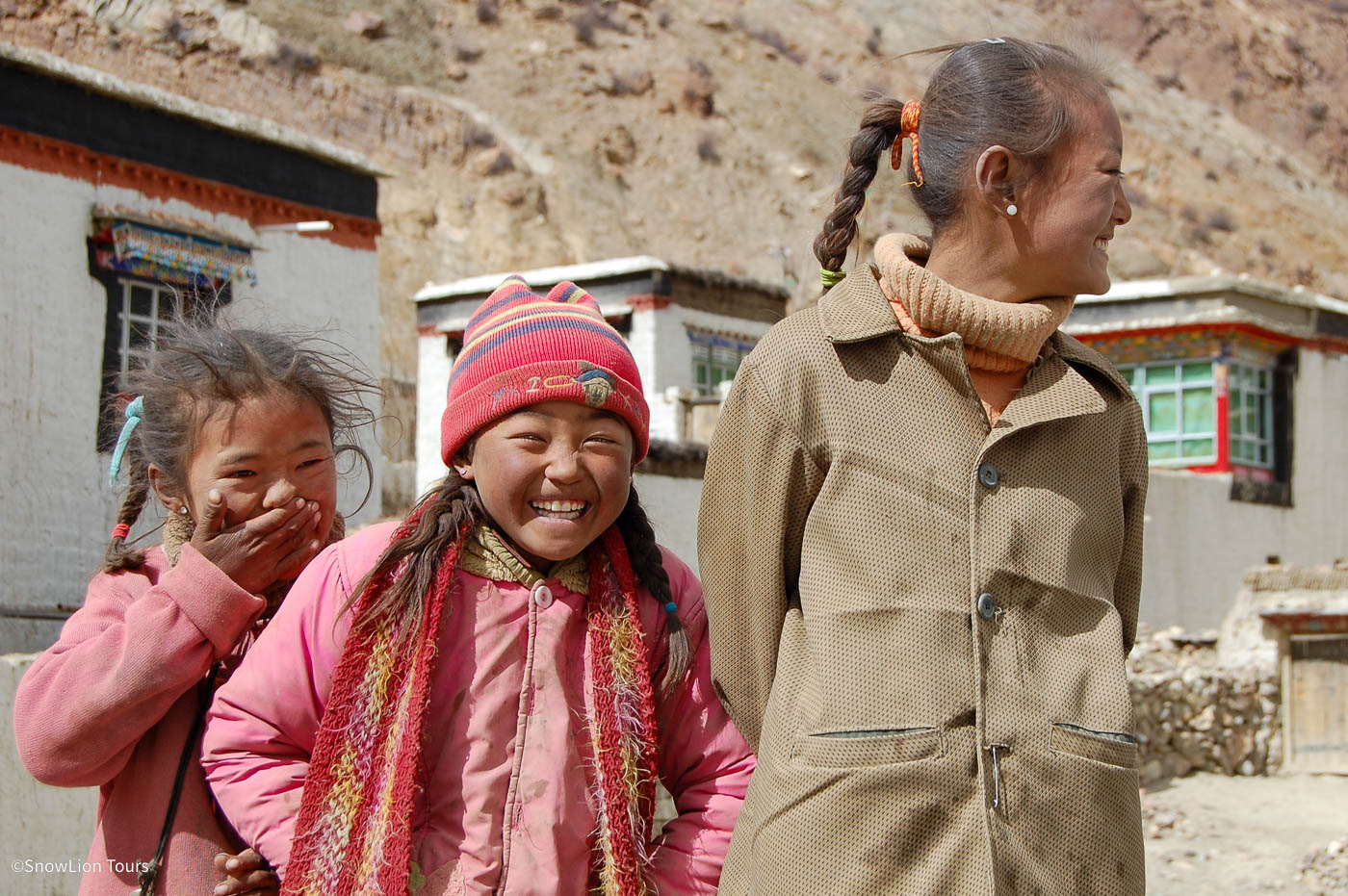
October 18 / Day 3: Kyirong – Saga [4,450 m]
Drive into one of the most remote regions of Tibet. Along the way, you will see small lakes and nomadic camps with herds of yaks and sheep. In the afternoon, arrive in Saga, a small settlement near the Yarlung Tsangpo (Brahmaputra) River. Overnight in Saga.
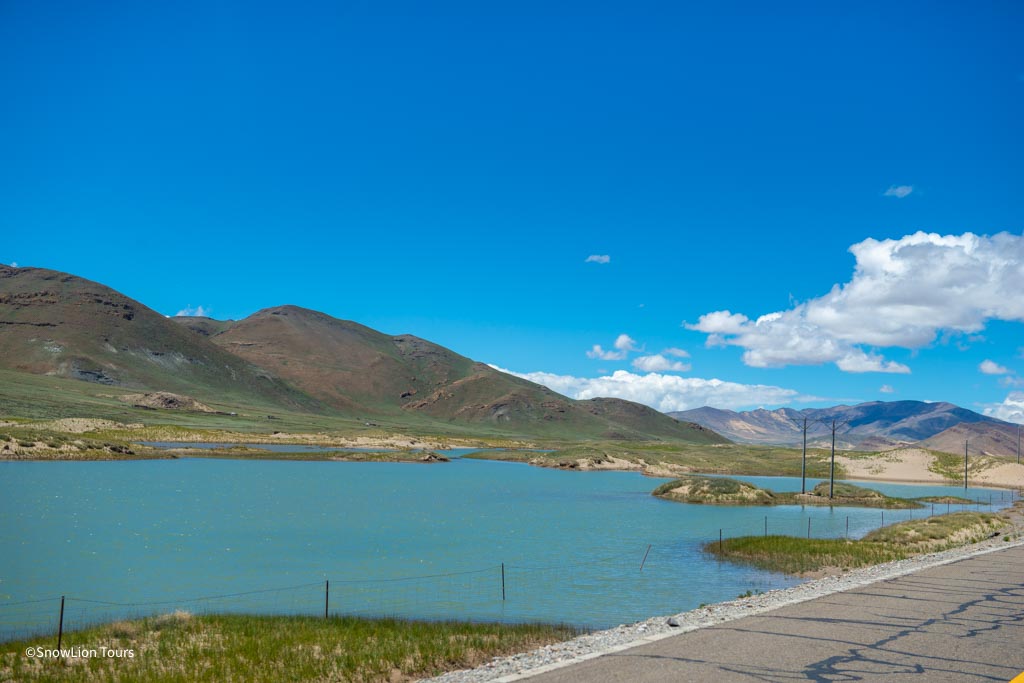
A lake at the road side on the way to Mount Kailash.
October 19 / Day 4: Saga – Paryang [4,700 m] – Manasarovar [4,558 m]
Traveling through the valley, you will enjoy magnificent views of mountain peaks and wide plains where nomads graze their herds. As you continue southwest, the landscapes gradually change into sandy dunes, rocky mountains, and snow-covered peaks. Depending on the season, nomads and itinerant traders wear colorful traditional clothing. Lunch stop in Paryang, considered one of the highest towns in the world, where the sky feels so close it seems you could touch it. The town has several Tibetan and Chinese restaurants and small shops selling snacks and drinks.
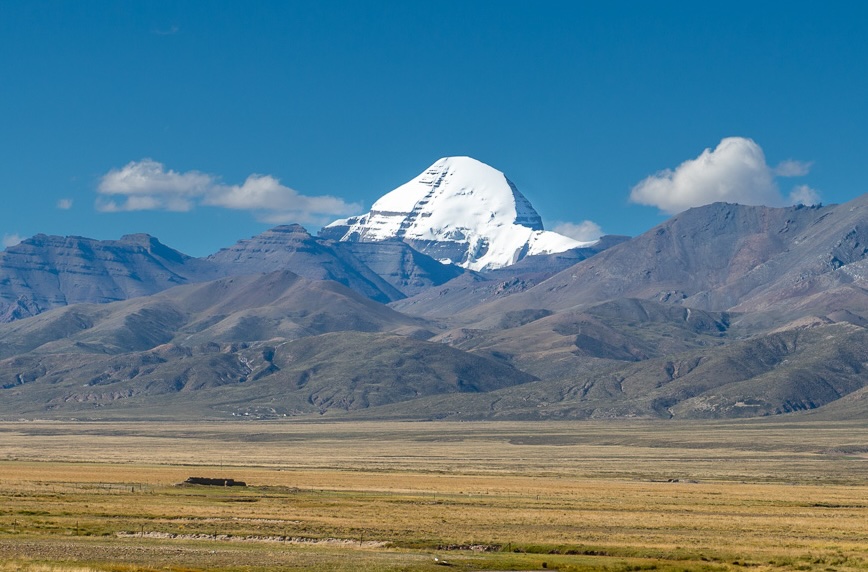
By evening, arrive at Lake Manasarovar, one of the highest freshwater lakes in the world. This turquoise lake is home to fish and swans. Tibetans regard it as sacred and call it “Mapham Tso,” the Invincible Lake. Manasarovar is also sacred to Hindus. Around the lake are two sacred mountains—Kailash and Gurla Mandhata—and Lake Rakshastal. On a hill by the lake stands Chiu Monastery, an ancient monastery of the Drukpa Kagyu school. When Guru Rinpoche (Padmasambhava) brought Buddhism from India to Tibet, he spent 55 years in the Land of Snows. Before leaving Tibet, he meditated for a week in a cave near Lake Manasarovar, where Chiu Monastery was later built. Nearby are hot springs where visitors may bathe. A few kilometers from Manasarovar lies Lake Rakshastal, crescent-shaped and usually windy and overcast. Its waters contain no fish or vegetation. Locals consider it a dark, negative, and unknown aspect of consciousness.
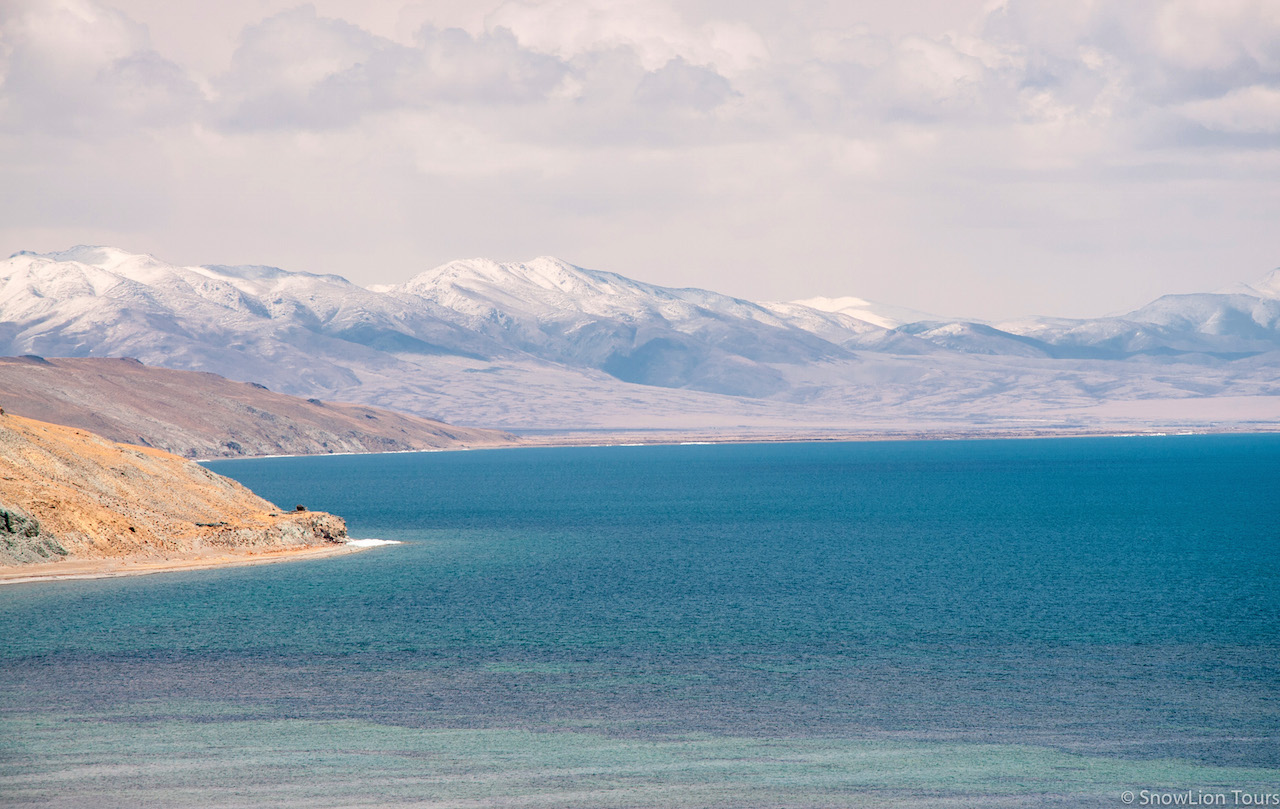
Lake Manasarovar
October 20 / Day 5: Manasarovar – Tirthapuri – Darchen [4,575 m]
In the morning, drive to Tirthapuri (if permits), an important sacred site of Western Tibet that many pilgrims visit before beginning the Kailash kora. Tirthapuri Monastery stands on a cliff near famous hot springs and the Vajravarahi Cave, where Padmasambhava and his consort Yeshe Tsogyal meditated in the 8th century. You will have time to perform a kora around the monastery (about one hour), passing other caves and stupas, and at the end of the route there is a rock with a so-called “karma-testing hole.”
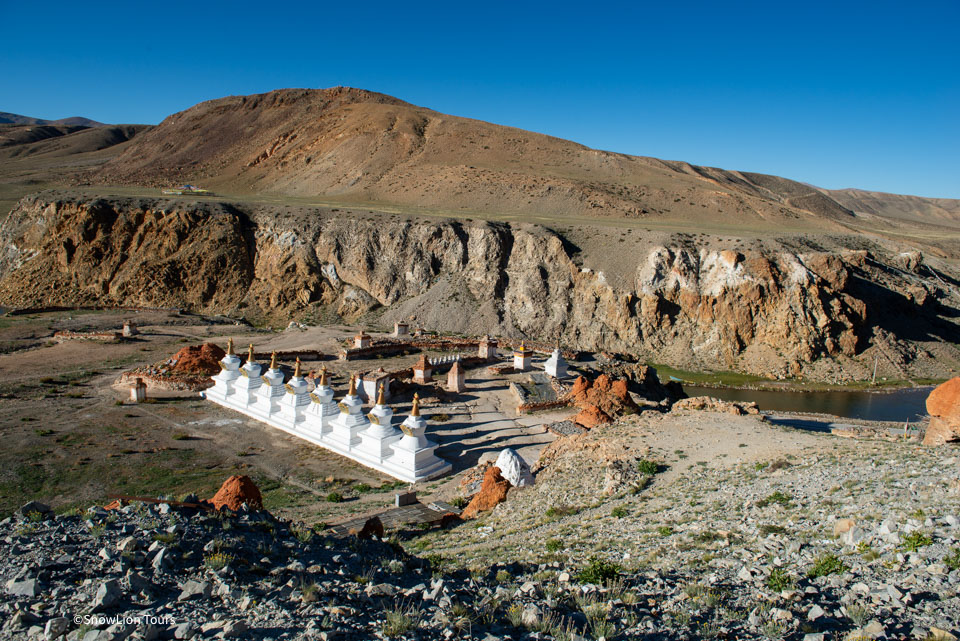
If weather and road conditions allow, you may also visit another ancient and mystical place—the Garuda Valley and the ruins of ancient Zhangzhung, the kingdom of the pre-Tibetan Bon religion. The Garuda Valley and the ruins at Kyunglung attract adventurers and seekers from around the world with their mystery, remoteness, and history. Toward evening, continue westward through colorful mountains and the world’s last deposits of white clay, around 1,100 years old. Overnight in a village near the ancient ruins of the Guge Kingdom.
October 21 / Day 6: First Day of the Kailash Kora – to Dirapuk Monastery
The full circumambulation around Mount Kailash is 53 km. The first day is relatively easy. The trail passes the “Cemetery of the 84 Mahasiddhas,” then, on the left slope of the mountain, stands Chuku Monastery of the Kagyu school, which houses a conch shell of the Buddhist master Naropa. In the afternoon, arrive at Dirapuk Monastery, where you will stay overnight.
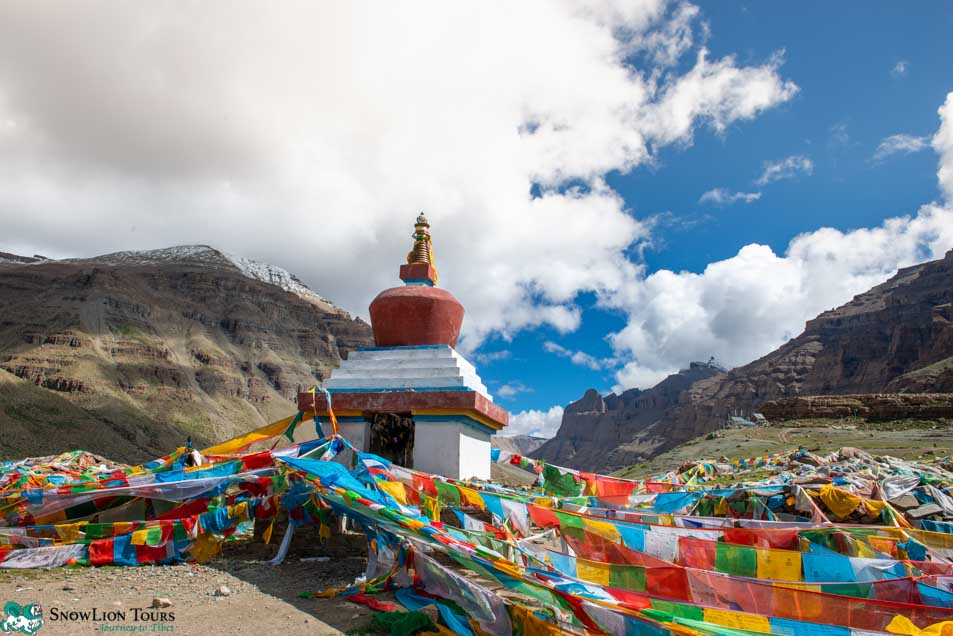
First day of Mount Kailash
The monastery preserves the cave of Gotsangpa (a lama of the Drikung Kagyu lineage), who was led there by the goddess Senge Dongma, appearing in the form of a female yak, to save him from a severe storm. Dirapuk faces the north face of Mount Kailash, offering a powerful and majestic view. Across the northern slope, Hindus pray to Shiva, believing Kailash to be his abode and the peak a manifestation of Mount Meru, the cosmic mountain at the center of the universe. Buddhists regard Kailash as the abode of Buddha Shakyamuni in the form of the wrathful deity Chakrasamvara, a central figure of Highest Yoga Tantra in Vajrayana Buddhism. Overnight in a monastery guesthouse.
October 22 / Day 7: Second Day of the Kailash Kora – Dolma La Pass [5,650 m] – Zutulpuk Monastery
The most challenging day of the kora, as you cross Dolma La Pass (5,637 m). Buddhists believe that those who reach the pass are purified of sins and negative karma, beginning a new life filled with meaning and awareness. At the pass, you will hang prayer flags, make offerings, and pray for the happiness of all sentient beings.
The trail then descends to Zutulpuk Monastery, whose name means “Cave of Miracles.” This is the cave where Milarepa meditated, leaving impressions of his shoulders and upper back on the rock. The site also bears footprints of Padmasambhava, Yeshe Tsogyal, King Gesar, and his horse. Overnight in a monastery guesthouse.
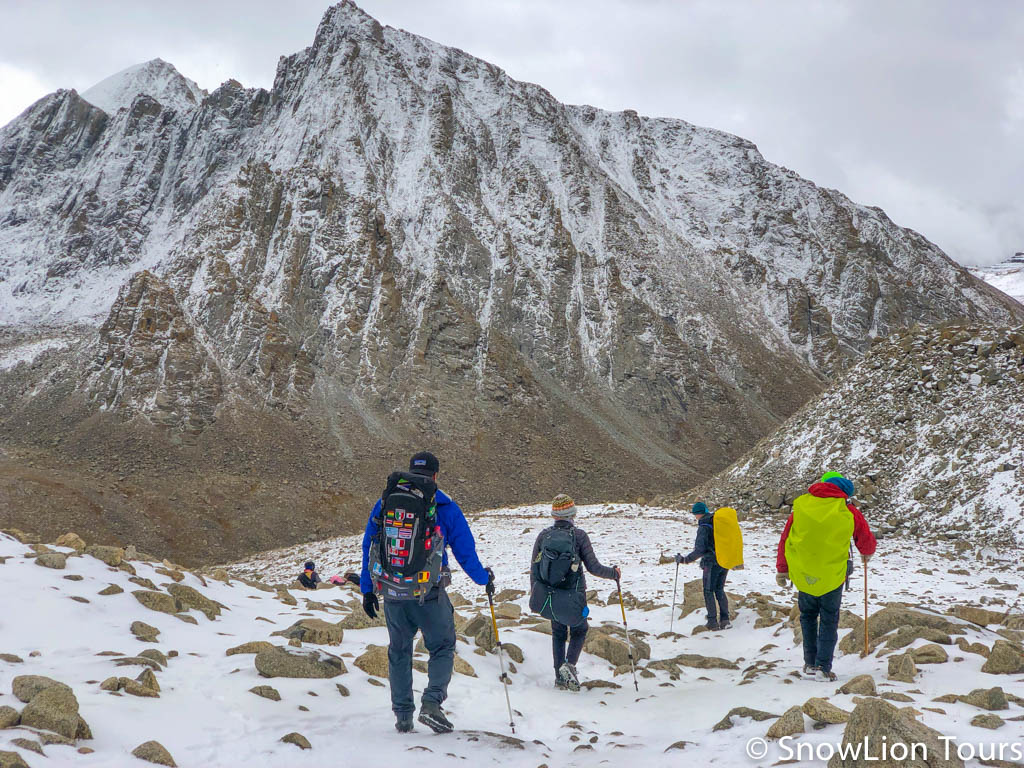
Tibet trekking
October 23 / Day 8: Third Day of the Kailash Kora – View of Mount Naimona’nyi – Saga
The day begins with a walk along one of the cleanest rivers you are ever likely to see. The path is gentle and lush with vegetation. At the end of the valley, before turning right, a breathtaking view opens onto the snow-covered peak of Mount Naimona’nyi (7,728 m). After completing the kora around Mount Kailash, drive to Saga to begin the return journey.
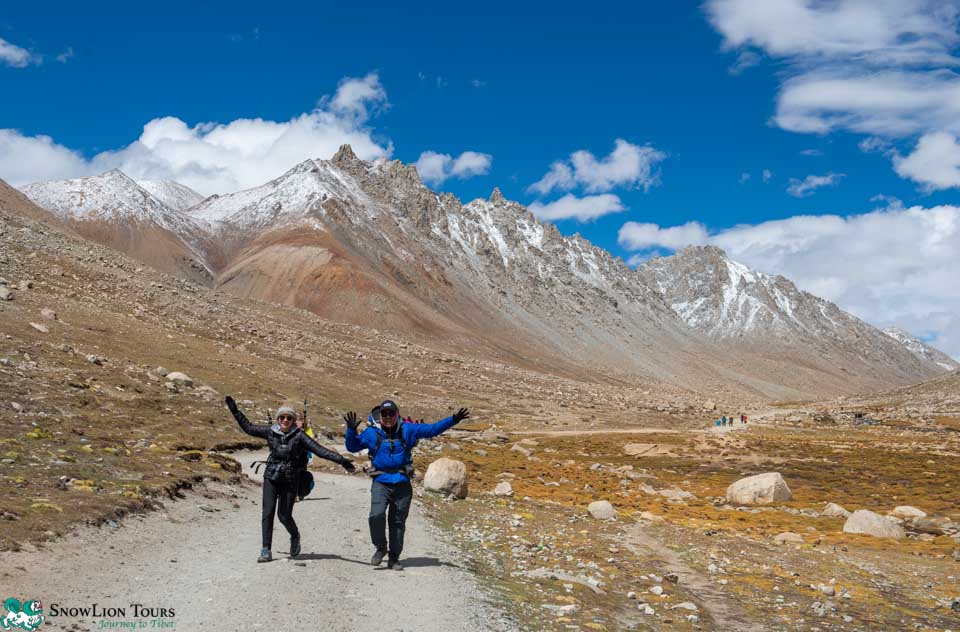
October 24 / Day 9: Saga – Kyirong
On the way to the Nepalese border, you will enjoy spectacular views of the Himalayan range, including some of the world’s highest peaks—Lhotse (8,516 m), Makalu (8,485 m), Cho Oyu (8,201 m), Shishapangma (8,027 m), and others.
October 25 / Day 10: Kyirong – Nepal-China / Tibet Border – Rasuwagadhi – Kathmandu
At the border, you will say farewell to your Tibetan guide and driver. On the Nepalese side, your Nepali driver will meet you and transfer you to Kathmandu, arriving in the Nepalese capital late in the evening.
Frequently Asked Questions
How many days is this Kathmandu to Mount Kailash tour?
The listed group route is 10 days from Kathmandu to Mount Kailash and back, with extra arrival and buffer days shown in the itinerary.
Does this tour include Lake Manasarovar?
Yes. The route includes Lake Manasarovar before continuing toward Darchen and the Mount Kailash kora.
Is the three-day Mount Kailash kora included?
Yes. The itinerary includes the traditional pilgrimage route with the three-day Kailash kora, weather and local conditions permitting.
What makes this tour different from the Kathmandu Guge Kailash tour?
This tour is for the shorter direct Kailash pilgrimage route. The Kathmandu Guge Kailash tour is a longer route that adds the Guge Kingdom and more western Tibet cultural sites.
Do I need a Tibet permit for this tour?
Yes. Foreign travelers need a Tibet Travel Permit and additional permits for the Mount Kailash area. SnowLion Tours helps arrange the Tibet-side permits and group visa for booked travelers.
Is this tour difficult?
The overland journey is long and the kora is physically demanding because of high altitude, cold weather, and the Dolma La pass. Travelers should be reasonably fit and prepared for basic conditions during the pilgrimage section.
Who is this tour best for?
This tour is best for travelers whose main goal is a direct Mount Kailash and Lake Manasarovar pilgrimage from Kathmandu, or for anyone who wants to experience trekking in highland Tibet.
Helpful Kailash Planning Links
For more detail before booking, these SnowLion Tours pages explain the main places, permits, group departures, and common travel questions for Tibet and Mount Kailash:
- Mount Kailash destination guide
- Lake Manasarovar destination guide
- Tibet Travel Permits
- Travel FAQs
- Group Tours
- Mount Kailash Travel Guide
- Routes to Tibet
Read more: Mount Kailash Tour from Kathmandu Guide
-
DepartureKathmandu
-
Departure TimeOctober 16th
-
Return TimeOctober 25th
-
IncludedTibet Travel PermitsTibetan English speaking guideCar from Kathmandu to borderPrivate vehicle in TibetAccommodation: hotels and guesthousesEntrance tickets
-
Not IncludedFoodTravel InsuranceServices in KathmanduTips for guide and driver
Recent Posts
- Mount Kailash Kora updates
 September 26, 2026
 - Tibet Travel Permits
 September 24, 2026
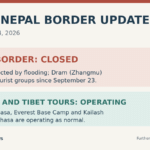
 - Update on China / Tibet–Nepal Land Border Crossings
 September 24, 2026
Similar Tours
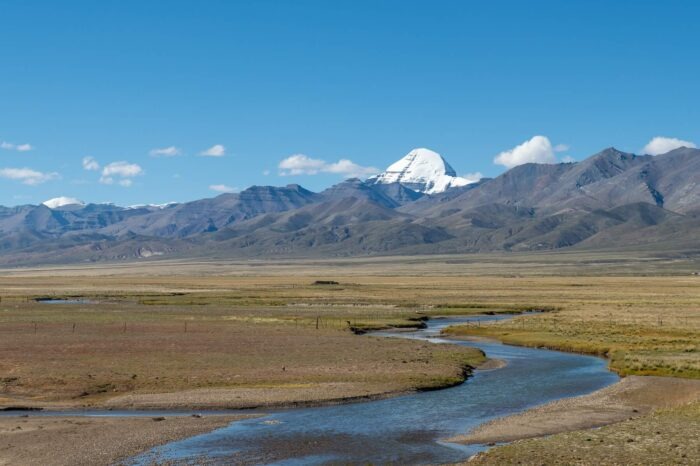
Kathmandu – Mount Kailash – Kathmandu
Embark on a 12-day spiritual journey from Kathmandu to the ancient Guge Kingdom and sacred Mount Kailash. Experience breathtaking Himalayan landscapes, Tibetan culture, Lake Manasarovar, and the transformative Kailash Kora on this unforgettable pilgrimage and adventure.
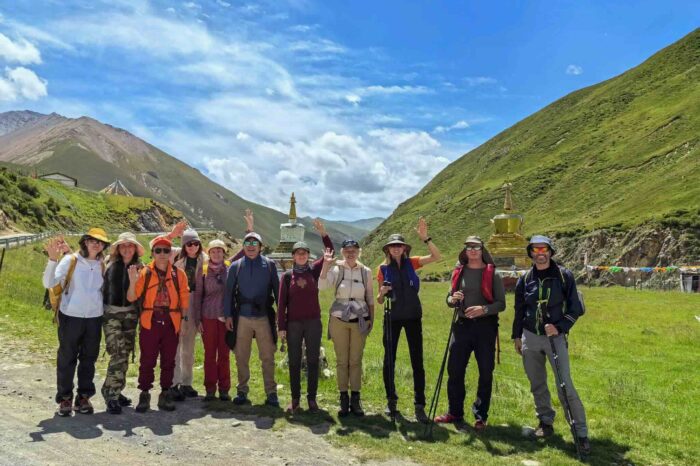
Amdo & Kham Tibet Group Tour
Journey through the heart of Kham Tibet, exploring ancient monasteries, remote nomadic grasslands, sacred mountains, and authentic Tibetan villages, where breathtaking landscapes, vibrant traditions, and rich cultural heritage reveal Tibet beyond the familiar tourist routes.
Saga Dawa Kailash Kora
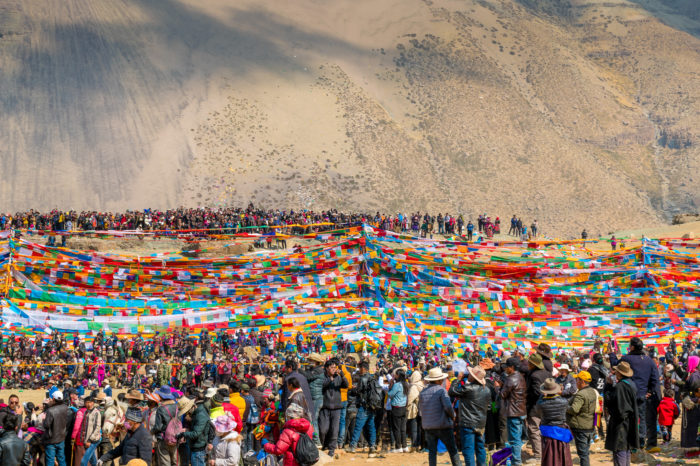
A meaningful Saga Dawa pilgrimage from Lhasa, featuring festival celebrations, the sacred kora around Mount Kailash, and time at Lake Manasarovar amid the vast landscapes of Western Tibet

.jpg "amdo monlam festival tour")