Tibetan New Year, or Losar, is the biggest holiday in Tibet. In 2016, according to the Western calendar, it marked the Year of the Fire Monkey—Year 2143 in the Tibetan calendar. The New Year celebrations last for 15 days, beginning on the first day of the first Tibetan month and concluding on the 15th day. The 15th, which also falls on a full moon, is known as the Butter Sculpture Display Day or the Festival of Miracles. This day commemorates Lord Buddha Shakyamuni’s victory over six teachers in a contest of miracles. Across the Tibetan Plateau, monasteries and villages hold religious rituals to honor the Buddha. Families light yak butter lamps and place them on their home altars, while major monasteries present exquisite yak butter sculptures for pilgrims to admire.
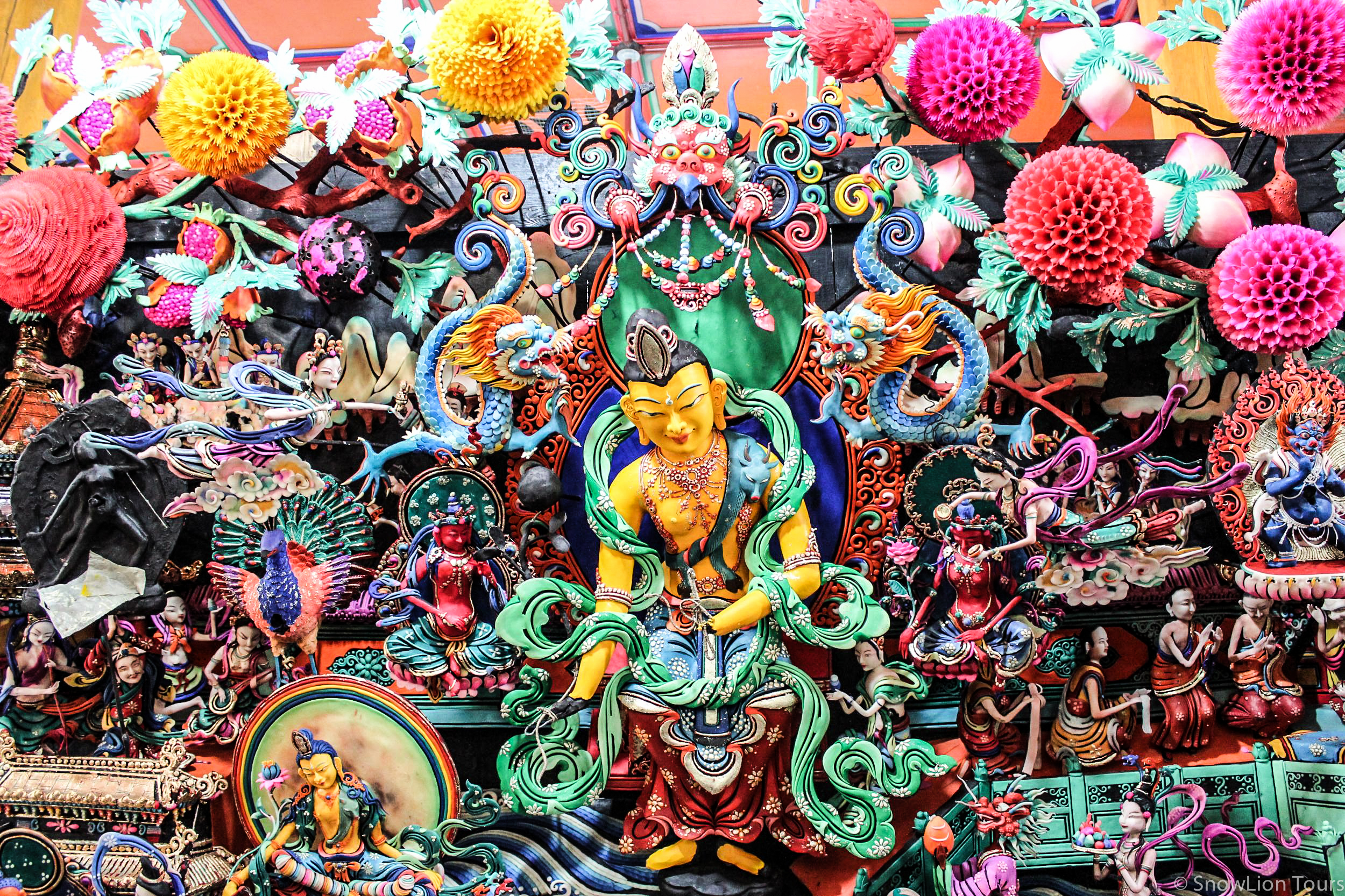
The art of yak butter sculptures is a unique tradition in Tibetan Buddhism, originating in 1409. Monasteries display these sculptures on the 15th day of Losar in hopes of receiving blessings and good fortune for the coming year.
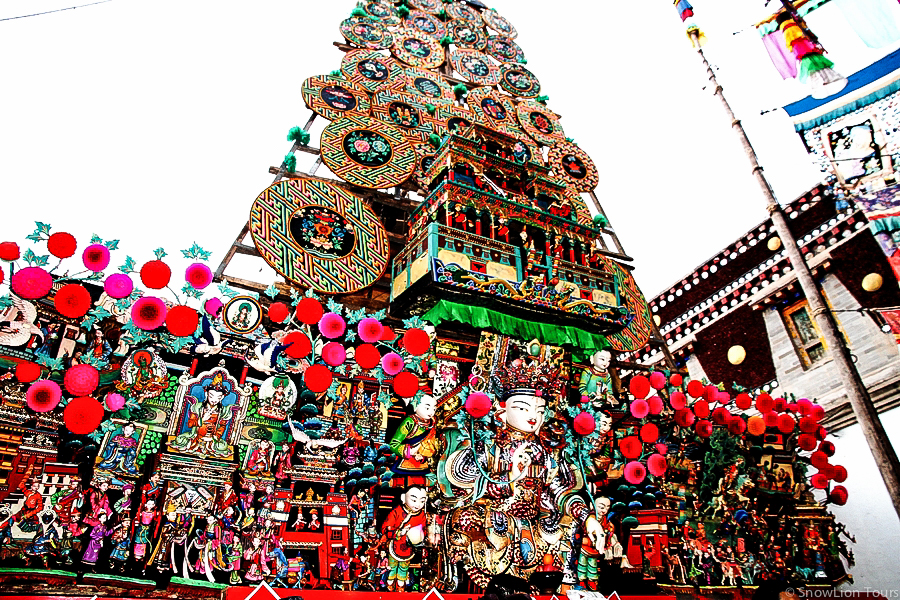
These colorful and delicate works are often created as bas-reliefs mounted on hay, wooden boards, or sticks. Their subjects range from stories of the Buddha and Buddhist deities to kings, legendary figures, animals, and folk heroes of Tibet.

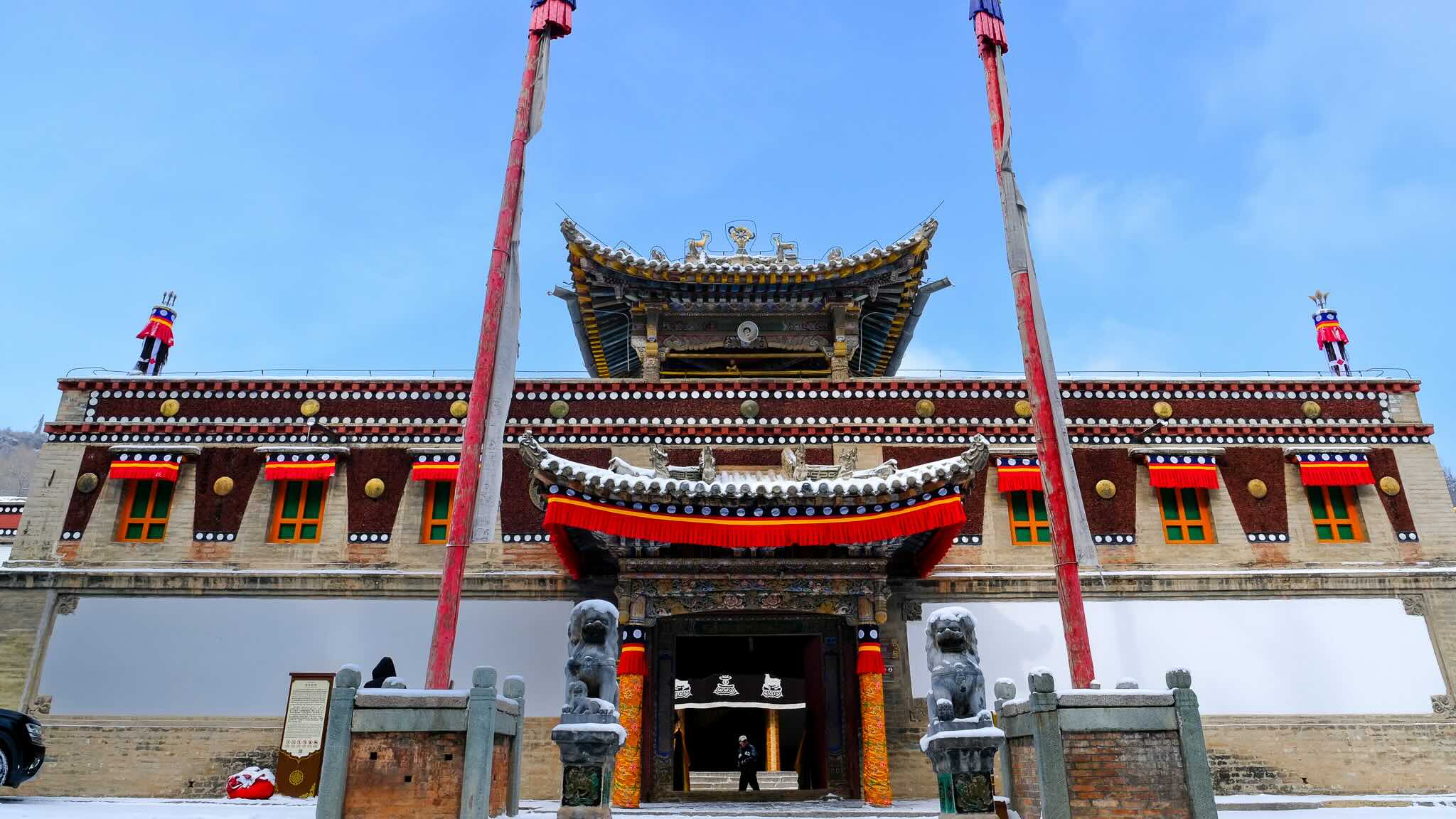
The most renowned yak butter sculptures are displayed at Kumbum Monastery in northeastern Amdo, Tibet. Within the monastery, two art schools each prepare their finest creations, which are exhibited to the public on the evening of the 15th day of the first Tibetan month (February 22, 2016, in the Western calendar).
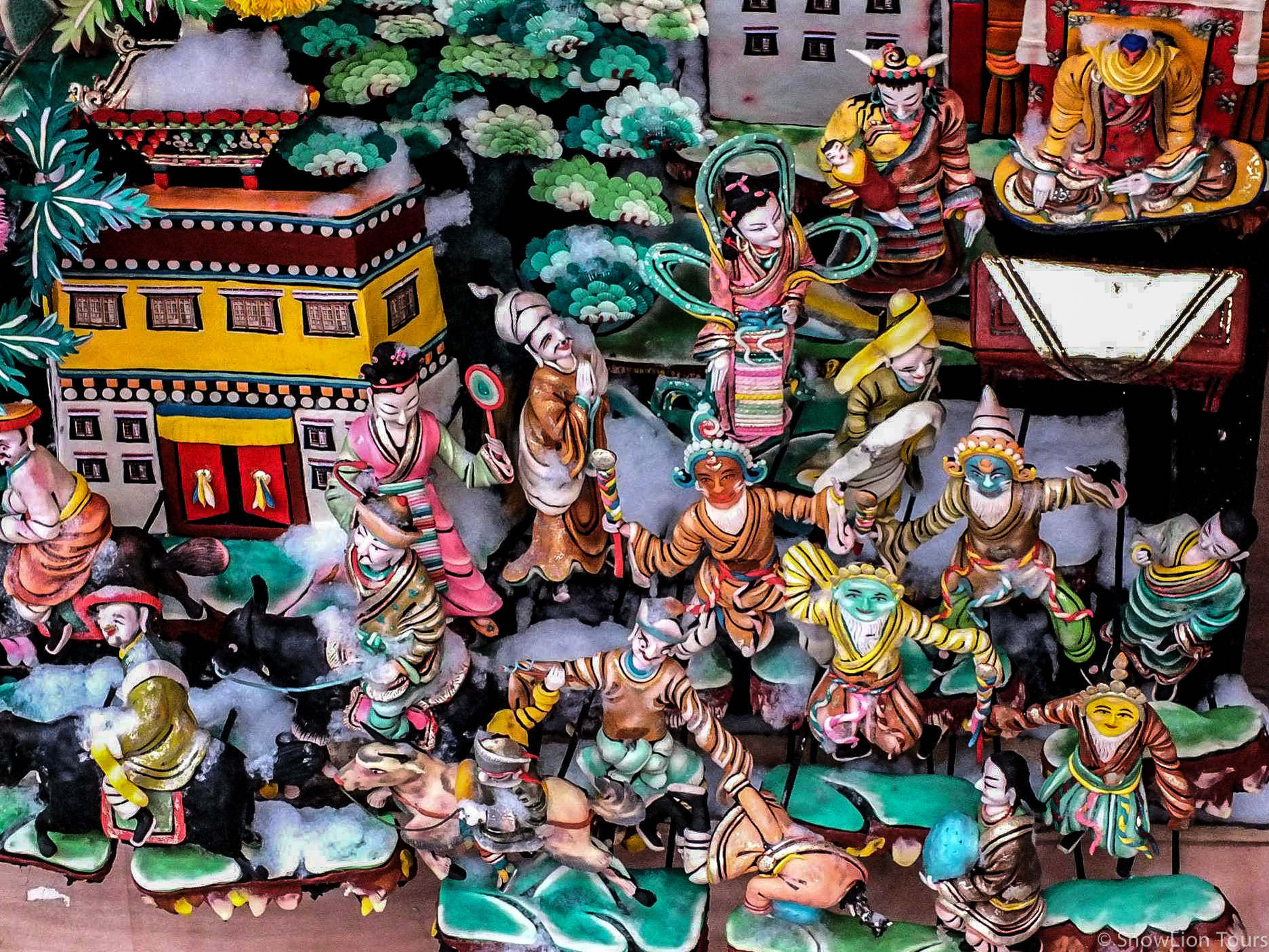
After their public display, the sculptures are placed in the Sculpture Hall of Kumbum Monastery, where they remain on view until the 15th day of the following year.
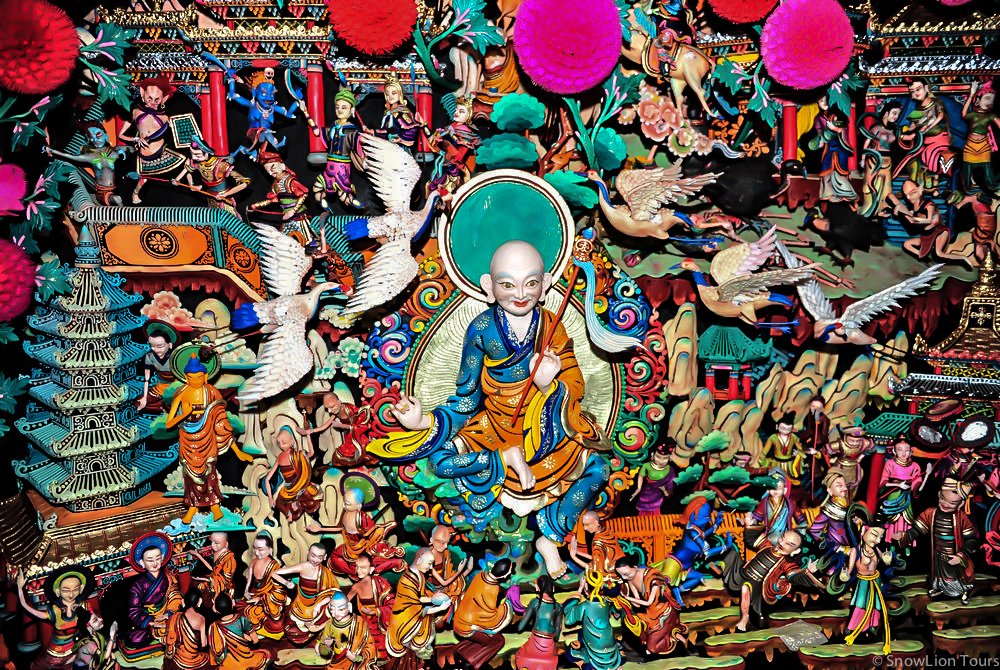
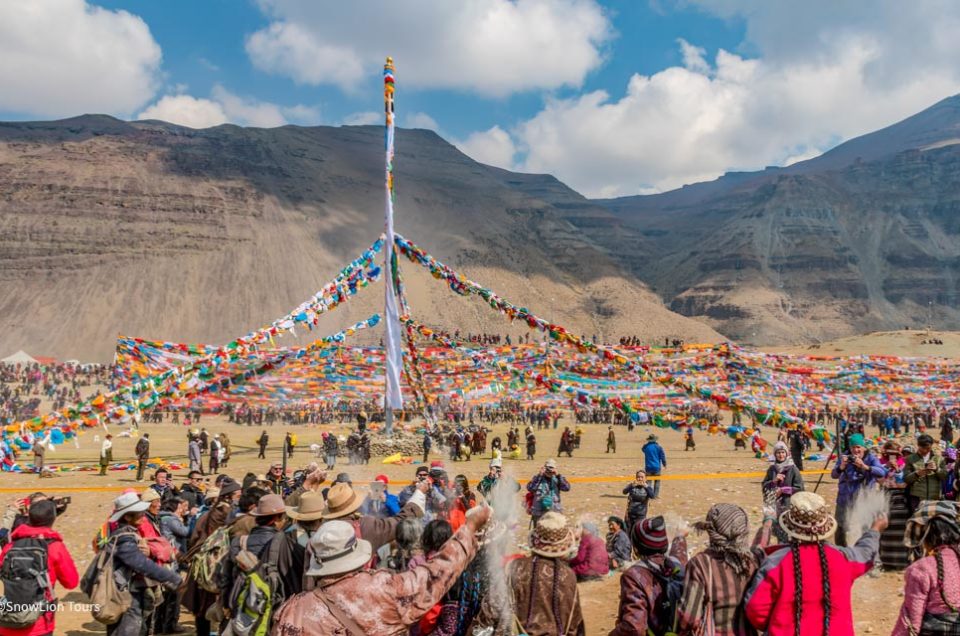
The scene of Butter Sculpture displays outside on the 15th of First month of Lunar Calendar.


.jpg "amdo monlam festival tour")