Routes to Tibet
A journey to Tibet has long been a dream for many travelers. While there are various ways to reach Tibet, currently there are six primary overland routes available by car. These challenging routes attract many travelers who wish to follow ancient trade paths. There are different rules and restrictions for traveling these routes, so it is advisable to check with your Tibet travel agency for the latest updates.
The Six Overland Routes to Tibet
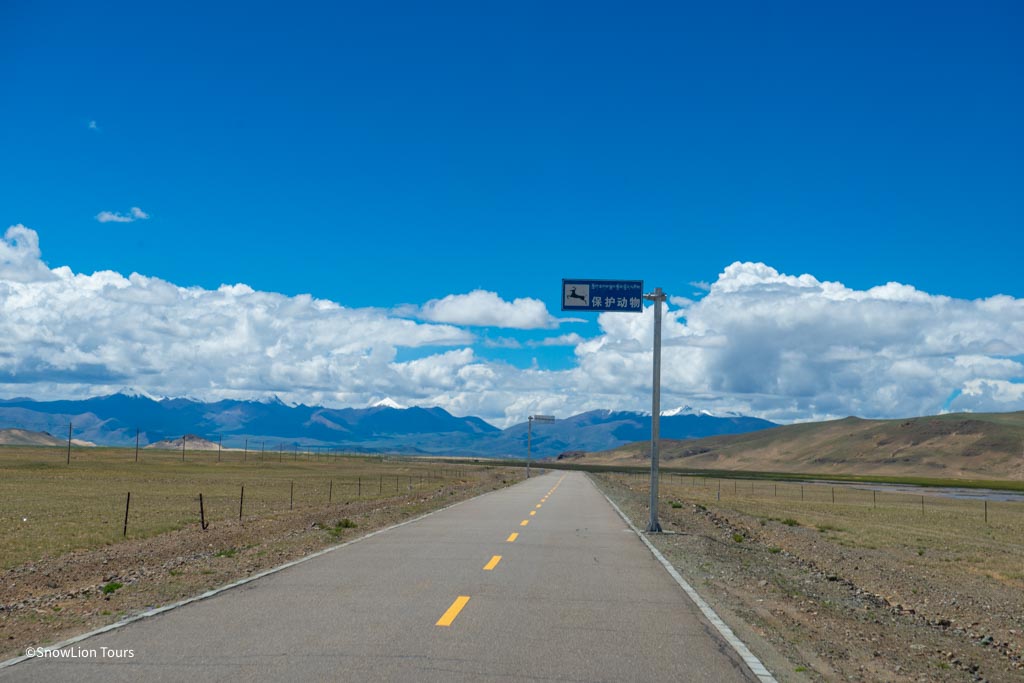
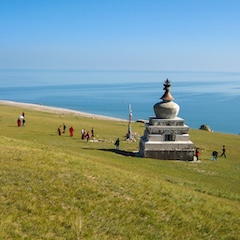
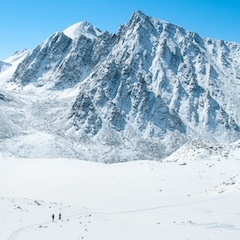
- Qinghai-Tibet Highway Overland Route (青藏线)This route starts from Xining (also known as Siling) and ends in Lhasa.Xining, the capital of Qinghai Province, is a relatively new city in northwest China with a population of over 2 million. It serves as a gateway to various Tibetan regions in Amdo. The Qinghai-Tibet Highway is one of the busiest routes to Lhasa, with its entire length paved and featuring accommodation and restaurants along the way. You can travel this route by car, van, or tourist bus, though hiring a Land Cruiser can enhance comfort. This yearly open road is also one of the most scenic highways in China, offering views of wild animals like Tibetan antelopes, wild donkeys, and wild yaks, alongside stunning landscapes of endless nomadic pastures and snow-capped mountains.
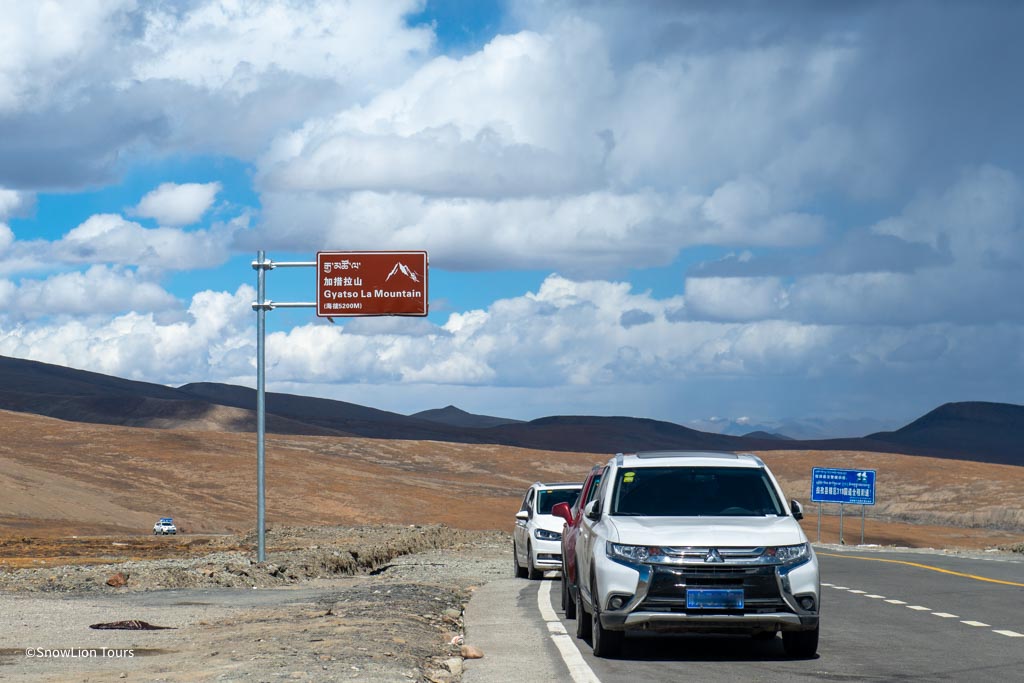
The average altitude is about 3,900 meters (12,790 feet), so it is recommended to spend 2-3 nights in Xining to acclimate before starting the journey. The highest passes are Kunlun Pass and Tanggula Pass, both with altitudes above 5,000 meters (16,400 feet).
Route: Xining – Qinghai Lake – Tsaka Salt Lake – Delinha – Golmud – Kunlun Pass – Tanggula Pass – Amdo County – Nakchu – Damxun – Namtso Lake – Yangpachen Hot Springs – Telungdechen – Lhasa
Total Distance: 2,000 kilometers (1,240 miles)
This route is open to foreign tourists, but a Tibet Travel Permit is required in advance.
- Sichuan-Tibet Overland Route (川藏线)There are two different routes, both starting in Chengdu and ending in Lhasa.Chengdu, the capital of Sichuan Province, is known as the “Heavenly State” and is home to the adorable giant panda. It is a historic city and a pivotal hub connecting various tourist attractions, including Jiuzhaigou Scenic Spot, Emei Mountain, and Leshan Giant Buddha.
Southern Route: Chengdu – Ya’an – Luoding – Kangding – Xinduoqiao – Litang – Batang – Markham – Bangda – Basuo – Rawok Lake – Lugu Glacier – Midui Glacier – Bomi – Nyingtri – Gongbo Gyangda – Mendrok Gongka – Lhasa
Total Distance: 2,180 kilometers (1,354 miles)
Northern Route: Chengdu – Danba – Daofu – Luohu – Gantse – Manigangol – Yilhun Lhatso Lake – Dege – Jiangda – Chamdo – Dingqing – Baqing – Nakchu – Damxun – Namtso Lake – Yangpachen Hot Springs – Lhasa
Total Distance: 2,400 kilometers (1,490 miles)
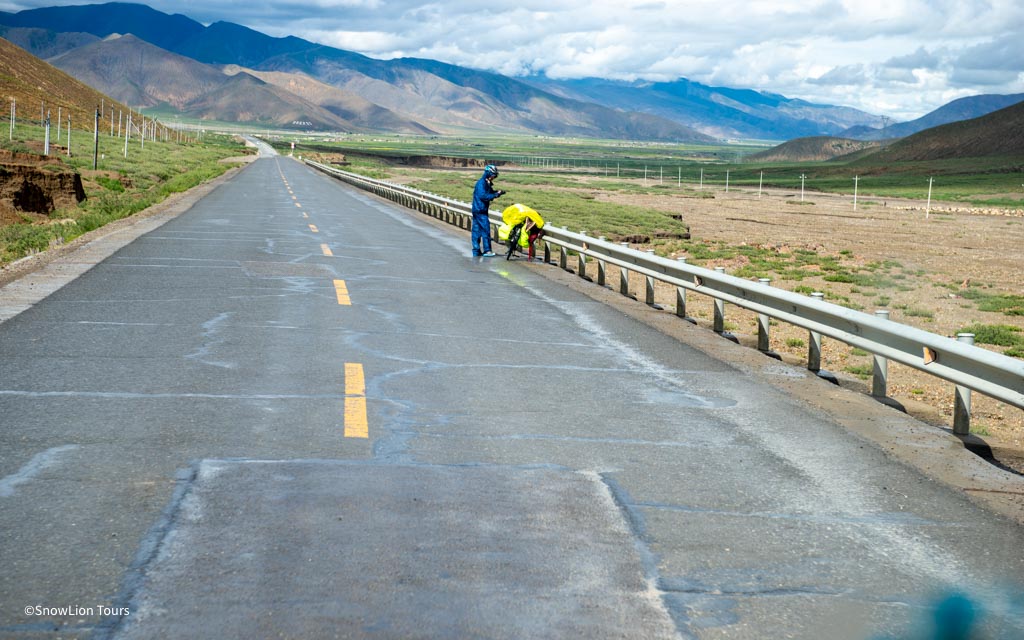
These routes provide a chance to experience local lifestyles and dramatic views of deep gorges and virgin forests. Basic accommodations and restaurants are available, but travel after August is not recommended due to the rainy season, which can cause road collapses and washouts.
- The Ancient Tang-Tibet Road (唐蕃古道)This route starts from Xining, Qinghai Province, and ends in Lhasa.Historically, this ancient route began in Chang’an (modern Xi’an) during the Tang Dynasty and connected to Lhasa, Tibet’s capital. It was a trade route extending from China to Tibet and then to Nepal and India. This route gained recent fame due to its association with Princess Wencheng’s journey to marry Tibet’s King Sontsan Gampo in the 7th century. However, most travelers now start from Xining due to modern developments on the Xi’an to Xining highway.
Route: Xining – Dongkor/Huangyuan – Qinghai Lake – Chabcha – Maduo/Matoi – Jyekundo/Yushu – Nangchen – Riwoche – Dingqing – Baqing – Nakchu – Damxun/Dangxun – Yangpachen Hot Springs – Namtso Lake – Lhasa
Total Distance: 2,150 kilometers (1,335 miles)
- Yunnan-Tibet Overland Route (滇藏线)This route starts in Shangri-La (also known as Gyalthang) and ends in Lhasa.Shangri-La, located in northwest Yunnan Province, is a popular tourist destination known for its lush valleys, grasslands, azure lakes, pastoral villages, and grand gorges. Visitors can explore sacred monasteries and experience local culture. The route features diverse minority groups with unique traditional architecture and attire.
Route: Shangri-La – Dechen – Markham – Bangda – Rawok Lake/Ranwu Lake – Lugu Glacier – Midui Glacier – Bomi – Tashigang – Nyingtri – Basum Tso Lake/Drak Sumtso Lake – Mendrok Gongka – Lhasa
Total Distance: 1,680 kilometers (1,043 miles)
This route has been closed to foreign travelers since 2010, and its reopening is still unknown. Travel during the rainy season (August and September) is not recommended due to potential road damage.
- Kashgar to Lhasa Overland RouteThis route starts in Kashgar and ends in Lhasa.Kashgar, located at the western end of Xinjiang Autonomous Region, has a rich history of over 2,000 years and served as a key trading town on the Silk Route. Today, it remains a strategically important city.
This route is the most challenging of the six, especially the Kashgar to Ngari section. The road conditions are poor, with many bumps and several high passes. Travelers may encounter long stretches without any settlements and numerous intersections, making a local guide essential. Preparation is crucial, as the average altitude is 4,000 meters.
Route: Kashgar – Yecheng – Dahongliutan – Jieshan Pass – Dolma – Ritok – Gar or Shiquanhe – Ruins of Guge Kingdom – Tirthapori – Garuda Valley – Darchen – Mt. Kailash – Lake Manasarovar – Paryang – Saga – Shigatse – Gyantse – Yamdrok Lake – Lhasa
Total Distance: 3,100 kilometers (1,926 miles)
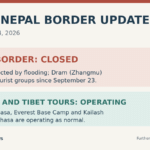
- Nepal-China (Tibet) Friendship Highway (中尼友谊公路)This scenic route, also known as the Friendship Highway, connects Lhasa, the capital city of Tibet, with Kathmandu, the capital of Nepal. It is one of the highest highways in China, passing over three peaks above 5,000 meters (16,400 feet). The altitude ranges from 1,740 meters to 5,200 meters, so acclimatization before reaching Mt. Everest Base Camp is important.Non-Chinese travelers must obtain a Tibet Group Visa in Kathmandu, which is only issued through a local Tibetan travel agency. This A4-size visa requires about 3 days to process in Kathmandu.
Route: Kathmandu – Kodari – Dram/Zhangmu – Nyalam – Old Tingri – Mt. Everest Base Camp – Shegar/New Tingri – Sakya – Lhatse – Shigatse – Gyantse – Karo La Glacier – Yamdrok Lake – Brahmaputra River – Qushi – Lhasa
Total Distance: 900 kilometers (560 miles)
The average altitude is 4,300 meters.
For more information about Tibet Travel Permits and Tibet Group Visas, please check our website. For details on Chinese visas and tours in Tibet, visit our site. If you are interested in a customized tour or have inquiries, please contact us at info@snowliontours.com.


.jpg "amdo monlam festival tour")