Altitude of Tibet’s Major Places and Attractions
The Tibetan Plateau, also known as the Qinghai-Tibetan Plateau, is the largest and highest elevated plateau in the world. It is located in the Himalayas in northeastern Asia, with average elevations exceeding 4,500 meters (14,700 feet).
The plateau, often referred to as “the roof of the world” or “the third pole,” encompasses the Tibetan Autonomous Region, Qinghai Province, Gansu Province, Sichuan Province, and Yunnan Province. Here is a list of altitudes for major places within this plateau:
Due to the high elevations, many tourists experience altitude sickness when visiting the Tibetan plateau. Flying directly into Lhasa from a lower altitude city increases the risk of altitude sickness. It is better to acclimatize slowly by flying in from Xining or Chengdu, taking a train, or hiring a car.
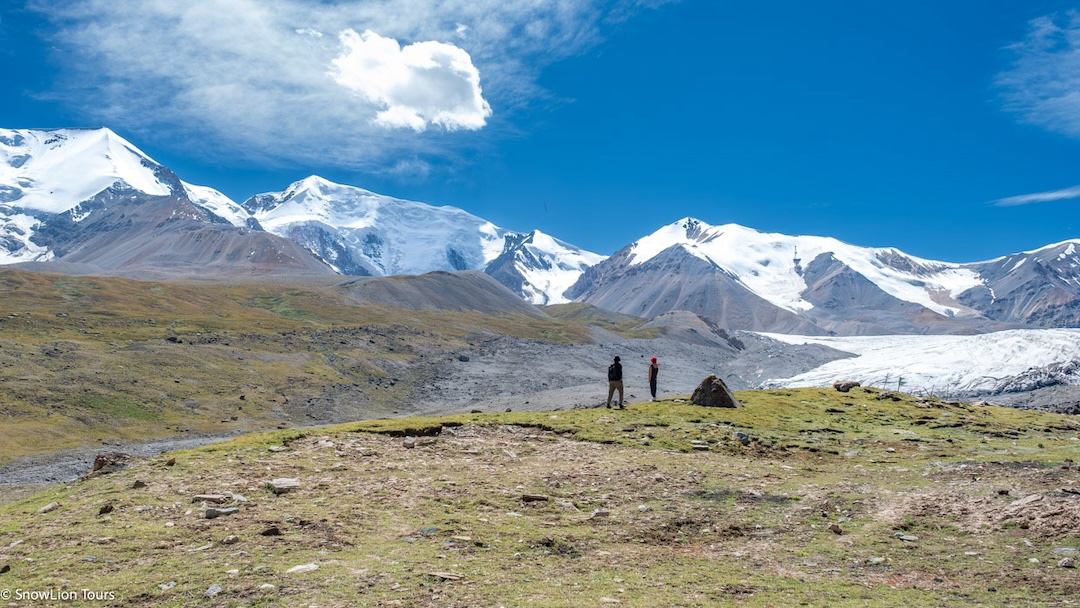
Upon arriving in Lhasa or any high-altitude area, it is advisable to rest for a day and stay at the same altitude for a few days before traveling to higher elevations.
Small oxygen tanks are available for purchase in Lhasa. It may also be worth consulting your doctor about taking Diamox, the medication for altitude sickness. If you are already in China, Diamox may not be available. In this case, the herbal medicine 红景天 (Hong Jing Tian) is a good substitute. Hong Jing Tian can be purchased in most pharmacies in China.
Please click the picture below to see the altitude where you want to travel.


.jpg "amdo monlam festival tour")