Altitude Sickness and Acclimatization in Tibet
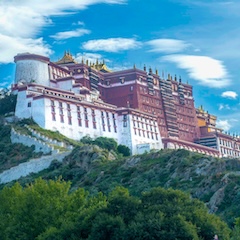
Almost the entirety of Tibet is situated at significant heights above sea level. While the elevations of Tibetan cities like Lhasa and Shigatse are comparable to the icy peaks of the Alps, Caucasus, and Central Asia, they are much higher than most cities worldwide, including mountain resorts. Consequently, a trip to Tibet is a unique experience even for athletes and mountain climbers, and especially for those accustomed to living at lower altitudes. However, with proper preparation and precautions, most people can adapt to these heights over time.
Tibet Altitude Sickness
The safe zone where air pressure is similar to that inside an airplane is at 2,400 meters, posing no health risks to healthy adults, infants, or the elderly. Above approximately 2,700 meters, acclimatization is necessary, which includes any location in Tibet.
Heights in Tibet and Other Places
Heights in Tibet and Other Places
| Location | Altitude | Acclimatization Needed |
|---|---|---|
| New York City | 5m | Not needed |
| Xining | 2270m | Not needed |
| Mexico City | 2240m | Not needed |
| Lhasa | 3600m | Needed |
| Wetterhorn, Swiss Alps | 3701m | Needed |
| Shigatse | 3800m | Needed |
| Mount Elbrus, topmost height of gondola lift | 3780m | Needed |
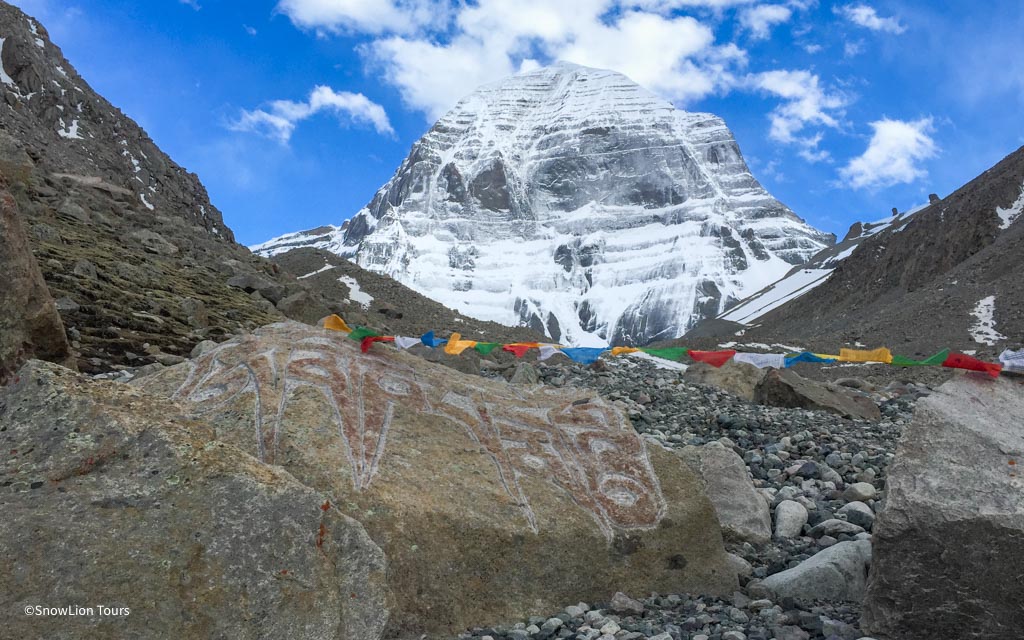
| Darchen, start of track around Kailas | 4600m | Needed |
| Dufourspitze, Swiss Alps | 4634m | Needed |
| Highest point of the railroad to Lhasa | 5072m | Needed |
| Mount Kazbek, Caucasus | 5047m | Needed |
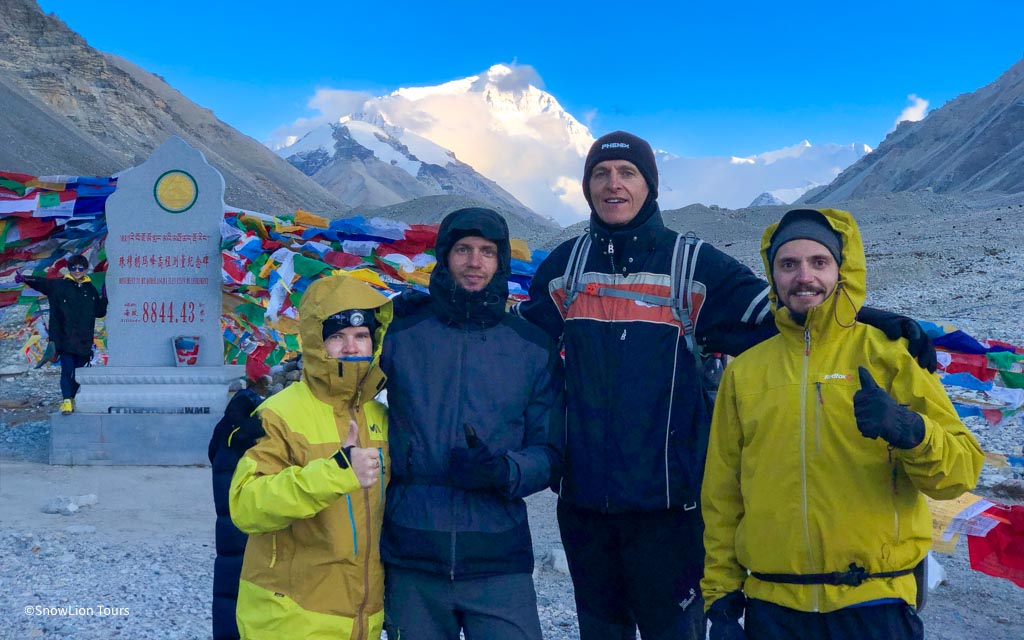
| Everest Base Camp | 5150m | Needed |
| Mount Ararat | 5137m | Needed |
Mountain Sickness and Acclimatization
At higher altitudes, air pressure decreases, reducing the amount of oxygen available. For example, at sea level, one cubic meter of air contains 1.3 kilos of oxygen, while at 2,500 meters it contains 1 kilo (75%), at 4,300 meters it contains 780 grams (60%), and at 5,600 meters only 650 grams (50%). Despite this reduction, the human body still requires the same amount of oxygen, if not more, when exerting physical effort.
The body has internal physiological mechanisms to adapt to high altitudes. Initial adjustments occur instantly, such as deeper breathing and increased blood pressure. However, more effective mechanisms require time to activate. During this period, individuals may experience side effects from the immediate adjustments and the lack of oxygen. Typically, the first day and night at a higher altitude are the most challenging, with significant improvement on subsequent days.
Tips for Acclimatization in Tibet
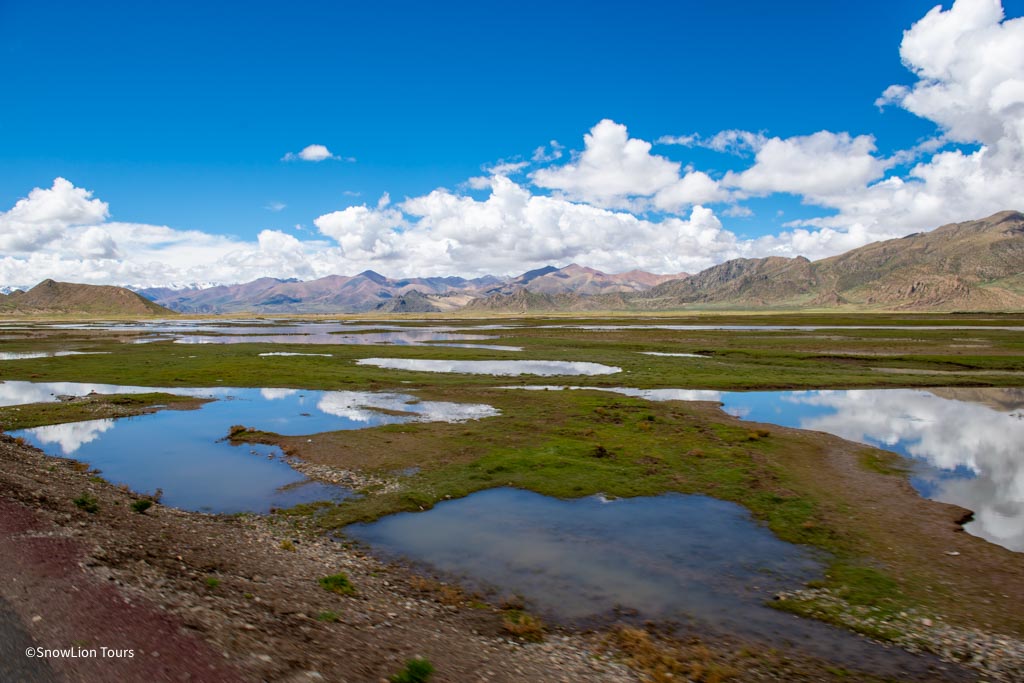
- Gain Altitude Gradually: Ascend no more than 500 meters per day above 2,700 meters. Spend the first few days in Lhasa (3,600 meters) to acclimatize, as hospitals and evacuation options are available there.
- Monitor Health: Include spare days in your itinerary to address potential health issues. Rest days can prevent the need for evacuation and allow continued travel.
- Diet: Consume carbohydrates (pasta, rice, porridge, pastry) more than proteins and fats, especially during the initial days.
- Micronutrients: Take potassium and magnesium supplements to support muscle function, including the heart.
- Natural Stimulants: Rhodiola rosea extract can help ease initial discomfort.
- Oxygen: Use disposable oxygen cans available in Tibet to improve well-being and sleep quality.
- Medication: Consider taking Diamox (Acetazolamide) for symptom relief, but consult a doctor and supplement with potassium.
Recognizing and Treating Mountain Sickness
Lake Louise Scoring System for Mountain Sickness
| Symptom | 0 | 1 | 2 | 3 |
|---|---|---|---|---|
| Headache | None | Mild | Moderate | Severe |
| Gastrointestinal symptoms | None | Poor appetite/nausea | Moderate nausea/vomiting | Severe nausea/vomiting |
| Fatigue and weakness | None | Mild | Moderate | Severe |
| Dizziness and lightheadedness | None | Mild | Moderate | Severe, incapacitating |
| Difficulty sleeping | None | Poor sleep | Woke many times, poor sleep | Could not sleep at all |
| Change in mental status | None | Lethargy | Disoriented/confused | Stupor/semiconsciousness |
| Ataxia (heel-to-toe walking) | None | Maneuvers to balance | Steps off line | Falls down, can’t stand |
| Peripheral edema | None | One location | Two or more locations | – |
Severity Assessment:
- 1-2 points: No mountain sickness.
- 3-5 points: Mild mountain sickness; stay at the same height or descend.
- 6+ points: Severe mountain sickness; immediate descent required.
Treatment:
- High-Altitude Pulmonary Edema: Requires immediate descent and hospital treatment.
- High-Altitude Cerebral Edema: Immediate descent and treatment with Dexamethasone and other medications.
Practical Advice
- Avoid quick ascents by car, train, or plane.
- Stay active but avoid excessive physical exertion.
- Dress warmly and stay dry.
- Avoid alcohol and cold, damp conditions.
- Use medications as needed and consult a doctor for severe symptoms.
In conclusion, while altitude sickness is common among visitors to Tibet, it can be managed with proper acclimatization and precautions. Most travelers can adapt to the high altitudes and enjoy their trip without serious issues.

.jpg "amdo monlam festival tour")