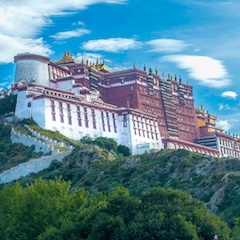
What Is Eco Travel and Responsible Tourism?
Eco travel and responsible tourism are about more than just seeing the sights—they’re about how you travel and the impact you leave behind. At their core, responsible tourism and ecotourism promote three key values: environmental protection, social equity, and local economic support. This means traveling in a way that respects nature, uplifts communities, and enriches cultural understanding.
When you choose eco travel, you’re not just a visitor—you’re a partner in preserving the land and the lives that make Tibet unique.
Why Does Responsible Tourism Matter?
Do you care about the people and places you visit? If so, how you travel matters.
Traveling responsibly deepens your experience. It fosters real connections with locals and offers insight into the environmental, cultural, and social realities of the places you explore. It also ensures that your presence leaves a positive footprint—supporting conservation efforts and community well-being. In short, responsible travel improves not just your journey, but also the journeys of those who come after you.
How to Practice Eco Travel in Tibet
Here are practical tips to help you travel mindfully and respectfully in Tibet:
1. Choose a Tibetan-Owned Travel Agency
Whenever possible, book your trip with a travel agency that is owned, operated, and staffed by Tibetans—especially those based in Xining, Lhasa, or Chengdu. These agencies not only have deeper cultural and geographic knowledge, but also ensure your travel dollars support Tibetan communities directly, rather than going to outside operators unfamiliar with the region.
2. Support Local Tibetan Businesses
Tourism plays a major role in Tibet’s economy. Make it count by choosing Tibetan-run guesthouses, restaurants, cafés, handicraft shops, and other services. Your support helps sustain local livelihoods and safeguards cultural traditions for future generations.
3. Hire Local Tibetan Guides and Drivers
There’s no better way to experience Tibet than through the eyes of someone who calls it home. Local guides and drivers offer unparalleled insights into regional customs, beliefs, and landscapes. They can answer your questions with authenticity and help you experience Tibet more deeply. If you’ve received good service, tipping is appreciated and helps support their families.
4. Respect Cultural and Religious Traditions
Tibet is deeply spiritual, and respecting local customs is essential:
-
Dress modestly when visiting temples and monasteries (long pants, no hats inside sacred spaces).
-
Ask permission before taking photos—some monasteries require a small fee.
-
Never touch monks or nuns (women should not touch monks, and men should not touch nuns).
-
Be mindful of how you sit—never point your feet toward religious objects.
-
Walk clockwise around Buddhist sites and counter-clockwise at Bon sites.
-
Wearing a mala (Buddhist rosary) can signal respect for Tibetan beliefs.
5. Leave No Trace While Trekking
Tibet’s high-altitude environment is fragile. Practice “Leave No Trace” principles:
-
Ask permission before camping near nomad families—they may need to restrain their guard dogs.
-
Clean up your campsite thoroughly.
-
Carry reusable utensils and eco-friendly soap.
-
Don’t relieve yourself near water sources.
-
Stick to existing trails to avoid damaging vegetation and causing erosion.
6. Follow Local Laws and Travel Regulations
In the Tibet Autonomous Region (TAR), permits are required and tightly regulated. Stick to your approved itinerary and travel dates—straying without permission can have serious consequences. While tourists may face minor fines, local travel agencies risk steep penalties or closure.
Avoid political discussions. Even if you’re not penalized, your Tibetan guides or hosts could face severe repercussions.
7. Don’t Pay for Photos or Hand Out Medicine
It might feel generous to give away money, candy, or medicine—but these actions can do more harm than good. Instead:
-
Donate to trusted orphanages, schools, or community programs.
-
If you take a photo and promise to send it, follow through—your guide can help deliver it.
-
Do not pay individuals for their photos. This creates unhealthy expectations around tourism.
The one place where small donations are welcome is at monasteries. Offerings made at altars, or to pilgrims and monks chanting or prostrating, are traditional and appreciated.
Choose Travel That Matters
By making responsible choices, you don’t just visit Tibet—you help protect it. You support local families, safeguard ancient traditions, and tread lightly on sacred land. And in return, you gain a deeper, more authentic travel experience.
SnowLion Tours is a Tibetan-owned travel company dedicated to providing meaningful, eco-friendly journeys that uplift local communities. Let your next adventure leave more than memories—leave a positive impact.
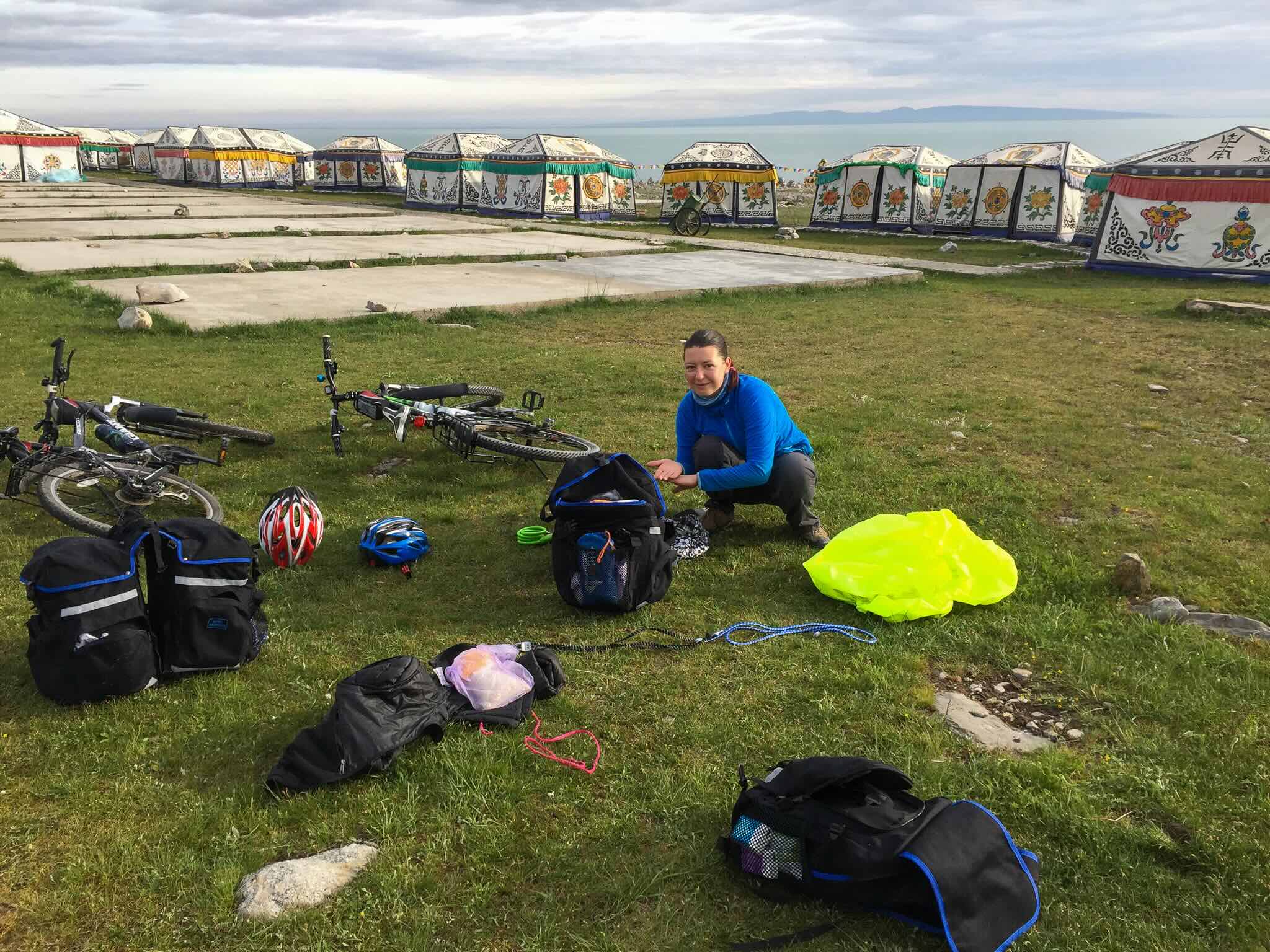
preparing to set out in the morning.





.jpg "amdo monlam festival tour")