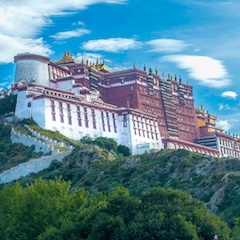
Achung Namdzong Nunnery
Achung Namdzong Nunnery
Achung Namdzong Nunnery stands as one of Amdo Tibet’s most spiritually significant and visually stunning monastic complexes, nestled within the heart of the red clay mountain forests inside Kanbula National Park. Located 100km south of Xining, the capital of Qinghai Province, and 90km north of Rebkong (Tongren) County, this sacred site occupies a landscape where dramatic geological formations converge with profound spiritual energy in the traditional Amdo region of Tibet.
Sacred Geography and Spiritual Significance
Achung Namdzong holds extraordinary status as one of the 25 most important power places of Kham and Amdo Tibet, specifically revered for symbolizing the mind aspect of Buddha nature. This designation places the site among the most sacred locations on the Tibetan Plateau, where the convergence of natural forces and spiritual energy creates an environment particularly conducive to meditation and realization.
The nunnery’s location within Kanbula’s red sandstone formations creates a natural mandala of towering cliffs, hidden valleys, and pristine forests that have inspired contemplatives for over a millennium. The interplay of geological wonder and spiritual significance transforms the entire landscape into a three-dimensional representation of Buddhist cosmology.
Historical Refuge and Buddhist Preservation
Achung Namdzong gained pivotal historical importance during the persecution of Buddhism in Central Tibet by the last Tibetan king. When Buddhist institutions faced systematic destruction, three renowned high scholars fled from Lhasa to Amdo, seeking refuge in the caves at Achung Namdzong where they remained for 20 years. This period of exile proved crucial for preserving essential Buddhist teachings and practices that might otherwise have been lost.
The scholars’ presence transformed Achung Namdzong into a center of learning and practice that would influence Tibetan Buddhism for centuries. Their dedication to maintaining the dharma during this dark period established the site’s reputation as a sanctuary where authentic teachings could be preserved and transmitted even under the most challenging circumstances.
Pilgrimage Destination for Great Masters
Throughout subsequent centuries, Achung Namdzong attracted visits from most of the important Nyingmapa masters from across Tibet. This pilgrimage tradition established the site as a crucial node in the network of Nyingma practice centers, where great teachers would come to receive teachings, offer instruction, and tap into the powerful spiritual energies of this sacred landscape.
The nunnery’s influence extended far beyond its physical boundaries, as visiting masters carried its teachings and blessings back to their own communities, creating a web of spiritual connections that linked Achung Namdzong to practice centers throughout the Tibetan world.
The Four Sacred Institutions
The extraordinary spiritual power of Achung Namdzong has inspired the establishment of four monasteries built around the central complex, each responding to specific aspects of the site’s unique landscape and energy. This constellation of institutions creates a comprehensive spiritual environment where different aspects of Buddhist practice and study can flourish.
Achung Namdzong Samten Chopeling Nunnery
Founded in 1710 by Gurong Natsok Rangdol, the main nunnery established itself on the foundation of earlier spiritual activity. The site gained particular significance as the primary residence of Yeshi Dolma, a renowned female meditation practitioner who devoted her entire life to intensive practice at Achung Namdzong. Her example inspired generations of female practitioners and established the nunnery’s reputation for supporting the highest levels of contemplative achievement.
The nunnery evolved to become the most important Nyingmapa institution in Amdo, attracting visits from numerous Dzogchen masters from both Kham and Amdo regions. This recognition reflects both the quality of practice maintained at the nunnery and the continued power of the sacred site itself.
Architectural and Artistic Features
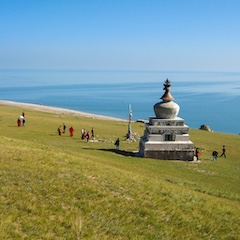
The nunnery’s design reflects classical Tibetan Buddhist architectural principles while harmonizing with the dramatic red rock landscape. A large stupa stands prominently in front of the main temple, accompanied by eight smaller stupas that symbolize the major events in Shakyamuni Buddha’s life – birth, enlightenment, first teaching, and other pivotal moments that established the Buddhist path.
The main temple houses sacred images of Padmasambhava (Padmakara) flanked by his two principal consorts, representing the tantric teachings that form the heart of Nyingma practice. Additional statues of Manjushri (Manjughosa) and Tara complete the central shrine, creating a mandala of enlightened beings that supports various meditation practices.
The temple’s interior artwork showcases exceptional Tibetan religious art, with murals depicting the 35 Confession Buddhas, the 16 Elder Arhats, and the complete Longchen Nyingtig lineage. These paintings serve both decorative and instructional purposes, providing visual supports for specific practices while preserving the iconographic traditions of the Nyingma school.
Namdzong Tse (Dzatro Dorjeling): The Summit Temple
Originally founded in 1913, the temple crowning Namdzong Tse (Namdzong Peak) serves as one of Amdo’s most dramatic and spiritually powerful hermitage sites. The temple functioned as an important retreat center for intensive Nyingma practice, where accomplished practitioners could engage in extended meditation retreats surrounded by the raw power of the red rock landscape.
The caves of the three original scholar-refugees are located at Namdzong Tse, still bearing traces of original murals that provide tangible connections to the site’s foundational period. These caves represent some of the most historically significant meditation spaces in Amdo Tibet, where essential Buddhist teachings were preserved during a critical period of persecution.
Access to the summit temple has been dramatically improved with newly constructed wooden ladders on the north side of the hill, allowing pilgrims and visitors to safely reach the peak while maintaining the site’s wild and contemplative character. The climb itself becomes a form of spiritual practice, with each step upward symbolizing progress on the path to enlightenment.
The temple houses a magnificent thousand-armed Avalokiteshvara statue, representing the boundless compassion of this beloved bodhisattva. This image serves as a focal point for compassion meditation practices while offering spectacular views across the red rock landscape and Yellow River valley below.
Access Routes and Practical Information
Three distinct routes provide access to Achung Namdzong, each offering different perspectives on the region’s geography and cultural landscape:
Primary Route (Recommended): Enter through the main gate of Kanbula National Park in Gyantsa County, then drive approximately 6km through the park to reach the nunnery. This route provides the most comprehensive experience of Kanbula’s geological wonders while building anticipation for the sacred destination.
Scenic Water Route: Drive to Lijiaxia Hydroelectric Power Station from Hualong County, then enjoy a 20-minute boat journey followed by a 1km walk to the nunnery. This approach offers unique perspectives of the red rock formations from the water while providing a more gradual transition from the modern world to the sacred site.
Western Approach: Enter Kanbula National Park from the west gate near Gui’de County and drive approximately 5km to reach the nunnery. This route provides access for visitors combining their pilgrimage with exploration of the Gui’de Danxia formations.
Visitor Information
Kanbula National Park Entrance Fee: 280 CNY per person Boat Fee (Hualong route): Approximately 100 CNY Best Visiting Season: May through October for optimal weather conditions Accommodation: Basic pilgrim accommodations available; advanced arrangements recommended
A Living Testament to Female Spiritual Achievement
Achung Namdzong Nunnery stands as more than a historical monument – it represents a living testament to the achievements of female practitioners in Tibetan Buddhism and the power of sacred geography to support the highest levels of spiritual realization. The nunnery’s continued vitality demonstrates how traditional contemplative institutions can thrive while adapting to contemporary circumstances.
For visitors, Achung Namdzong offers a rare opportunity to experience authentic Tibetan Buddhist practice in one of the most spectacular natural settings on the plateau. The combination of dramatic red rock formations, ancient meditation caves, and active monastic life creates an environment where the boundaries between natural beauty and spiritual realization dissolve, offering profound inspiration for practitioners and pilgrims from around the world.
The nunnery’s significance extends beyond its role as a practice center – it serves as a crucial repository of Nyingma teachings and a living link to the great masters who preserved essential Buddhist wisdom during times of persecution. In visiting Achung Namdzong, pilgrims participate in a tradition of sacred journey that has continued unbroken for over three centuries, connecting them to the profound spiritual legacy of this extraordinary power place.
Search
Upcoming Tours
Recent Posts
- Shoton Festival Begins in Lhasa!
 August 23, 2025
 - Tour Price in Tibet
 August 23, 2025
 - Qinghai Shaman Festival in Rebkong Concludes Successfully
 August 21, 2025
For More Information
Newsletter
Explore more! Join to get updates on Tibet tours and departures.
We are recommended by
We are committed to providing authentic, high quality, environmentally sustainable travel services. Join us and experience once in a lifetime holiday.
Contact Information
Recent Trips

.jpg "amdo monlam festival tour")