Ganzi / Gantse / Garze
Ganzi County, also named Garze or Gantse, is an ethnic Tibetan township located in the historical Tibetan region of Kham. Ganzi lies in the open Garze valley at 3,390m above sea level and is surrounded by rocky terrain and snow-peaked […]
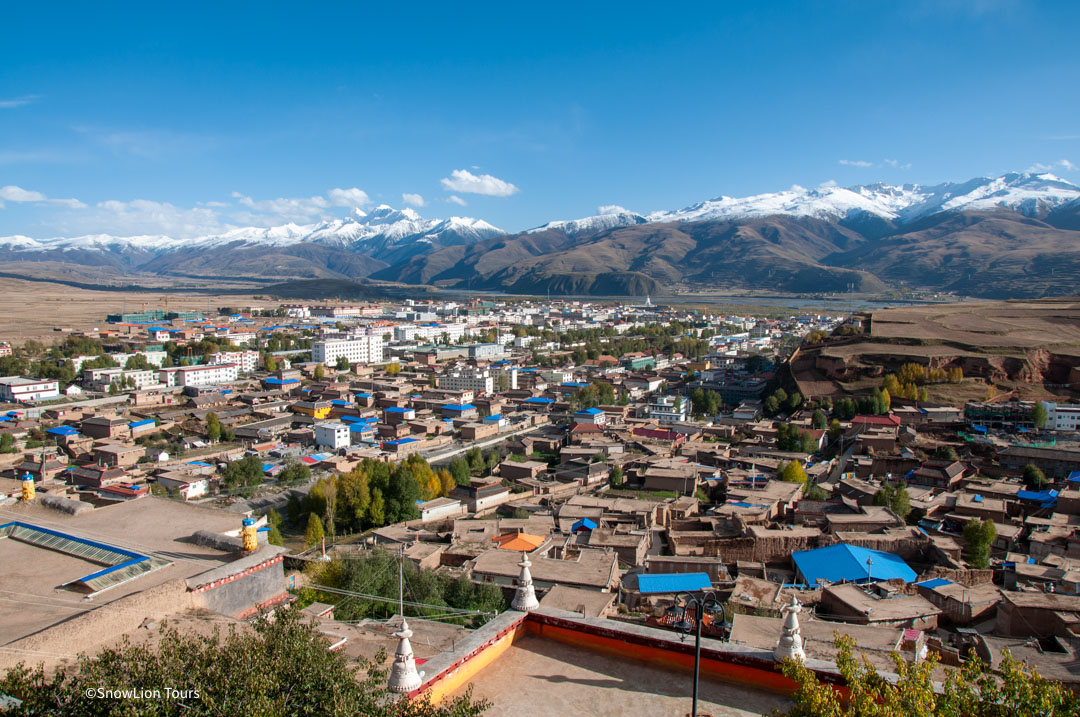
Ganzi County, also named Garze or Gantse, is an ethnic Tibetan township located in the historical Tibetan region of Kham. Ganzi lies in the open Garze valley at 3,390m above sea level and is surrounded by rocky terrain and snow-peaked mountains. The Yalong River’s tributary, the Rongcha River, passes through the town from north to south. The county contains many Tibetan villages and monasteries. The largest monastery is Ganzi Monastery, which is 540 years old and houses over 500 monks belonging to the Gelug sect of Tibetan Buddhism.
Garze (Ganzi) Monastery
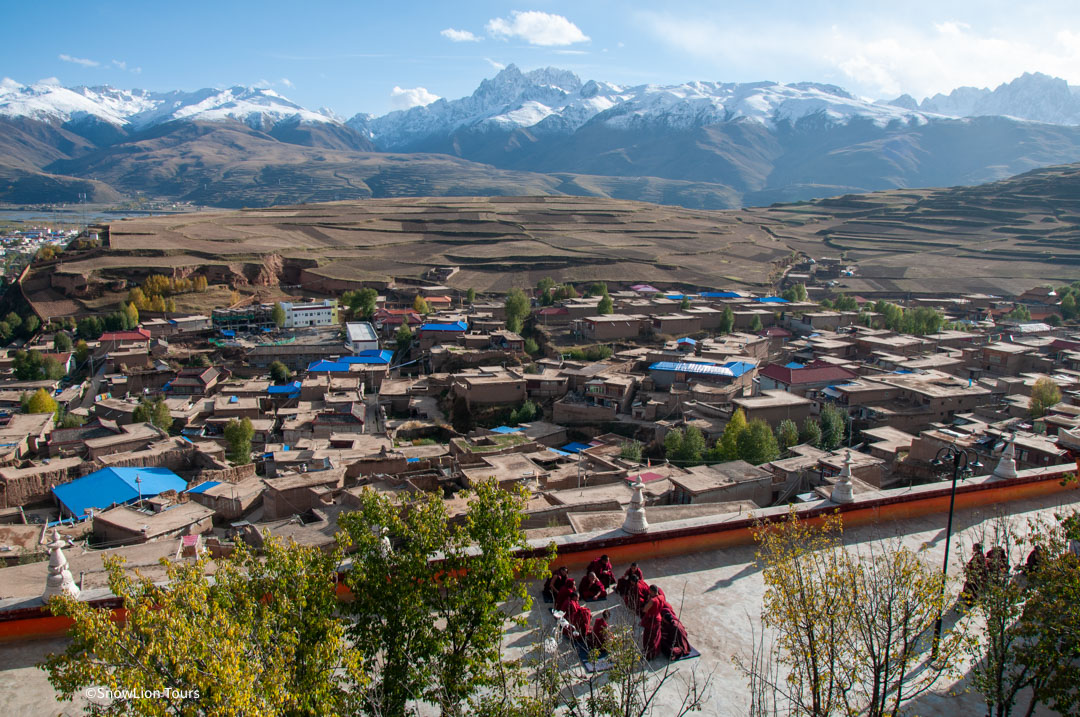
Garze Monastery is situated 2km north of Garze Town on a hilltop overlooking the town. The monastery was built in 1642 by the Khoshut (or Qosot) Mongols, overlooking their castles known as Mazur and Khangsar. It once housed 1,500 monks, making it the largest monastery in Kham Tibet. The pilgrimage circuit around the monastery was almost eight kilometers long.
The monastery has been extensively renovated since 1981 and now houses about 700 monks, including three Tulkus, one of whom returned from Switzerland and established a girls’ school in Ganzi. If time allows, you can walk up to the monastery on the hill, though vehicles can access it through the east gate. A complete visit may take about 2 hours.
Dargye Monastery
Dargye is a Geluk monastery that was founded in 1642 by Jedrung Sherab Wangpo outside of Ganzi town. It is the largest of the so-called Hor monasteries in the region, which were established by Mongolian patrons of the Geluk tradition.
Beri Monastery
Beri Monastery is located west of Garze town, along the road leading to Dege town. Founded in the 17th century, it replaced earlier Sakya and Karma Kagyu sites that were established during the Yuan dynasty. A disciple of the Fifth Dalai Lama named Ngawang Puntsok established 13 monasteries in the region to promote the Gelukpa order. Beri was built on the site of an older hermitage known as Gela Daden.
The monastery was enlarged in the 18th century by a local doctor called Ngawang Yeshe. The Sixth Panchen Lama, Lobsang Palden Yeshe (1738-1780), consecrated the extended chapel, and the Qianlong Emperor sent a wooden board with his own calligraphy. Ngawang Yeshe became the first Geta (dge stag) Lama, an incarnation line that continues today.
Khangmar Monastery
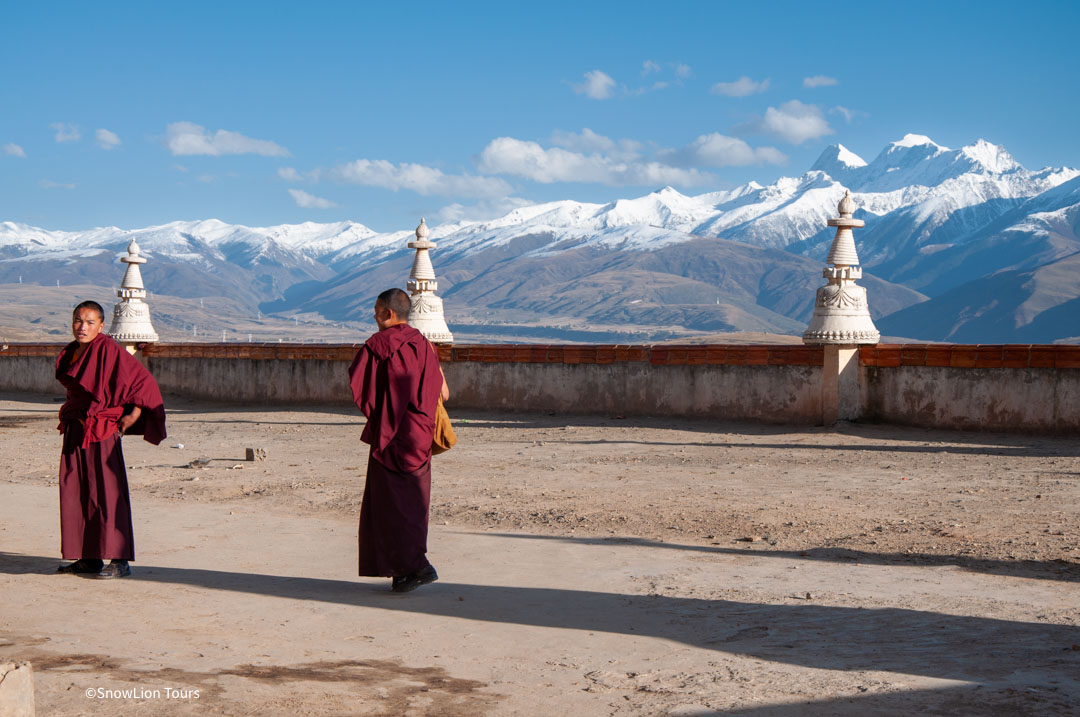
Khangmar Monastery (or Kangma Monastery) is a Gelugpa monastery located southeast of Garze Town. There were 350 monks at Khangmar Monastery in 1953 under Geshe Tashi Tsering’s leadership.
The monastery was closed during the Cultural Revolution for 25 years but was re-established in 1984 and now has about 70 monks. The upper stories of the main monastery have collapsed through neglect during the period it was abandoned, and the main temple, assembly hall, kitchen, and administrative areas remain unstable and dangerous but are still in use.
The Jilu Ritrek Nunnery was established near Khangmar when it reopened in 1984. About a dozen nuns live there now.
Additional Attractions
There are also hot spring pools operated by Ganzi Monastery in Ganzi town. The fee is quite reasonable, but the location is somewhat difficult to explain. If you are interested, please ask the monks at Ganzi Monastery for directions.
Generally, Ganzi is an excellent place to visit. I would recommend spending two nights in this town if you wish to explore some of the hidden monasteries in the area.
Recent Posts
- Shoton Festival Begins in Lhasa!
 August 23, 2025
 - Tour Price in Tibet
 August 23, 2025
 - Qinghai Shaman Festival in Rebkong Concludes Successfully
 August 21, 2025
Related Tours
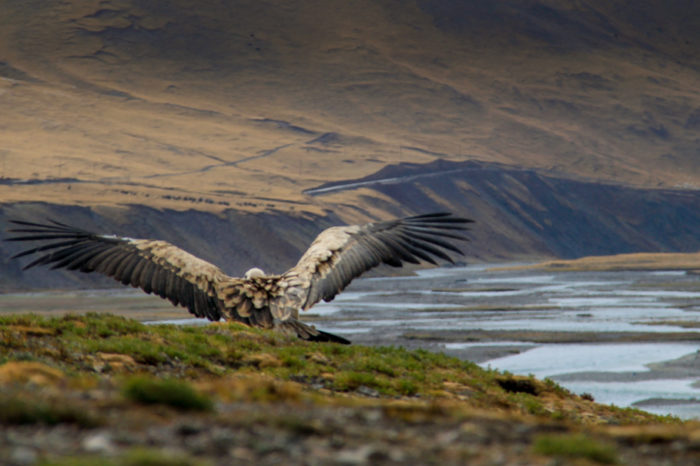
Civilizations of Eastern Tibet
Journey through Eastern Tibet and Sichuan from Xining to Shangri-la via Kumbum, Qinghai Lake, Mount Amnye Machen, Yushu, Dzogchen, Derge, Lithang, Yading, and Dechen.

The Land of Four Rivers and Six Ranges
Explore Eastern Tibet from Xining to Mount Amnye Machen, Yushu, and Nangchen. Experience stunning landscapes, sacred mountains, and Tibetan culture.

Khampa Heartland
Journey across Amdo & Kham Tibet from Xining to Chengdu. Visit Qinghai Lake, Amnye Machen, Yushu, Dzogchen, Derge, Ganzi, Lithang & Danba’s Tibetan villages.
We are recommended by
We are committed to providing authentic, high quality, environmentally sustainable travel services. Join us and experience once in a lifetime holiday.
Recent Trips
.jpg "amdo monlam festival tour")