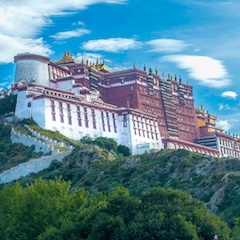
Lake Manasarovar
Lake Manasarovar – Sacred Waters of the Tibetan Plateau
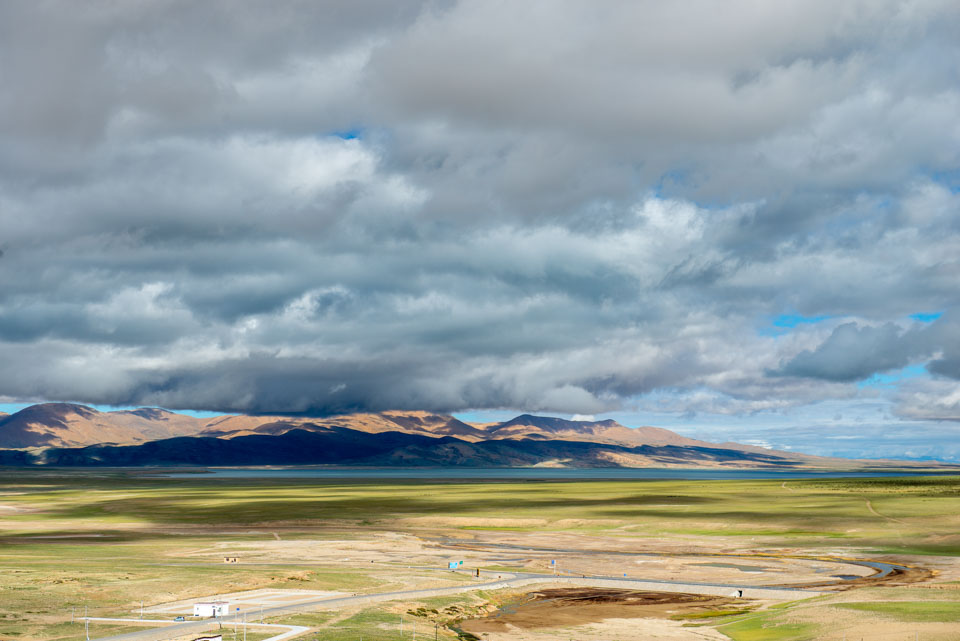
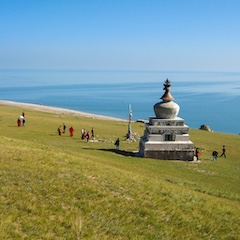
Lake Manasarovar, known locally as Mapam Yumtso (མ་ཕམ་གཡུ་མཚོ།), meaning “Invincible Jasper Lake” in Tibetan, stands as one of the world’s most sacred bodies of water. Located in the traditional Tibetan region of Ngari at an elevation of 4,590 meters (15,060 feet), this pristine freshwater lake is situated near Mount Kailash in what is now controlled by China as part of the Tibet Autonomous Region.
Lake Manasarovar lies near the western trijunction between China, India and Nepal, at an elevation of 4,600 m (15,100 ft). The lake covers an area of approximately 412 square kilometers and reaches depths of up to 90 meters at its center. It overflows into the adjacent salt-water lake of Rakshastal via the Ganga Chhu.
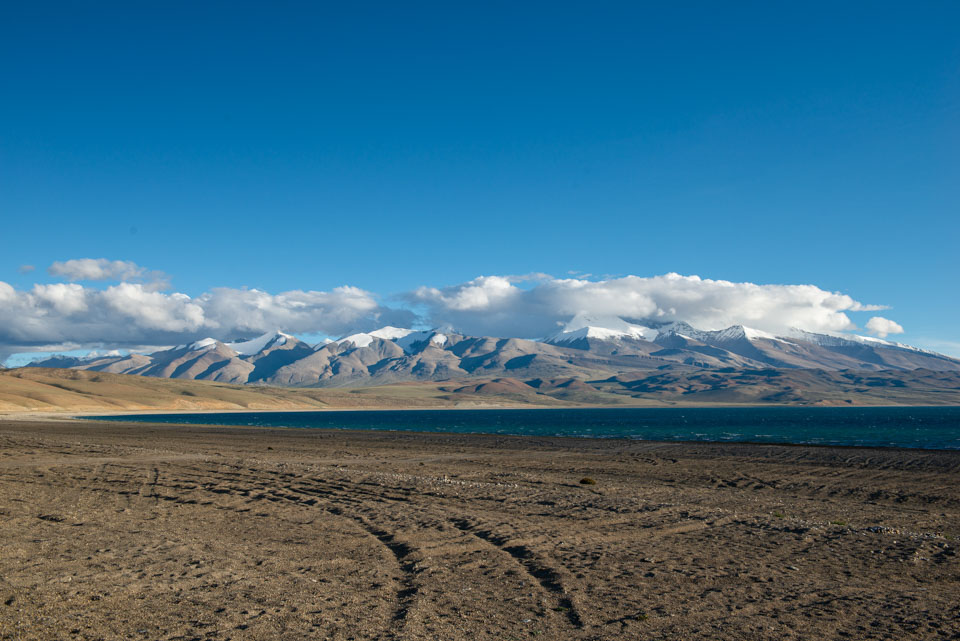
The lake is surrounded by breathtaking natural beauty, with the majestic Himalayas to the south and the steep Kailash Range to the north. Mount Kailash, standing majestically about 30 kilometers to the northwest, forms an inseparable spiritual partnership with the lake. The sources of four rivers: Indus, Sutlej, Brahmaputra, and Karnali lie in the vicinity of the region.
Religious and Spiritual Significance
Lake Manasarovar holds profound sacred meaning across four major religious traditions:
Hinduism
For Hindus, Manasarovar Lake holds immense reverence. They believe Lord Brahma, the god of creation, created it. According to Hindu beliefs, the lake is a creation of the mind of the god Brahma. He created a perfect area for his sons to take a bath after a strenuous trek. Hindu pilgrims traditionally bathe in the sacred waters, believing this act washes away sins accumulated over lifetimes and brings them closer to moksha (liberation).
Buddhism
In Buddhism, Kailash represents the father of the world and Lake Mansarovar symbolizes the mother. Buddhist tradition holds that Queen Maya bathed in the lake before giving birth to the Buddha, making it a site of profound spiritual significance. Tibetan Buddhists associate the lake with the legendary Anavatapta Lake, where Queen Maya dreamt of conceiving Buddha.
Jainism
In Jainism, Lake Manasarovar is associated with its founder and the first Tirthankara, Rishabhanatha. As per Jain scriptures, he attained nirvana on the Ashtapad Mountain. The lake serves as an important pilgrimage destination for Jains seeking spiritual growth and connection with their faith.
Bon Religion
When Tonpa Shenrab, the founder of the Bon religion, visited Tibet for the first time and bathed in the lake. For the Bon people, the region was the centre of the ancient Bon empire of Zhang Zhung and is associated with the holy place of Zhang Zhung Meri deity.
Historical Context and Name Evolution
The lake’s spiritual significance has evolved over centuries. Records show that the lake’s name changed from “Machui Tso” to “Mapam Yumtso” in the 11th century after a significant event. During that time, a competition was held between Buddhism and the Bon, a prominent pre-Buddhist religion in Tibet. When Buddhists won, the lake was renamed.
The earliest name of Manasarovar was “Matri”, or “Matri Tso”, which was a name of a Dragon King of Bon Religion. According to Buddhist tradition, Padmasambhava showed his magic powers and conquered the four dragon kings, converted them to Buddhism, and the four dragon kings gradually became the four dharma protectors of Tibetan Buddhism.
Pilgrimage Traditions and Practices
Circumambulation (Kora)
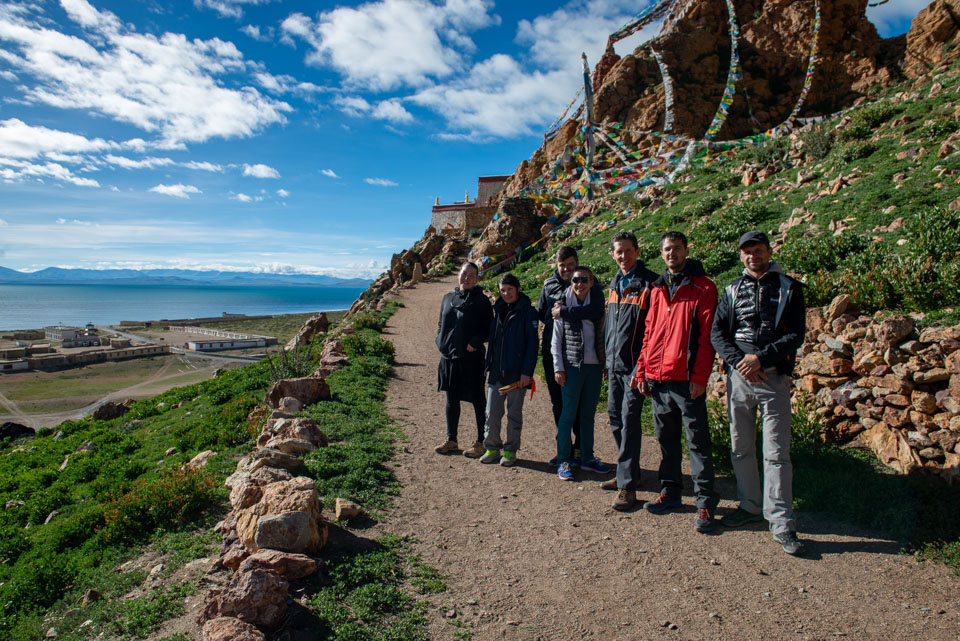
The traditional pilgrimage involves circumambulating the lake, a practice known as kora. The Parikrama of Lake Manasarovar earlier used to be 105 km, but now it has been reduced to roughly 90 km due to global warming. Pilgrims walking around the holy lake takes four-five days to make up one full circumambulation.
Followers of Bon walk around in a counterclockwise direction, while everyone else walks clockwise. The practice is believed to purify the soul and bring spiritual merit to devotees.
Cultural Differences in Practice
While Hindu pilgrims traditionally bathe in the sacred waters, Tibetans circumambulate and prostrate to such places but never take bath in such holy lakes in Tibet. Buddhists don’t swim in the lake, instead focusing on walking meditation and prayer around its perimeter.
Natural Features and Ecology
Lake Manasarovar is the most transparent fresh lake in China, with waters so clear with transparency up to 14 meters, that you can easily see fish swimming deep inside the lake. The lake’s pristine condition and stunning blue color create a mirror-like surface that reflects the surrounding snow-capped peaks and floating clouds.
Wildlife around the lake includes migratory birds, and beautiful swans or migratory birds can be spotted near its shoreline. The area surrounding the lake is believed to have medicinal properties, with plants around the lake thought to have medicinal properties, and the springs believed to cure various illnesses.
Monasteries and Sacred Sites
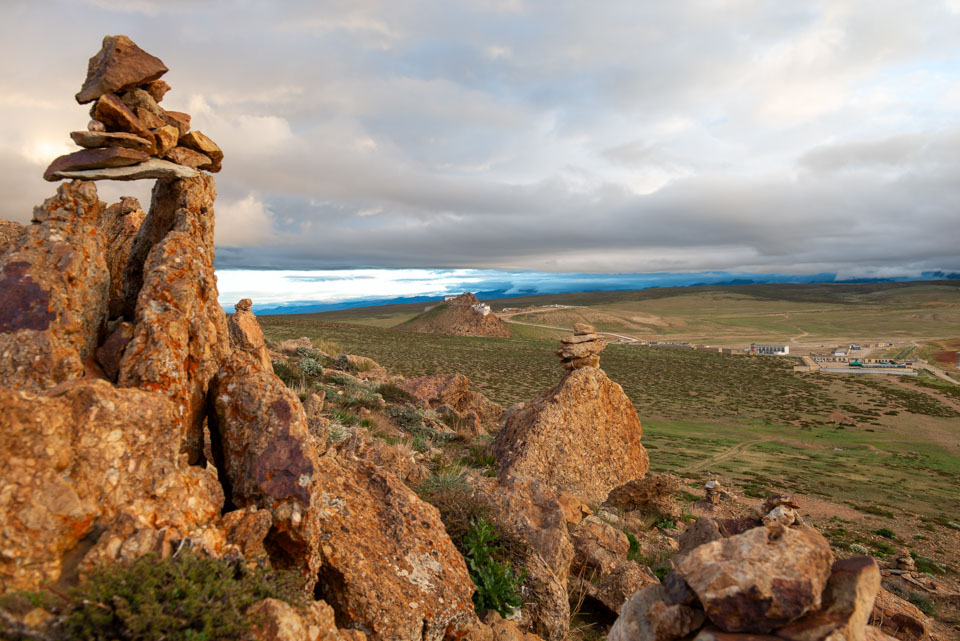
In the past centuries, the holy lake surrounds by eight different kinds of monasteries symbolizing the wheel of life where gradually one by one the monasteries were damage and now only two of them survived. The most prominent is Chiu Gompa (also spelled Chewu), perched on a hill overlooking the lake.
Political Context and Access
Like other areas of traditional Tibet, access to Lake Manasarovar is controlled by Chinese authorities. Religious pilgrimages to Mount Kailas and Manasarovar were permitted by China after its occupation of Tibet in 1950-51. While pilgrimage from India was guaranteed by the 1954 Sino-Indian Agreement, access was restricted after the subsequent 1959 Tibetan uprising, and the borders were closed after the Sino-Indian War in 1962.
After nearly two decades, pilgrimage from India was allowed in 1981 after an agreement between the governments of India and China. The pilgrimage was suspended for three years since 2020 due to the COVID-19 pandemic. The route was re-opened in 2023 with new regulations.
Modern Pilgrimage and Tourism
Today, the sacred lake attracts pilgrims from across South Asia and beyond. Mansarovar Kailash Yatra holds great spiritual significance not just for Hindus but for Buddhists, Jains, and Bons as well. The pilgrimage season typically runs from May to September, when weather conditions are most favorable.
International visitors require special permits beyond standard Chinese visas to access the region. The journey typically involves either overland routes from Lhasa (approximately 1,200 kilometers) or from the Nepal border.
Environmental Concerns
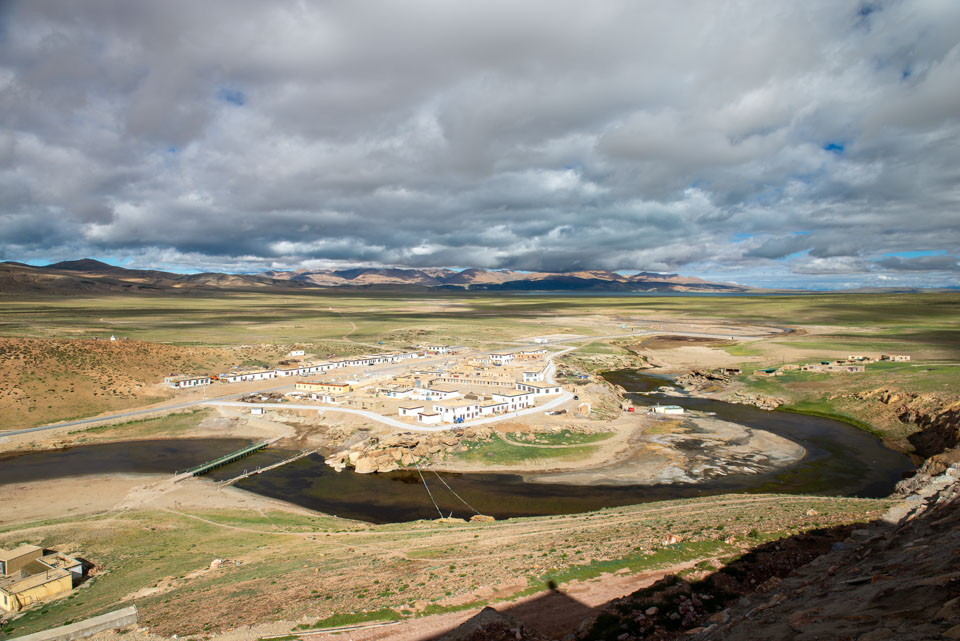
The pristine nature of Lake Manasarovar faces challenges from climate change and increasing tourism. The Parikrama of Lake Manasarovar earlier used to be 105 km, but now it has been reduced to roughly 90 km due to global warming, indicating environmental changes affecting the lake’s shoreline.
Cultural Legacy
Lake Manasarovar represents more than a geographical feature; it embodies the intersection of diverse spiritual traditions and the resilience of faith across centuries. Despite political changes and modern challenges, the lake continues to serve as a powerful symbol of spiritual purity and devotion for millions of believers.
Together with Mount Kailash, they represent the harmony and balance of the cosmos, with the lake representing the feminine principle of wisdom and purity while Kailash embodies the masculine principle of strength and power.
The enduring appeal of Lake Manasarovar lies not just in its stunning natural beauty, but in its capacity to unite diverse religious traditions in shared reverence for the sacred. For centuries, it has remained a place where the physical and spiritual worlds converge, offering pilgrims from all backgrounds an opportunity for reflection, purification, and spiritual transformation in one of the world’s most remote and pristine environments.
Recent Posts
- Shoton Festival Begins in Lhasa!
 August 23, 2025
 - Tour Price in Tibet
 August 23, 2025
 - Qinghai Shaman Festival in Rebkong Concludes Successfully
 August 21, 2025
Related Tours
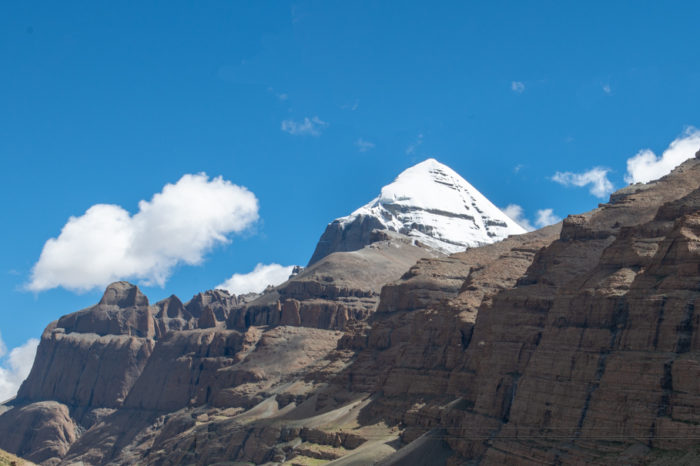
Mount Kailash and Guge Kingdom
Lhasa ➔ Yamdrok Lake ➔ Shigatse ➔ Zhada ➔ Guge Kingdom ➔ Mount Kailash Kora ➔ Lake Manasarovar
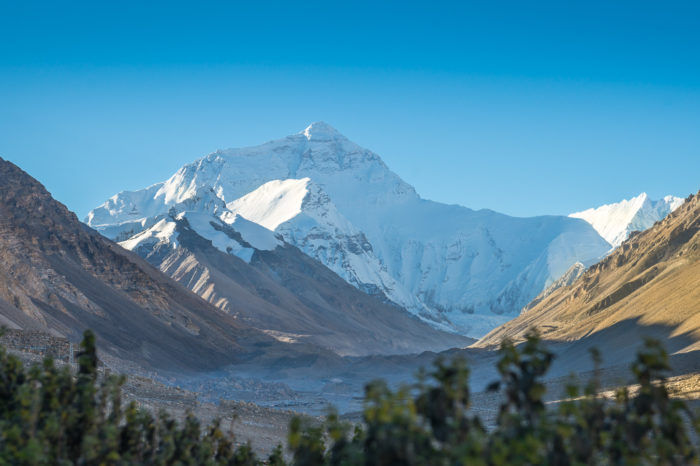
Wonders of Mountain Kingdom
Lhasa ➔ Yamdrok Lake ➔ Gyantse ➔ Shigatse ➔ Rongbuk Monastery ➔ Everest Base Camp ➔ Peikutso Lake ➔ Mount Kailash Kora ➔ Lake Manasarovar ➔ Kyirong / Lhasa
Sacred Mt. Kailash
Mt. Kailash, known as the "Precious Jewel of Snows" in Tibetan, is revered by Buddhists as the dwelling place of the deity Chakrasamvara. It is believed that completing 108 circumambulations around the mountain leads to …
We are recommended by
We are committed to providing authentic, high quality, environmentally sustainable travel services. Join us and experience once in a lifetime holiday.
Recent Trips
.jpg "amdo monlam festival tour")