Namtso Lake
Namtso Lake: The Heavenly Lake of Tibet
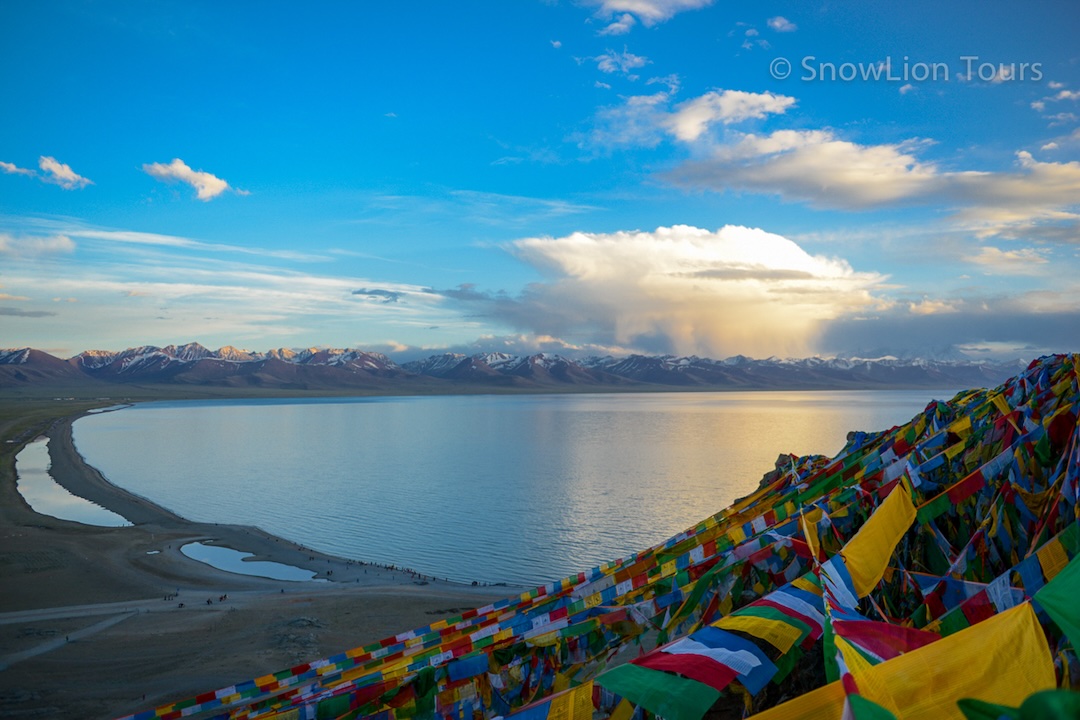
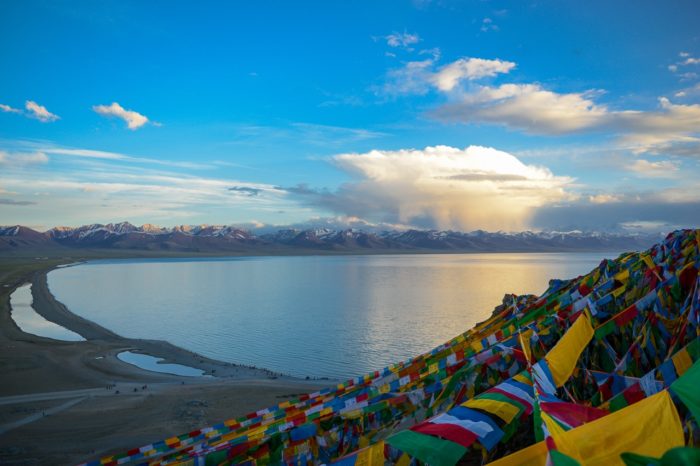
Namtso Lake, also known as “Heavenly Lake” in Tibetan, is located north of Lhasa at the eastern end of the vast Changtang Plateau. This magnificent body of water stands as the second-largest salt lake in Tibet, surpassed only by Qinghai Lake (Lake Kokonor) in Qinghai Province. The lake stretches impressively across the high-altitude landscape, measuring 70 kilometers in length from east to west and 30 kilometers in width from south to north.
As the largest lake within the Tibet Autonomous Region, Namtso offers visitors perhaps the most spectacular vista of the Tibetan Plateau imaginable. The crystal-clear waters are dramatically surrounded by snow-capped mountains and vast grasslands, creating a landscape of such pristine beauty that it has inspired pilgrims, poets, and travelers for over a millennium.
Elevation and Natural Environment
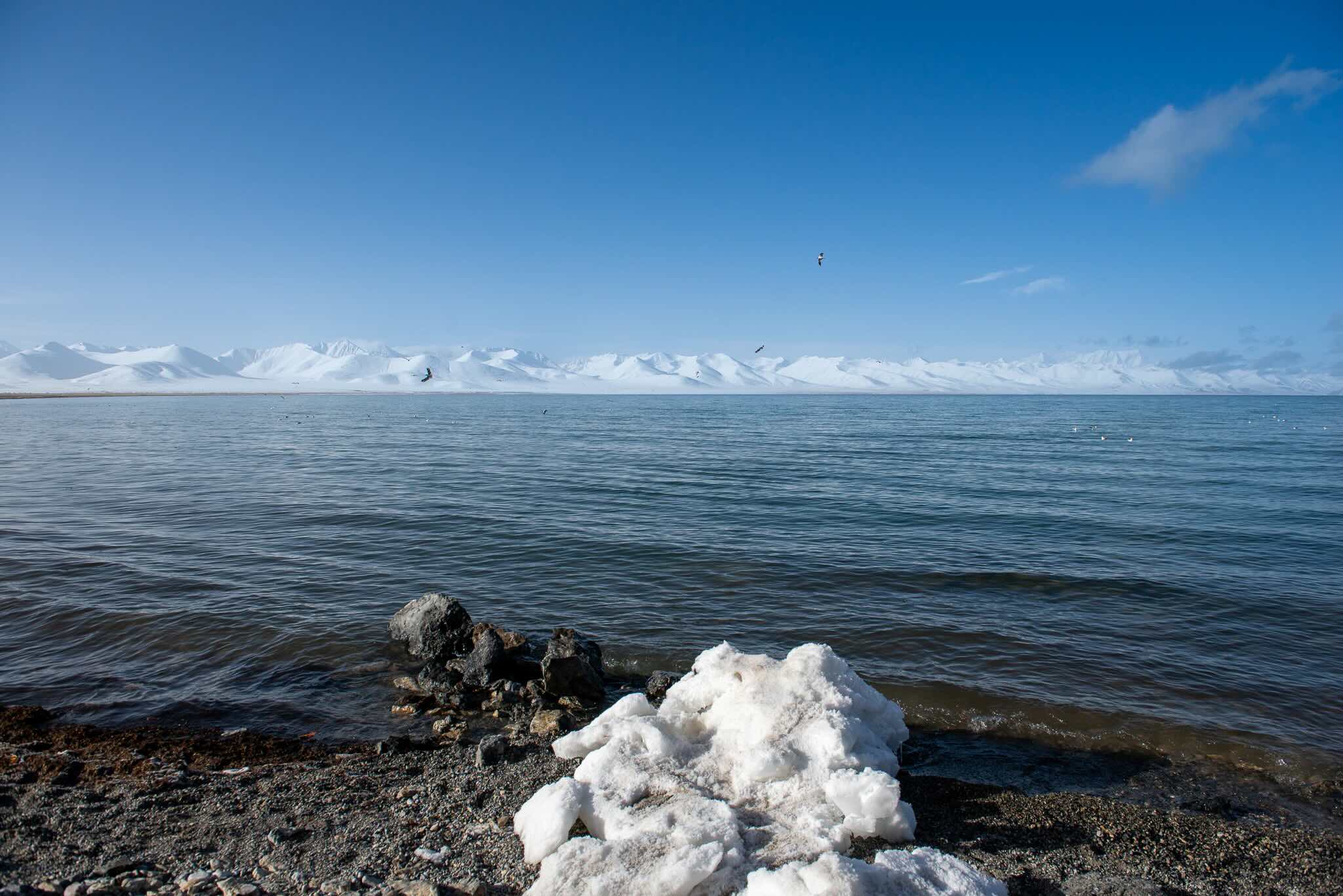
Situated at an elevation of 4,700 meters above sea level, Namtso Lake represents one of the world’s highest large lakes, existing in the rarified atmosphere of the Tibetan Plateau. At this extreme altitude, the lake experiences dramatic seasonal variations, with winter temperatures causing portions of the shoreline to freeze while summer brings brilliant blue waters that mirror the endless sky above.
The eastern corner of the lake serves as an important bird sanctuary, providing crucial habitat for the endangered black-necked cranes and various other wildlife species that have adapted to life at this extraordinary elevation. The surrounding ecosystem supports a unique community of high-altitude flora and fauna, including rare medicinal plants and hardy grassland species that have evolved to thrive in one of Earth’s most challenging environments.
Namtso Lake
Sacred Significance and Religious Importance
Namtso Lake holds profound spiritual significance as one of the four most sacred lakes in the Tibet Autonomous Region, alongside Yamdrok Lake, Lhamo Lhatso Lake, and Manasarovar Lake. For Tibetan Buddhists, these sacred lakes are considered dwelling places of protective deities and sources of spiritual power that influence both individual karma and the collective welfare of Tibet.
The lake’s sacred status has made it a major pilgrimage destination for centuries, with devotees traveling from across the Tibetan Plateau to perform ritual circumambulations, make offerings, and seek blessings from the lake’s protective spirits. According to traditional beliefs, the pure waters of Namtso possess the power to cleanse negative karma and generate spiritual merit for those who approach with proper devotion and respect.
Tashi Dor Monastery and Sacred Peninsula
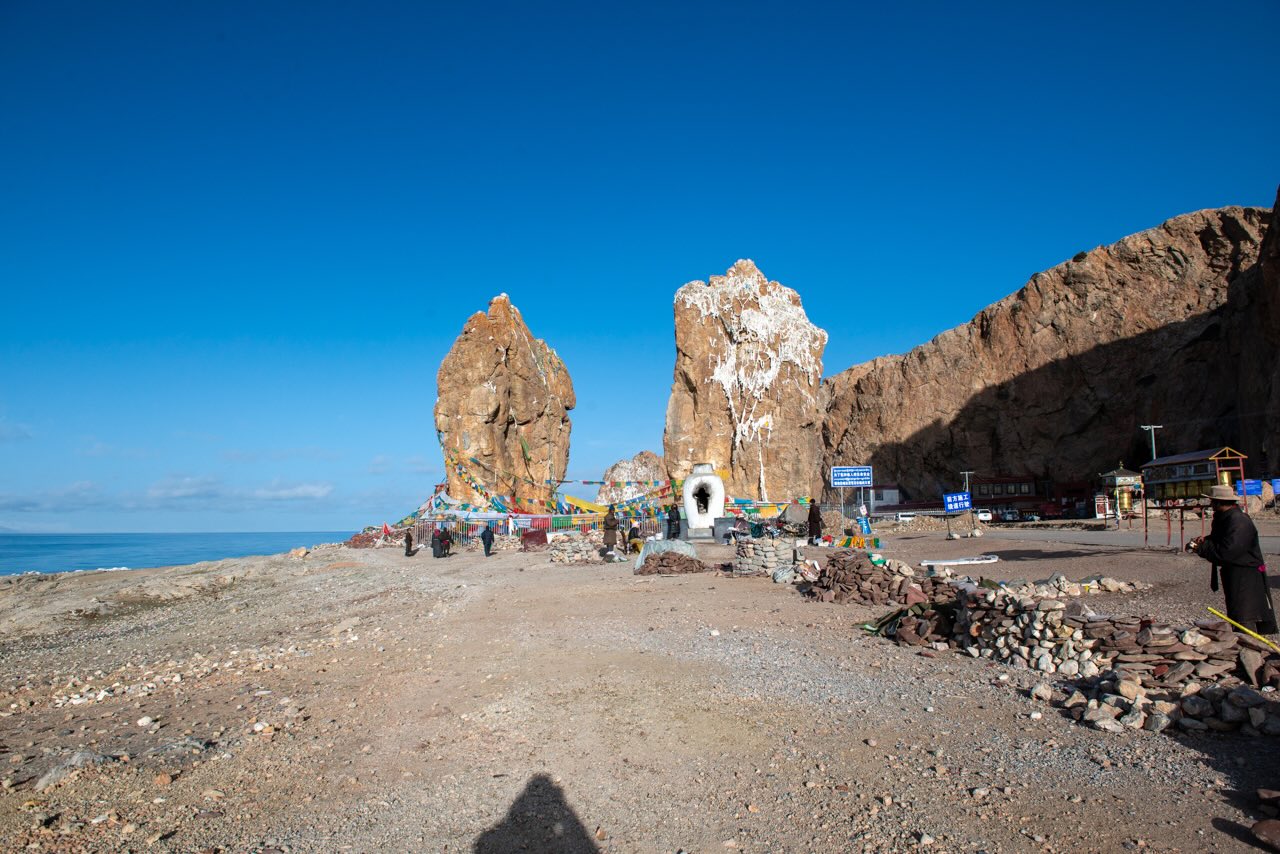
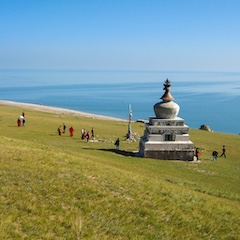
On the southeastern shore of the lake, a dramatic rocky peninsula extends into the pristine waters, home to the historic Tashi Dor Monastery. This small but spiritually significant monastery has served as a retreat center for serious practitioners for over a thousand years, offering the perfect combination of isolation, natural beauty, and sacred energy necessary for intensive meditation practice.
The monastery complex includes numerous hermitage caves, many of which have housed famous masters throughout Tibetan Buddhist history. Most notably, one cave is traditionally associated with Padmasambhava (Guru Rinpoche) and his spiritual consort Yeshe Tsogyal, two of the most revered figures in Tibetan Buddhism. According to legend, these great masters meditated in these caves during the 8th century, imbuing the location with their spiritual blessings and establishing it as a powerful place of practice.
Living Meditation Tradition
Today, the caves around Tashi Dor continue to host meditators and yogis from across the Tibetan Plateau who come to engage in intensive retreats ranging from months to years in duration. These modern practitioners maintain an unbroken lineage of contemplative practice that connects directly to the great masters of the past, demonstrating the continuing vitality of Tibetan Buddhist meditation traditions.
The peninsula’s unique geography, with its two prominent rocky mountains flanking the monastery complex, creates natural meditation environments where practitioners can experience profound silence interrupted only by the gentle lapping of lake waters and the wind across the high grasslands.
Visitor Accommodations and Experience
The guesthouses at Namtso Lake are strategically located on the peninsula between the two rocky mountains, providing visitors with spectacular views and easy access to both the lake and the surrounding hiking opportunities. These basic but adequate accommodations offer options for both private twin-bed rooms and dormitory-style lodging, catering to different budgets and travel preferences.
While shower facilities are not available due to the remote location and harsh environmental conditions, guesthouse operators provide hot water for basic washing needs. The rustic nature of the accommodations adds to the authentic experience of visiting one of Tibet’s most remote and pristine destinations.
Hiking and Photography Opportunities
Both rocky mountains flanking the peninsula offer excellent hiking opportunities and serve as premier photography locations for capturing the lake’s stunning beauty. The moderate climbs reward hikers with panoramic views encompassing the entire lake, the surrounding Nyenchen Tanglha mountain range, and the vast expanse of the Changtang Plateau stretching to the horizon.
From these elevated vantage points, visitors can fully appreciate the scale and majesty of Namtso Lake while capturing photographs that showcase the dramatic interplay of water, mountains, and sky that makes this location unique among the world’s high-altitude lakes.
Sacred Circumambulation and Pilgrimage Circuit
For visitors with adequate time and physical preparation, the traditional pilgrimage circuit around the rocky mountains offers a deeply meaningful experience that typically requires 1.5 to 2 hours to complete. This sacred walk (kora) is highly recommended for those seeking to connect more deeply with the spiritual significance of the location.
By following local pilgrims along the traditional route, visitors can discover hidden hermit caves, sacred sites, and offering places that have been used by devotees for centuries. The circumambulation provides opportunities to observe traditional Tibetan religious practices while experiencing the profound silence and natural beauty that have inspired countless practitioners to seek enlightenment in this remarkable setting.
Nyenchen Tanglha: The Protector Mountain
Dominating the northern horizon, the magnificent snow-covered peak of Nyenchen Tanglha (7,162 meters) serves as a dramatic backdrop to Namtso Lake. According to Tibetan tradition, this sacred mountain is the dwelling place of a powerful protector deity who guards both the lake and the surrounding region. The mountain’s imposing presence adds a sense of grandeur and spiritual power to the entire landscape, creating one of the most photogenic mountain-lake combinations in the world.
Seasonal Experiences and Wildlife
Summer months transform the lake environment into a paradise of wildflowers, with hardy alpine species creating carpets of color across the grasslands. During this season, the bird sanctuary becomes particularly active, offering opportunities to observe black-necked cranes and other high-altitude species in their natural habitat.
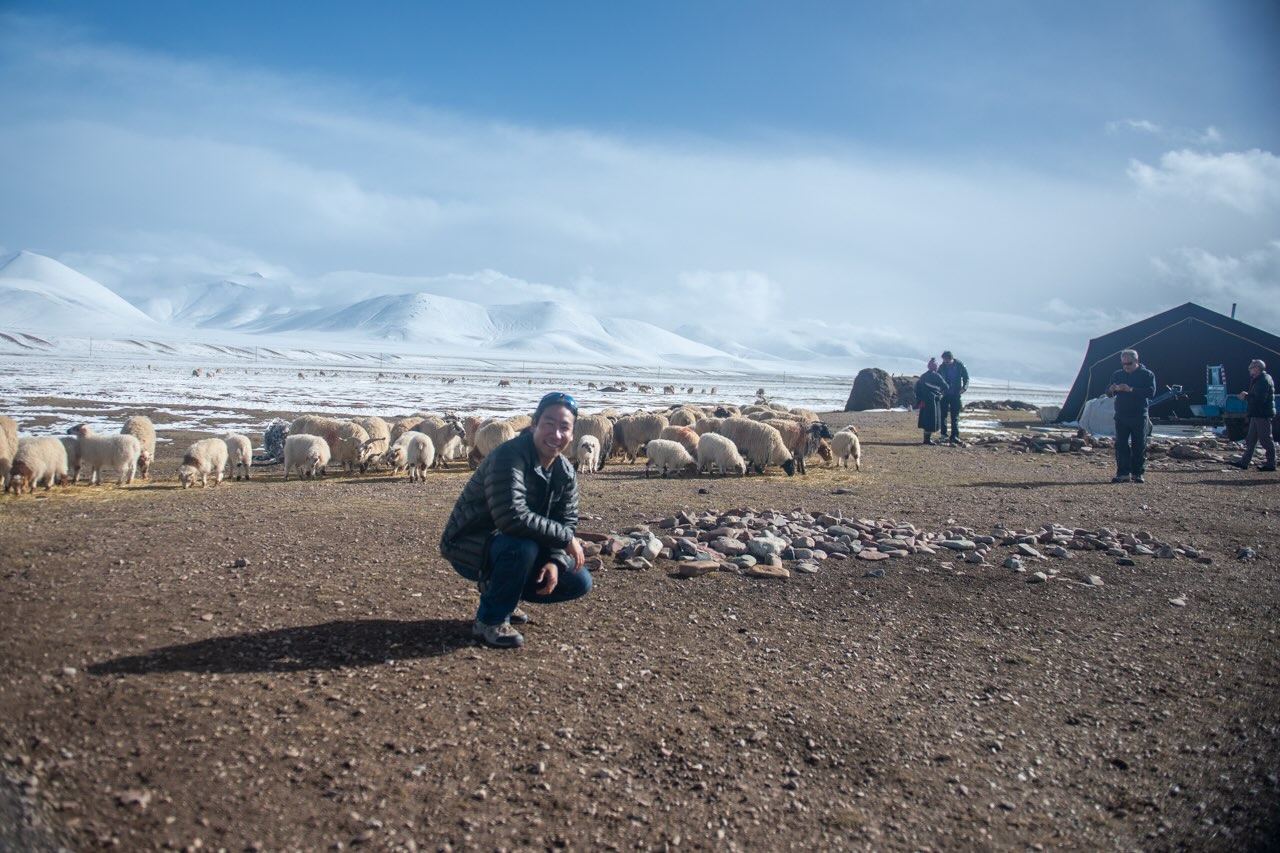
The area also provides unique cultural experiences, including interactions with local nomadic herders who continue to practice traditional yak herding in the surrounding grasslands. Visitors often have opportunities to photograph themselves with yaks, experience traditional nomadic hospitality, and even challenge locals to games of pool in the surprisingly cosmopolitan atmosphere of this remote location.
Travel Information and Recommendations
Distance and Access: Namtso Lake is located 220 kilometers from Lhasa, making it accessible for both day trips and overnight visits. However, spending at least one night at the lake is strongly advised to experience the spectacular sunrise and sunset views that showcase the lake’s beauty under different lighting conditions.
Yangpachen Hot Springs: On the route to Namtso Lake, travelers can enjoy a relaxing stop at the natural hot springs in Yangpachen, where mineral-rich thermal waters provide a soothing respite from the journey and help with acclimatization to the high altitude.
Best Visiting Seasons:
- Summer (June-September): Warmest weather with wildflower displays and optimal road conditions
- Autumn (September-October): Clear skies and stable weather with fewer crowds
- Winter access may be limited due to snow and extreme cold
Altitude Considerations: At 4,700 meters, Namtso requires proper acclimatization. Visitors should spend adequate time in Lhasa before attempting this high-altitude excursion and should be prepared for potential altitude-related effects.
A Transformative Natural Wonder
Namtso Lake represents one of Tibet’s most accessible yet profoundly moving natural wonders, where the raw beauty of the high-altitude environment combines with deep spiritual significance to create an unforgettable experience. The lake serves as a powerful reminder of the Tibetan understanding that certain landscapes possess the ability to transform human consciousness through their sublime beauty and spiritual energy.
For visitors, whether seeking spiritual inspiration, natural beauty, or simply the adventure of experiencing one of the world’s highest and most pristine lake environments, Namtso offers an encounter with the essential Tibet – a land where earth and sky meet in perfect harmony, where ancient wisdom traditions continue to flourish, and where the natural world retains its power to inspire awe and reverence in all who witness its majesty.
The experience of watching sunrise or sunset over Namtso’s pristine waters, with the sacred peak of Nyenchen Tanglha reflected in the lake’s mirror-like surface, creates memories that last a lifetime while providing deep insights into why this remarkable landscape has inspired spiritual seekers and nature lovers for over a thousand years.
Recent Posts
- Shoton Festival Begins in Lhasa!
 August 23, 2025
 - Tour Price in Tibet
 August 23, 2025
 - Qinghai Shaman Festival in Rebkong Concludes Successfully
 August 21, 2025
Related Tours
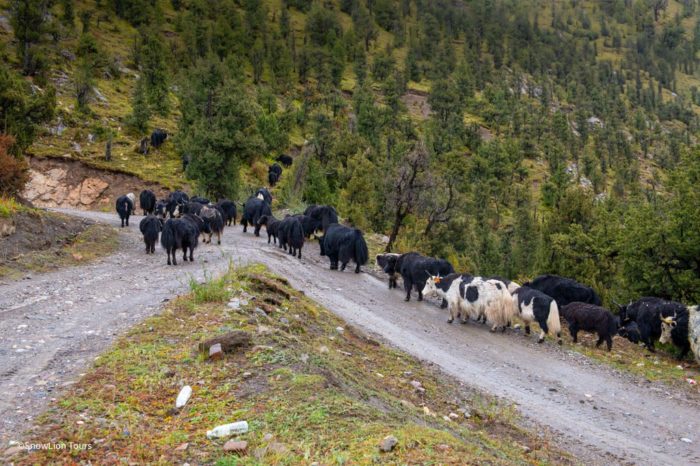
Expedition to the East
Starting in Lhasa, discover the famous Potala Palace, watch the monks debate at Sera Monastery, and sip tea on a rooftop overlooking the bustling Barkhor market square. Follow the Nyang River out of Lhasa to …
Sacred Cities and Heavenly Lakes
In the sacred city of Lhasa, visit the grand Potala Palace, the holy Jokhang Temple, and the colorful Barkhor Square. Watch monks debate at Sera Monastery and join pilgrims in exploring the temples and prayer …
Heritage of the Holy City
In the sacred city of Lhasa, visit the grand Potala Palace, the holy Jokhang Temple, and the colorful Barkhor Square. Watch monks debate at Sera Monastery and join pilgrims in exploring the temples and prayer …
We are recommended by
We are committed to providing authentic, high quality, environmentally sustainable travel services. Join us and experience once in a lifetime holiday.
Recent Trips
.jpg "amdo monlam festival tour")