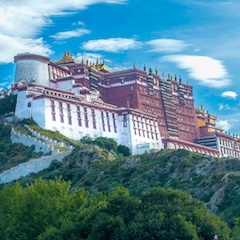
Potala Palace
Potala Palace: Tibet’s Architectural Marvel and Spiritual Heart
The Potala Palace stands as one of the greatest architectural achievements in the world, a magnificent testament to Tibetan culture, spirituality, and engineering prowess. Named after Mount Potalaka, the sacred mountain abode of Avalokiteshvara (the Bodhisattva of Compassion), the Potala has been recognized throughout different ages as the residence of Tibet’s two most illustrious rulers – both considered earthly emanations of Avalokiteshvara: the legendary King Songtsen Gampo and the successive Dalai Lamas.
This monumental structure represents the greatest architectural achievement in all of Tibet. Rising majestically 13 stories high, the palace holds countless treasures within its more than 1,000 rooms, chapels, and halls. Originally built in 637 AD during the reign of King Songtsen Gampo, the Potala Palace has served as the primary residence of the Dalai Lama lineage for over a millennium, making it the longest continuously occupied palace in the world.
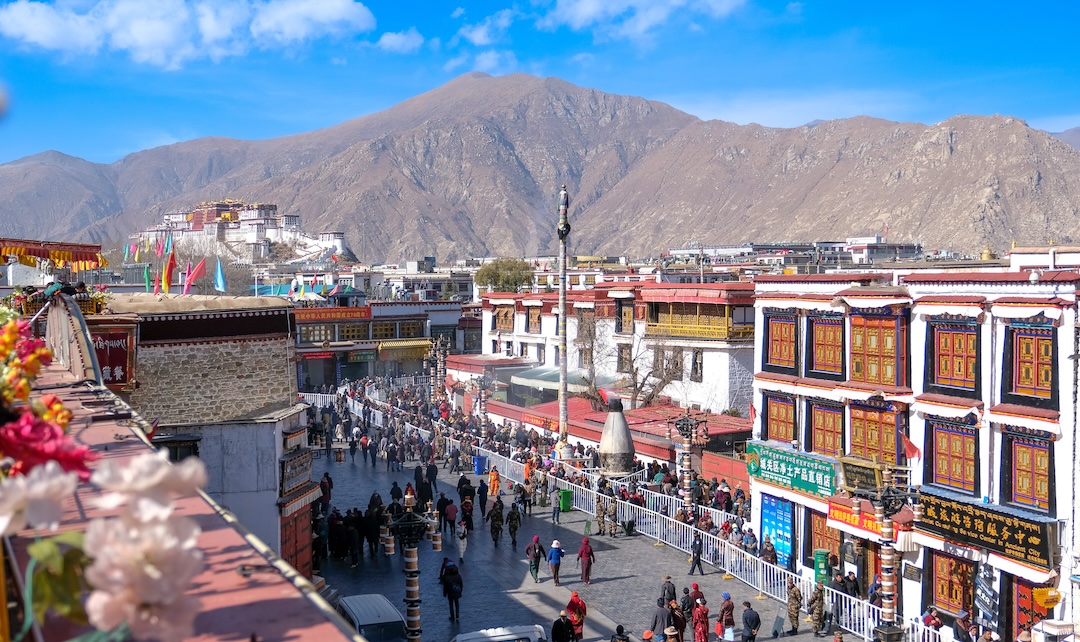
Potala Palace from Barkhor Street
Architectural Marvel and Location
The building towers dramatically above the city of Lhasa, rising from the rocky slopes of Mount Marpori (Red Hill), earning it the local name “Tse Podrang” (Summit Palace). At 3,700 meters above sea level, the palace reaches a height of 117 meters from its base, making it one of the tallest ancient buildings in the world. The structure’s strategic position offers commanding views across the Lhasa Valley and serves as a powerful symbol visible from throughout the city.
The White and Red Palaces
The Potala Palace complex consists of two main sections, each serving distinct purposes:
The White Palace (Potrang Karpo): The outer section has functioned as the traditional seat of government and served as the winter residence of the Dalai Lamas. This section contains the living quarters, administrative offices, reception halls, and the famous Great West Hall where important state ceremonies were conducted. The White Palace represents the temporal power of the Dalai Lamas as political leaders of Tibet.
The Red Palace (Potrang Marpo): The inner section contains the most sacred spaces, including outstanding temples, prayer halls, and the elaborate reliquary tombs (stupas) of eight past Dalai Lamas. These golden stupas, some reaching three stories high and encrusted with precious gems, represent the spiritual heart of the palace. The Red Palace symbolizes the religious authority of the Dalai Lamas as spiritual leaders.
Cultural and Spiritual Importance
In terms of global perception and Tibetan identity, the Potala Palace serves as a powerful symbol of Tibet’s past grandeur, present resilience, and future aspirations. The palace houses an incredible collection of Buddhist art, including over 2,500 square meters of murals, countless statues, thangka paintings, ancient manuscripts, and ritual objects accumulated over 1,300 years. These treasures represent one of the world’s most significant collections of Tibetan Buddhist art and culture.
Visiting Information
Obtaining Entrance Tickets
To enter the Potala Palace, visitors must first purchase entrance tickets at the ticket office located at the bottom of the Potala Palace, near the white stupa next to Chakpori Hill. Admission tickets must be purchased in advance, and visitors are required to present their passport and Tibet Travel Permit when purchasing tickets.
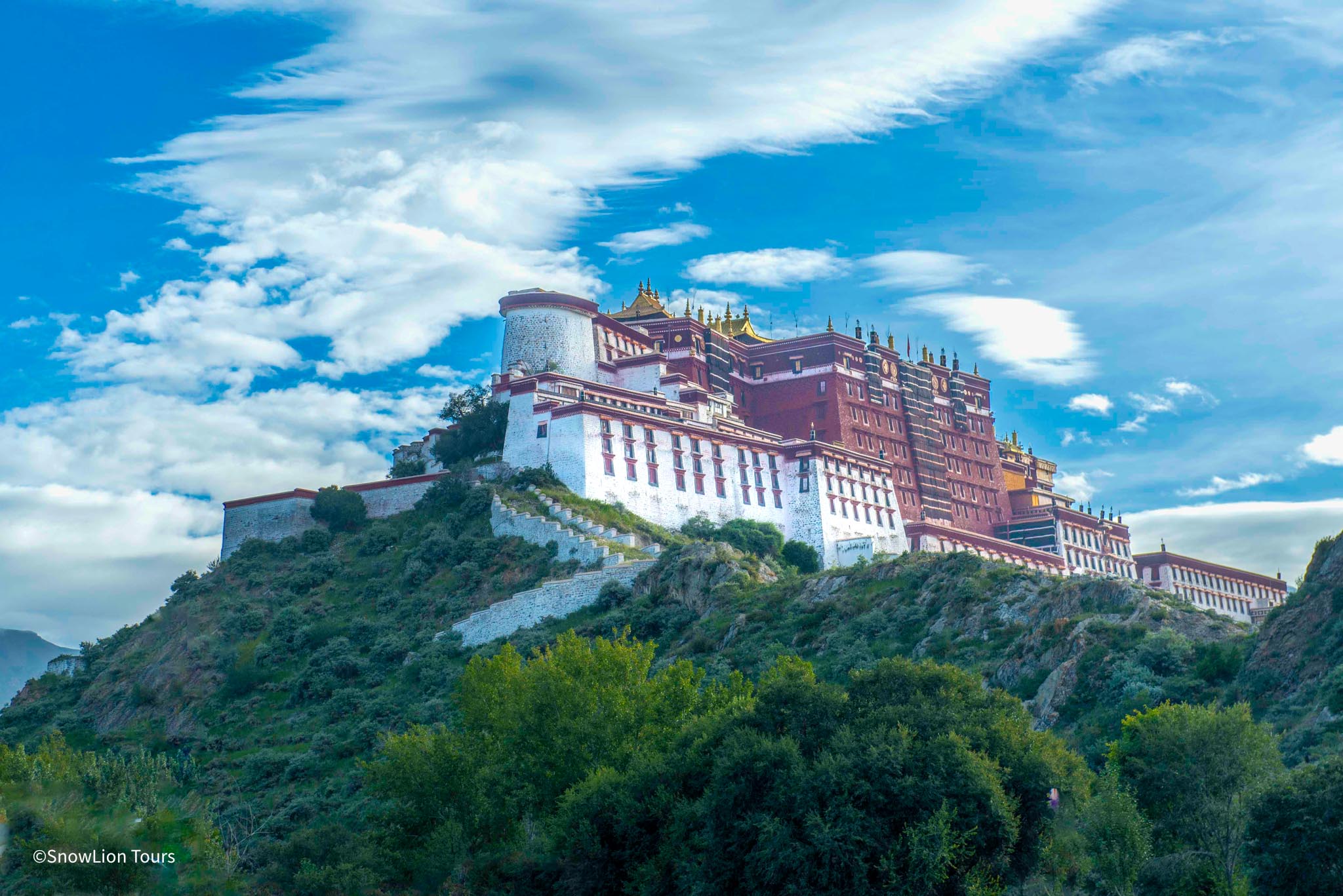
Potala Palace in Tibet
Ticket Pricing
The Potala Palace entrance ticket costs 200 CNY (approximately 30 USD) during peak season. Pricing may vary seasonally, and discounts are often available during the low season months.
Seasonal Booking Requirements
Low Season (January, February, March, April, November, and December): Tickets can often be purchased on the same day if you arrive at the ticket office before 12:30 PM, though advance booking is still recommended.
High Season (May, June, July, August, September, and October): Due to high demand, visitors have two options:
- Purchase tickets through a licensed travel agency, which includes a service fee but guarantees availability
- Visit the Potala Ticket Office with your guide one day before your intended visit to purchase tickets for the following day. This is the most economical option but requires arriving very early in the morning and potentially waiting in long queues.
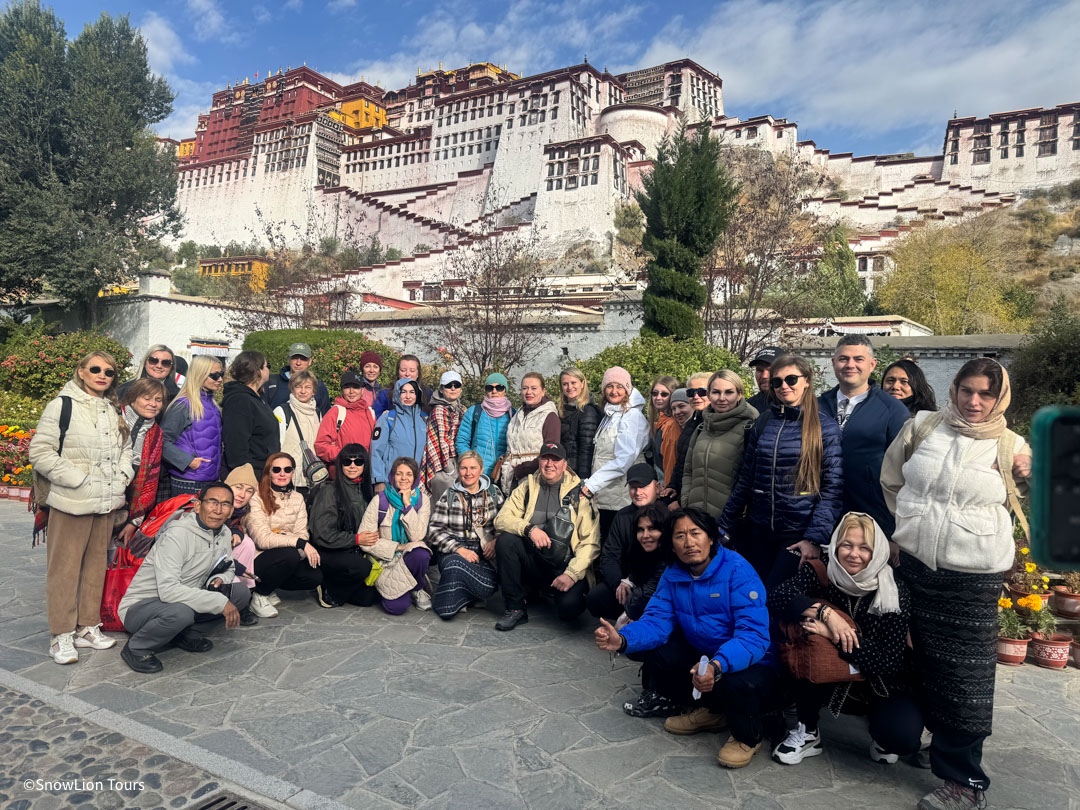
Visiting Procedures and Time Limits
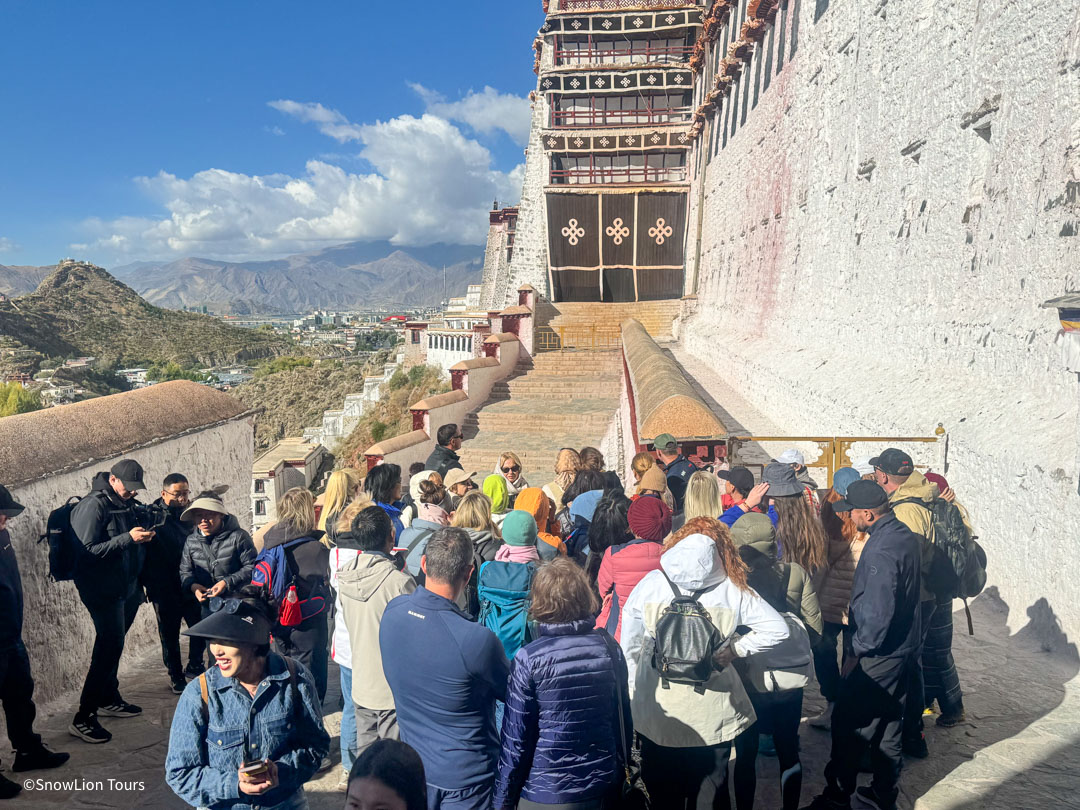
When purchasing tickets, visitors must select a specific visiting time for the following day. Punctuality is strictly enforced – visitors must arrive at the designated entrance gate on the eastern side of the palace at their scheduled time. Security checks are conducted at the entrance, where tickets, passports, and travel permits are verified.
Important: Once inside the palace, visitors have exactly one hour to complete their tour. This time limit is strictly enforced using an electronic tracking system where guides must swipe their license cards upon entry and exit. While this may seem restrictive given the palace’s vast size and countless treasures, the time limit helps preserve the structure and manage visitor flow.
Nearby Attractions and Activities
After visiting the Potala Palace, several meaningful activities and sites await nearby:
1. Potala Palace Kora (Circumambulation) Join local Tibetan pilgrims in performing kora – the sacred clockwise circumambulation around the Potala Palace. This spiritual practice offers visitors an authentic glimpse into Tibetan Buddhist devotional life and takes approximately one hour to complete. The path is marked with prayer wheels, incense offerings, and provides different perspectives of the palace’s magnificent architecture.
2. Lukhang (Dragon King Temple) Located on an island in the small lake behind the Potala Palace, Lukhang is a sacred temple dedicated to the Nagas (water deities or dragon kings). This 17th-century temple contains remarkable murals depicting tantric practices and is considered one of the most important esoteric Buddhist sites in Lhasa. The temple’s location provides beautiful reflective views of the Potala Palace across the water.
3. Potala Palace Photography Point The premier photography location is situated on the slopes of Chakpori Hill (Medicine Mountain), directly across from the palace on the western side. This designated viewpoint offers the classic postcard view of the Potala Palace and is particularly spectacular during sunrise and sunset. The site features the iconic perspective that appears on the Chinese 50-yuan banknote.
4. Chakpori Rock Carvings Located on the opposite side of Chakpori Hill, approximately 15-20 minutes’ walk from the right wing of the Potala Palace, visitors can explore one of Tibet’s largest collections of rock carvings. These sacred petroglyphs feature hundreds of Buddha images, deity figures, and religious symbols carved into a massive cliff face over many centuries. The carvings are enhanced with beautiful natural mineral pigments that have preserved their colors through the harsh Tibetan climate.
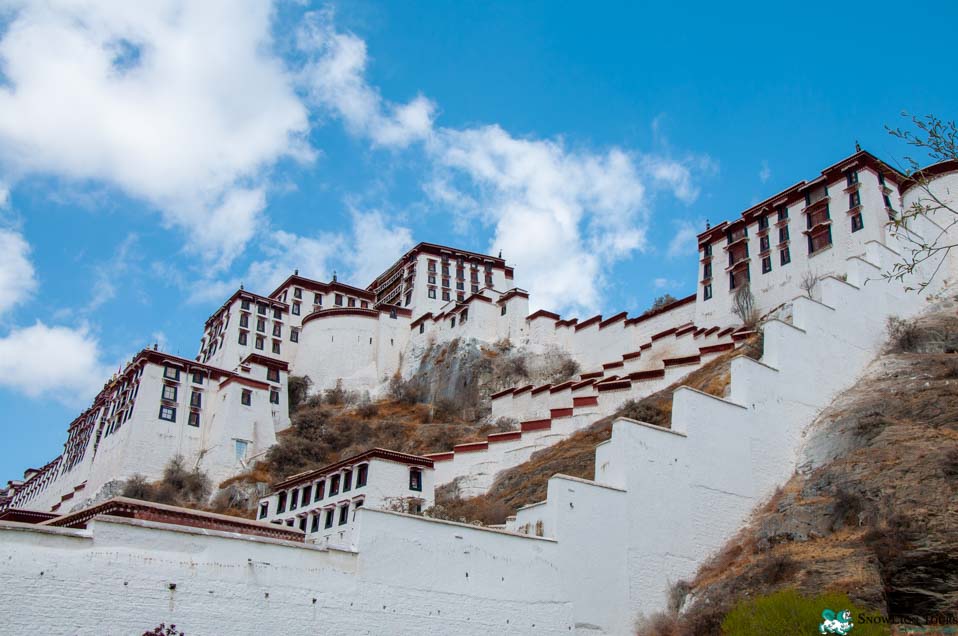
Potala
Additional Visitor Guidelines
Photography: Photography is generally not permitted inside the palace’s main halls and temples, though some areas may allow photography for an additional fee. Always confirm current policies with your guide.
Dress Code: Modest, respectful clothing is required. Remove hats and sunglasses when entering sacred spaces.
Prohibited Items: Large bags, liquids, and sharp objects are not permitted inside. Storage facilities are available at the entrance.
Physical Considerations: The palace tour involves climbing many steep stairs at high altitude. Visitors should be prepared for physical exertion and potential altitude-related effects.
Cultural Sensitivity: Remember that the Potala Palace remains a sacred site for Tibetan Buddhists. Maintain respectful behavior, speak quietly, and avoid touching religious objects or artwork.
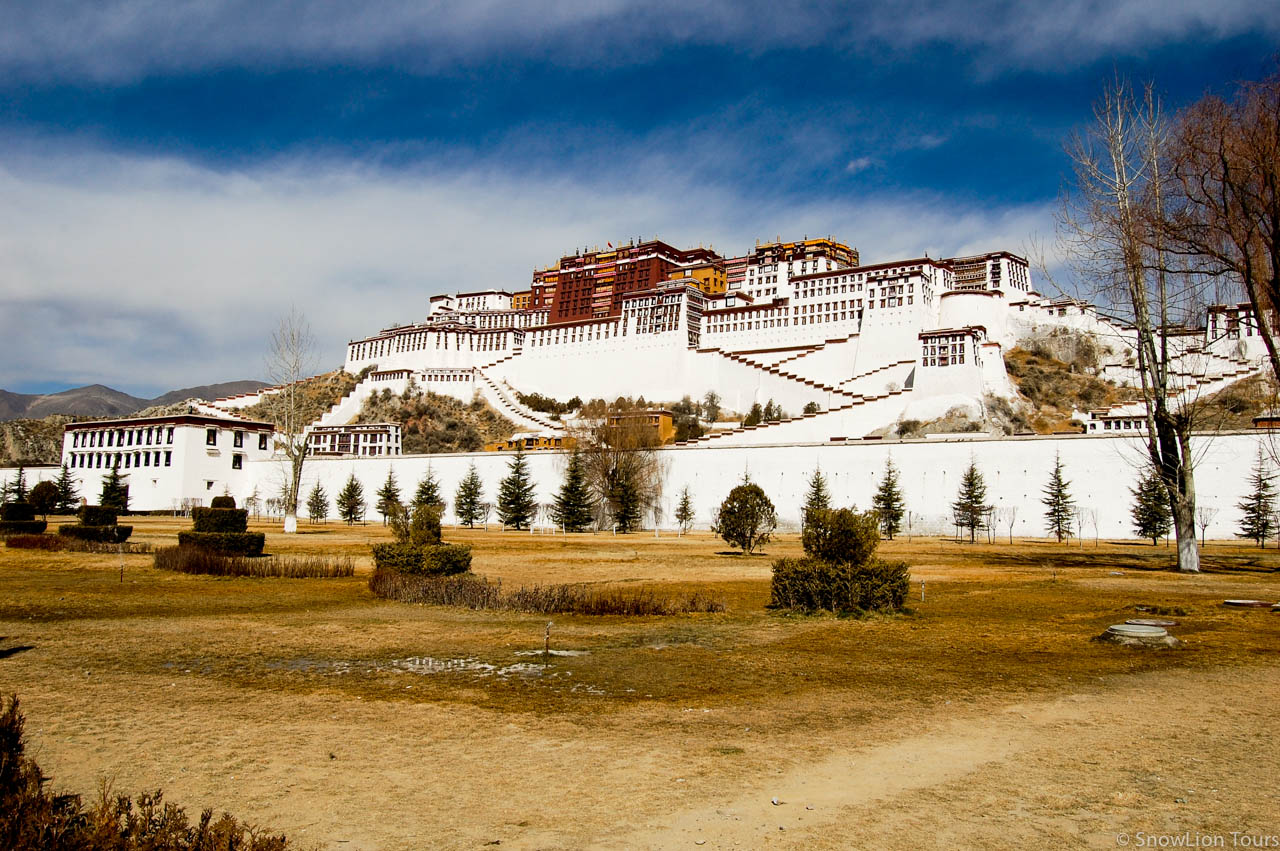
Potala Palace is the most famous and landmark building in Tibet. This is also the resident of Dalai lama.
A Living Monument
The Potala Palace represents far more than a tourist attraction – it stands as a living monument to Tibetan civilization, embodying over thirteen centuries of political, religious, and cultural history. Despite the challenges of modernization and political change, the palace continues to inspire millions of visitors annually while serving as an enduring symbol of Tibetan Buddhist culture and the remarkable achievements of Tibetan architecture and art.
For visitors, the Potala Palace offers a profound encounter with one of the world’s great architectural and spiritual treasures, providing insights into the sophisticated civilization that created and maintained this extraordinary monument across the centuries. The experience of walking through its sacred halls, viewing its priceless treasures, and understanding its deep cultural significance creates lasting memories and a deeper appreciation for Tibet’s remarkable heritage.
Recent Posts
- Shoton Festival Begins in Lhasa!
 August 23, 2025
 - Tour Price in Tibet
 August 23, 2025
 - Qinghai Shaman Festival in Rebkong Concludes Successfully
 August 21, 2025
Related Tours
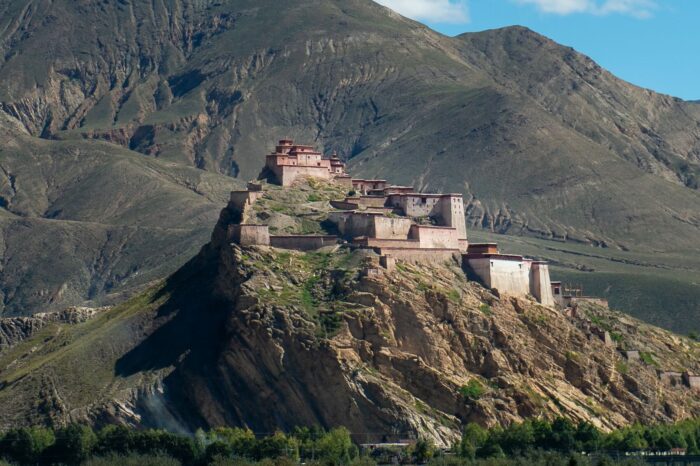
Lhasa & Shigatse Holy City Explore
In the sacred city of Lhasa, visit the grand Potala Palace, the holy Jokhang Temple, and the colorful Barkhor Square. Watch monks debate at Sera Monastery and join pilgrims in exploring the temples and prayer …
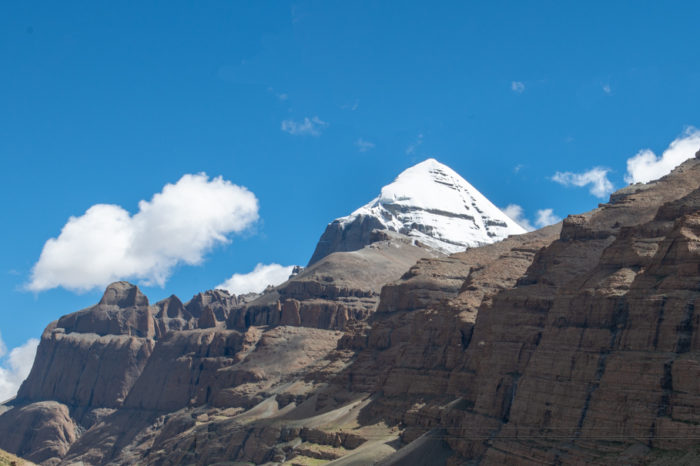
Sacred Mt. Kailash
Mt. Kailash, known as the "Precious Jewel of Snows" in Tibetan, is revered by Buddhists as the dwelling place of the deity Chakrasamvara. It is believed that completing 108 circumambulations around the mountain leads to …
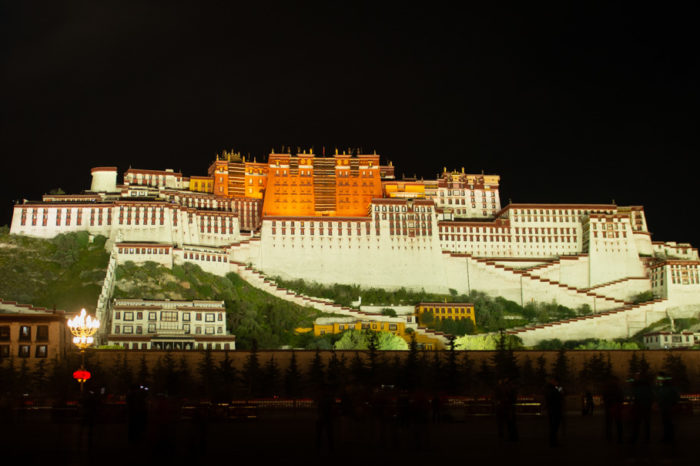
Taste of Lhasa
In the sacred city of Lhasa tour, visit the grand Potala Palace, the holy Jokhang Temple, and the vibrant Barkhor Square. Watch monks debate at Sera Monastery, and join pilgrims as they explore the temples …
We are recommended by
We are committed to providing authentic, high quality, environmentally sustainable travel services. Join us and experience once in a lifetime holiday.
Recent Trips

.jpg "amdo monlam festival tour")