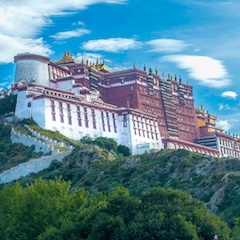
Tongren
Rebkong (Tib: རེབ་གོང་ / Cn: Tongren County) is located 180 km south of Xining City in Qinghai Province, in the Golden Valley of the Rongwu Guchu River in Malho (Huangnan) Tibetan Prefecture. Malho means “the place south of the Yellow […]
Rebkong (Tib: རེབ་གོང་ / Cn: Tongren County) is located 180 km south of Xining City in Qinghai Province, in the Golden Valley of the Rongwu Guchu River in Malho (Huangnan) Tibetan Prefecture. Malho means “the place south of the Yellow River,” and indeed, you will travel along the Yellow River before reaching Rebkong / Tongren.
The large valley where Rebkong / Tongren lies is about 2,600 m (8,500 ft) above sea level, stretching north to south and surrounded by striking red and yellow clay mountains. Many traditional villages and monasteries are scattered throughout this valley.
Rebkong / Tongren is considered the cradle of Amdo Tibetan civilization, making it the heart of both Tibetan culture and traditional arts. It is also the most influential Tibetan town in Amdo.
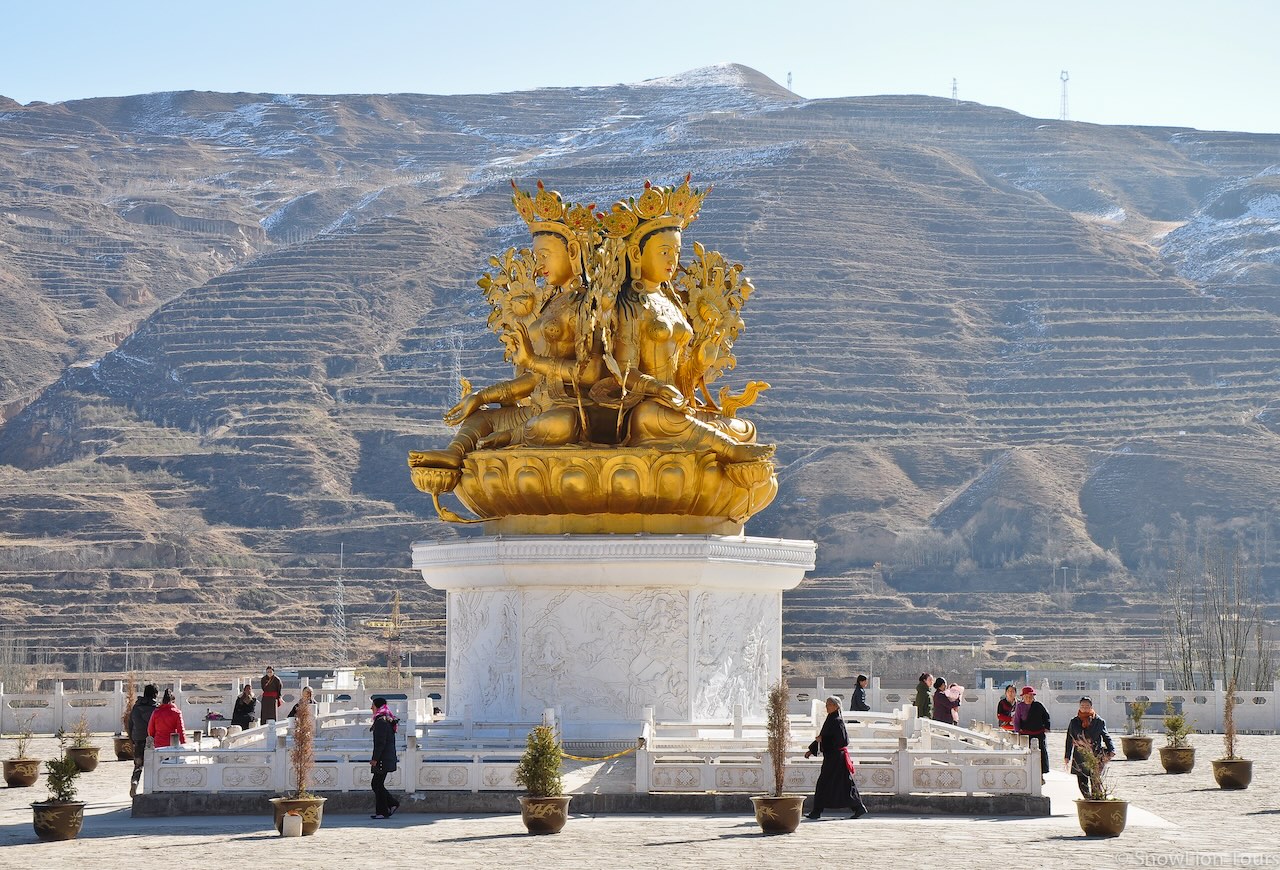
As the cultural heart of Amdo, Rebkong is renowned for its traditional Tibetan arts and preservation of heritage. The monasteries and villages around Rongwo are home to hundreds of artists. The most well-known include Rongwo Gonchen, Senggeshung Yago and Sanggeshung Mago (Upper and Lower Wutun Si), Gomar Gompa, and Nyamtok village.
If you are interested in Tibetan culture and traditional arts, Rebkong is one of the most recommended regions in Amdo. Nearly every household doubles as an artist’s studio, with traditions passed down since the 18th century. Many of the thangka paintings and Tibetan artworks seen across Amdo are produced by the masters of this region.

One Tibetan artist is painting traditional Thangka painting.
Monasteries and Art Studios
Beyond the arts, Rebkong is home to numerous monasteries spread across the valley, including Upper and Lower Wutun, Gomar Gompa, Nyantok Monastery, Yershong Gon, Tokya Tashi Chopenling, Yarma Tashikyil, and Gartse Gompa. Most are branches of Rongwo Gonchen Monastery. Several art galleries and studios, some as large as museums, line the main road, where visitors are welcome to watch artists create traditional thangkas (Buddhist paintings).
Rongwo Monastery
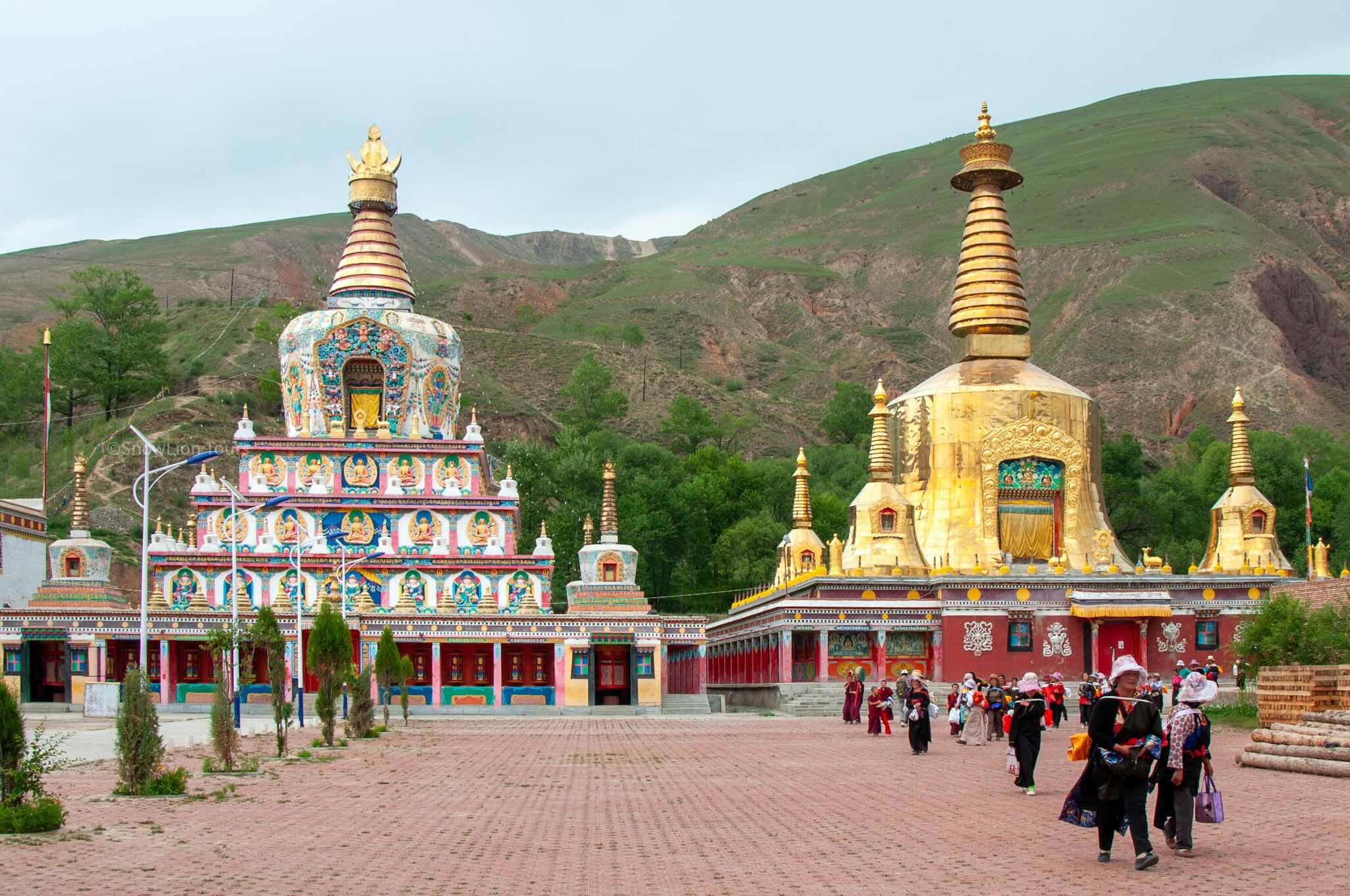
Rongwo Monastery (རོང་བོ་དགོན་ཆེན) is the largest monastery in Rebkong, built in 1301 by Lama Samten Renchen. Originally a Sakya monastery (12th century), it later became Gelugpa. At its peak, it housed over 1,500 monks; today, about 400 remain. The complex includes important temples such as the Great Sutra Hall, Main Assembly Hall, and Manjushri Hall.
Local Culture and Festivals
Rebkong is vibrant with cultural life year-round. In the evenings, locals gather at the town’s theater (north side, towards Xining) to watch traditional Tibetan opera. This is a beloved daily community activity.
Major cultural and religious festivals include:
-
Shaman Festival – Unique to Rebkong, shamanic rituals are performed in several villages during July or August.
-
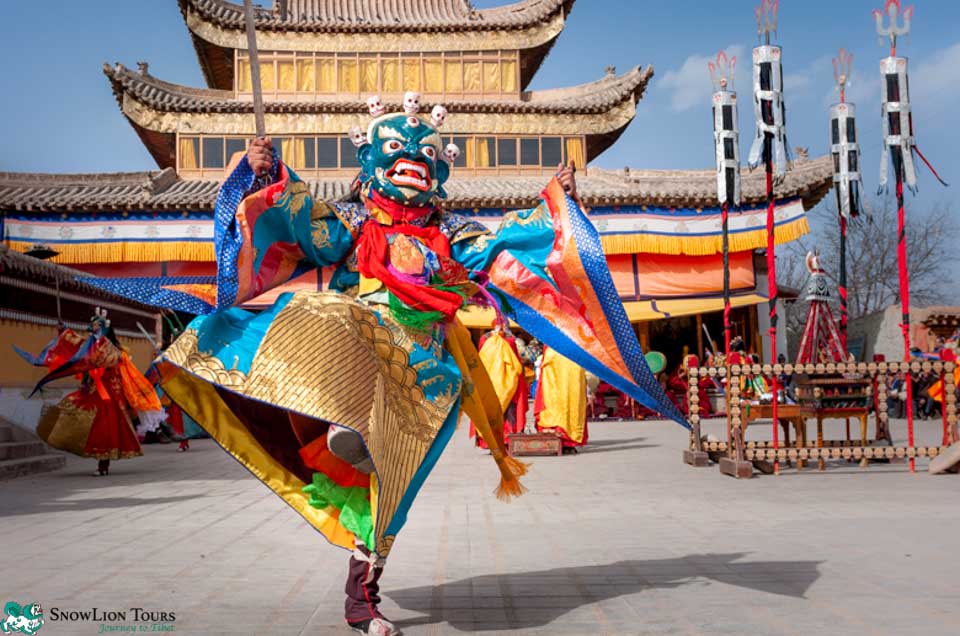
Great Prayer Monlam Festival – The largest religious festival in Tibet, featuring rituals, Cham mask dances, philosophical debates, torma offerings, and circumambulations.
-
Wutu Festival – An ancient ritual of ransom offering (possibly of Bon origin), unique to Nyantok Village, held on the 20th day of the 10th lunar month.
Rebkong Today
Rebkong (Tongren / Huangnan) remains a major Tibetan town in Amdo, both economically and politically. About 70% of its population is Tibetan, alongside Chinese and Hui communities. Distances: Rebkong to Tsekog (nomadic region) – 100 km, Gyantsa – 65 km, Zogdzong – 150 km, Labrang – 110 km.
Transportation
From Xining to Rebkong, buses run hourly from Bayi Bus Station (八一汽车站). Shared taxis are also available outside Huangan Binguan Hotel (黄南宾馆), costing about 60 RMB per person.
Recent Posts
- Shoton Festival Begins in Lhasa!
 August 23, 2025
 - Tour Price in Tibet
 August 23, 2025
 - Qinghai Shaman Festival in Rebkong Concludes Successfully
 August 21, 2025
Related Tours
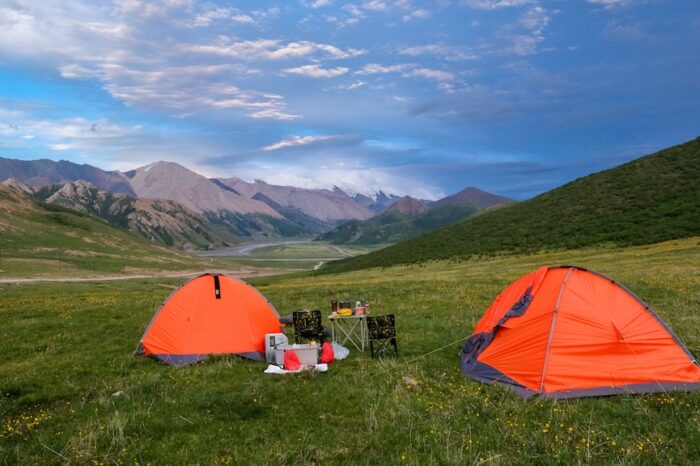
Camping with nomads
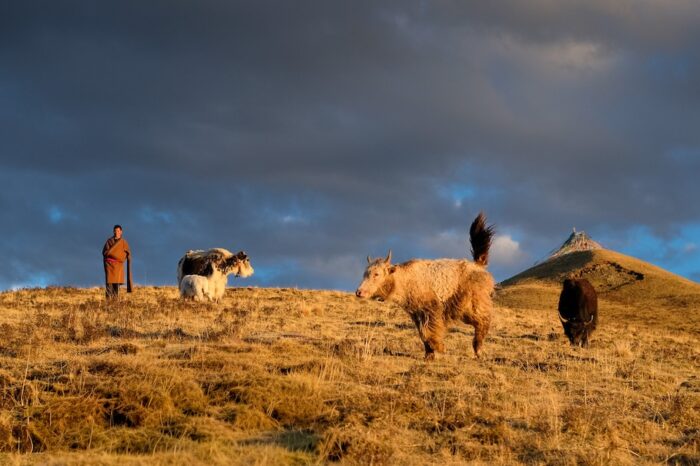
Experience authentic nomadic life by camping with Tibetan nomads in Qinghai, enjoying the vast grasslands, local culture, and stunning natural landscapes.
Discover Qinghai
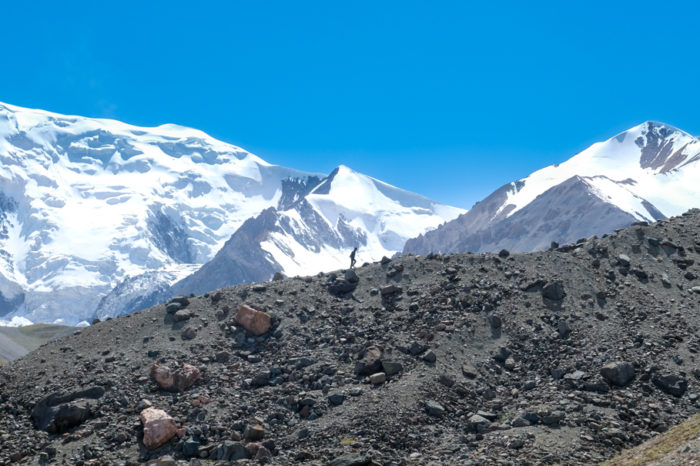
Discover Kumbum Monastery, Qinghai Lake, Mount Amnye Machen, Kanbula Park, and enjoy guided insights on this unforgettable Qinghai cultural and scenic tour.
Best Qinghai Tour
There are many interesting places just outside of Xining city and other major towns in Qinghai. This itinerary specifically design for travelers who are interested in photograph with stunning landscape and wildlife in Qinghai Province …
We are recommended by
We are committed to providing authentic, high quality, environmentally sustainable travel services. Join us and experience once in a lifetime holiday.
Recent Trips
.jpg "amdo monlam festival tour")