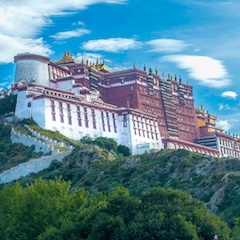
Yushu
Jyekundo (Yushu) – Gateway to Eastern Kham
Jyekundo or Yushu is a major Tibetan town located in what is now Qinghai Province. Jyekundo town is situated along a tributary of the Drichu (Tongtian He), which contributes to the upper reaches of the mighty Yangtze River (Changjiang). It is a town with a long tradition of trade and serves as the site of the prestigious Jyeku Monastery, an important Sakyapa monastery in the Kham region.
In ancient times, there was only a small Sakyapa temple which was established under the instruction of Dagchen Sherab Gyatso of the Sakya tradition. It is claimed that Drogön Chögyal Phakpa gave teachings here en route to Mongolia in 1268. Today, the town of Jyekundo has grown around this small monastery as a trading center, historically controlling the caravan trails between Xining and Lhasa. Given its remote location and large Tibetan population (over 97% Tibetan), Jyekundo maintains a distinctive Tibetan character and is significant for anyone interested in traditional Tibetan culture.
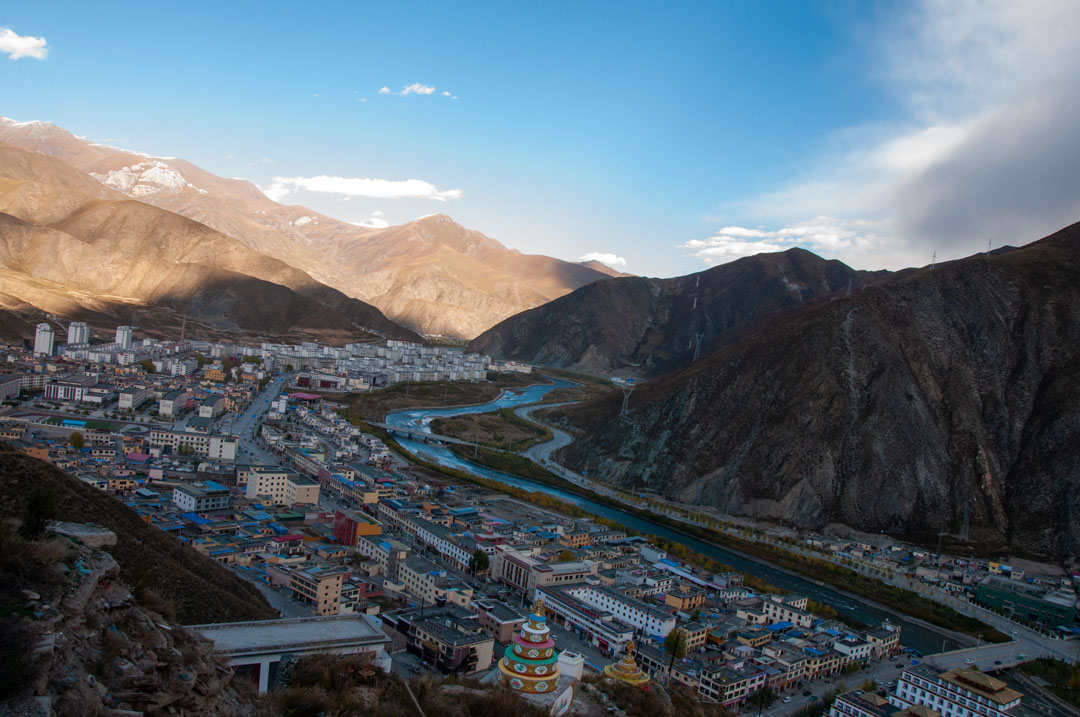
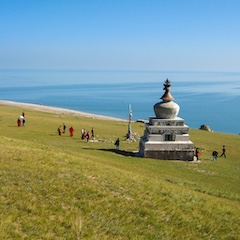
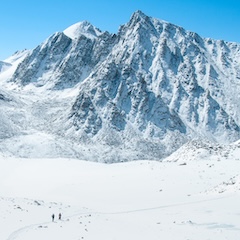
Jyekundo, the capital of Yushu Prefecture in Qinghai, lies deep within the heart of Kham at an elevation of approximately 3,700 meters (12,139 feet). The landscape of Yushu includes soaring snow-capped peaks, verdant forests, glacial rivers, and expansive grasslands where nomadic herders roam with their yaks and sheep.
Jyeku Monastery
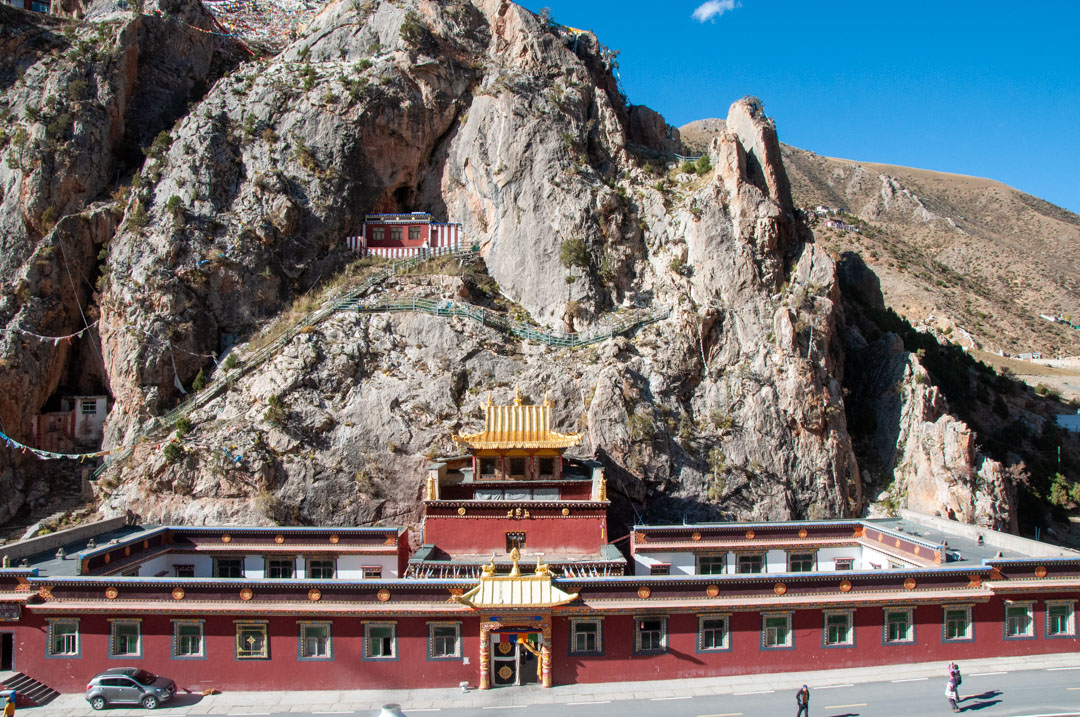
The hilltop overlooking Jyekundo had been the site of an ancient Bon temple before Kagyupa temples were built alongside it. When Drogön Chögyal Phakpa passed through during his travels in 1268, he consecrated the site for the construction of a Sakya tradition monastery. Today, Jyeku Monastery consists of 16 temples and is home to more than 500 monks. The monastery serves as an important center of Buddhist learning and practice in the region.

Gyanak Mani Stone Pile
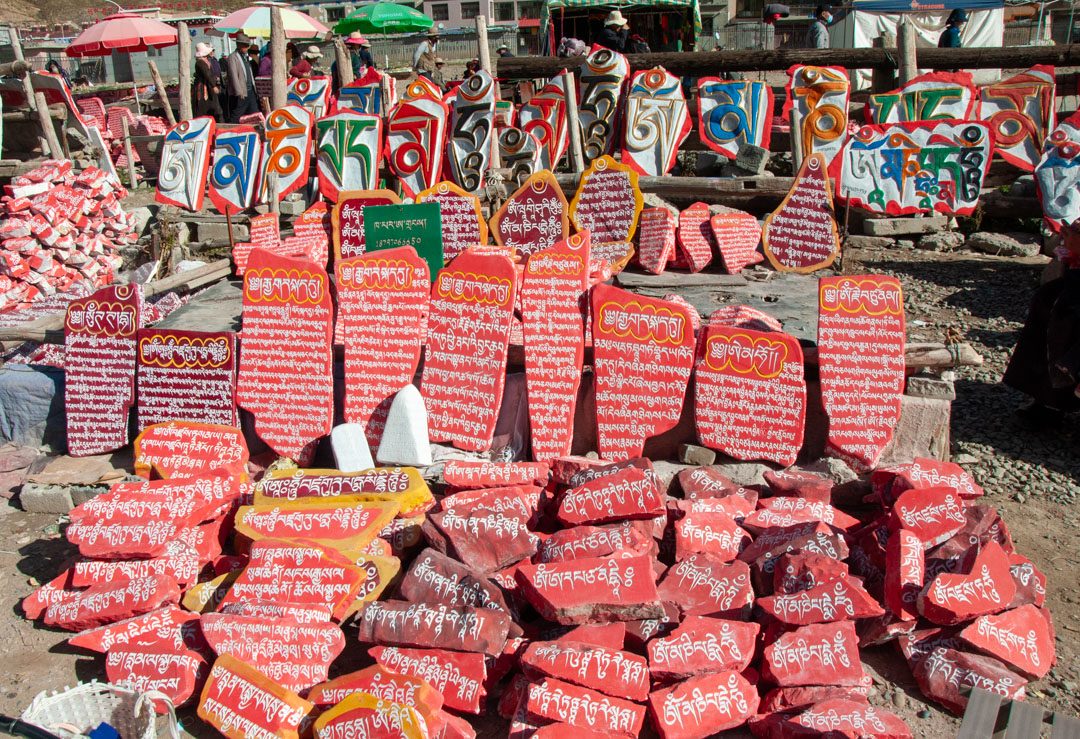
One of the major attractions of Yushu is the Gyanak Mani Stone Pile in Jyekundo. Mani stones feature carved and painted Tibetan Buddhist mantras, particularly the famous “Om Mani Padme Hum.” At the Mani Stone Pile, mountains of rocks are stacked upon each other, creating one of the largest mani stone collections in the world. The site contains millions of carved stones accumulated over centuries.
Carvers sell mani stones nearby if visitors would like to contribute to the pile. Pilgrims come from all over Tibet and beyond to circumambulate the stones as part of their spiritual practice. The pile represents the collective devotion of countless believers and stands as a testament to the enduring faith of the Tibetan people.
Thrangu Gompa
This monastery is the seat of the renowned contemporary Karma Kagyu scholar and lineage-holder Thrangu Rinpoche, who is now based at Rumtek Monastery in Sikkim, India. There are two buildings here, known as the lower and upper monasteries. The original foundation is attributed to the First Karmapa, Düsum Khyenpa, during the 12th century. The monastery continues to be an important center for the preservation and transmission of Karma Kagyu teachings.
Princess Wencheng Temple (Bida Nampar Nangdze Lhakhang)
The Princess Wencheng Temple, located in northern Kham, pays homage to Princess Wencheng, the Chinese wife of the great Tibetan king Songtsen Gampo (7th century). Tibetans also revere the site because a buddha is said to have walked through the narrow valley near the temple. Though the temple is small, it is worth visiting to see the incredible rock carvings on the back wall of the main prayer hall.
The mountains around the temple are excellent for hiking. Tens of thousands of prayer flags flutter in the wind, and the view from the top overlooks grasslands and distant snow-capped mountains. During Tibetan New Year, pilgrims flock to the temple to complete a kora (circumambulation). Visitors can follow the dirt path up the mountains, over the ridge, and back towards a small tea shop. Along the way, one might encounter nuns or catch Tibetan women washing their hair in the pristine river.
Batang Grassland and Cultural Events
Continuing deeper into the valley, visitors will reach small hot springs and the Batang Grassland, where the famous Yushu Horse Racing Festival takes place. The Yushu Horse Racing Festival traditionally occurs on July 25th each year and is one of the most important cultural events in the region.
Yushu Horse Racing Festival
This festival showcases traditional Tibetan horsemanship, with riders demonstrating incredible skills in racing, archery, and acrobatic riding. The event also features:
- Traditional Tibetan dancing and singing
- Handicraft exhibitions
- Local food and cultural displays
- Competitions in traditional sports
Cultural Significance
Jyekundo represents the authentic heart of Tibetan culture in Kham. The town serves as:
- A major pilgrimage destination for Tibetan Buddhists
- A center for traditional Tibetan arts and crafts
- A hub for nomadic trading activities
- A repository of Tibetan architectural and cultural heritage
Recent Posts
- Shoton Festival Begins in Lhasa!
 August 23, 2025
 - Tour Price in Tibet
 August 23, 2025
 - Qinghai Shaman Festival in Rebkong Concludes Successfully
 August 21, 2025
We are recommended by
We are committed to providing authentic, high quality, environmentally sustainable travel services. Join us and experience once in a lifetime holiday.
Recent Trips
.jpg "amdo monlam festival tour")