Geography of the Tibetan Plateau
Location:
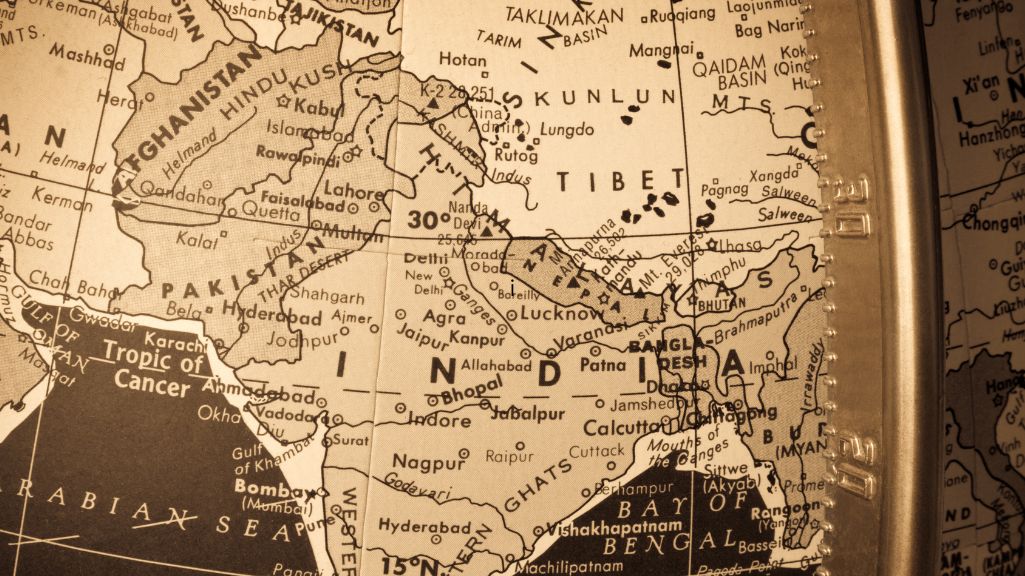
- Central Asia: The Tibetan Plateau is situated in the heart of Asia, bordered by India and Nepal to the southeast, Bhutan to the south, and various Chinese provinces including Qinghai, Gansu, Sichuan, and Yunnan to the north and east.
Size:
- Area: The plateau spans approximately 2.5 million square kilometers, making it the largest and highest plateau on Earth. This is roughly equivalent to the size of Western Europe.
Elevation:
- Average Elevation: The plateau averages about 4,500 meters (14,800 feet) above sea level. Some parts, particularly in the central region, exceed 5,000 meters (16,400 feet).

Topography:
- Mountain Ranges: The plateau is encircled by several major mountain ranges:
- Himalayas: To the south, including the world’s highest peak, Mount Everest (8,848 meters or 29,029 feet).
- Kunlun Mountains: To the north, separating the plateau from the Tarim Basin.
- Tanggula Mountains: To the east, forming a barrier between the plateau and the Qaidam Basin.
- Basins and Valleys:
- Qaidam Basin: Located in the northeastern part of the plateau, this is one of the largest basins.
- Sichuan Basin: To the southeast, surrounded by mountain ranges and characterized by lower elevations.
- Yarlung Tsangpo Valley: A deep and narrow valley that cuts through the plateau and is known for its dramatic topography.
- Lakes and Rivers:
- Lakes: Includes Lake Qinghai, Lake Nam Co, and Lake Yamdrok. These lakes are primarily fed by glacial meltwater and seasonal precipitation.
- Rivers: The plateau is the source of several major rivers, including:
- Yangtze River: Asia’s longest river.
- Yellow River: Crucial to China’s history and agriculture.
- Mekong River: Flows through Southeast Asia.
- Indus River: Flows into South Asia.
Climate:
- Temperature:
- Winter: Extremely cold, with average temperatures dropping to -15°C (5°F) or lower, especially in higher elevations.
- Summer: Mild, with temperatures ranging from 13°C to 17°C (55°F to 62°F).
- Precipitation:
- Overall: Generally low, with the western and northern regions being particularly arid.
- Monsoon Season: The eastern parts of the plateau receive more rainfall during the summer monsoon, especially in July and August.
- Snowfall: Common in winter, particularly in the higher altitudes.
Terrain:
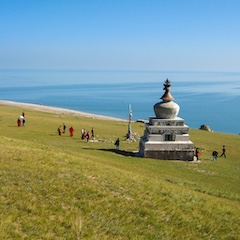
- Grasslands: Dominates the plateau, covering about 70% of the area. This includes extensive steppes and alpine meadows.
- Forested Areas: Limited to lower elevations and includes coniferous forests and some broadleaf trees.
- Mountain Ranges: High peaks and rugged terrain define much of the plateau’s landscape, contributing to its dramatic and varied geography.
Ecology:
- Vegetation: Adapted to high altitudes and arid conditions. Predominantly consists of grasses, sedges, and cushion plants.
- Wildlife: Home to a range of unique species, including:
- Mammals: Tibetan antelope, wild yak, Tibetan wild ass, snow leopard, and Tibetan argali.
- Birds: Black-necked crane, Tibetan snowcock, and Tibetan partridge.
- Endemic Species: Includes species adapted to the harsh plateau environment.
Human Adaptation:
- Population: Relatively sparse due to the challenging conditions. Most inhabitants are concentrated in lower elevation areas and valleys.
- Economy: Primarily based on agriculture and animal husbandry. Key activities include:
- Agriculture: Limited to areas where conditions are more favorable; crops like barley, wheat, and potatoes are grown.
- Animal Husbandry: Includes raising yaks, sheep, goats, and horses.
- Cultural Adaptations: Traditional Tibetan architecture and practices are adapted to cope with the extreme conditions. This includes insulated buildings and specialized agricultural techniques.
Environmental Concerns:
- Climate Change: Melting glaciers and changes in precipitation patterns are impacting the plateau’s ecosystems and water resources.
- Habitat Loss: Human activities, including mining and infrastructure development, pose threats to the plateau’s unique habitats.
- Conservation Efforts: Ongoing efforts are aimed at preserving the plateau’s delicate environment and biodiversity.
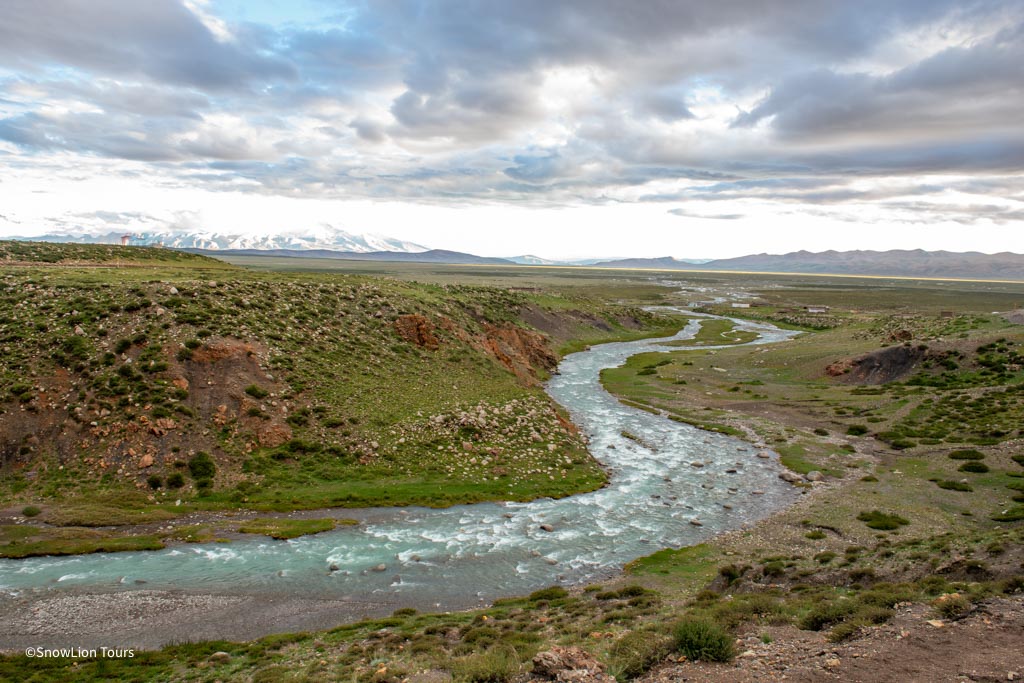
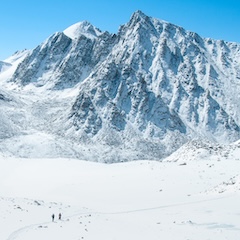
The last part of the Mount Kailash Kora.


.jpg "amdo monlam festival tour")