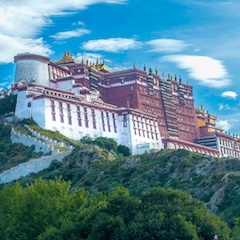
Civilizations of Eastern Tibet
Traveling across three provinces starting from Xining and end in Shangri-la, this journey explores the unique cultural heritages of ancient tribes living in Eastern Tibet. Visit the famous lakes and monasteries of Amdo, the meditation caves of hermit monks, and the vast grasslands. Offer a stone carving to the largest mani stone pile in the world, visit a traditional printing house in the cultural capital of Kham, and learn the legend of the black cranes at Napa Lake. Travel to Shangri-la, where the locals maintain an ancient water-supply system of great complexity and ingenuity.
Highlights
- Amdo, Kham, and Dongba cultures
- Ancient water supply system of Lijiang
- Mani stone pile of Jyekundo
- Grasslands and lakes
Details
- 15-day trips
- 14 nights in hotels
- Average altitude of 3500m
Itinerary:
Day 1: Xining – Kumbum Monastery – Qinghai Lake – Tsigorthang [3303m] 385km, 6 hours
Visit Kumbum monastery, the birth place of Je Tsongkapa. Kumbum or full name Kumbum Jampa Ling is one of the six great monasteries of the Gelugpa school of Tibetan Buddhism, is famous for being the birthplace of the great religious reformer Tsongkhapa. It is a wonderful place to check out Tibetan religious culture, Tibetan architecture, and Tibetan arts. Highlights at the monastery include a large butter sculpture, murals and applique embroidery.
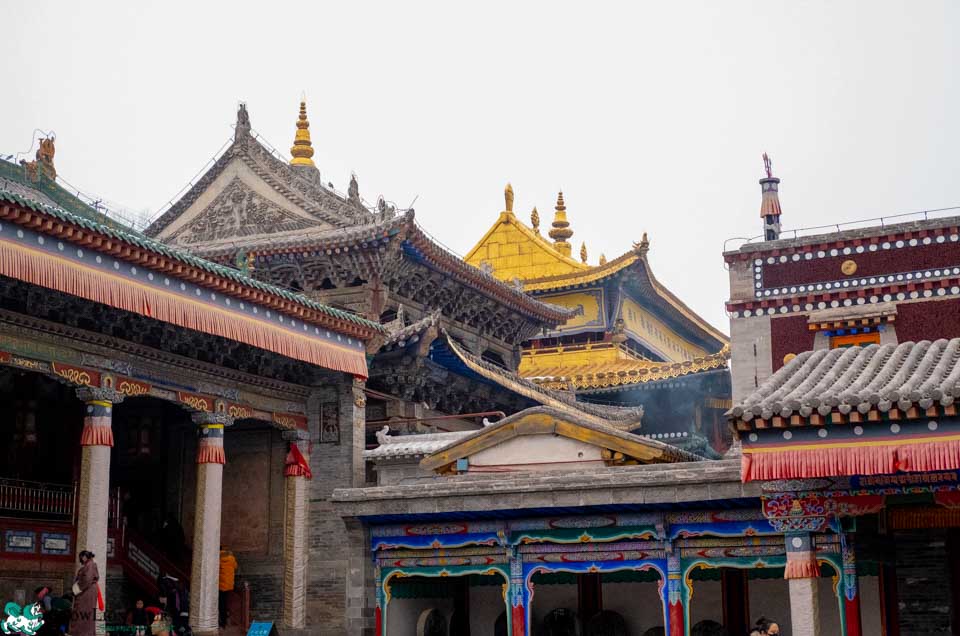
Afterwards drive to 150km southwest to Qinghai Lake which is China’s largest lake and Asia’s largest salt Lake. After stop by at Qinghai Lake, we continue drive to Tsigorthang or Xinghai. Over night in Xinghai.
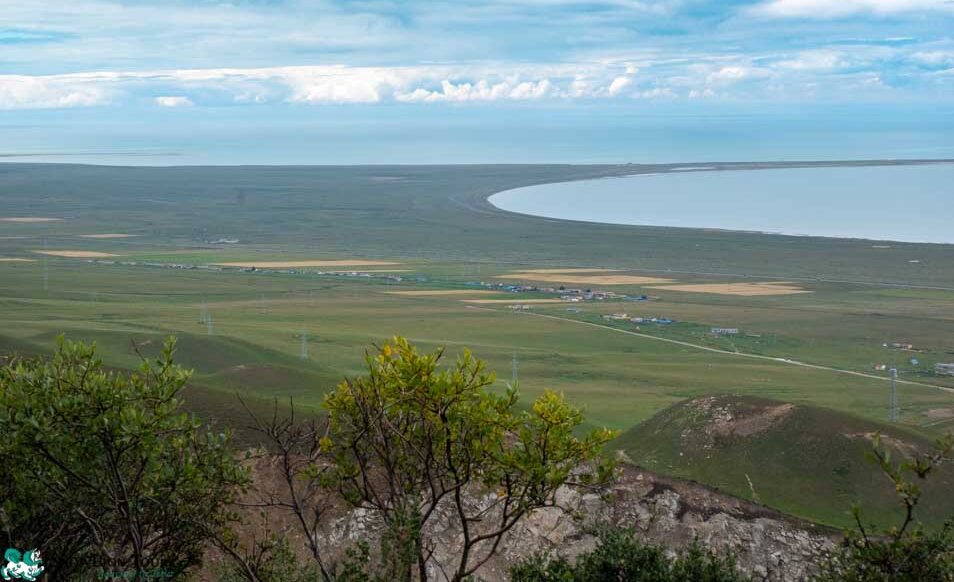
Day 2: Tsigorthang – Dredzong Monastery – Tsigorthang (Xinghai) [3200m], 60km (Hiking day)
Drive over rolling pastures to visit one of the most sacred monasteries in Amdo and its meditation caves. Drakar Tredzong monastery is also consider to be one of the holy sites in Tibet where the Guru Rinpoche used to do meditation. From Tsigorthang town to the monastery is just 30km one way. Today you will be doing a Kora around the holy rocky mountain behind the monastery in order to get acclimatized to the high elevation for the entire tour.
Note: The holy peak of Drakar Tredzong is encircled by a 3-4 hour kora route which crosses two passes and, along with its side-routes, offers access to the mountain’s sites and caves. There is also a chances to see the wildlife such as deers, monkeys.etc.
Day 3: Tsigorthang – View of Mt. Amnye Machen – Two sister lakes ( Lake Kyarang and Ngarang) – Matoi/Maduo [4400m], 530km, 8 hours
Continue drive southwest to Matoi / Maduo, On the way, make an excursion to visit Mt. Amnye Machen(4280m). Mt. Amnye Machen is one of four holiest mountain in Tibet. Then continue to Matoi/Maduo. After Matoi, we travel from Maduo to two sister lakes – Kyaring and Ngoring Lake, one of the main sources of the Yellow River. See wild donkeys and Tibetan antelopes. Take a short hike on the 4500m high Mt Tsori Katse located between the two stunning lakes. Tsori Katse monastery is also located just near the Ngoring lake. A Nyinmapa monastery which has very strong influence of Ling Gesar. Over night in Matoi
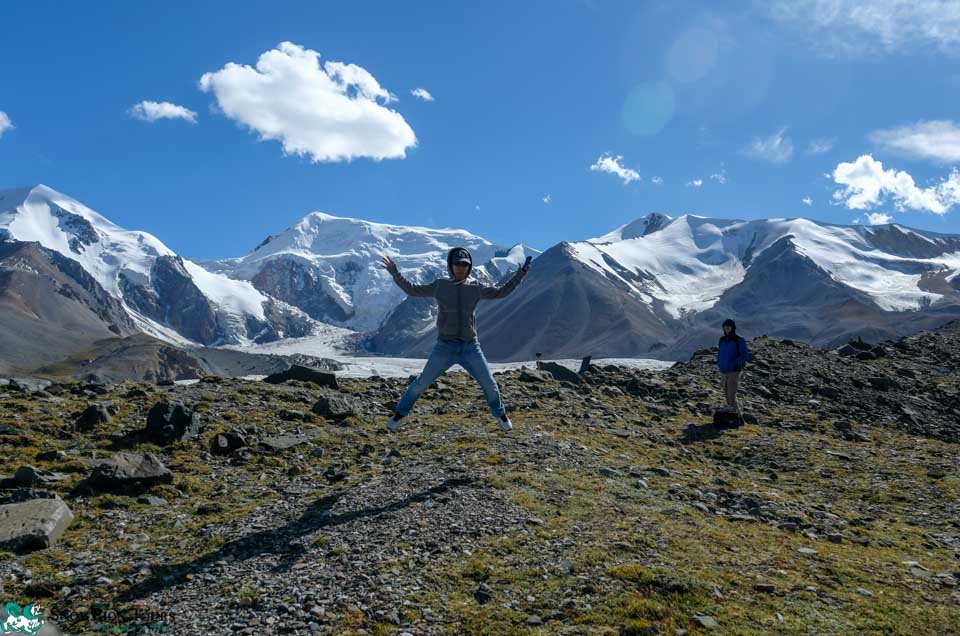
Day 4: Tsigorthang – Jyekundo (Yushu) [3670m], 580km 7 – 8 hours
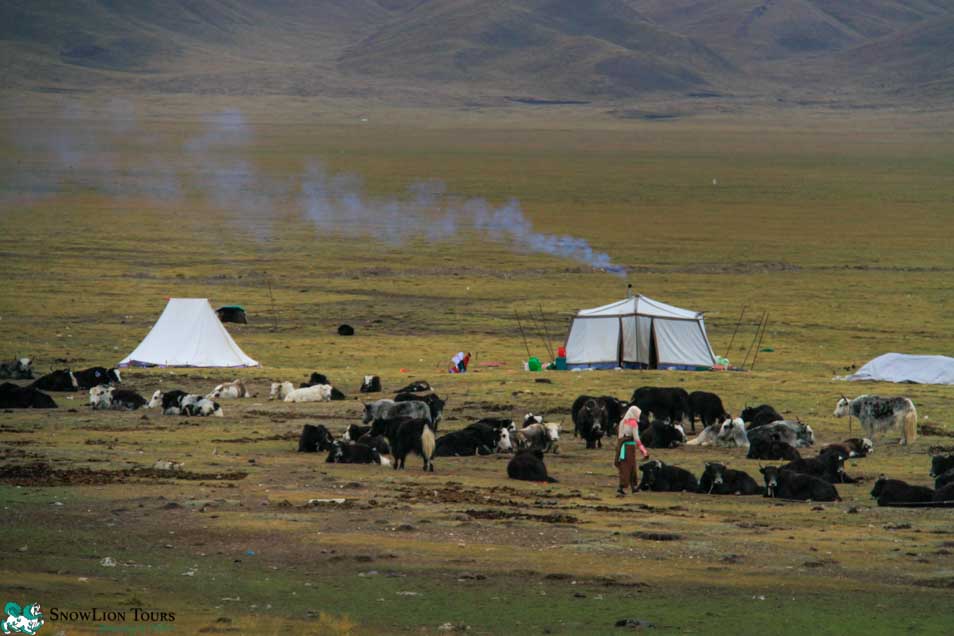
Drive across grassland and over mountains and visit Tibetan nomads and their yak-hair tent along the way. yekundo or Yushu is a mojor Tibetan town located in the northwest region of Kham. Jyekundo town is found along the tributary of the Drichu(Tongtian He), which contribute to upper reach of mighty Yangtse River(Changjiang). It is a town with a long tradition of trade and center of Khampa culture. Overnight in Yushu.
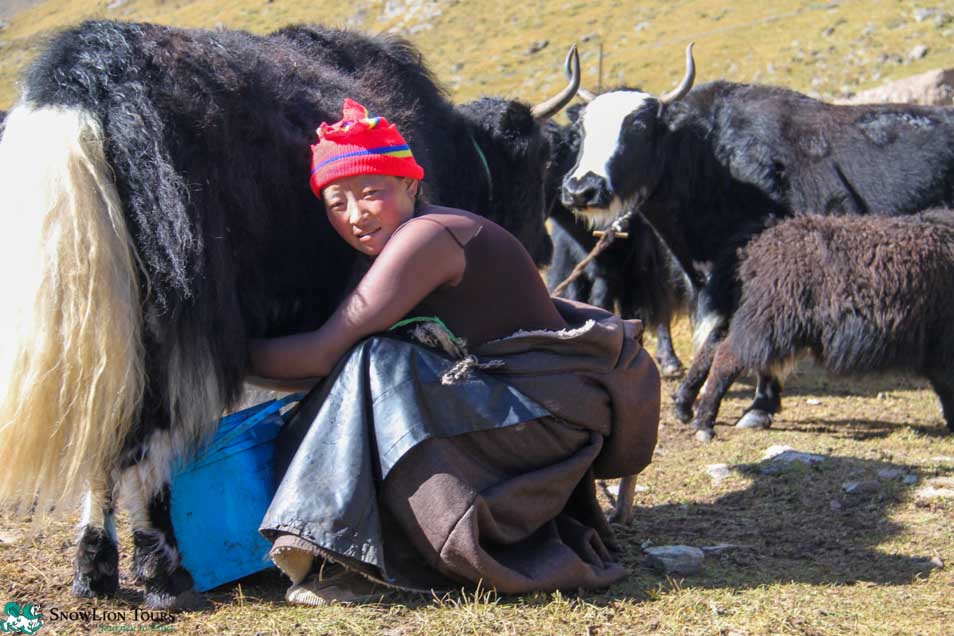
Day 4: Jyekundo [3670m]
In the morning visit Nambar Nangzel or Wencheng Temple of Thragu monastery located 20km outside Jyekundo. The temple offers a Maha Varocaina Statue. According to the Buddhist interpretation, this statue has the equivalent blessing effects than the Buddha Sakyamuni Statue in Jokhang Temple in Lhasa.
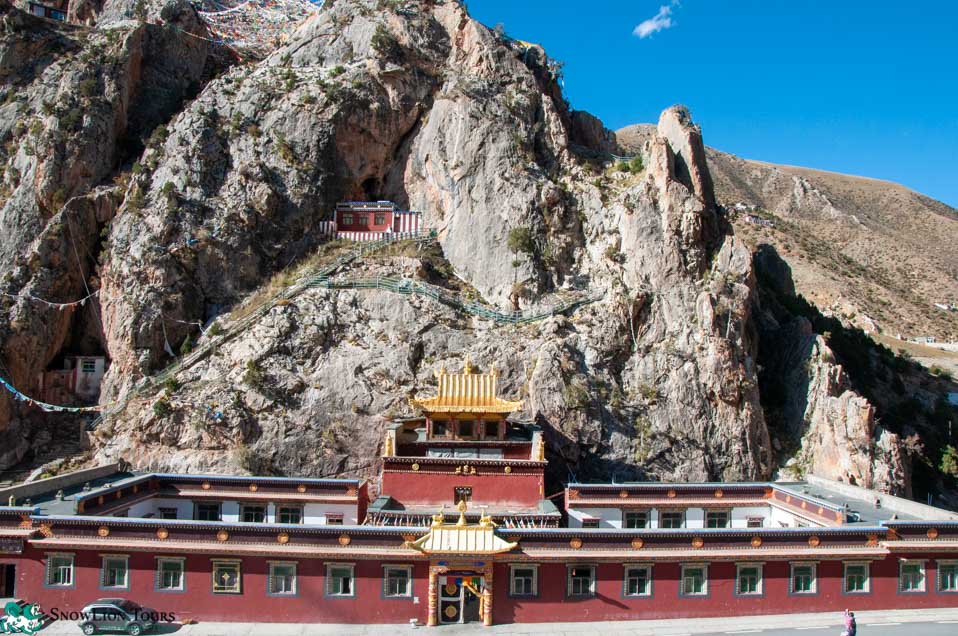
Afterwards drive back to town and visit Jyeku monastery and Gyanak Mani Stones. the hilltop overlooking Jyekundo had been the site of an ancient Bon temple, before Kagyupa temples were built alongside it. Then when Dragon Phakpa passed through in the course of his travel in 1268. He consecrated the site for the construction of a Sakya tradition monastery. Today Jyeku Monastery consist with 16 temples and home to more than 500 monks. Then visit Mani Stone Pile. Mani stones feature carved and painted Tibetan Buddhist mantras. At the Mani Stone Pile, mountains of rocks are stacked upon each other, and carvers sell mani stones nearby if you’d like to contribute to the pile. Pilgrims come from all over to circumambulate the stones. Overnight in Yushu.
Day 5: Jyekundo – Sershul (Shiqu) [4178m] 130km 3 -4 hours
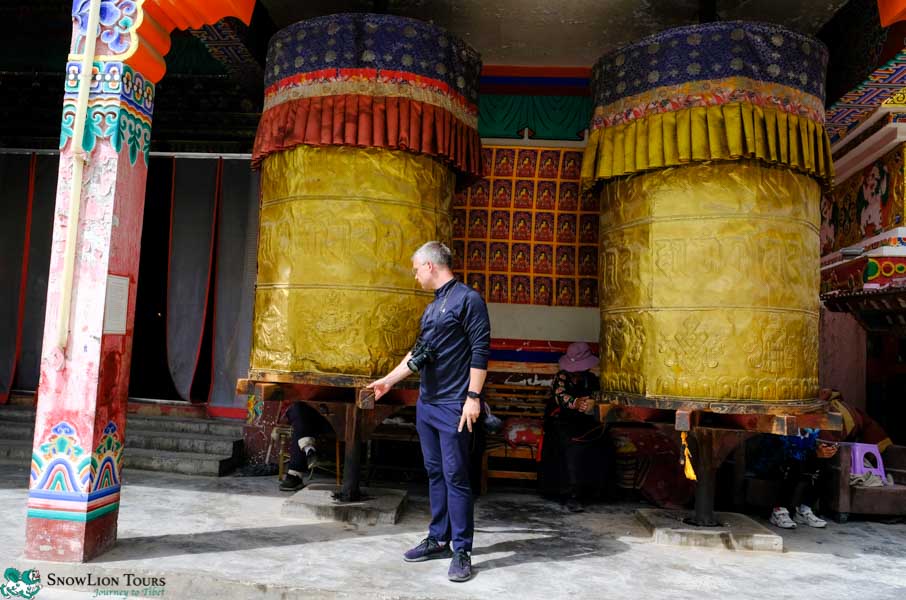
Drive along the rolling pastures and mountains to reach Sershul Monastery. Dza Sershul Monastery was founded in 1760. It is one of the main Gelugpa centres in Kham, where all the genuine traditions of sutra and mantra were taught. Of the four great debate manuals (yigcha), they followed that of Sera Jé. Patrul Rinpoche taught there on a number of occasions and they later followed his tradition when teaching the Bodhicharyavatara. Afterwards drive to 20km north of the monastery to visit Barge Mani Stone Wall. This Mani Stones Wall is about 1750 meters long, and 3.5 meters in height; It is embedded with more than 3,000 stone statues and over 6,000 Buddhist scriptures including “Kanjur” and “Tengyur” the two Tibetan collection of commentaries to the Buddhist teachings. Afterwards drive back to Sershul monastery to watch the monks debating. Which will be started around 5:30pm every day. Overnight in Sershul Monastery.
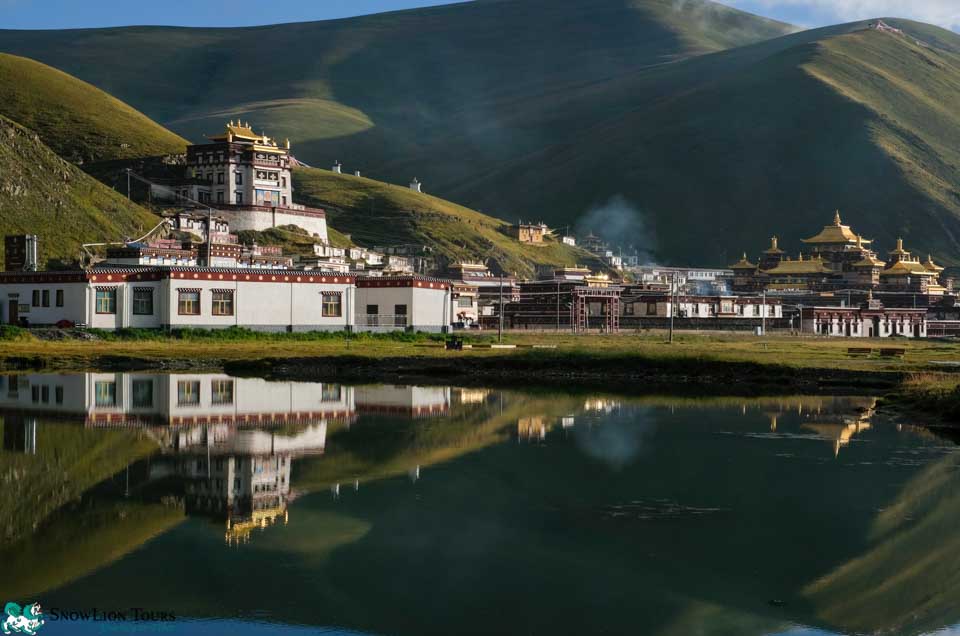
Day 6: Sershul – Dzogchen Monastery – Manigango [3900m] 220km 5 – 6 hours
In the morning drive to Manigango via Dzogchen monastery. Dzogchen Monastery was established in 1684, by Pema Rigdzin, the 1st Dzogchen Rinpoche. Dzogchen Monastery was renowned for its college, the Shri Singha Shedra, named after the Dzogchen master Shri Singha, who sat down on a rock in the Rudam Valley of Tibet and left a miraculous imprint. In the 19th century, on that very spot, Gyalse Shenpen Thaye, a celebrated scholar and disciple of the 4th Dzogchen Rinpoche, Migyur Namkhe Dorje, built the Shri Singha Shedra. The 4th Dzogchen Rinpoche was the master of Patrul Rinpoche, Ju Mipham and many other great masters. If time allows. You can also visit Shechen monastery before reach Dzogchen monastery. Overnight in Manigangol
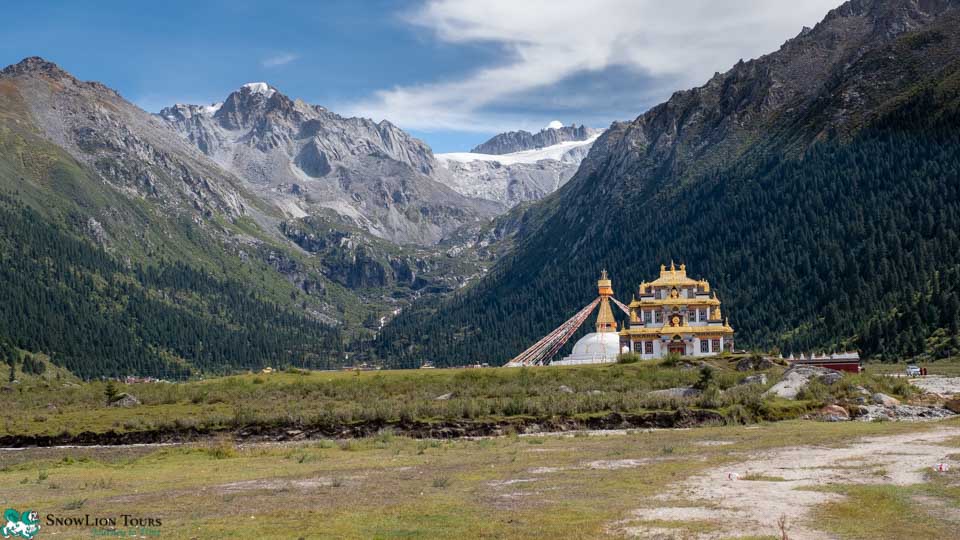
Day 7: Manigangol – Dege / Derge [3270m] 120km 3 hours
Drive to Lake Yilhun Lhatso which is just 20km from Manigango town and view the scared mountain Trola and its glaciers. In summer time it is much worth to take the Trola pass which offers the best mountain range view of Trola mountain with snow capped peaks. After arrive Derge. You will visit Derge Gonchen. The great monastery of Lundrub Teng (Dege Gonchen) was founded in 1448 by the first Dege King Tashi Sengge and the famous ascetic Tang Tong Gyalpo. On the way, we will stop by the rock paintings on the cliffs in the deep valleys. Overnight in Derge.
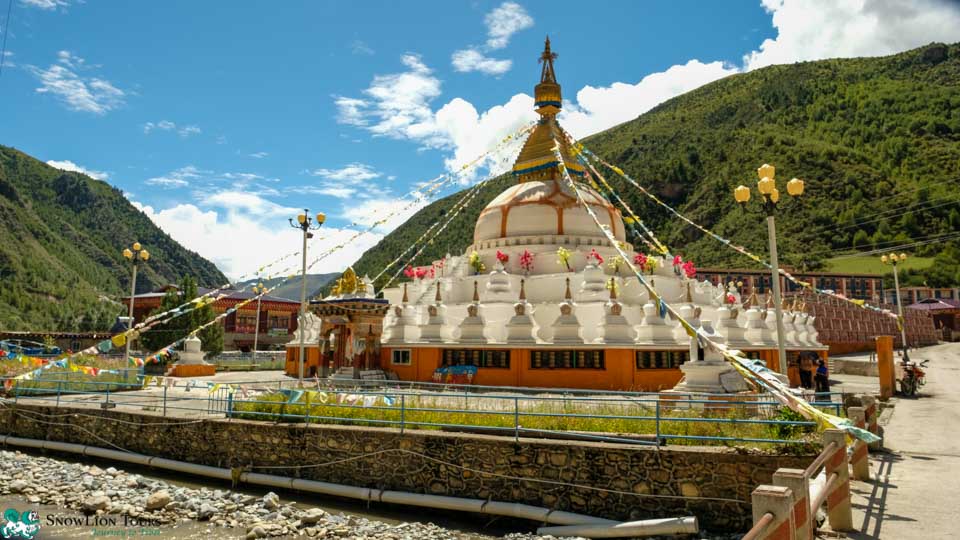
Day 8: Dege – Katok monastery – Pelyul [3000m] 150km 5 hours
In the morning visit Dege Parkang, a traditional printing house where many of Tibet’s Buddhist scriptures are still printed today. Afterwards drive to Pelyul via Katok monastery. Katok is the oldest of the Six “Mother” Nyingma Monasteries. It was founded by Katok Dampa Deshek, younger brother of Phagmodrupa Dorje Gyalpo, in 1159, above Horpo town. The site is considered to be one of twenty-five holy places of Eastern Tibet and represents the main holy place of enlightened activity. Afterwards drive to Pelyul.
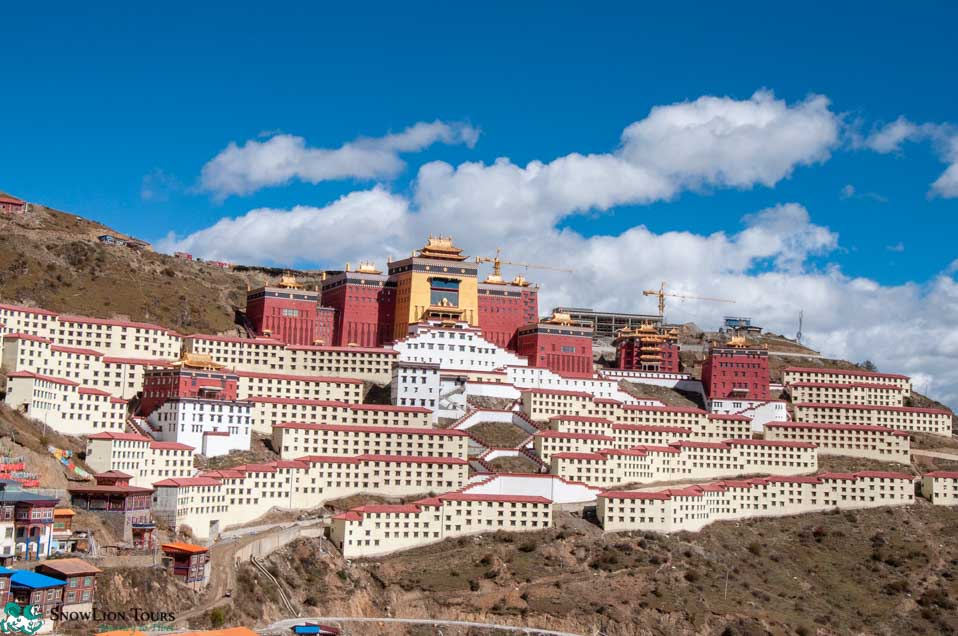
Day 9: Pelyul – Yachen Gar – Garze [3350m] 220km 5 hours
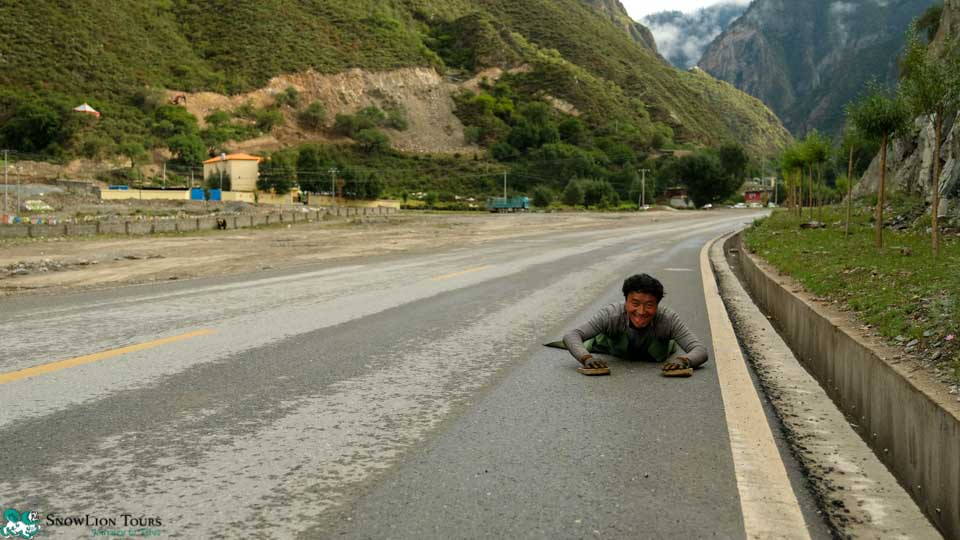
In the morning visit Pelyul monastery. was built by Lhachen Jampa Phuntsog, the first Dharma King of Dege. It was constructed on a site which possesses all the essential auspicious signs and had been blessed by the presence of many great mahasiddhas. Afterwards drive to Garze via Yachen Gar. Yachen was founded by Akhyuk Rinpoche in the summer of 1980. It is located in an isolated valley 4,000m above sea level, During the 1990s, the population of monks and nuns grew to over 7,000. Recently there more than 10,000 Sangha members now, it is one of the largest gatherings of nuns and monks in the world.
Day 10: Garze – Tsoka Lake – Litang [4014m] 350km 6 – 7 hours
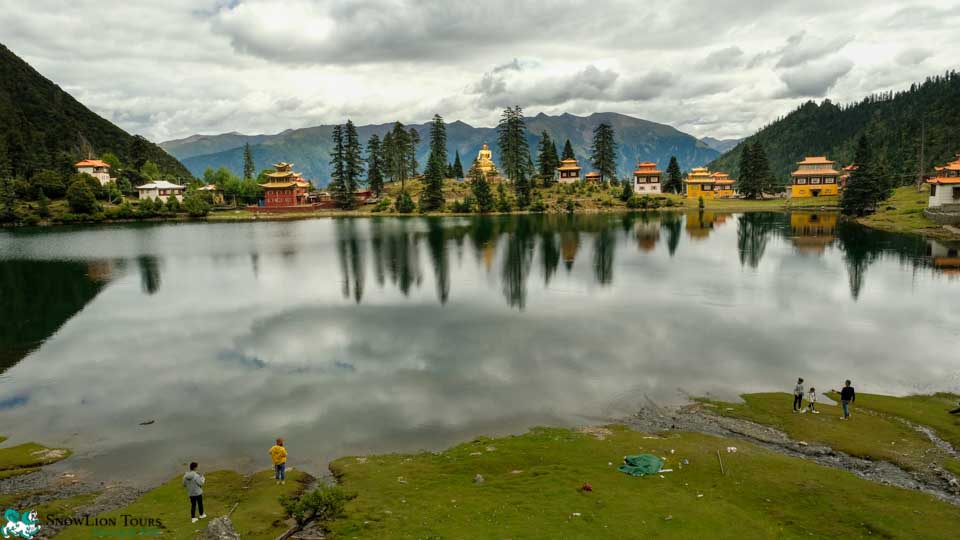
In the morning visit De Gonpa in the Garze center which has a great Shakyamuni statue in the main temple. Afterwards drive through Tibetan towns and villages dotted by beautiful designed houses. Then ascend up on the Tsoka Lake which is located on the top of a mountain surrounded by forests. The monastery at the Lake shore is one of the most beautiful monasteries in Kham.
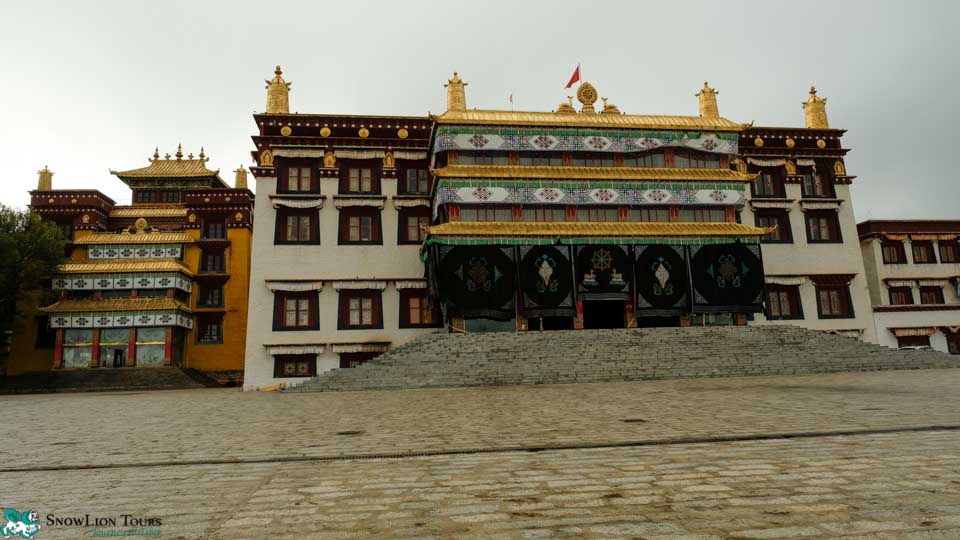
You will also cross some of the high elevated passes before Litang town. Here you will visit Litang Gonchen. Litang Gonchen or Litang Chokhor Ling is a major Geluk monastery that was founded in 1580 by the Third Dalai Lama, Sonam Gyatso on his return to Tibet from Mongolia.
Day 11: Litang – Yading National Park [2900m] 259km 5 hours
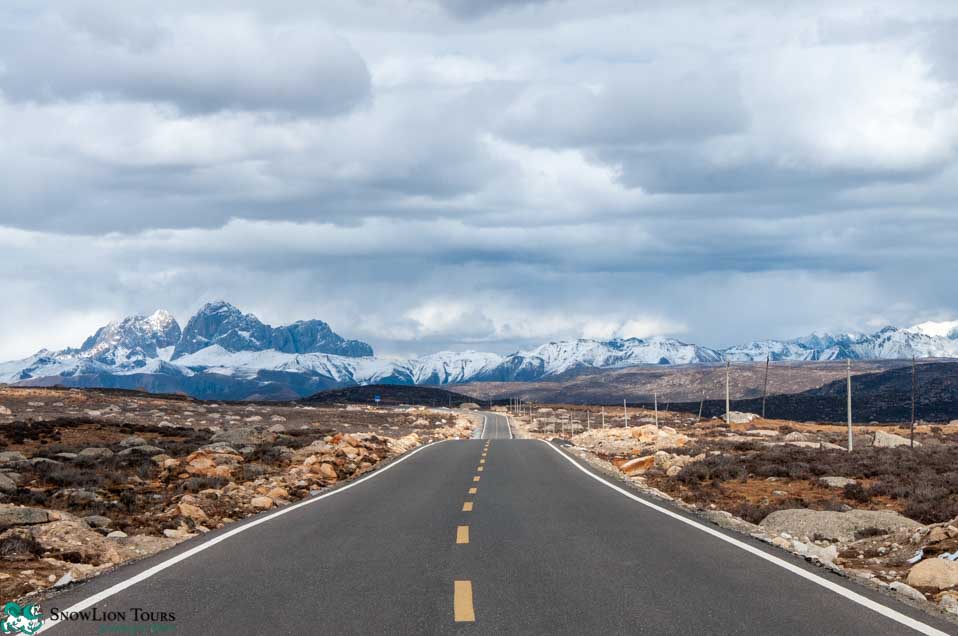
In the morning drive towards Yading National park, on the way, we will lakes, rabbit mountain, alpine lakes and temples and meditation caves dotted on a cliff. Then continue drive in the valleys to reach at the gate of Yading National Park, we will spend the night a hotel at the gate.
Day 12: Yading National Park Explore Day
In the morning, go to the gate and take the bus to the nature reserve. This drive takes about 1 hour. Once you reach to tourist center, visit Chonggu Temple. Here you can either take the sightseeing bus or walk on the wooden paved road to the park.
I recommend to walk up to the mountains and then take sightseeing bus back to the gate.
Day 13: Yading National Park – Yangtze River Bend – Dechen – Feilai Si Temple (View Point) 350km, 9 hours
After breakfast, drive alongside the Yangtze River towards Dechen. Along the way, make a stop at the Yangtze River Bend view point located on the mountain. Continue the journey to Fei Lai Si view point through Dechen County. Feilai Si View Point offers breathtaking views of Mount Karwa Karpo or Meili Xueshan, and you can marvel at the majestic mountain from the comfort of your hotel room. Overnight stay at a hotel in Feilai Si.
Day 14: Feilai Si – Shangri-la (Zhongdian) [3459m] 220km, 5 hours
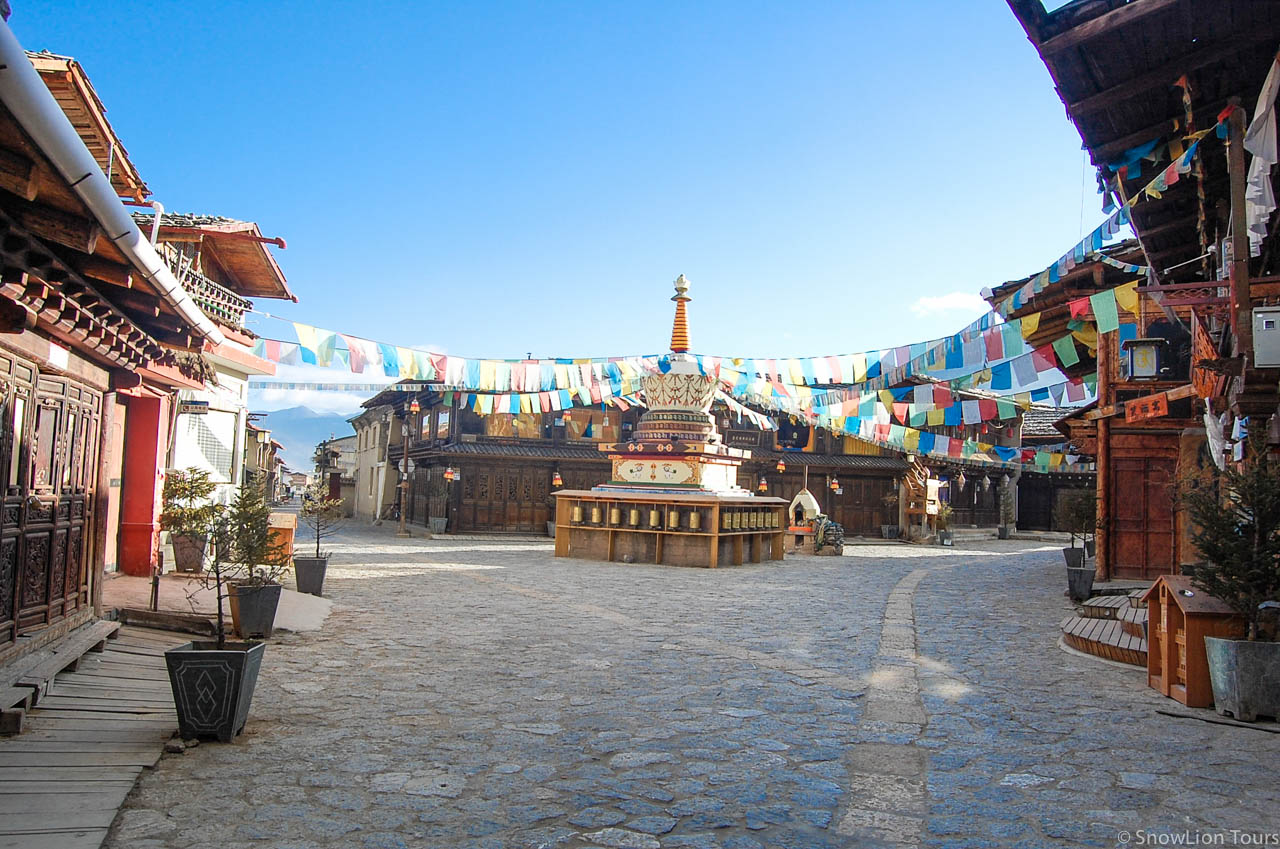
Embark on a drive to Shangri-la, with a stop at Napa Lake and Marshland on the outskirts of Shangri-la town. Keep an eye out for various rare bird species in the area. If you’re interested in Tibetan traditional black clay pottery, you can make a brief stop along the way to observe the craftsmanship. Upon arrival in Shangri-la city, visit Sumtsenling Monastery. Established by the Fifth Dalai Lama in 1679, the Sumtsenling Monastery belongs to the Gelukpa order of Buddhism. In the evening, explore the Old Town of Shangri-la, characterized by local houses, temples, and a large prayer wheel atop the hill. The wooden and clay construction of the houses and shops imparts a sense of the bygone era. Enjoy a delicious Tibetan cuisine and beer at one of the local Tibetan restaurants. Our tour concludes today.
Itineraries are subject to change without prior notice.
Tour Map
-
DepartureXining
-
Departure TimePlease arrive by 8:20 AM for a prompt departure at 8:50 AM
-
Return TimeApproximately 8:30 PM to Shangri-La
-
IncludedTibetan English Speaking GuidePrivate VehicleAccommodation for 14 nightsEntrance tickets
-
Not IncludedFoodPlane or train ticketsTips for guide and driver
Recent Posts
- Shoton Festival Begins in Lhasa!
 August 23, 2025
 - Tour Price in Tibet
 August 23, 2025
 - Qinghai Shaman Festival in Rebkong Concludes Successfully
 August 21, 2025
Similar Tours
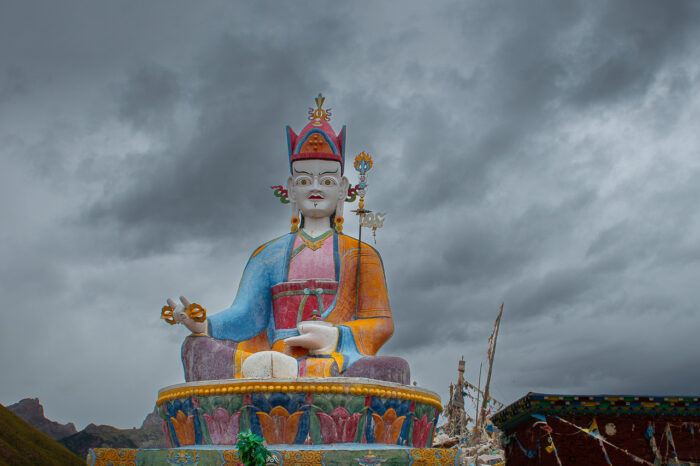
Kham Culture Discovery
Explore Kham Tibet from Kangding to Ganzi, Derge, Dzogchen, Sershul & Yushu. Discover monasteries, nomadic culture & breathtaking plateau landscapes.

Khampa Heartland
Journey across Amdo & Kham Tibet from Xining to Chengdu. Visit Qinghai Lake, Amnye Machen, Yushu, Dzogchen, Derge, Ganzi, Lithang & Danba’s Tibetan villages.

The Land of Four Rivers and Six Ranges
Explore Eastern Tibet from Xining to Mount Amnye Machen, Yushu, and Nangchen. Experience stunning landscapes, sacred mountains, and Tibetan culture.


.jpg "amdo monlam festival tour")