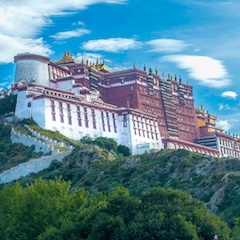
Full Moon Mt. Kailash Kora
This 14-day cultural and spiritual journey takes you from the sacred city of Lhasa to the remote landscapes of Western Tibet and the revered peak of Mount Kailash. Beginning with gradual acclimatization and visits to Tibet’s most important landmarks, including the Potala Palace, Jokhang Temple, and the great monasteries of Drepung and Sera, the route continues across high mountain passes, holy lakes, and historic towns such as Gyantse and Shigatse. The journey culminates in the three-day kora around Mount Kailash and time spent at the sacred waters of Lake Manasarovar, offering a rare blend of pilgrimage, Himalayan scenery, and authentic Tibetan cultural experience in one of Asia’s most spiritually powerful regions.
Highlights
- Lhasa, the cradle of Tibetan civilization
- Sacred Lakes
- 3 day Mt. Kailash Kora on a full moon day
Details
- 14-day trip begins and ends in Lhasa
- 13 nights in hotels and guesthouses
- Altitude from 3600-5600m
Itinerary:
Aug 21st / Day 1: Arrival in Lhasa (3658 m)
Upon arrival in Lhasa, you will be transferred to your hotel to settle in and relax.
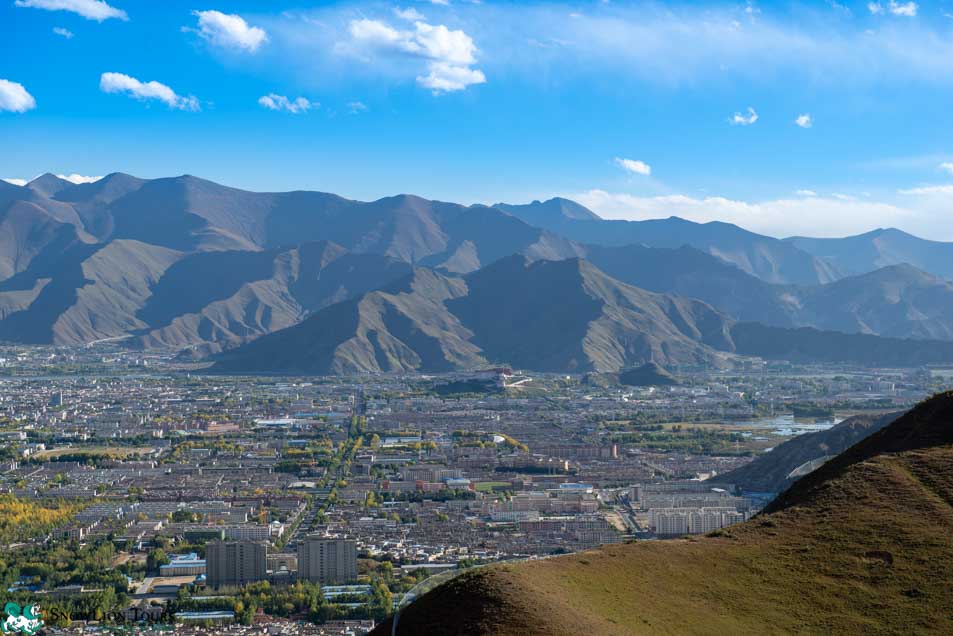
Aug 22nd / Day 2: Exploring Lhasa – Drepung Monastery, Nechung Temple, Sera Monastery
Begin your day by visiting Drepung, one of Lhasa’s renowned monasteries located on Gambo Utse Mountain. Admire the grand complex, comprising prayer halls, temples, and dormitories. Nearby, explore the Nechung Temple, the former residence of the state oracle. Later, visit Sera Monastery, where you can witness lively monk debates in the courtyard. For hiking enthusiasts, the hour-long circumambulation path around the monastery complex offers beautiful views.
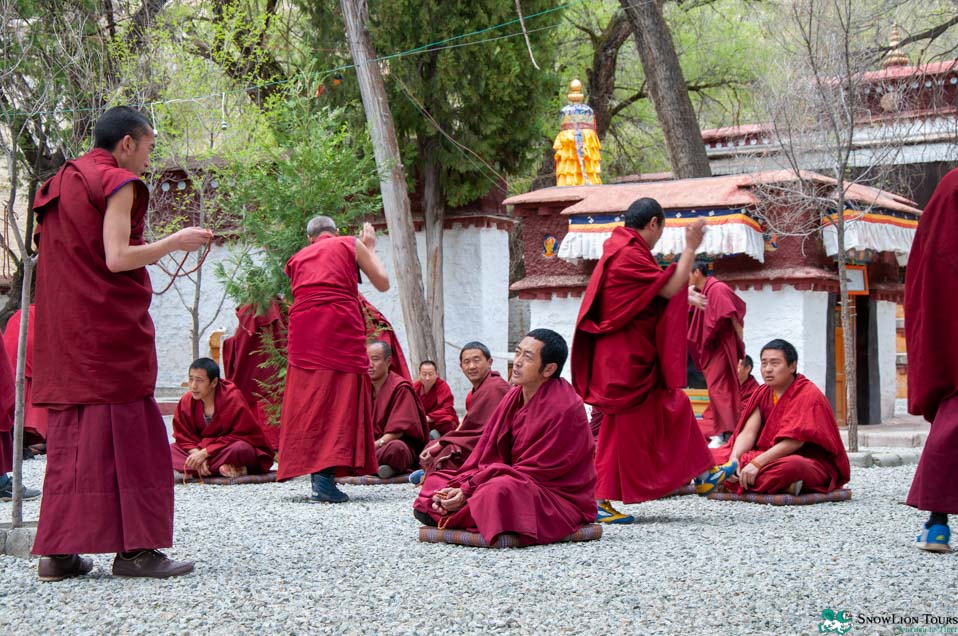
Sera Monastery debate Courtyard
Aug 23rd / Day 3: Explore Lhasa – Potala Palace, Jokhang Temple, Ramoche Temple and Barkhor Street
In the morning, walk around 20 minutes to visit the magnificent Potala Palace, an iconic structure in Tibet. Discover its grandeur and historical significance.
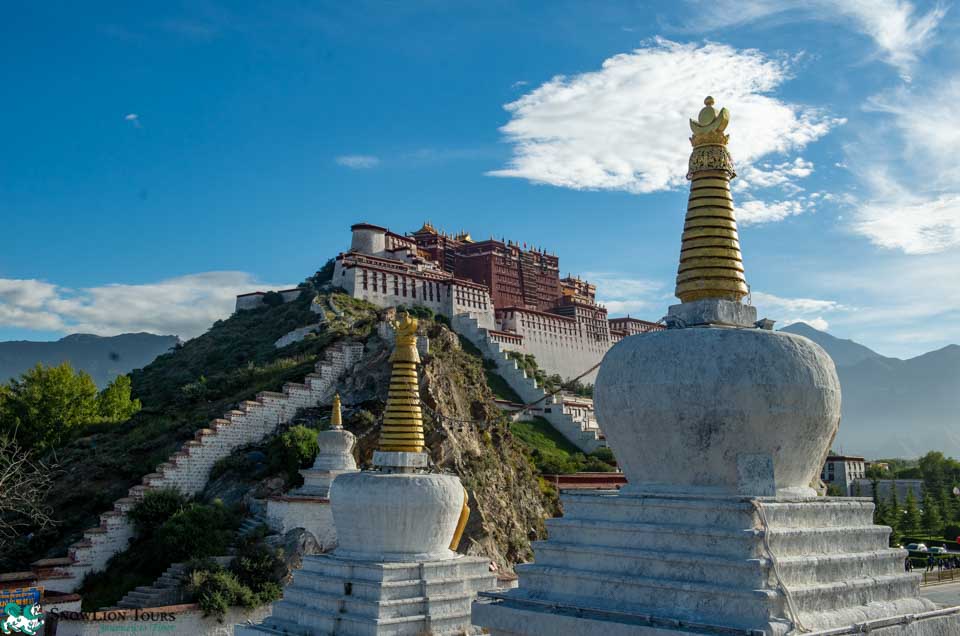
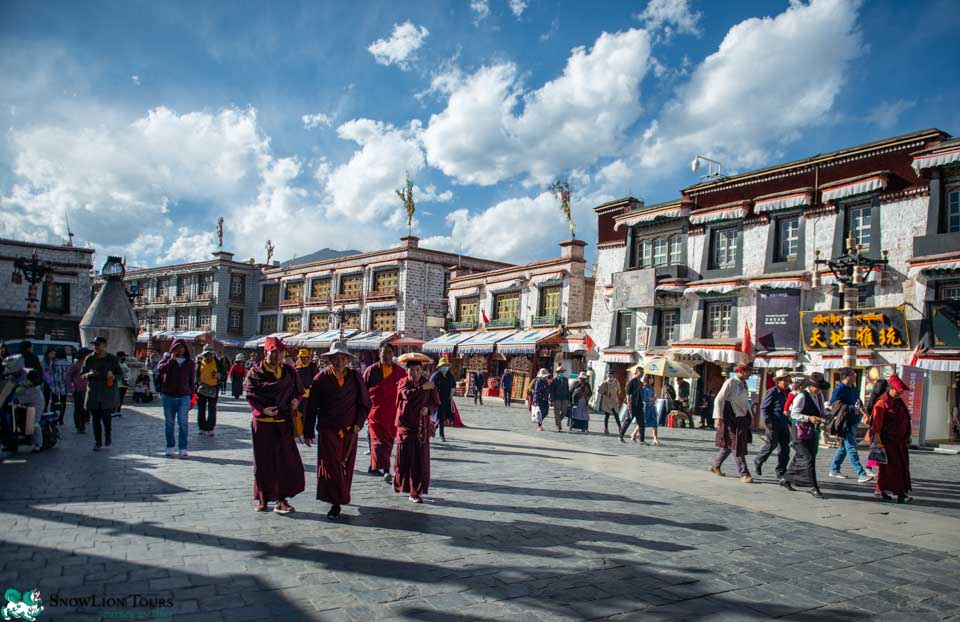
Next, explore the Jokhang Temple, situated in Barkhor Square. Stroll along the famous Barkhor Street, filled with Tibetan, Nepalese, and Indian goods and souvenirs. Witness pilgrims offering prayers at the Jokhang Temple. Conclude the day with a visit to Ramoche, a small monastery located in the city center. Once the official tour is end, you can wondering around old alleys around Barkhor on your own.
Aug 24th / Day 4: Lhasa – Yamdrok Lake [4,442 m] – Gyantse [3,900 m]
In the morning, drive to Yamdrok Yumtso Lake, one of the four most sacred lakes in Tibet. Continue via two high mountain passes—Karo La and Simi La—to the town of Gyantse. Here you will visit the famous Pelkor Chöde Monastery with the ancient Kumbum Stupa, built in the 15th century in the northwestern part of the town. Pelkor Chöde was once the largest non-sectarian Buddhist educational center; today only two main temples remain. Next to the main temple rises the largest stupa in Tibet—the Kumbum—containing many chapels that can be visited while ascending clockwise from one level to another. Overnight in Gyantse.
Aug 25th / Day 5 : Gyantse – Shalu Monastery – Shigatse [3,836 m]
In the morning, drive to Shigatse, the second-largest city in Central Tibet. En route, stop at Shalu Monastery, located 78 km west of Gyantse and 22 km south of Shigatse. Founded in 1003 by the Tibetan abbot and 11th-century teacher Sherab, Shalu became one of the earliest major monasteries and educational centers during the great revival of Buddhism in Tibet and an important center of the Sakya tradition. In the afternoon, continue to Shigatse.
Aug 26th / Day 6: Shigatse – Langtso Lake – Saga [4,640 m]
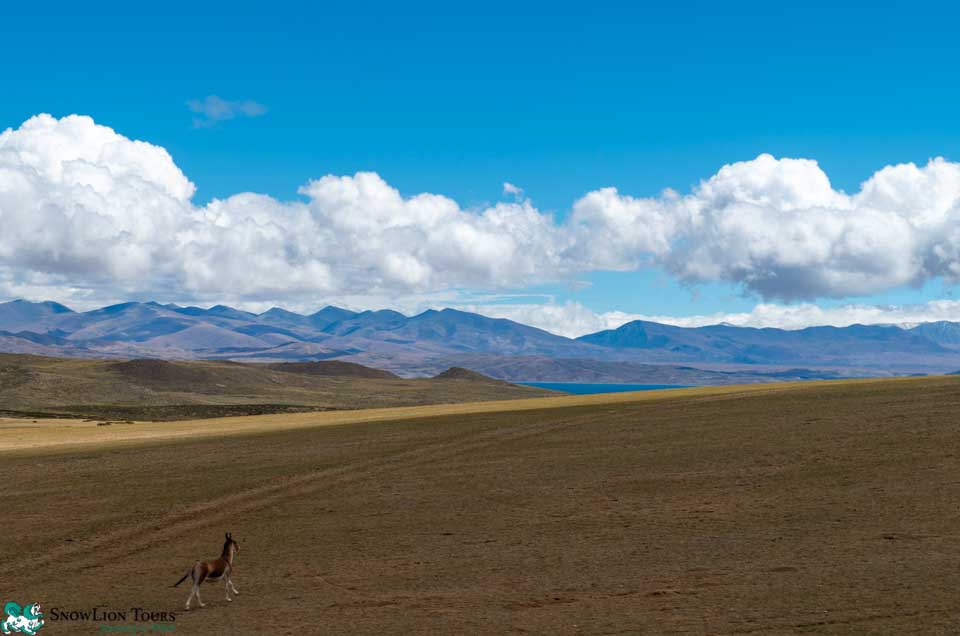
A full day of travel along mountain roads crossing 4,000–5,000-meter passes, offering breathtaking views of the Himalayan ranges. You will pass through meadows and rural areas, seeing small lakes and nomadic camps with yaks and sheep. After about 180 km, stop at the beautiful high-altitude Langtso Lake (4,300 m), where herds of yaks and sheep graze along the shores. Late in the evening, arrive in Saga, a small settlement near the Yarlung Tsangpo (Brahmaputra) River. Overnight in Saga.
Aug 27th / Day 7 : Saga – Paryang [4,700 m] – Darchen [4,575 m]
Travel through wide valleys with stunning views of mountain peaks and vast plains where nomads graze their herds of yaks and sheep. Further southwest, the landscapes change to sandy dunes, rocky mountains, and snow-covered peaks. Depending on the season, nomads and itinerant traders wear colorful traditional clothing. Lunch stop in Paryang, considered one of the highest towns in the world, where the sky feels so close it seems you could touch it with an outstretched hand. There are several Tibetan and Chinese restaurants and small shops selling snacks and drinks.
In the afternoon, passing by Lake Manasarovar, you will catch your first view of the mighty Mount Kailash. Overnight in Darchen. From almost anywhere in this small town, you can enjoy a close view of Kailash.
Aug 28th / Day 8: 1st Day of the Mount Kailash trek, trekking distance 19km and 6 -7 hours / FULL MOON DAY!
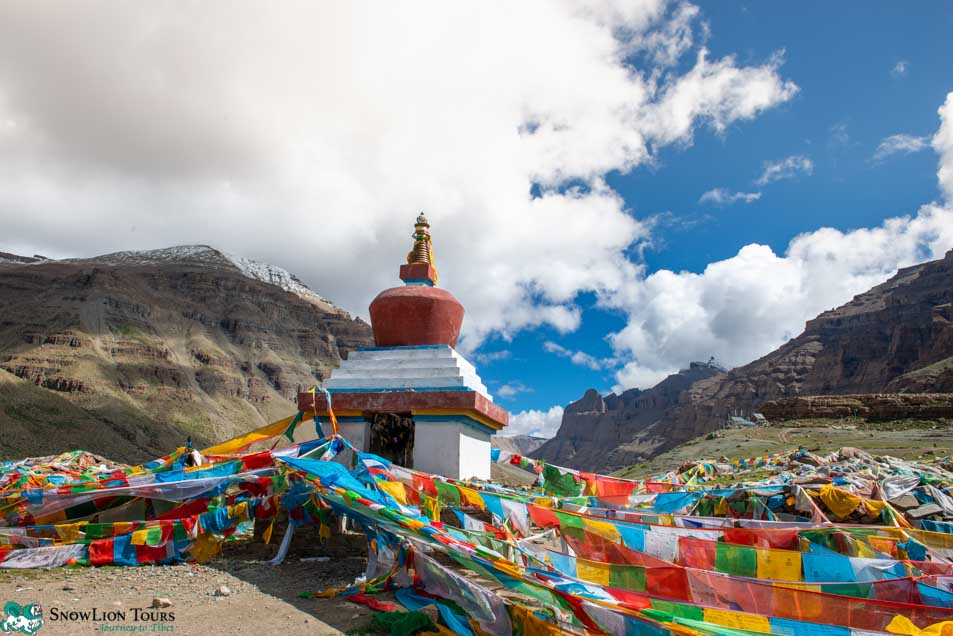
Walk along beautiful rocky cliffs, take deep breaths of fresh air. From time to time, the face of Mt. Kailash will appear. The trail passes the stone piled pass with colorful prayer flags, famous Tarpoche Flagpole, sky burial site and then enters Lha Chu valley. at the gate of this rocky canyon, a small monastery called Chugu Monastery with meditation cave of Tibetan Great Yogi Milarepa is on the left side of this canyon across the river. If you are a good trekker and interested in meditation, you can follow the small trail leading to this monastery at the left side of the river while others may continually go on the main trail. Pay a visit to this monastery takes an extra one hour. Afterwards, you can join the main trail cross the bridge below the monastery.
First day of Mount Kailash
Both sides of this canyon are high steep rocky mountains which are representing Bodhisattvas. For example, the three high rocky mountains at the left before reach Dirapuk Monastery represent “Rigsum Gonpo” in Tibetan or Three Bodhisattvas (Manjushri, Avalokiteshvara, and Vajrapani). After half hour of walking, you will reach sacred Dira Puk monastery which is located at an elevation of 5,000 meters by mid-afternoon. Here you can see the North face of the Mt. Kailash. This sight is also considered as a birthplace of Shiva – one of the primary forms of God in Hinduism. Spend the night in the monastery guest house.
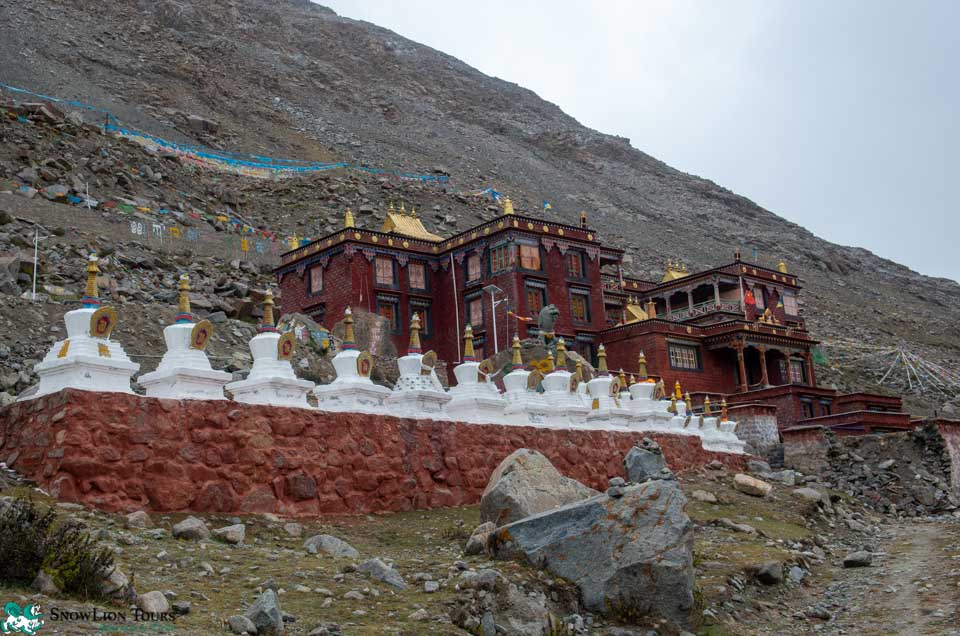
Aug 29th / Day 9: 2nd day of the Mount Kailash Trek – Dolma la pass (5650 m) – Zuthal Puk (4815m), Trekking distance 12km and 7 hours
This place is the closest place to view Mt. Kailash in entire kora. It’s right behind the guesthouses, so enjoy this last time close-up view of this holy mountain, then we start the day. Hike across a valley up to the Dolma-La Pass. The trail is much more dramatic today as you are ascending from 5050m to 5650m above sea level. Though these numbers are not big difference but given the altitude in this area, it is the most difficult part of the trek.
When you reach the top, make an offering, take a break (or meditate), and leave behind all your problems and worries. Let the prayer flags at the mountain pass bring positive energy to you and your families. Afterwards, begin descending. A mirror-like turquoise lake will appear in front of you in the middle of black rocky mountains, which said to be water offering for the holy mountain. By the late afternoon arrive at Zuthal Puk, the cave of miracles where Milarepa once stayed.
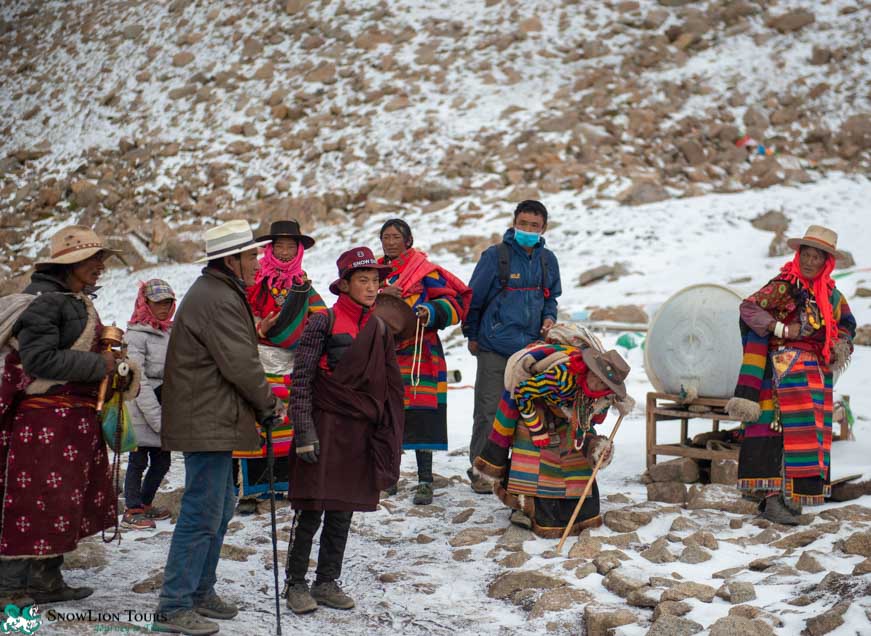
Aug 30th / Day 10: 3rd day of the Mt. Kailash kora – and drive to Lake Manasarovar
The day begins with a walk along the glacier river in the morning. The path is gentle and rich in vegetation. At the end of the valley, before turning right, a stunning view opens onto the snow-covered peak of Naimona’nyi (7,728 m). After completing the kora around Mount Kailash, return to Lake Manasarovar, one of the highest freshwater lakes in the world. Its turquoise waters are home to fish and swans. Tibetans consider it sacred and call it Mapham Tso, the “Invincible Lake.” Manasarovar is also sacred to Hindus. Around the lake lie two sacred mountains—Kailash and Gurla Mandhata—and Lake Rakshastal. On a hill by the lake stands Chiu Monastery, an ancient monastery of the Drukpa Kagyu school.
When Guru Rinpoche (Padmasambhava) brought Buddhism from India to Tibet, he spent 55 years in the Land of Snows. Before leaving Tibet, he meditated for a week in a cave near Manasarovar, where Chiu Monastery was later built. Nearby are hot springs where visitors may bathe. A few kilometers away lies Rakshastal, crescent-shaped and usually windy and overcast, with no fish or vegetation. Locals consider it a dark, negative, and unknown aspect of consciousness.
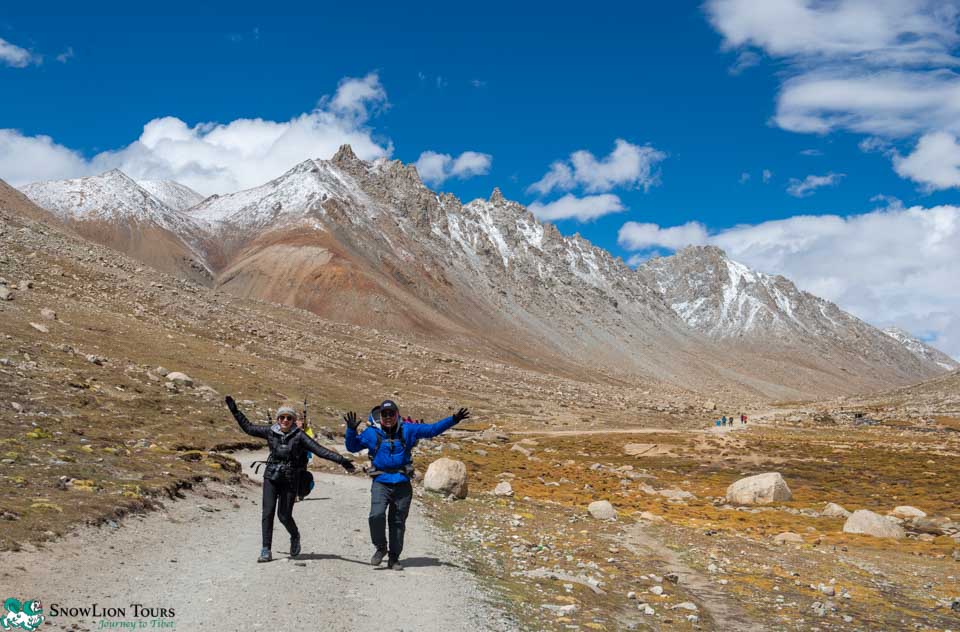
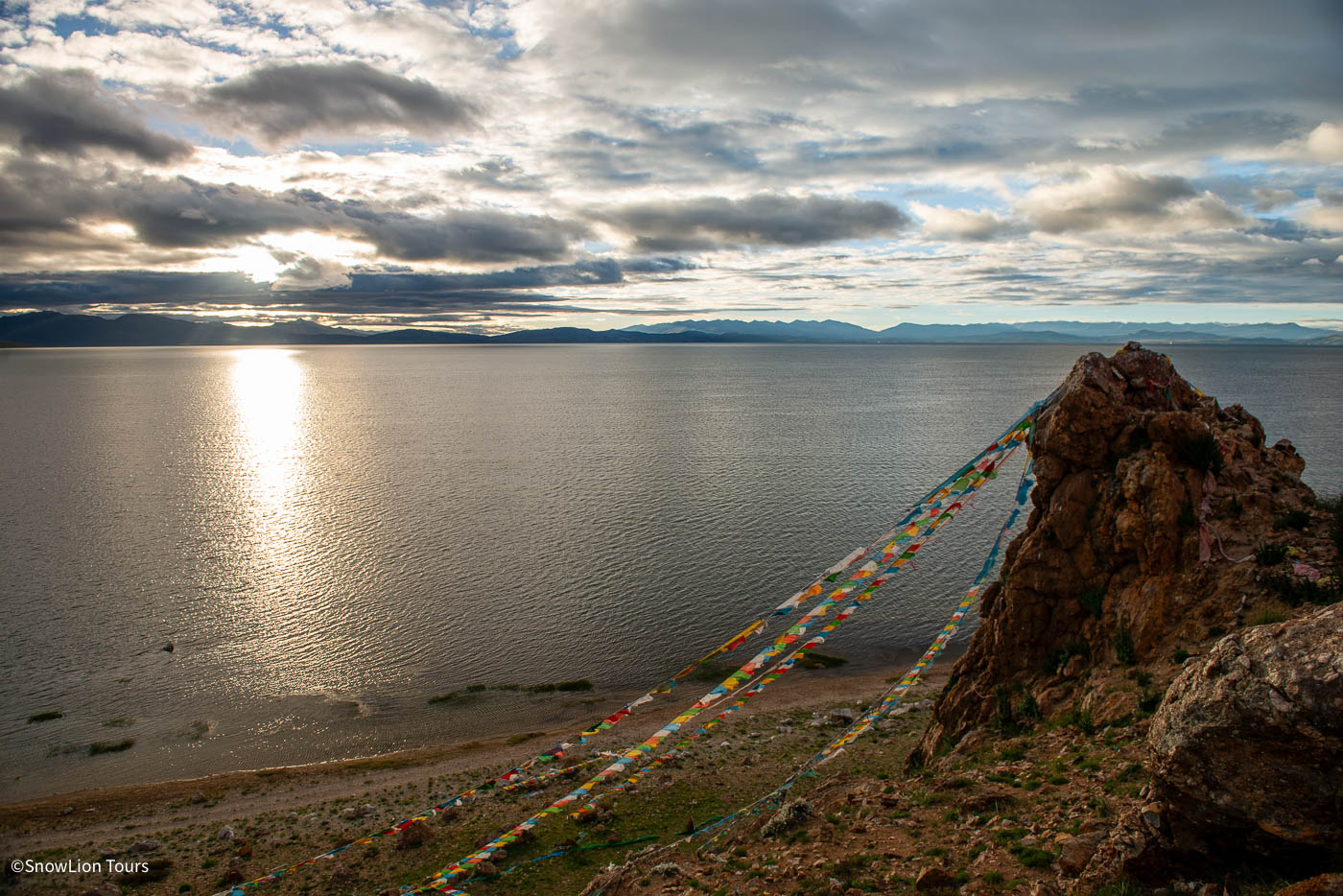
Aug 31st / Day 11: Manasarovar Lake – Paryang – Saga
If you rise early, you may walk up the hill adorned with mani stone walls and prayer flags to witness a beautiful sunrise over the sacred lake, with the first rays of light illuminating Mount Kailash in the distance. From this viewpoint, both Mount Kailash and Lake Manasarovar can be seen together. After breakfast, we begin our return journey toward Lhasa, enjoying magnificent Himalayan scenery along the way, with short stops for walks and photography.
Sept 1st / Day 12: Saga – Brahmaputra River – Shigatse
Return drive from Western Tibet. A full day on the road due to speed restrictions, with short stops for walks and photos. En route, cross the Yarlung Tsangpo (Brahmaputra) River. Arrival in Shigatse late in the evening.
Sept 2nd / Day 13: Shigatse – Lhasa
In Shigatse, visit Tashilhunpo Monastery, the seat of the Panchen Lamas. Here stands a colossal 26-meter statue of Maitreya Buddha (the Future Buddha), adorned with gold and precious stones. Founded in 1447 by the First Dalai Lama, Tashilhunpo is one of the four major monasteries of the Gelug school. It houses unique frescoes, ancient manuscripts, sacred relics, and the richly adorned tombs of the Panchen Lamas. In the evening, return to Lhasa for free time for shopping, restaurants, and teahouses.
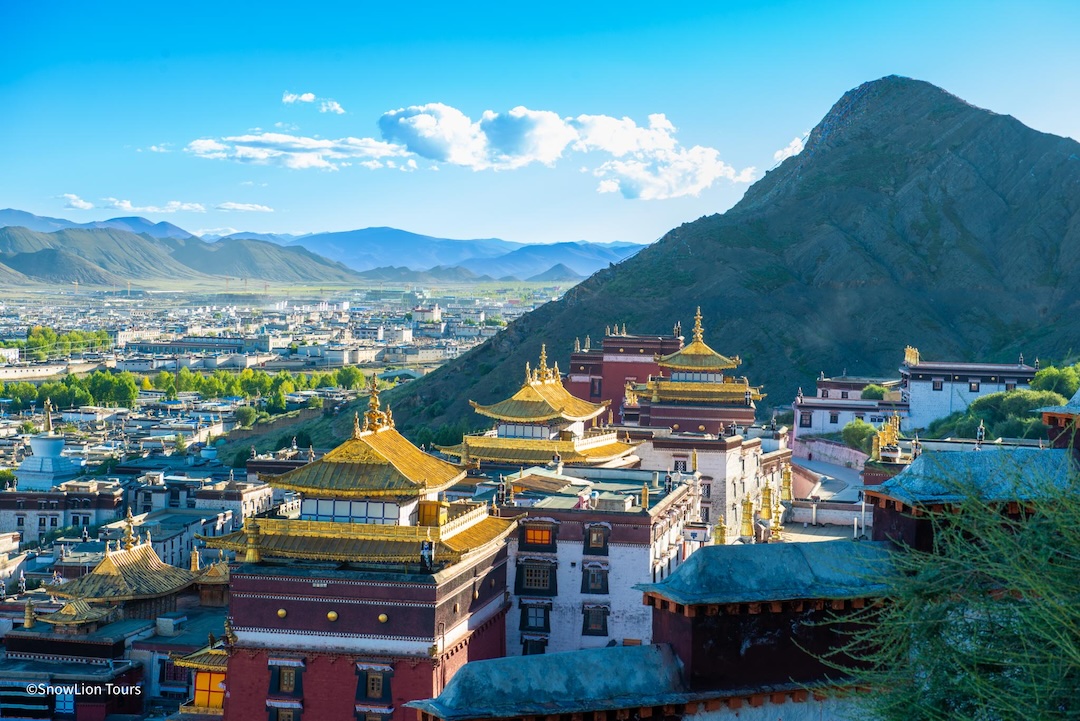
Tashilhunpo Monastery in Shigatse
Sept 3rd / Day 14 : Departure from Lhasa
Transfer to the airport or railway station. Farewell to Tibet!
Itineraries are subject to change without prior notice.
Tour Map
-
DepartureLhasa
-
Departure TimeAugust 21st
-
Return TimeSeptember 3rd
-
IncludedTibet Travel PermitsTibet English speaking guideHotels and guesthousesEntrance ticketsTourist Vehicle
-
Not IncludedFoodPlane / train tickets to/from LhasaTips for guide and driverYaks and portersTravel insurance
Recent Posts
- Shoton Festival Begins in Lhasa!
 August 23, 2025
 - Tour Price in Tibet
 August 23, 2025
 - Qinghai Shaman Festival in Rebkong Concludes Successfully
 August 21, 2025
Similar Tours
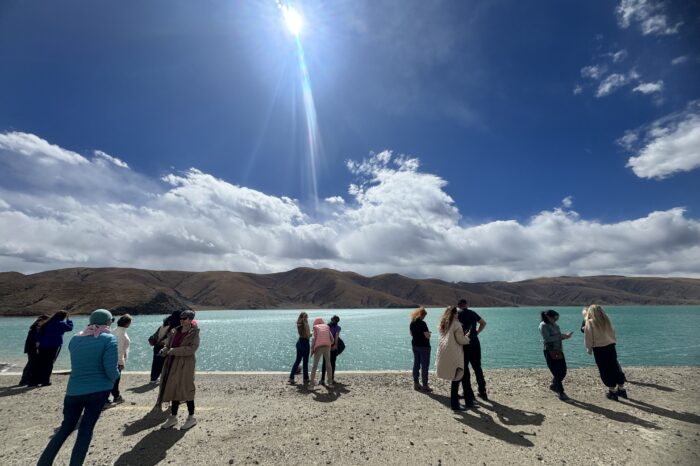
Kathmandu to Mount Kailash Tour
Mount Kailash pilgrimage tour from Kathmandu, featuring Lake Manasarovar and the three-day kora
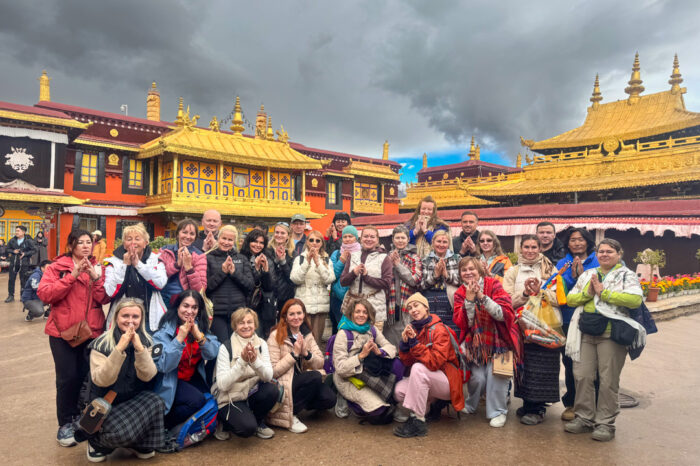
Kailash kora and Garuda Valley
A transformative 15-day spiritual journey from Lhasa to sacred Mount Kailash, featuring a traditional three-day kora, ancient monasteries, and the mysterious Garuda Valley.
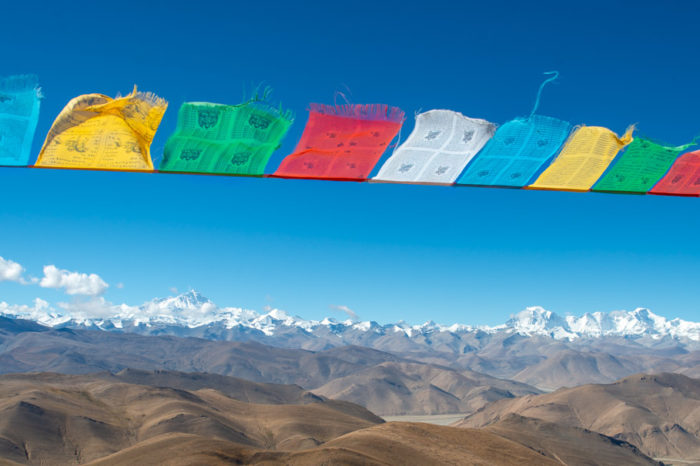
Himalayan Journey
Lhasa ➔ Yamdrok Lake ➔ Everest Base Camp ➔ Peikutso Lake ➔ Kyirong ➔ Kathmandu

.jpg "amdo monlam festival tour")