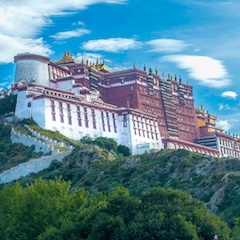
Trans Himalaya Overland Tour
On this tried-and-true Nepal to Tibet trip with the best locations in and around Tibet, experience both modern and traditional life in the Tibetan region. Cross the Nepal-Tibet border to enter Tibet, and visit some of the most highlighted tourist spots such as Mt. Shishapangma, Peikutso Lake, Mt. Everest, Sakya, Shigatse, Gyantse, and Yamdrok Lake. Finally, make your way to the city of gods, Lhasa, the capital city of Tibet. Follow the local pilgrims around Barkhor, visit small art shops to see how Tibetan paintings are made, try traditional Tibetan clothes, and drink some yak butter tea in a local teahouse around Barkhor Street. Offer a butter lamp at the holy Jokhang Temple, and peek into the treasure storerooms of the Potala Palace.
Highlights
- Historic sites of Lhasa
- Beautiful countryside scenery
- Everest Base Camp
Details
- 8-day trip begins and ends in Lhasa, Tibet
- 7 nights in hotels and guesthouses
- Altitude from 2000-5200m
Itinerary:
Day 1: Kathmandu – border Nyalam(3750m)
Arrive at the border in the town of Dram or Zhangmu, meet our Tibetan guide and driver, and drive to Nyalam (3750m). Nyalam is located 30km east of Zhangmu and about 152km west of Old Tingri. The town lies in the valley of Matsang Tsangpo. It’s historically an important trading town.
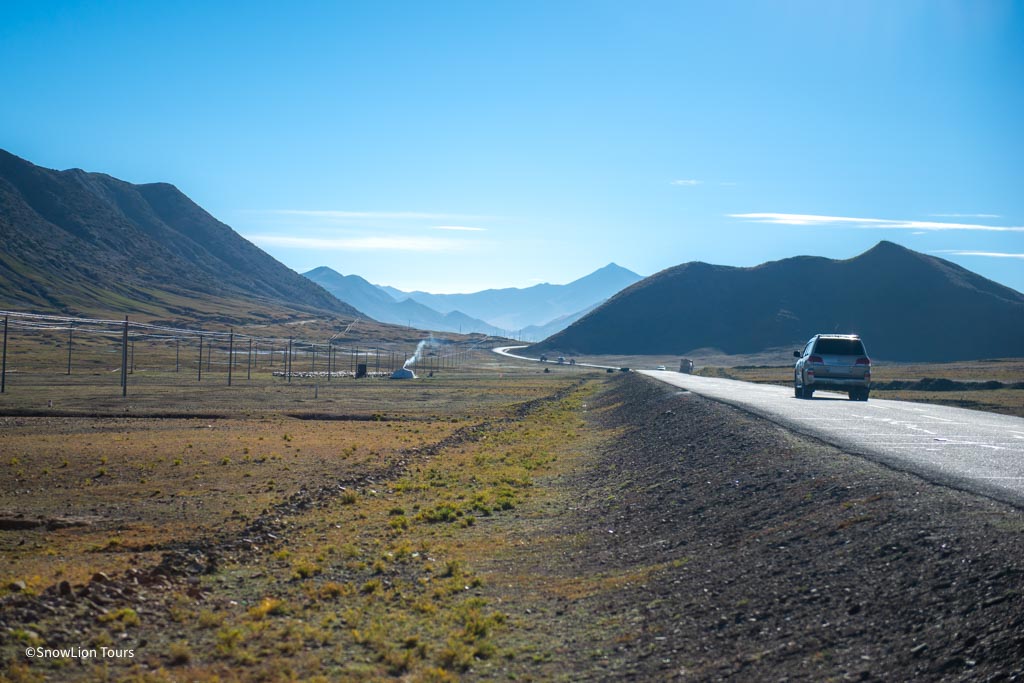
Road trip in Tibet
Day 2: Nyalam – Milarepa’s Cave – Mt. Shishapangma – Peikutso Lake (4600m) – Old Tingri (4360m)
Drive to Milarepa’s Cave. The cave, which overlooks the entrance to the hidden valley of Lapchi Gang, is accessed from the gompa’s vestibule. Pilgrims’ offerings of decorated stones along the path and sweet-smelling herbs and wildflowers growing all around make this a place of great peace and beauty.
Then follow the Friendship Highway 318 for a short distance until you reach a fork, where one road leads north to Mt. Kailash and the other to Lhasa. Follow the northern road to see a striking view of Mt. Shishapangma on the left side. Mt. Shishapangma is one of the highest peaks in Tibet, with an elevation of 8012m. Continue driving north for about 30km to reach Peikutso Lake, a cobalt blue lake fed by the glacial streams of the Dachu and Lhachu rivers. Afterwards, drive to Old Tingri, where you will see some of the world’s highest mountains surrounding the town like protectors.
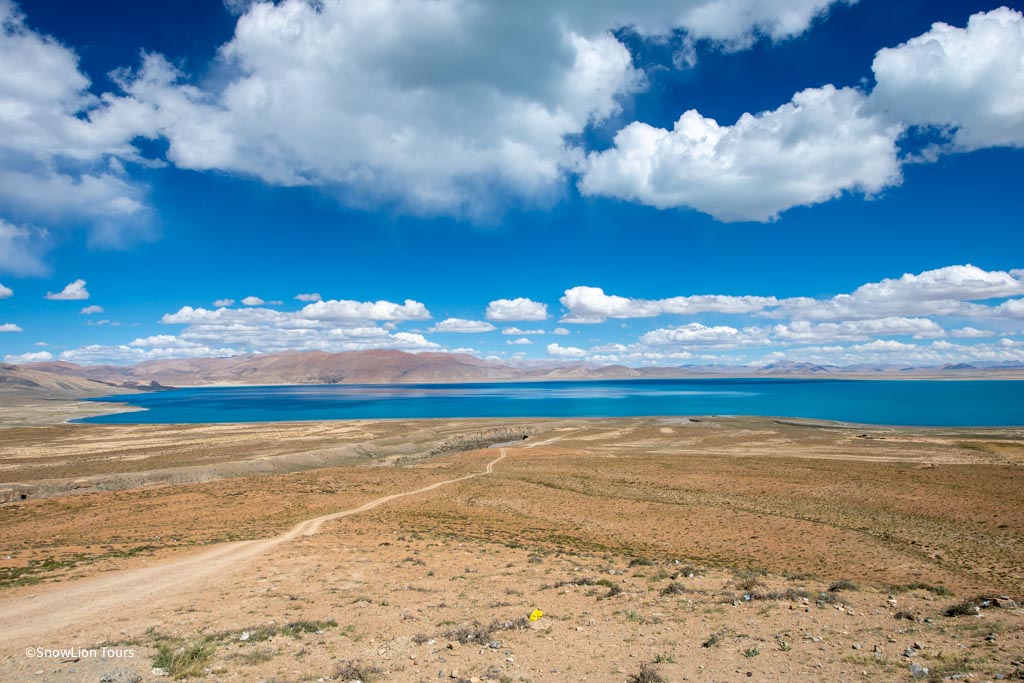
Peikutso Lake
Day 3: Old Tingri – Rongbuk Monastery – Everest Base Camp [5200m] – Shegar (4500m)
After passing through scenic valleys and driving over rocky mountains, you will reach Rongbuk Monastery, where you will have a fabulous view of Mt. Everest. Rongbuk Monastery is the highest monastery in the world. The distance from Rongbuk Monastery to Everest is about 8km, and along the way, there are spectacular views of the world’s tallest mountain. You can either take a two-hour hike or a bus to Everest Base Camp. Spend the night in a warm yak-hair tent run by a Tibetan family.
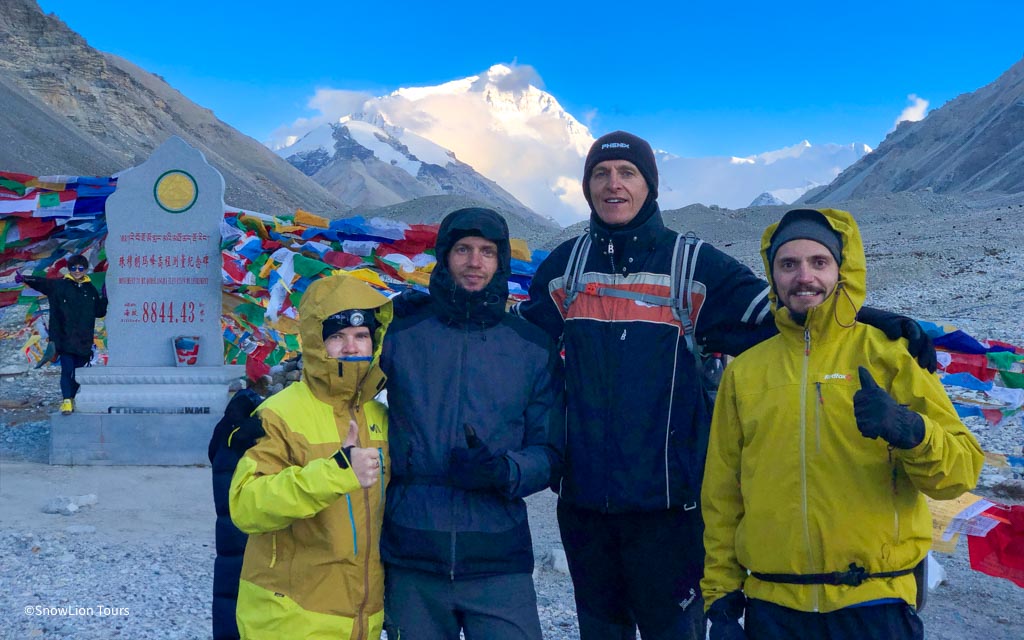
Our group poses a photo at Everest Base Camp in Tibet
Day 4: Shegar – Sakya – Shigatse (3860m)
In the morning, visit Shegar Monastery or climb up the ruins of Shegar Dzong for beautiful views. Shegar Chode Monastery was originally founded in 1266. Afterwards, drive over Tso-La pass (4500m) and Gyatso-La pass (5252m) to reach Sakya Monastery. The Sakya tradition is one of the four main Tibetan Buddhist schools in Tibet. It was from here that the whole of Tibet was governed during the period of Sakyapa hegemony (1268-1365). Then continue driving to Shigatse, the second largest city in Tibet. In Shigatse, visit Tashilhunpo Monastery, the seat of the Panchen Lamas, which was founded in 1447 by the First Dalai Lama.

Tashilhunpo Monastery in Shigatse
Day 5: Shigatse – Gyantse – Karo-La Glacier – Yamdrok Lake – Lhasa (3600m)
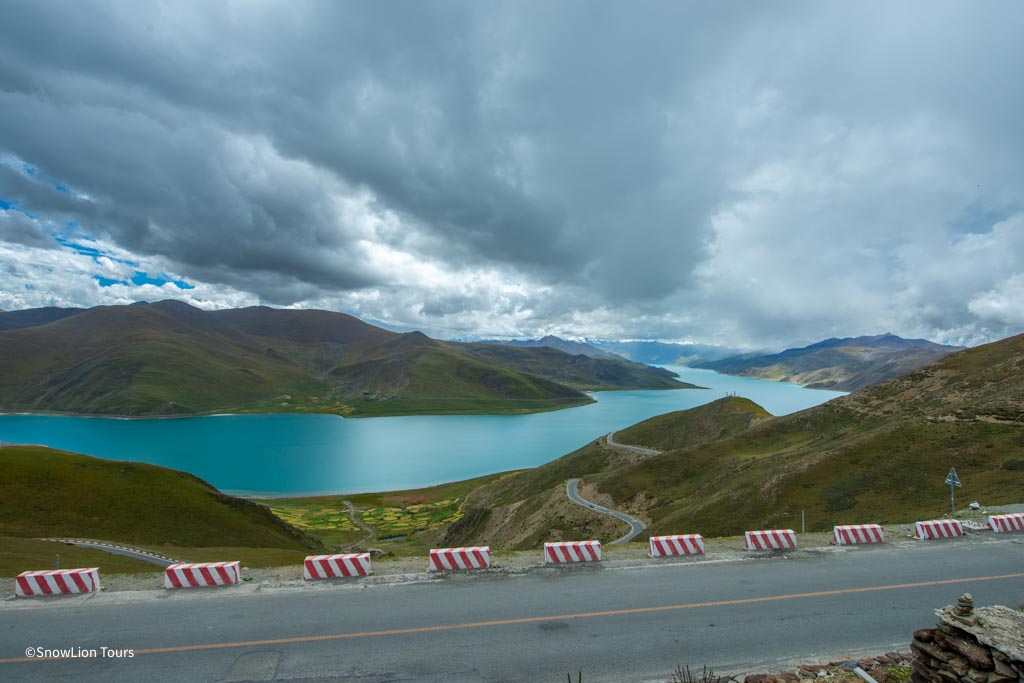
In the morning, drive to Gyantse. In Gyantse, visit Pelkor Monastery and Kumbum Stupa (100 Thousand Buddha Pagoda), both of which were built in the 15th century and are located on the northwestern edge of town. Then continue driving to Yamdrok Lake via Karo-La Glacier. Yamdrok Lake is a holy turquoise-colored lake with stunning scenery. The stunning view of Mt. Nojing Kangsang over the lake in the distance is one of the most striking views you can see in Tibet. After crossing over the Kamba-La (4794m), you will reach the open valley of the Yurlung Tsangpo River. This is a pleasant drive along the river. Finally, arrive in the city of gods – Lhasa, the capital city of Tibet.
Day 6: Lhasa Sightseeing
Visit Drepung Monastery, one of the three most famous monasteries in Lhasa. Drepung is located just outside Lhasa on Gambo Utse Mountain. Once home to as many as 10,000 monks, the enormous monastic complex is the site of many prayer halls, dormitories, and temples. Just below the monastery is the Nechung Temple, the former home of the state oracle. Afterwards, visit Sera Monastery, where you can watch monks debate in the courtyard. If you enjoy hiking, walk the hour-long circumambulation path around the monastery complex.
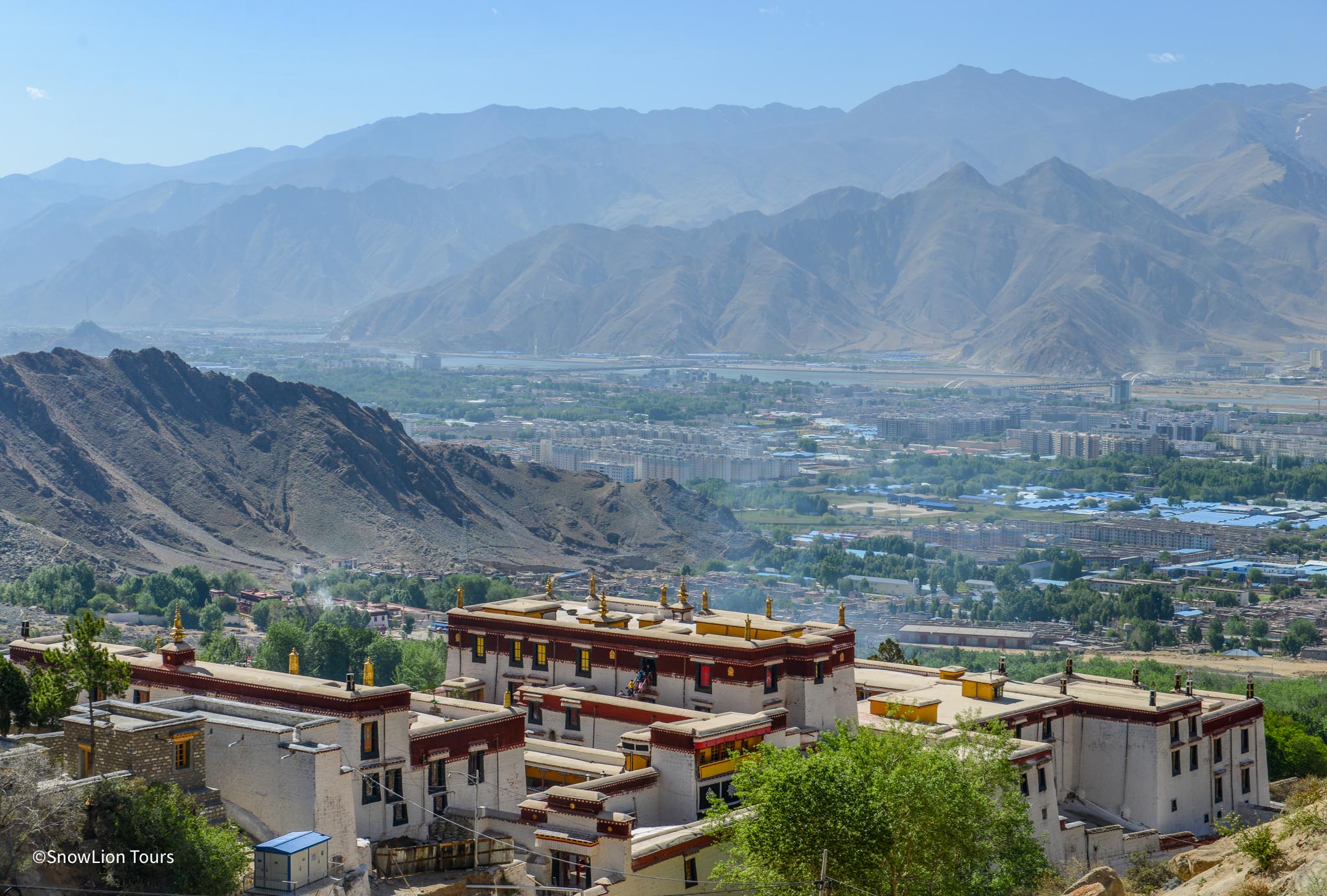
The view of Lhasa city from Drepung Monastery
Day 7: Lhasa Sightseeing
In the morning, visit the Potala Palace, the greatest monumental structure in all of Tibet. The Potala is 13 stories high and holds countless treasures in its many rooms. Built in 637 AD, the Potala has been home to the Dalai Lama lineage for more than a thousand years. Also visit the Jokhang Temple, the holiest temple in all of Tibet. From the rooftop, you will see pilgrims from all over Tibet prostrating in front of the Jowo Buddha statue inside the monastery. Afterwards, walk through the Barkhor, a famous shopping street filled with goods and souvenirs from Tibet, Nepal, and India. Spend some time drinking sweet tea in a traditional tea house located on a rooftop overlooking the bustling Barkhor.
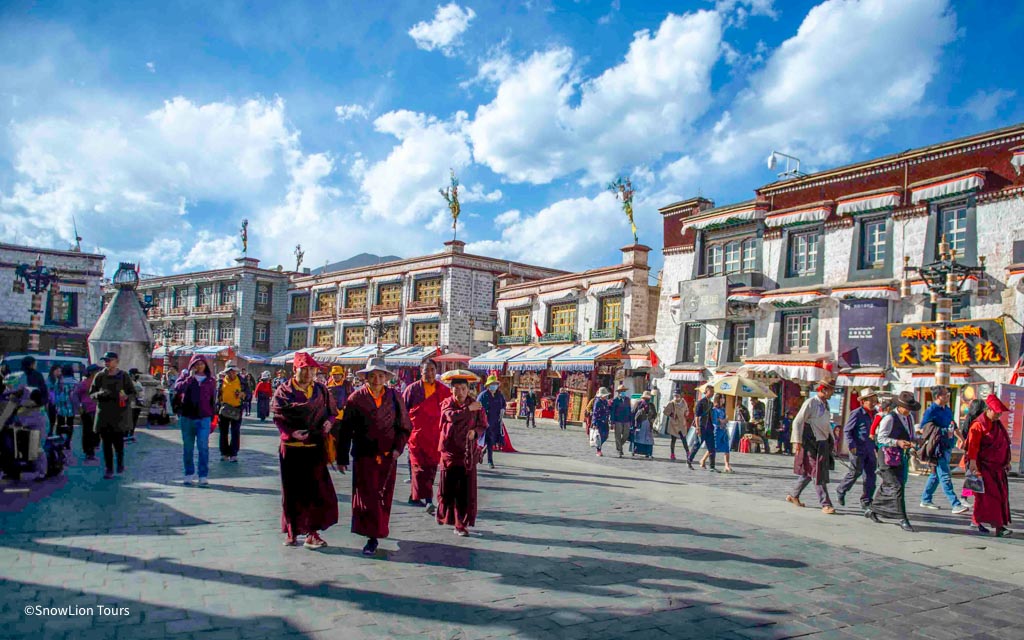
Walking around Jokhang Temple in Lhasa, Tibet
Day 8: Depart from Lhasa
We will drop you off at the airport, say goodbye to Tibet and our team!
Tour Map
-
DepartureKathmandu
-
Departure TimeAnytime
-
Return TimeAnyme
-
IncludedPick up and drop offTibetan English speaking guidePrivate vehicleEntrance ticketsAccommodationTibet Travel PermitChina Group VisaTransportation from Kathmandu to border
-
Not IncludedFood (lunch and dinner)Plane ticket from LhasaTravel InsuranceTips for guide and driver
Recent Posts
- Shoton Festival Begins in Lhasa!
 August 23, 2025
 - Tour Price in Tibet
 August 23, 2025
 - Qinghai Shaman Festival in Rebkong Concludes Successfully
 August 21, 2025
Similar Tours
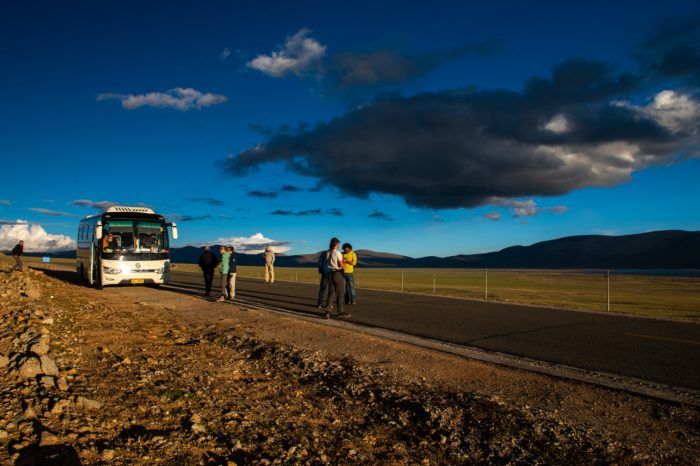
Kathmandu to Lhasa Tour
Travel overland from Kathmandu to Lhasa via Everest Base Camp, sacred lakes, and historic monasteries. A carefully paced Nepal–Tibet journey with experienced Tibetan guides.
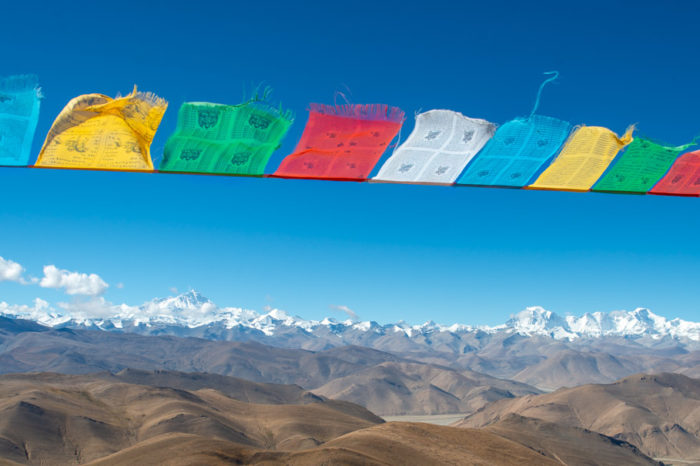
Himalayan Journey
Lhasa ➔ Yamdrok Lake ➔ Everest Base Camp ➔ Peikutso Lake ➔ Kyirong ➔ Kathmandu
Kathmandu – Guge Kingdom – Kailash – Kathmandu
A deeply immersive pilgrimage and overland journey from Kathmandu to Mount Kailash, weaving sacred landscapes, ancient kingdoms, high-altitude trekking, and profound spiritual encounters across Western Tibet.

.jpg "amdo monlam festival tour")