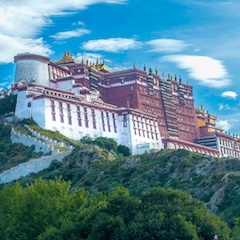
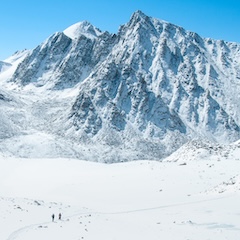
The stunning high-altitude landscapes of Tibet offer excellent opportunities for trekking—whether it’s climbing to remote monasteries, riding horses across vast grasslands, hiking through national parks and snow-capped mountains, or circumambulating holy peaks like Mount Kailash. Regardless of your skill level, Tibet has a trail for you. That being said, thorough preparation and the right knowledge are essential to ensure a smooth and memorable journey.

Altitude Sickness: What You Need to Know
One of the most significant challenges in Tibet is the altitude. Trekking routes often lie between 3,000–5,500 meters (9,800–18,000 feet), making acute mountain sickness (AMS) a real concern.
Common Symptoms:
-
Headache
-
Nausea or vomiting
-
Dizziness and fatigue
-
Shortness of breath
-
Loss of appetite
Prevention & Tips:
-
Acclimatize gradually—spend a few days in Lhasa or Shigatse before trekking.
-
Hydrate constantly, but avoid alcohol.
-
Rest and pace yourself—don’t push too hard on the first days.
-
Carry medication like Diamox if recommended by your doctor.
-
If symptoms worsen, descend immediately.
Best Seasons for Trekking
-
Spring (April–June): Mild temperatures, green landscapes, and blooming flowers. Some high passes may still hold snow.
-
Autumn (September–October): Crisp air, clear skies, and the best mountain views. Popular, so expect more trekkers.
-
Summer (July–August): Warmer but rainy season; leeches and muddy trails can be an issue.
-
Winter (November–March): Fewer tourists and beautiful snow scenery, but extreme cold and closed high passes.
Permits and Regulations
Travel in Tibet requires special permits beyond the Chinese visa. These are usually arranged by your tour operator, but it’s good to be aware:
-
Tibet Travel Permit – Required for all foreign visitors.
-
Alien Travel Permit – For areas outside Lhasa (e.g., Shigatse, Everest Base Camp).
-
Military Permit – Needed for sensitive regions like Mount Kailash or Nyingchi.
-
Climbing Permit – Required if attempting peak climbing.
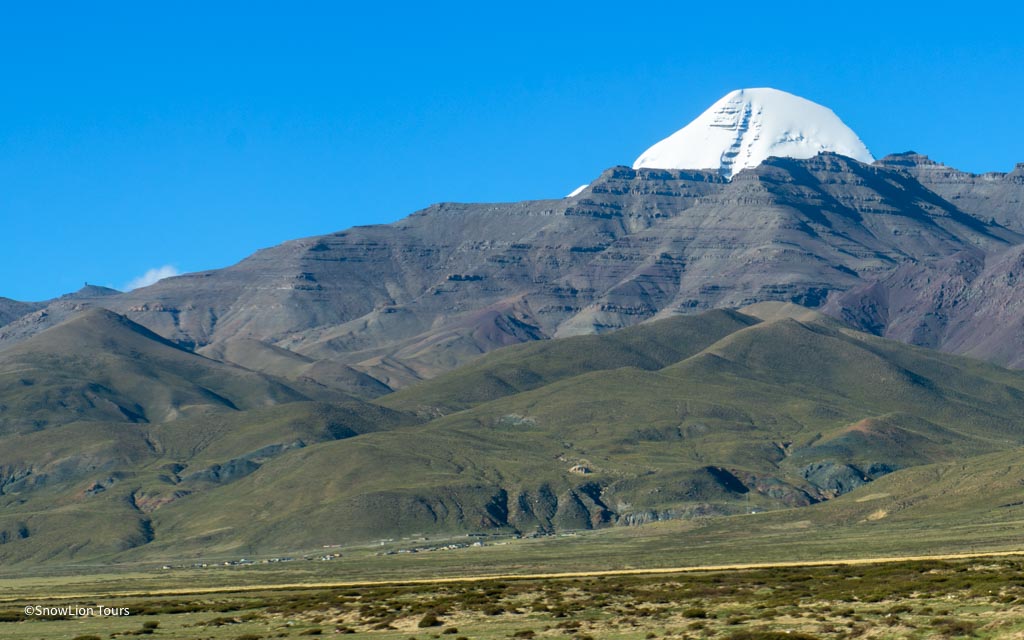
The Northwest face of Mount Kailash.
Packing Essentials
Tibet’s weather is unpredictable, so packing properly is key.
Clothing
-
Layered clothing system: base layer, fleece, down jacket, waterproof shell
-
Warm hat, gloves, thermal socks
-
Quick-dry trekking shirts & pants
-
Sunglasses & sunscreen (UV rays are stronger at altitude)
Gear
-
Sturdy trekking boots (already broken in)
-
Trekking poles
-
Sleeping bag rated for –10°C or lower
-
Backpack with rain cover
-
Water purification tablets/filter
-
Headlamp with spare batteries
Health & Safety
-
First aid kit with altitude sickness medication
-
Personal snacks, energy bars
-
Hand sanitizer & wet wipes
Documents
-
Passport & Chinese visa
-
Permits (check with your agency)
-
Travel insurance covering high-altitude trekking
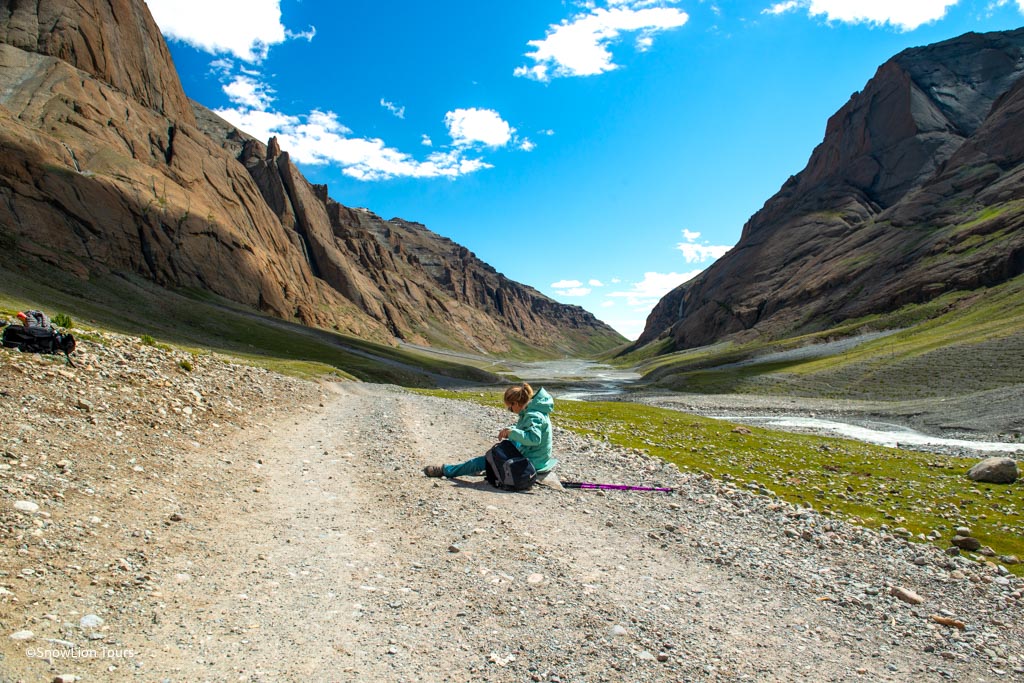
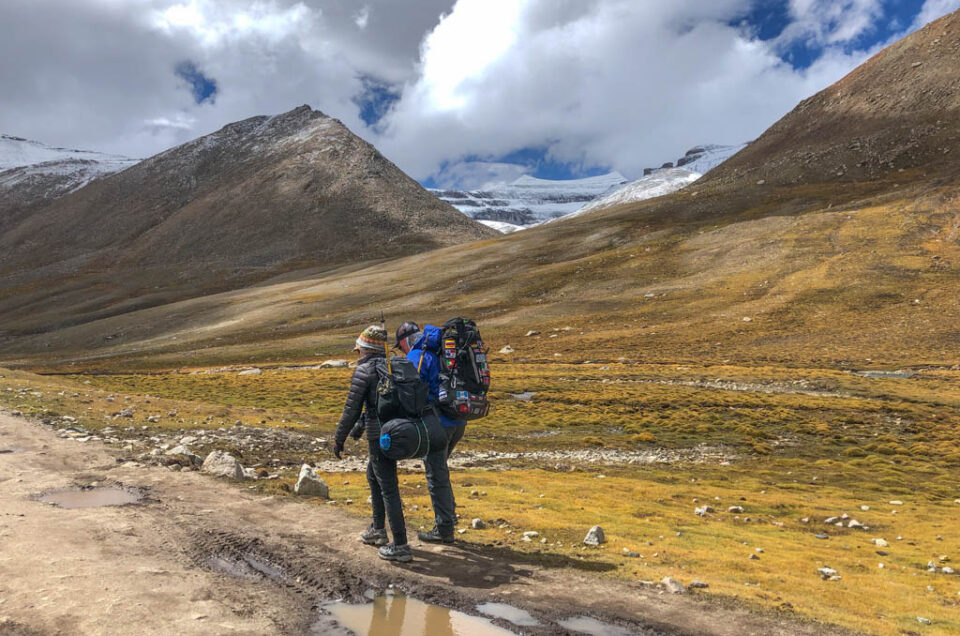
Mt Kailash Tour Day 1
Cultural Etiquette on the Trail
Tibet is not only about landscapes but also spirituality and tradition. Respecting local culture is just as important as physical preparation.
-
Do not photograph monks or locals without asking permission.
-
Walk clockwise around monasteries, stupas, and sacred mountains.
-
Avoid stepping on thresholds when entering temples.
-
Dress modestly in religious sites (cover shoulders and knees).
-
Offer small donations if joining local prayer activities, but do so respectfully.
Trekking with SnowLion Tours
We offer both short and long treks across Tibet. Day hikes may include monastery visits, lakes, or grassland walks, while longer expeditions (2–20+ days) feature camping with nomads, trekking through national parks, the Mount Kailash kora, Everest Base Camp hikes, horse and yak trekking, and wildlife exploration.
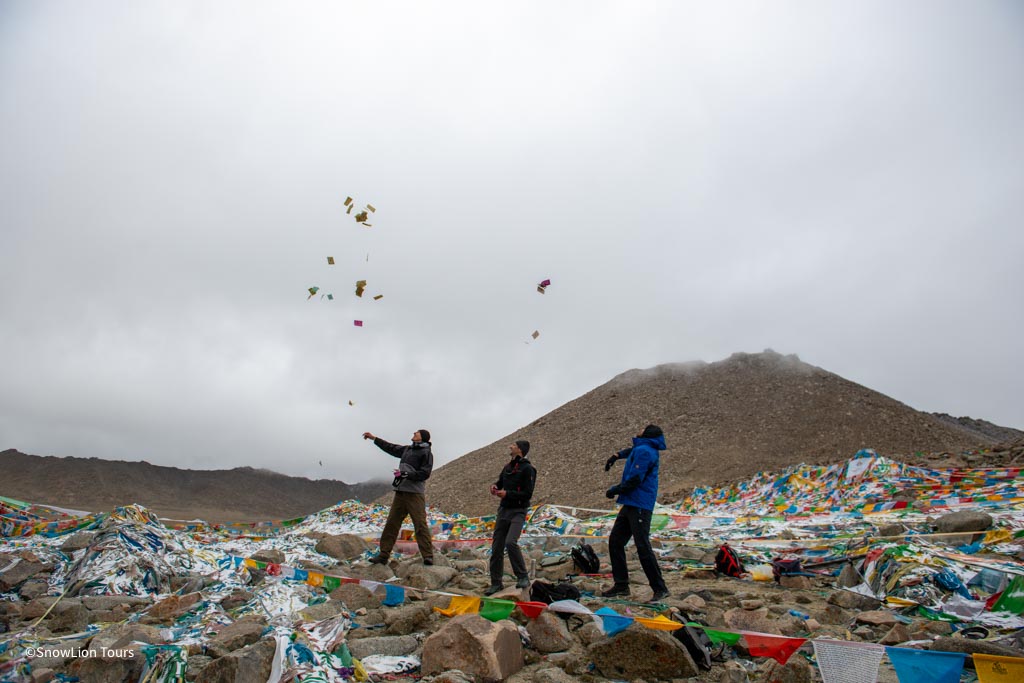
Kailash Tour Day 2


.jpg "amdo monlam festival tour")