Ranwu Lake
Ranwu Lake in Eastern Tibet
Ranwu Lake, also known as Rawok Lake and called Ngan-tso in Tibetan, is widely regarded as one of the most beautiful lakes in eastern Tibet. Situated in Ranwu Town, Chamdo Prefecture, in the Tibet Autonomous Region, it lies between Bome County (127 km to the west) and Baxoi County (90 km to the east), right on the famous National Highway 318, the overland route connecting Sichuan to Lhasa.
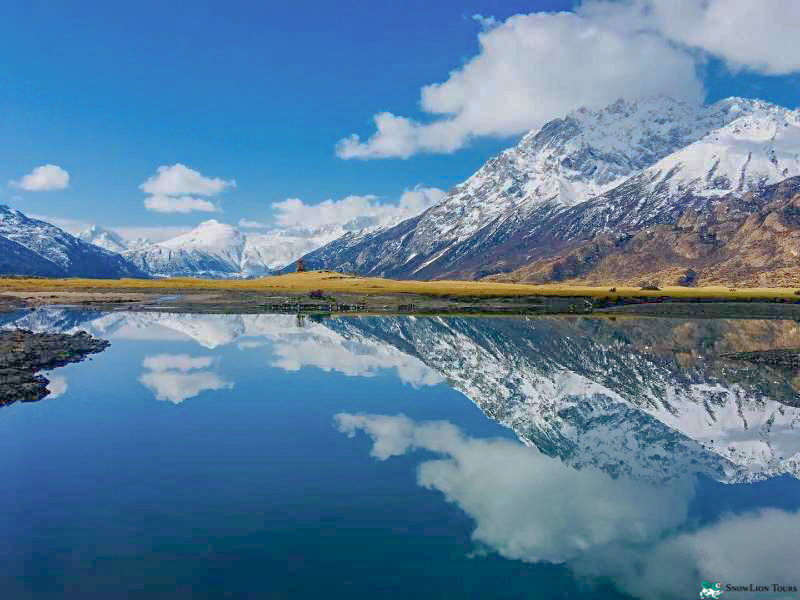
Ranwo Lake
Ranwu Lake sits at an elevation of 3,807 meters and spans 22 square kilometers, stretching about 26 kilometers in length. It is the main source of the Palong Zangbo River, a key tributary of the Yarlung Tsangpo (Brahmaputra), and plays a vital role in feeding the Yarlung Tsangpo Grand Canyon, the deepest canyon in the world. The lake is glacial in origin, fed year-round by meltwater from the snow-capped peaks and ancient glaciers that surround it. These pure water sources give Ranwu Lake its pristine clarity and unique turquoise hue.
Ranwu Lake is encircled by dramatic scenery—snowy mountains, alpine meadows, dense pine forests, and serene blue skies. To the southwest rises the majestic Gangrikarpo Snow Mountain, while to the northeast looms Basula Peak, and directly to the south lies the spectacular Lhegu Glacier. In spring and summer, wildflowers bloom along the lake’s shores, while in autumn the surrounding forests blaze with golden hues. In winter, the lake partially freezes over, creating an otherworldly stillness.
This harmony of colors and textures creates a dreamlike tableau, making Ranwu one of Tibet’s most photogenic and meditative locations.
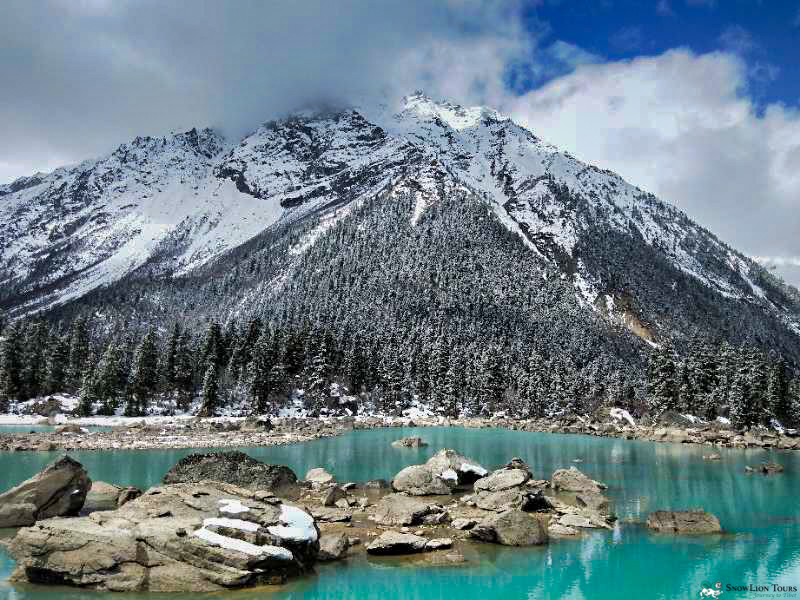
Rawok Lake
While Ranwu is less known among international tourists than lakes like Yamdrok or Namtso, it holds deep spiritual meaning for local Tibetans. Many villagers consider the lake sacred and perform seasonal rituals on its banks to pay homage to the mountain and water spirits believed to dwell here. The tranquility of the area also attracts Tibetan hermits and meditators seeking isolation and inspiration in the lap of nature.
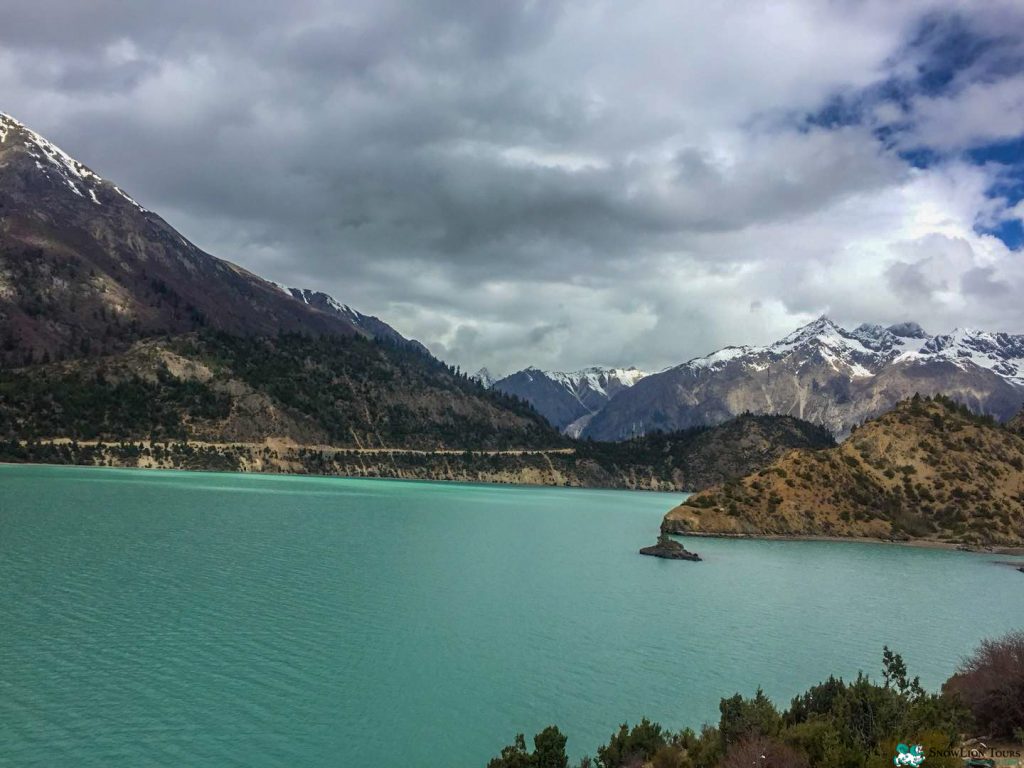
Ranwo Lake
Hiking to the Hidden Glaciers – Lhegu Glacier
A 2–3 hour hike (approximately 31 km) from Ranwu Lake brings you to the awe-inspiring Lhegu Glacier, named after the nearby Lhegu Village. In Tibetan, Lhegu translates as “a hidden village of idyllic beauty.” True to its name, the area is tucked away between remote valleys and glacier-fed streams.
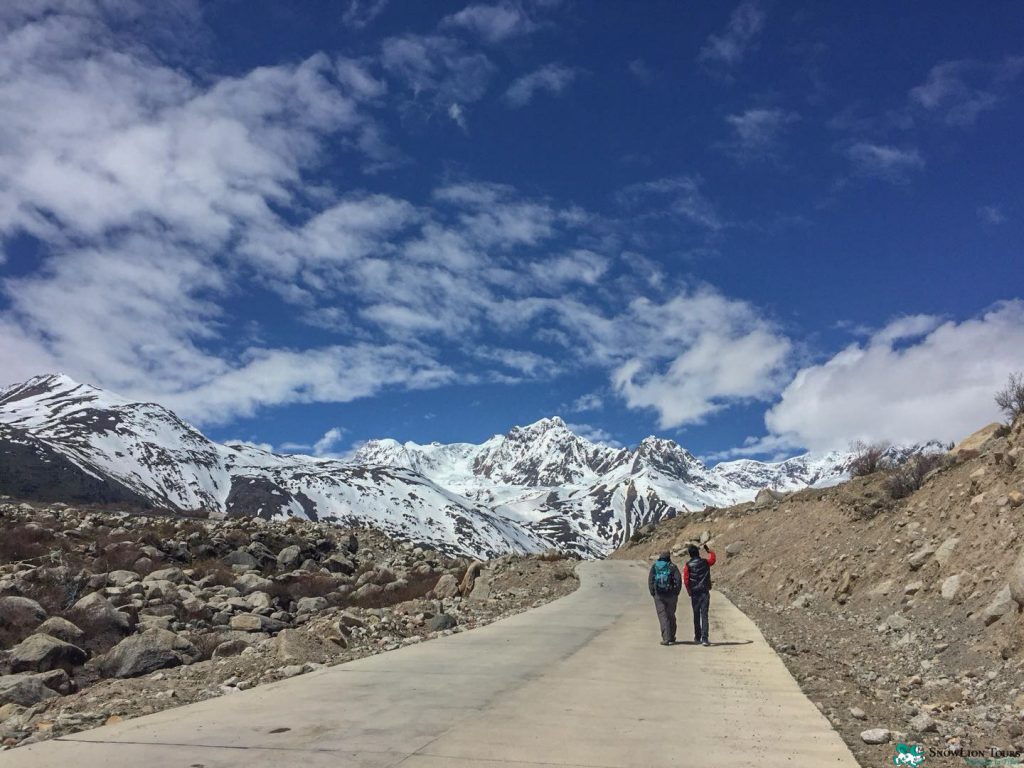
Hiking to Lhegu Glacier
Practical Travel Tips
-
Best Time to Visit: Late spring (May–June) and autumn (September–October) offer the clearest skies and most pleasant weather.
-
Accommodations: Basic but comfortable lodging is available in Ranwok Guesthouse, which provides warm meals and local hospitality.
-
Altitude Awareness: With elevations above 3,800 meters, visitors should plan for gradual acclimatization and stay hydrated to avoid altitude sickness.
-
Photography: Sunrise and sunset over the lake offer spectacular lighting—ideal for photographers. Drones are allowed in some areas but should be flown responsibly.
-
Cultural Respect: Always ask before photographing local residents and avoid stepping on sacred ground near shrines or prayer flags.
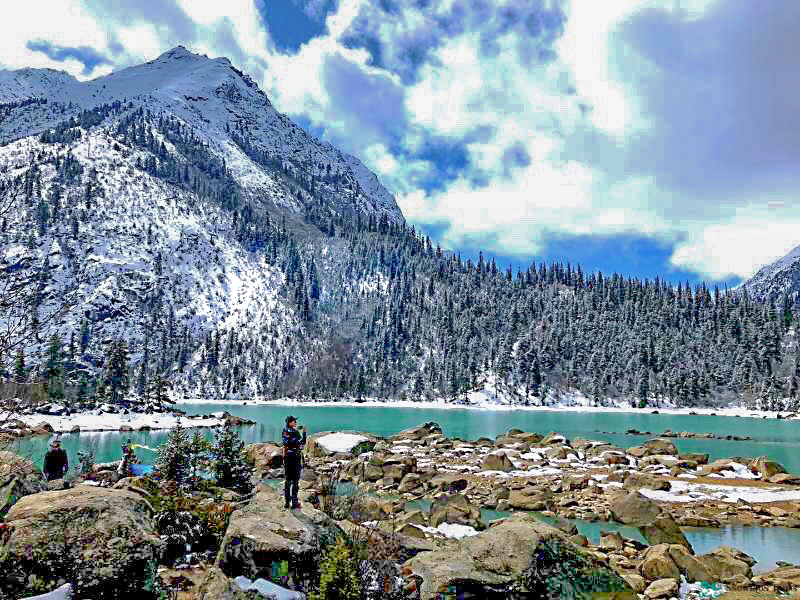
Ranwo Lake is surrounded by forest and snow mountains.
Ranwu Lake is not just a scenic stop along the Southern Tibetan highway—it’s a gateway to some of Tibet’s most untouched natural and cultural wonders. Whether you’re a photographer, a hiker, a pilgrim, or a traveler simply seeking stillness, Ranwu Lake and the nearby Lhegu Glacier offer a journey into the heart of the Tibetan landscape and spirit.
Recent Posts
- Shoton Festival Begins in Lhasa!
 August 23, 2025
 - Tour Price in Tibet
 August 23, 2025
 - Qinghai Shaman Festival in Rebkong Concludes Successfully
 August 21, 2025
We are recommended by
We are committed to providing authentic, high quality, environmentally sustainable travel services. Join us and experience once in a lifetime holiday.
Recent Trips

.jpg "amdo monlam festival tour")