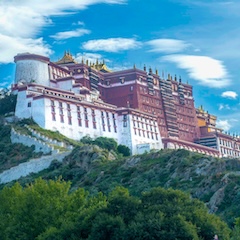
Sera Monastery & Pabangka Hermitage
One of the three most renowned monasteries in Tibet.
Sera Monastery, or Sera Thekchenling in Tibetan, is located on the northern outskirts of Lhasa City. The monastery was founded by Jamchen Choje Sakya Yeshe of Tse Gungtang (1355-1435), one of Je Tsongkhapa’s most accomplished disciples, at the base of Mount Purbuchok in 1419. Even before this time, Tsongkhapa, the founder of the Gelugpa order in Tibetan Buddhism, and his foremost students and disciples had established hermitages on the ridge above Sera Utse.
The foot of Sera Utse was home to 19 hermitages, including four nunneries, before Sera Monastery was built. The origin of the monastery’s name comes from the characteristics of this area, which was covered by wild roses (“sera” means “rose” in Tibetan).

Sera Monastery main Temple
Significance Within Tibetan Buddhism
Sera Monastery is not only one of the three greatest monasteries in the Tibet Autonomous Region, along with Drepung Monastery and Ganden Monastery, but it is also one of the six greatest Gelugpa monasteries across the Tibetan Plateau. The other five are Kumbum Monastery in Amdo (Qinghai Province), Labrang Monastery in Amdo (Gansu Province), Drepung Monastery in Tibet, Ganden Monastery in Tibet, and Tashilhunpo Monastery in Shigatse, Tibet.
As one of the strong pillars of the Gelugpa order in Tibetan Buddhism, Sera Monastery hosted more than 5,000 monks at its peak in history. Today, the number of monks in Sera is dramatically reduced, but there are still approximately 300 residential monks in the monastery. Sera remains one of the monasteries that many monks from eastern Tibet dream of attending.
Architectural Complex and Colleges
The complex comprises the Great Assembly Hall (Tsochen Dugkhang), three colleges, and 30 residential compounds (Khangtsang). The three colleges are Sera Me Dratsang, Ngakpa Dratsang, and Sera Je Dratsang.
Sera Me Dratsang
This college was constructed in 1419, covers a large area, and has 13 residential compounds (Khangtsang). It is a college for learning the foundations of esoteric studies. The assembly hall was destroyed during the Cultural Revolution but rebuilt in 1761 by Kunchen Jangchub Penpa. The impressive hall presents images of Shakyamuni along with Maitreya, Manjushri, Amitayus and Bhaisajyaguru, Tsongkhapa and his students, as well as an image of the Seventh Dalai Lama. The second floor of this building has images of 1,000 Taras, and the third floor consists of the Dalai Lama’s private apartment.
Ngakpa Dratsang (Sera Tantric College)
This college was built in 1419 by Jamchen Choje Shakya Yeshe. The main hall is dominated by a statue of Sakya Yeshe along with many other famous lamas. This college is the smallest in Sera and, as its name suggests, focuses on tantric studies. There are three main chapels: Neten Lhakhang, Jigje Lhakhang, and Tsepame Lhakhang.
Sera Je Dratsang
Founded by Tsongkhapa’s student Gungye Ladro Rinchen Sangge, this is the largest college in Sera, which housed mostly monks from eastern Tibet and Mongolia. Sera Je Dratsang has an impressively decorated assembly hall with murals depicting Buddha’s life, thrones of the Dalai Lama and Panchen Lama, and several chorten stupas that hold the remains of Sera’s most famous lamas. Images include those of the 8th and 13th Dalai Lamas, the 2nd and 9th Reting Tulkus, and Sera Je’s founder, Lodro Rinchen.
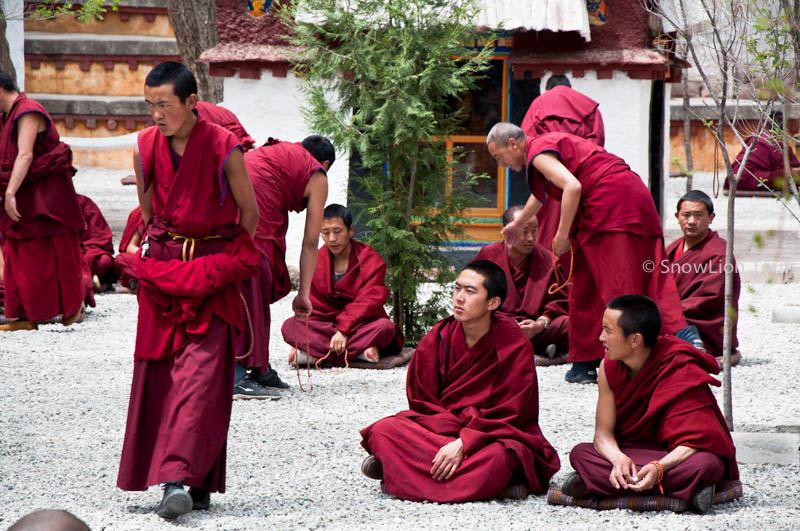
Monks debating in Sera Monastery in Tibet
Sacred Chapels and Spiritual Practices
Passing through chapels on the west and north sides of the main hall will lead you to the Dusum Sanggye Lhakhang, containing images of the past, present, and future Buddhas, as well as the most sacred place of Sera Monastery – the Tamdrin Lhakhang. This chapel contains an image of Hayagriva, a wrathful horse-headed meditational deity, and there are many pilgrims waiting to prostrate in front of this protector deity.
If you observe carefully, you may notice some pilgrims, especially children, with a black dot on their noses, which comes from ashes of yak butter lamp flames burning in front of this deity. This represents a direct blessing from this protector. There are other lhakangs such as Jampa Lhakhang, which contains a statue of Maitreya, Tsongkhapa Lhakhang, which contains the main statue of Je Tsongkhapa, and Jampeyang Lhakhang, which contains Manjushri.
The Famous Debate Sessions
The famous debating courtyard (Chora) is located northeast of Sera Je college. There are debating sessions every afternoon except Sunday from around 3:00 PM to 5:00 PM. The debating courtyard door opens a few minutes before the session starts, and visitors are welcomed to observe the monks debate Buddhist philosophy using rational methods. The monks who stand are asking questions, while the monks who are seated provide answers.
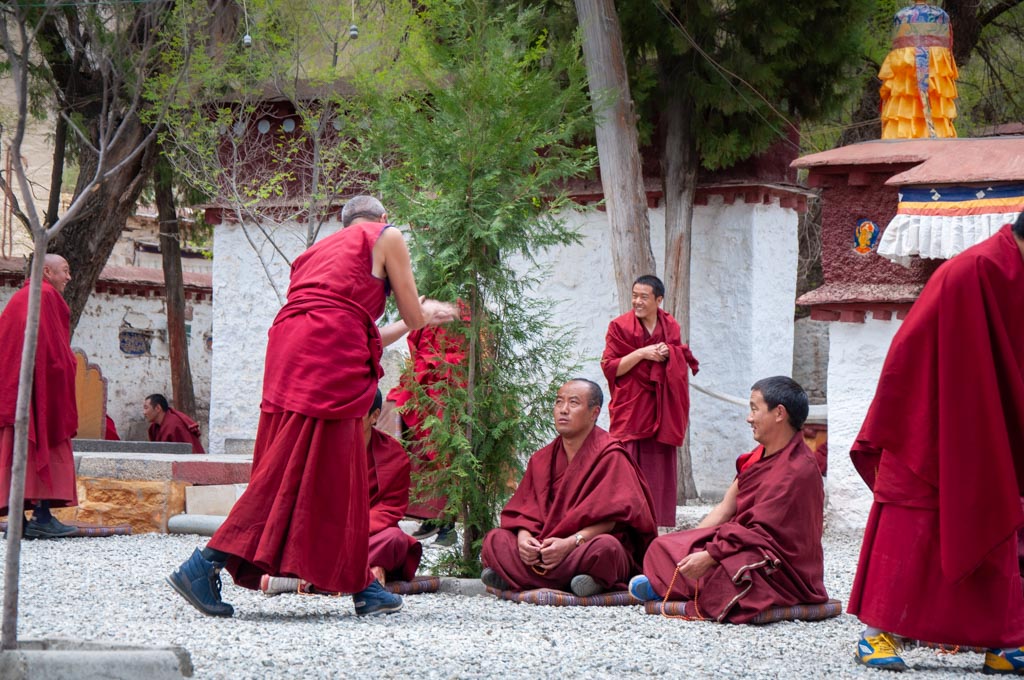
Debating session at Sera
Additional Buildings and Hermitages
Hongdong Khangtsang serves as residential units for monks from Sera Je and is the largest building of Sera Monastery. The Great Assembly Hall (Tsochen) was built by Lhazang Chen in 1710. Walking up the Sera Utse hillside from Tsochen, you reach the Choeding Khang, which is a hermitage of Tsongkhapa. Continuing the hike for another hour and a half, you reach Sera Utse, a hermitage predating the construction of Sera itself. This place offers spectacular views of Lhasa city.
The Sacred Circumambulation
Before leaving Sera, following local pilgrims to make a circuit of the monastery is well worth the time. You will see beautiful rock paintings along the way during this sacred circumambulation (linkor).
Pabangka Hermitage
The Pabangka (or Pawangka) Hermitage offers one of the best hikes in the suburbs of Lhasa City. The Pabangka hermitage dates back to the seventh century and was built by King Songtsen Gampo. The Tibetan King Trisong Detsen, Guru Rinpoche, and Tibet’s first seven monks all meditated at this holy site.
You can undertake a half-day hike to Pabangka, Tashi Choling hermitage, and Chupsang Nunnery, which makes a nice addition to visiting Sera Monastery.
Visiting Information
Sera Monastery offers visitors an authentic glimpse into Tibetan monastic life and Buddhist philosophical training. The afternoon debate sessions are particularly popular and provide insight into the rigorous intellectual traditions of Tibetan Buddhism. The monastery is easily accessible from Lhasa and can be combined with hikes to nearby hermitages for a full day of exploration.
The combination of active monastic life, stunning architecture, sacred art, and the dramatic setting against Mount Purbuchok makes Sera Monastery one of the most rewarding monastic sites to visit in Tibet. The opportunity to witness monks engaged in traditional philosophical debates while surrounded by centuries-old temples and sacred spaces provides visitors with an unforgettable experience of living Tibetan Buddhist culture.
Recent Posts
- Mount Kailash Kora updates
 September 26, 2026
 - Tibet Travel Permits
 September 24, 2026
 - Update on China / Tibet–Nepal Land Border Crossings
 September 24, 2026
Related Tours
Expedition to the East
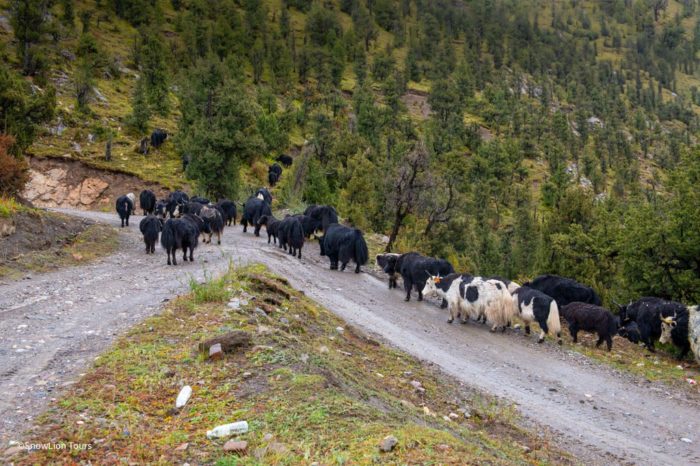
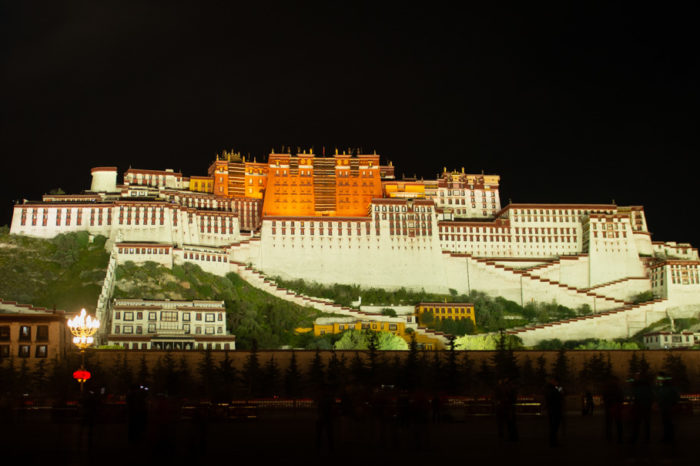
Starting in Lhasa, discover the famous Potala Palace, watch the monks debate at Sera Monastery, and sip tea on a rooftop overlooking the bustling Barkhor market square. Follow the Nyang River out of Lhasa to …
Sacred Cities and Heavenly Lakes
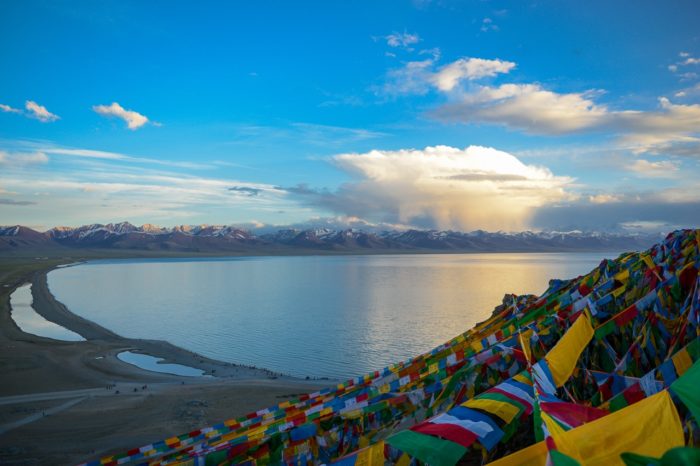
In the sacred city of Lhasa, visit the grand Potala Palace, the holy Jokhang Temple, and the colorful Barkhor Square. Watch monks debate at Sera Monastery and join pilgrims in exploring the temples and prayer …
Taste of Lhasa
In the sacred city of Lhasa tour, visit the grand Potala Palace, the holy Jokhang Temple, and the vibrant Barkhor Square. Watch monks debate at Sera Monastery, and join pilgrims as they explore the temples …
We are recommended by
We are committed to providing authentic, high quality, environmentally sustainable travel services. Join us and experience once in a lifetime holiday.
Recent Trips
.jpg "amdo monlam festival tour")