Burang
Burang (Purang): Sacred Gateway Between Tibet, Nepal, and India
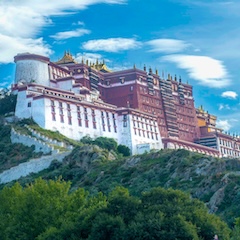
Burang, known as Purang in Tibetan and Taklakot in Nepali, is a county under the administration of Ngari Prefecture in the Tibet Autonomous Region. As its southwestern border adjoins Nepal and it neighbors India, it serves as a significant customs point between Tibet, India, and Nepal. Nowadays, it’s a must-visit place for tourists traveling to western Tibet to visit Mt. Kailash and Lake Manasarovar.
Historical Legacy of the Purang Kingdom
Purang has a legendary history dating back to the Purang Kingdom, which appeared briefly in history in the early 7th century CE when Tibetan King Songtsen Gampo conquered the Lying Tiger Fort that was built during the Zhangzhung Dynasty. In the 10th century, it became the main fortress of the Burang Kingdom, controlled by King Kori, one of the sons of the Guge Kingdom.
Later, King Logtsha Tsensong founded his own kingdom, which led to the separation of the Guge and Burang kingdoms. It is said that the Burang Kingdom collapsed before 1376, and its territory was gradually dominated by the Guge and Mustang kingdoms.

Lake Manasarovar: Sacred Waters of Four Religions
Lake Manasarovar, also named Mapam Yumtso, lies at 4,590m above sea level. This freshwater lake is fed by glaciers from Kailash and is revered as a sacred place in four religions: Hinduism, Bon, Buddhism, and Jainism.
Hindu Significance: It is believed that Lake Manasarovar is a personification of purity. In Hinduism, if one drinks water from the lake, they will go to the abode of Shiva after death, as the lake is believed to have the power to cleanse all sins, even those accumulated over a hundred lifetimes.
Bon Tradition: The founder of the Bon religion, Tonpa Shenrab, washed in the lake when he visited Tibet for the first time, establishing its sacred significance in the indigenous Tibetan spiritual tradition.
Buddhist Connection: Buddhism associates the lake with the legendary Lake Anavatapta, where Maya is said to have conceived the Buddha, linking it to the very origins of Buddhist tradition.
Jain Reverence: For Jains, the lake holds special significance as a place of spiritual purification and pilgrimage.
Pilgrimage and Circumambulation
Devout pilgrims from all over the world come to perform circumambulation around the lake, a sacred ritual that typically takes one to two days to complete. The kora (circumambulation) of Lake Manasarovar is considered one of the most meritorious spiritual practices, often undertaken in conjunction with the Mount Kailash pilgrimage.
Lake Rakshastal: The Contrasting Twin
Near Lake Manasarovar lies Lake Rakshastal, often called the “demon lake” in contrast to the sacred nature of Manasarovar. Despite its ominous name, this saltwater lake creates a stunning landscape alongside Mount Nimo Nenye, adding to the dramatic geography of this sacred region.

Gateway to Sacred Lands
Burang serves as more than just a border crossing – it functions as the gateway to some of the most sacred geography in the Tibetan Buddhist and Hindu worlds. The confluence of ancient trade routes, religious pilgrimage paths, and international borders makes this remote county a unique crossroads where spiritual seekers, traders, and travelers have met for over a millennium.
For modern pilgrims and travelers, Burang represents the threshold to one of the world’s most spiritually significant landscapes, where the sacred peak of Mount Kailash and the pure waters of Lake Manasarovar await those who undertake the challenging journey to this remote corner of the Tibetan plateau.
Recent Posts
- Mount Kailash Kora updates
 September 26, 2026
 - Tibet Travel Permits
 September 24, 2026
 - Update on China / Tibet–Nepal Land Border Crossings
 September 24, 2026
Related Tours
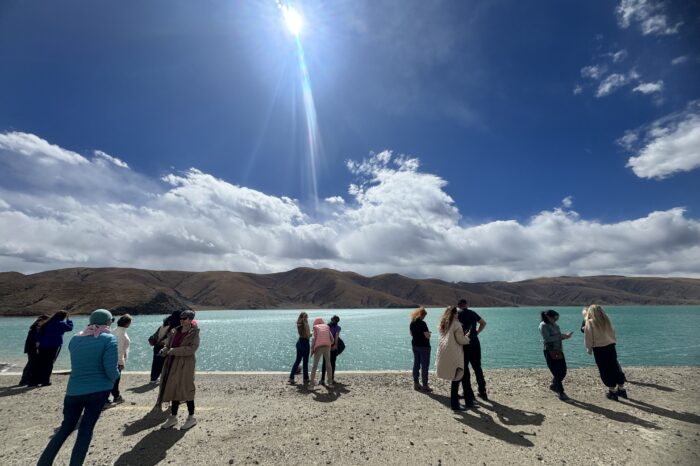
Kathmandu to Mount Kailash Tour
Journey from Kathmandu to sacred Mount Kailash and Lake Manasarovar, crossing the Himalayas into western Tibet, completing the legendary three-day Kailash Kora, and experiencing breathtaking landscapes, ancient monasteries, and profound spiritual traditions.

Mount Kailash and Lake Manasarovar Trek
Mount Kailash, known as the Precious Jewel of Snows in Tibetan, is considered by Buddhists to be the abode of the deity Chakrasamvara. It is said that if one performs 108 circumambulations, one will reach …
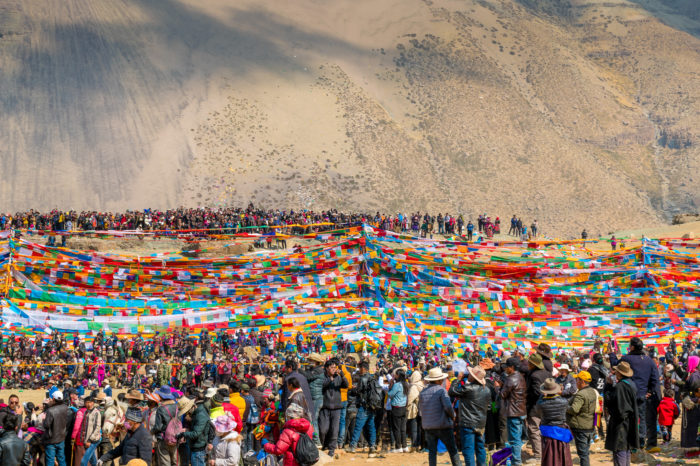
Saga Dawa Kailash Kora
A meaningful Saga Dawa pilgrimage from Lhasa, featuring festival celebrations, the sacred kora around Mount Kailash, and time at Lake Manasarovar amid the vast landscapes of Western Tibet
We are recommended by
We are committed to providing authentic, high quality, environmentally sustainable travel services. Join us and experience once in a lifetime holiday.
Recent Trips
.jpg "amdo monlam festival tour")