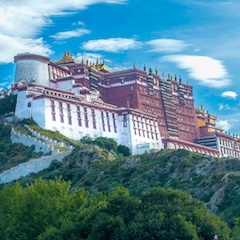
Chimphu Meditation Caves
Chimphu Nunnery and Hermitage: Sacred Caves of Spiritual Realization.
Chimphu Nunnery and Hermitage is located in the mountains above Samye Monastery, approximately 16 kilometers to the northeast of Tibet’s first monastery. This sacred retreat complex sits dramatically on the mountainside, offering spectacular views across the historic Yarlung Valley and the winding Yarlung Tsangpo River below.
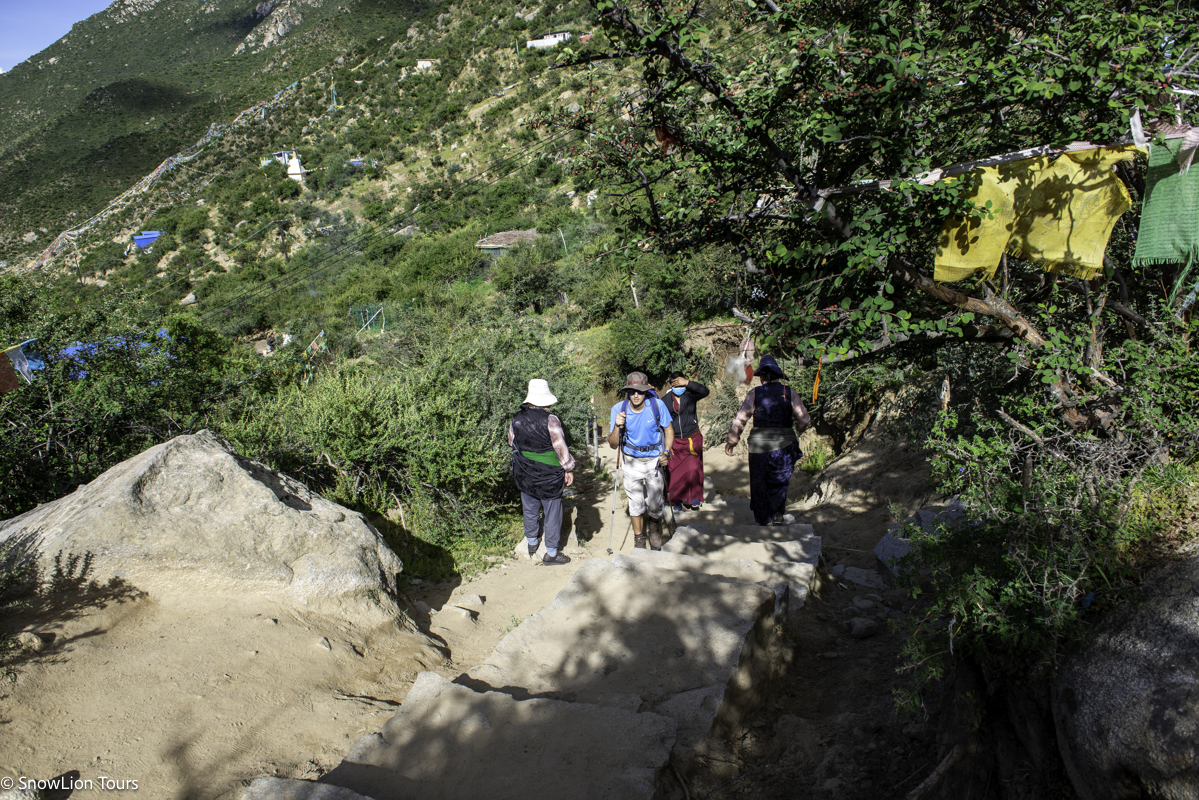
Visitors can reach Chimphu through two main routes: driving directly to the nunnery via mountain roads, or undertaking the traditional pilgrimage hike from Samye Monastery. The hiking route from Samye takes approximately 2-3 hours one way, following ancient paths that have been used by pilgrims and practitioners for over twelve centuries.
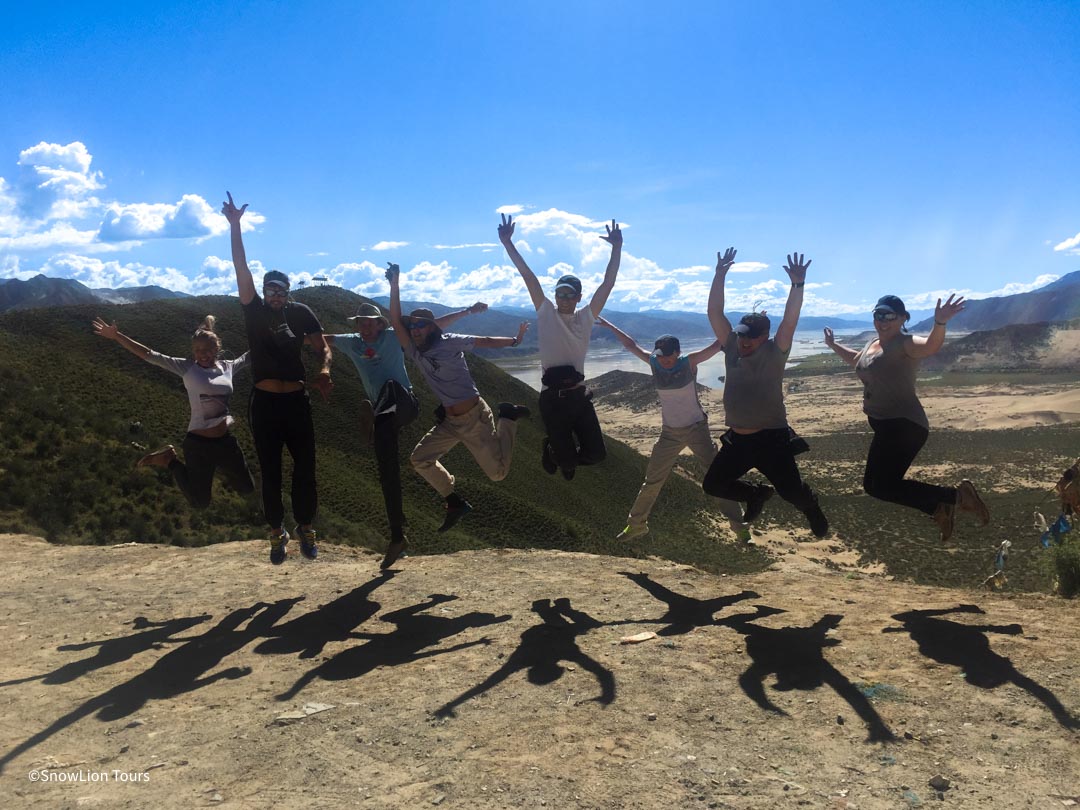
Sacred Significance in Tibetan Buddhism
Chimphu holds extraordinary spiritual significance as one of the most sacred places in Tibet, particularly within the Nyingma tradition. According to Buddhist tradition, this site represents the “speech” aspect of Guru Rinpoche (Padmasambhava), making it one of the three most important places associated with the great 8th-century master who established Buddhism in Tibet. The other two aspects – body and mind – are represented by other sacred sites, but Chimphu’s association with Guru Rinpoche’s speech makes it especially significant for practitioners of oral teachings and mantra recitation.
It was at Chimphu that Guru Rinpoche taught his Twenty-Five Disciples, the core group of Tibetan students who would become the founding masters of Tibetan Buddhism. According to tradition, numerous disciples achieved profound spiritual realizations at this site, establishing Chimphu as a place of extraordinary spiritual power and accomplishment.
Living Retreat Community
Chimphu remains an active retreat center where the ancient tradition of intensive meditation practice continues unbroken. Today, over 50 yogis and yoginis – both men and women – live in the caves and engage in traditional retreat practices. This thriving community represents a direct continuation of the spiritual traditions established by Guru Rinpoche and his disciples over 1,200 years ago.
As visitors hike up to Chimphu and explore the caves scattered across the mountain slope, there are many opportunities to encounter these dedicated practitioners. During their rest periods from intensive retreat, visitors are welcome to interact with them and make personal offerings, providing meaningful connections between contemporary practitioners and the living tradition of Tibetan Buddhist retreat.
The presence of these modern yogis and yoginis adds profound authenticity to any visit to Chimphu, demonstrating that this is not merely a historical site but a continuing center of spiritual practice where ancient methods of meditation and realization remain vibrantly alive.
The Named Caves and Their Spiritual Heritage
The Chimphu hermitage consists of numerous caves, each carrying its own name and spiritual significance based on the famous masters who first practiced within them. These caves serve as both historical monuments and active retreat spaces, where the blessings of great accomplished practitioners continue to benefit contemporary meditators.
Drakmar Keutsang Cave
This is perhaps the most historically significant cave at Chimphu, where Guru Rinpoche bestowed the first Vajrayana empowerment to his eight principal disciples. Among these disciples was Yeshe Tsogyal, the remarkable female master who became known as the “Mother of Tibetan Buddhism” and the first Tibetan woman to achieve full enlightenment. The cave thus represents the birthplace of tantric Buddhism in Tibet and holds special significance for practitioners of advanced Buddhist meditation.
Tsogyal Zhingkham Cave
This cave is specifically associated with Yeshe Tsogyal’s intensive practice with her consort Atsara Sale. The cave represents the advanced tantric practices that Yeshe Tsogyal engaged in as part of her path to complete realization, making it particularly sacred for practitioners interested in the feminine wisdom traditions and consort practices of Tibetan Buddhism.
Jigme Lingpa’s Cave
In the 18th century, this cave gained renewed significance when the great master Jigme Lingpa received the Longchen Nyingtig transmission here. This profound cycle of Dzogchen (Great Perfection) teachings became one of the most important spiritual transmissions in Tibetan Buddhism, and the cave where this occurred is revered by practitioners of this advanced meditation system.
Additional Named Caves
The complex includes numerous other caves named after various accomplished masters throughout history, each representing specific lineages, practices, or spiritual accomplishments. These caves collectively create a comprehensive spiritual environment where different aspects of Tibetan Buddhist practice and realization are represented and continue to be cultivated.
Daily Life and Spiritual Practice
Morning Prayer Sessions
The spiritual rhythm of Chimphu is marked by daily communal activities that bring the retreat community together. Morning prayer sessions feature nuns playing traditional Buddhist musical instruments, creating an atmosphere of devotion and spiritual energy that permeates the entire hermitage. These sessions provide visitors with opportunities to witness authentic Tibetan Buddhist liturgical practices in their traditional setting.
Retreat Schedules and Interactions
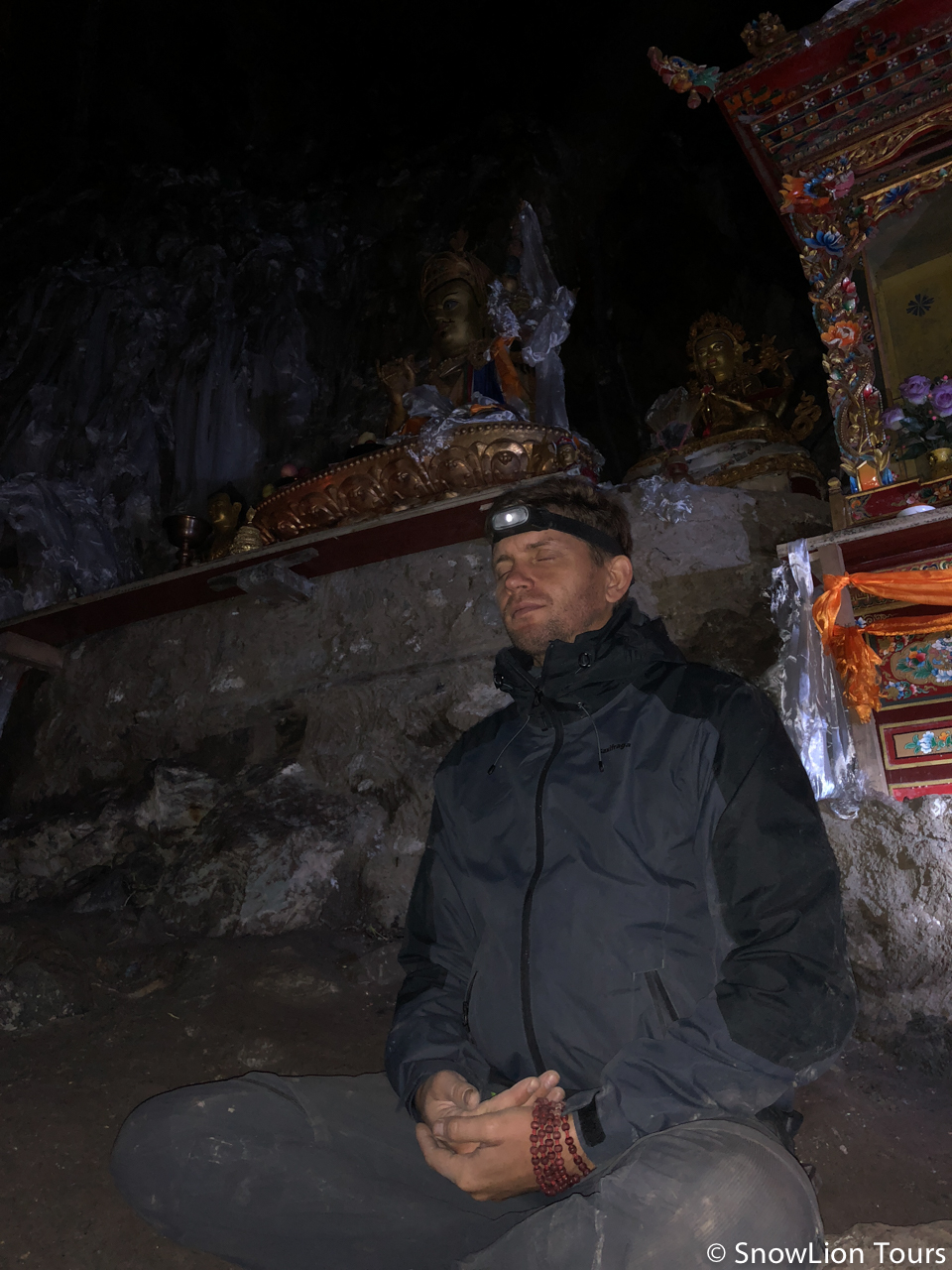
The practitioners at Chimphu follow intensive retreat schedules that typically include periods of solitary meditation alternating with times for basic necessities and limited social interaction. Visitors are welcome to interact with practitioners during their rest periods, offering opportunities for cultural exchange and spiritual inspiration while respecting the serious nature of their retreat commitments.
Traditional Offerings and Practices
Throughout the cave complex, butter lamps burn continuously, maintained by both the resident practitioners and visiting pilgrims. These offerings create a sacred atmosphere while providing opportunities for visitors to participate in traditional Buddhist devotional practices by lighting lamps and making offerings at the various shrine areas within the caves.
Hiking and Pilgrimage Experience
The Journey from Samye
The traditional approach to Chimphu begins at Samye Monastery and follows ancient pilgrimage routes up the mountainside. This 2-3 hour hike offers much more than simple transportation – it serves as a spiritual preparation for encountering the sacred caves while providing spectacular views of the vast Yarlung Valley throughout the ascent.
The hiking route allows visitors to gradually transition from the institutional environment of Samye Monastery to the wild, contemplative atmosphere of the mountain hermitage, creating a natural progression from formal religious architecture to the raw spiritual power of cave meditation sites.
Sunset Views and Natural Beauty
Many visitors time their descent to coincide with sunset, enjoying spectacular views along the Yarlung Tsangpo River as the day concludes. The combination of spiritual experience and natural beauty makes Chimphu an ideal destination for those seeking both cultural authenticity and scenic satisfaction.
Day Trip from Lhasa
For visitors based in Lhasa, Chimphu offers an excellent day trip option that combines driving through the scenic Yarlung Valley with hiking and cultural exploration. The journey provides opportunities to experience rural Tibetan landscapes while visiting one of the most spiritually significant sites in Tibetan Buddhism.
Spiritual and Cultural Significance
Meditation and Retreat Traditions
Chimphu serves as an ideal destination for visitors interested in meditation, retreat practices, yoga, and related aspects of Tibetan Buddhism. The active retreat community provides authentic examples of how these traditions continue to be practiced, while the historical associations offer insights into the development and transmission of Tibetan Buddhist meditation methods.
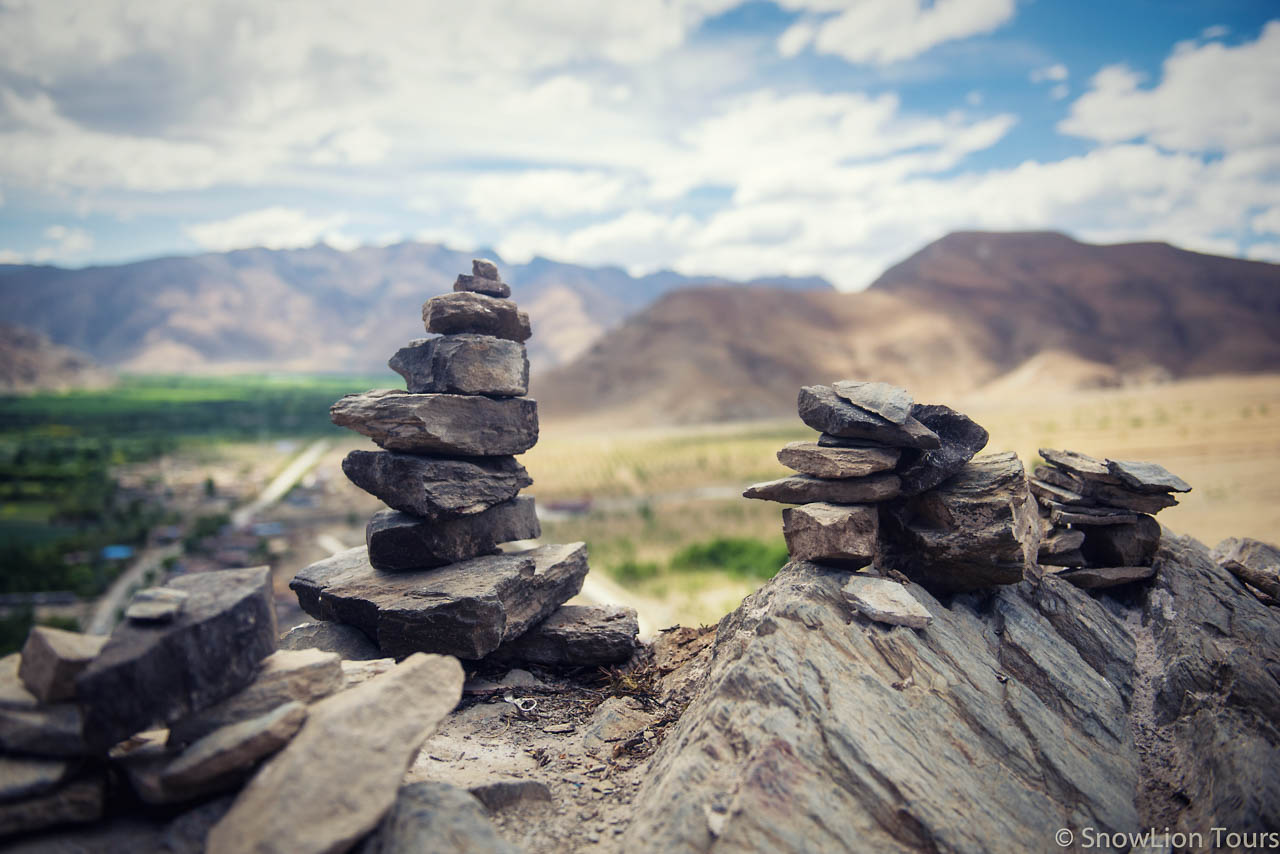
Chimphu meditation cave
Living Heritage
Unlike many historical sites, Chimphu remains a living center of spiritual practice where visitors can witness the continuation of traditions established over a millennium ago. The presence of dedicated practitioners in the original caves used by Guru Rinpoche and his disciples creates an unbroken connection between past and present that few places in the world can offer.
Accessibility and Authenticity
The combination of relatively easy access from Samye Monastery and the authentic spiritual atmosphere makes Chimphu an ideal introduction to Tibetan retreat traditions for visitors who may not have opportunities to visit more remote or inaccessible cave sites elsewhere in Tibet.
A Sacred Landscape of Realization
Chimphu Nunnery and Hermitage represents one of Tibet’s most significant spiritual sites, where the founding traditions of Tibetan Buddhism continue to flourish in their original setting. The combination of historical importance, natural beauty, active spiritual practice, and accessibility makes it an essential destination for anyone seeking to understand the depth and continuing vitality of Tibetan Buddhist culture.
For visitors, whether serious practitioners or curious travelers, Chimphu offers an unparalleled opportunity to experience authentic Tibetan retreat traditions while enjoying some of the most beautiful mountain and valley scenery in central Tibet. The site demonstrates how sacred places can maintain their spiritual functions across centuries while remaining accessible to new generations of seekers drawn to the timeless wisdom preserved in these ancient caves.
Recent Posts
- Shoton Festival Begins in Lhasa!
 August 23, 2025
 - Tour Price in Tibet
 August 23, 2025
 - Qinghai Shaman Festival in Rebkong Concludes Successfully
 August 21, 2025
Related Tours
Spiritual Journey in Central Tibet
The year 2026 is the Year of the Horse according to the Tibetan lunar calendar. This is the year during the 12-yearlong astrological cycle that is understood to magnify the beneficial effects of pilgrimage manifold. …
Tsethang Adventure
Starting in the Tibetan capital, explore the countless rooms of the grand Potala Palace, receive a blessing from the Jowo Buddha at the holy Jokhang Temple, and barter with locals at the lively Barkhor market. …
Heritage of the Holy City
In the sacred city of Lhasa, visit the grand Potala Palace, the holy Jokhang Temple, and the colorful Barkhor Square. Watch monks debate at Sera Monastery and join pilgrims in exploring the temples and prayer …
We are recommended by
We are committed to providing authentic, high quality, environmentally sustainable travel services. Join us and experience once in a lifetime holiday.
Recent Trips
.jpg "amdo monlam festival tour")