Labrang
Labrang (Chinese: Xiahe) town sprawls along the banks of the Sangchu River (see above picture). It’s a one-street town that is predominantly Hui Muslim on the east side and Tibetan at the west end. Labrang Monastery, one of the six […]
Labrang (Chinese: Xiahe) town sprawls along the banks of the Sangchu River (see above picture). It’s a one-street town that is predominantly Hui Muslim on the east side and Tibetan at the west end. Labrang Monastery, one of the six great monasteries of the Gelug school of Tibetan Buddhism, lies at the edge of the western part of town on the north shore of the Sangchu River.
The monastery was founded in 1709 by the First Jamyang Zhepa, Ngawang Tsöndrü (1648-1721), who studied at Drepung Monastery in Lhasa. From ages 53 to 60, he served as abbot of Drepung Gomang monastery in Lhasa. During his studies in Lhasa, he received the title “Jamyang Zhepa” (Laughing Manjushri) when a statue of Manjushri (Tibetan: Jamyang) reportedly laughed at his prostrations in the Manjushri temple in Lhasa. The subsequent reincarnations of Jamyang Zhepa have served as abbots of Labrang Monastery since its founding. His reincarnations are considered only second in importance to H.H. the Dalai Lama and Panchen Lama, the two highest ranks of lama in Tibetan Buddhism.
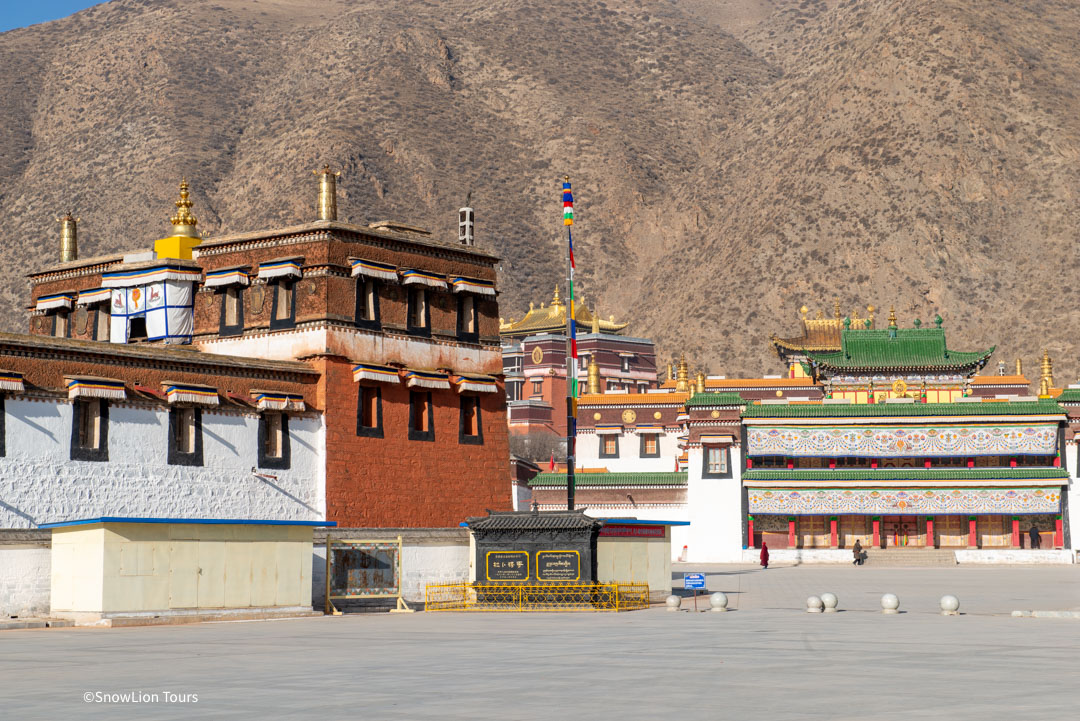
After graduating from Drepung Monastery, the First Jamyang Zhepa returned to his homeland in the Gangya grassland in March 1709. After searching for an appropriate monastery location in the area, he chose Labrang on April 22, 1709, thus giving the monastery its name. The initial construction was a tent monastery, with monks living and praying in tents. Later, with generous support from eight local tribes, the first prayer hall with 88 pillars was built.
Significance and Status
Labrang Monastery is one of the six largest monasteries of the Gelug School of Tibetan Buddhism and is considered one of the most important cultural and spiritual sites for Tibetans. It has the best Tibetan Buddhism teaching system in China, and is praised as the ‘World’s Buddhist School’. At its peak, Labrang housed nearly 4,000 monks, but their ranks greatly declined during the Cultural Revolution. Modern Labrang is today such a popular destination for eager, young disciples that numbers are currently capped at 1,800 monks with about 1,600 currently in residence.
Labrang Monastery is home to the largest number of monks outside the Tibet Autonomous Region. The monastery is situated at the strategic intersection of Tibetan and Mongolian cultures and serves as one of the largest Buddhist monastic universities.
Educational System and Colleges
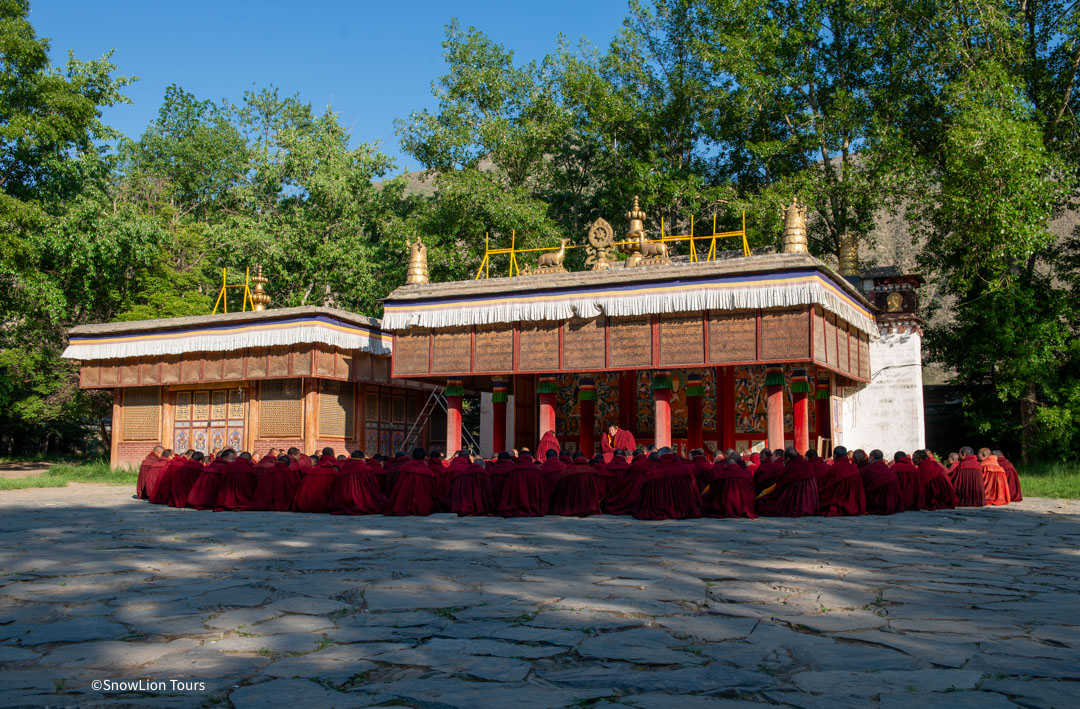
Today, Labrang Monastery is one of the most important institutions for studying Tibetan language and Buddhism. Many Tibetan and Mongolian monks and students come to the monastery for study and Buddhist practice. There are six colleges (Tibetan: Dratsang) in the monastery:
- Tsannyet Dratsang – Buddhist Philosophy College
- Gyumed Dratsang – Lower Tantra College
- Gyuto Dratsang – Upper Tantra College
- Menba Dratsang – Medical College
- Dukhor Dratsang – Kalachakra or Astrology College
- Ducho Dratsang – Vajra College
Generally, monks must study there for 15 to 30 years and pass the 13 levels of debating scripture examination before they can complete their studies. They spend 15 hours per day learning Buddhist scriptures and most of them get up at 4 o’clock in the morning to start reading.
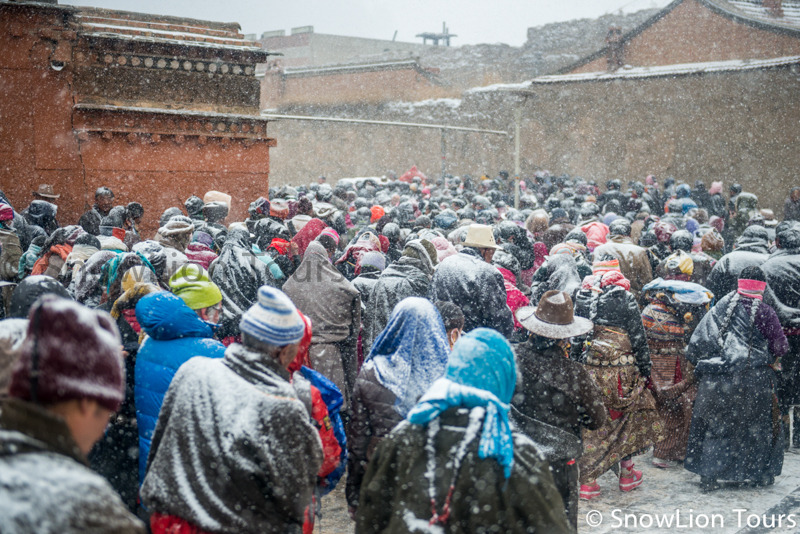
Tibetan people following monks to see the ritual of fire in Labrang
Architecture and Features
The monastery complex dominates the western part of the village. The white walls and gilded roofs feature a blend of Tibetan and Indian Vihara architectural styles. The monastery contains 18 halls, six institutes of learning, a gilded stupa, a sutra debate area, and houses nearly 60,000 sutras.
The prayer wheel circuit in Labrang Monastery is the longest in the world, about 3 km (2 miles) in total. There is the world’s longest Kora Corridor, with more than 1,700 prayer cylindrical wheels, which encircle the entire monastery, stretching 3.5 kilometers long, and it takes about two hours to turn all the prayer wheels.
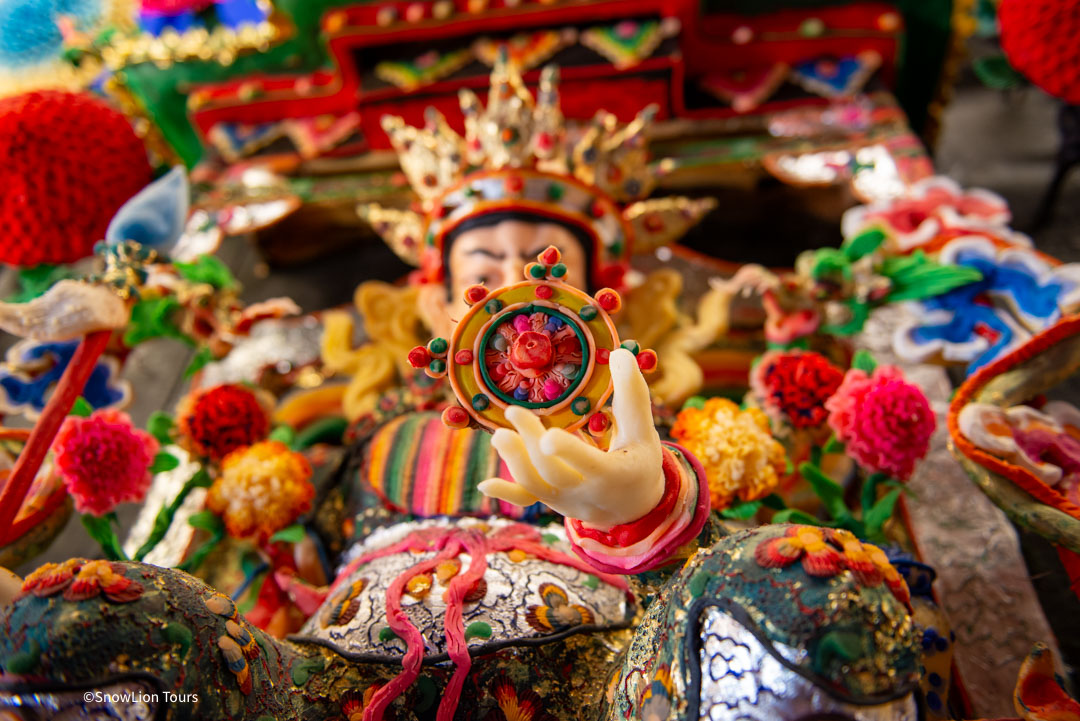
Festivals and Ceremonies
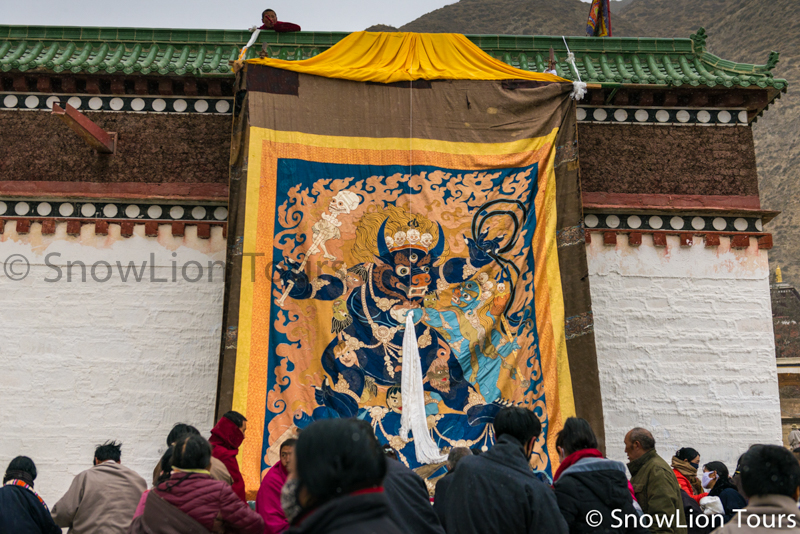
The most famous festival in Labrang is the 3-day Monlam Great Prayer Festival. This festival includes:
- Thangka displaying
- Torma (offering cake) throwing ceremonies
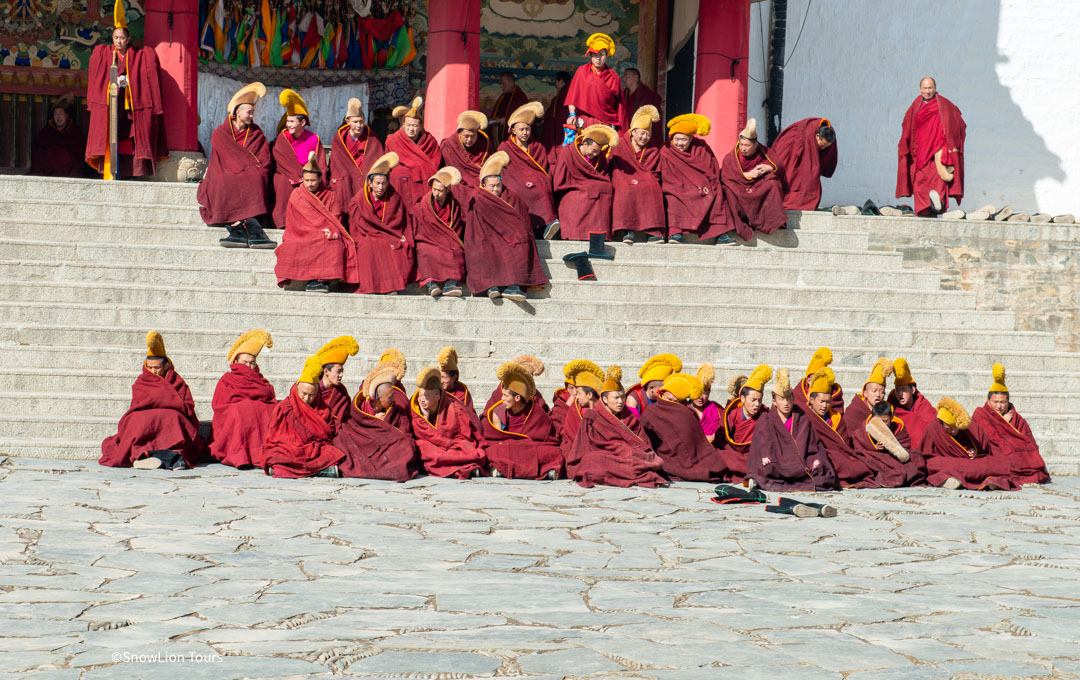
- Monks’ mask dances (Cham dances)
- Sutra debates
- Buddha unfolding ceremonies
From January 4 to 17 and from June 26 to July 15 (these dates may change according to the lunar calendar), the great Buddhist ceremony will be held with Buddha-unfolding, sutra enchanting, praying, sutra debates, etc.
Amdo Tibet Festival – Monks spiritual ritual dance
Modern Challenges and Restoration
While founded in 1709 and expanded greatly in the following centuries, much of the Labrang monastery was destroyed during the Cultural Revolution but then rebuilt from the 1980’s onward. In April 1985 the Assembly Hall burned down. It was replaced and the new building was consecrated in 1990.
The monastery has faced various historical challenges, including conflicts with local warlords in the early 20th century. However, it has been restored to much of its former glory and continues to serve as an important center of Tibetan Buddhist learning and practice.
Visiting Information
Best time to visit: April to October, when the weather is mild and the scenery is beautiful. English-language tours (per person ¥40) leave the monastery’s ticket office around 10:15am and 3:15pm most days. Even better is to show up at around 6am or 7am, when the monks come out to pray and chant.
Transportation:
- By bus from Lanzhou: 5-6 hours, approximately 70-100 RMB
- By air: Flights available from Lanzhou to Xiahe (about 1 hour)
- Distance from Lanzhou: approximately 250km
Distances to Notable Nearby Attractions:
- To Langmusi: 250km
- To Rebkong: 110km
- To Xining (capital of Qinghai Province): 250km
- To Linxia: 110km
- To Milarepa Monument: 70km
- To Lanzhou (capital of Gansu Province): 260km
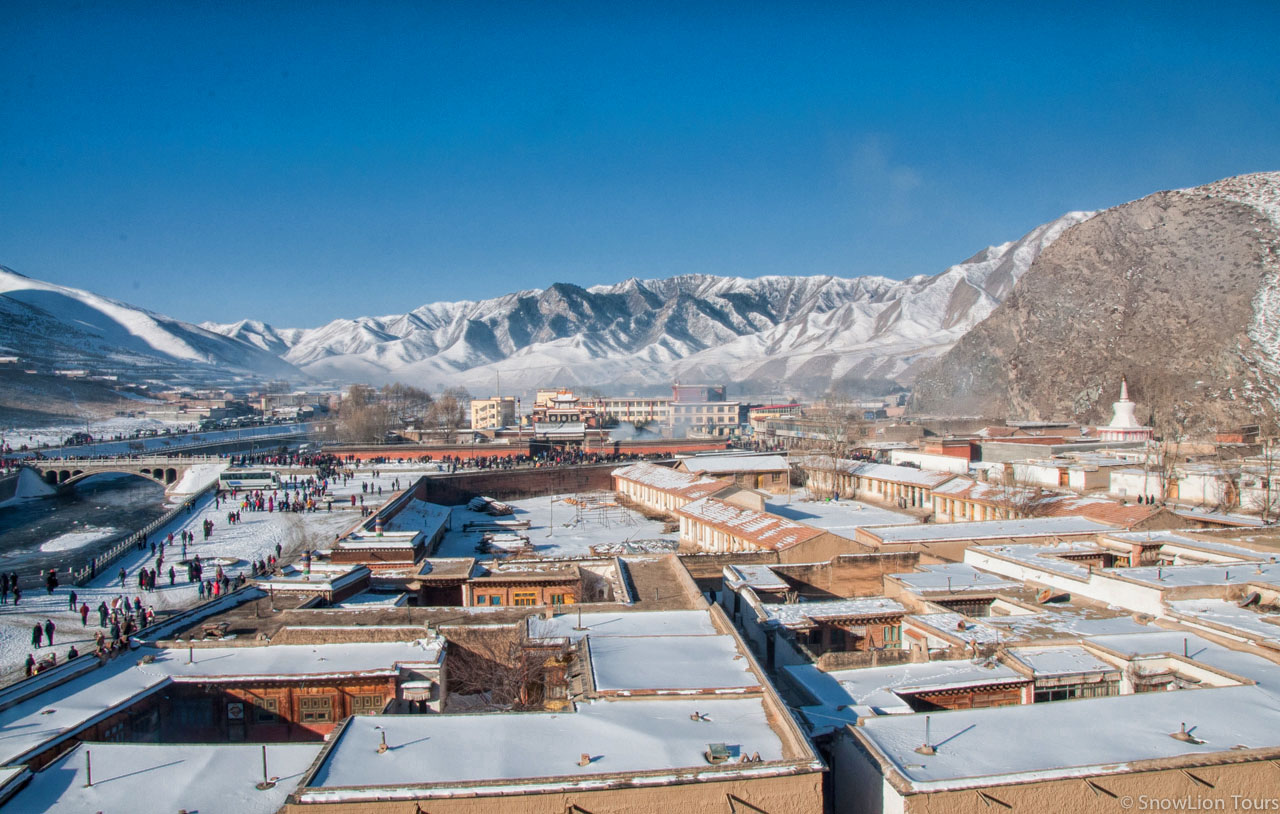
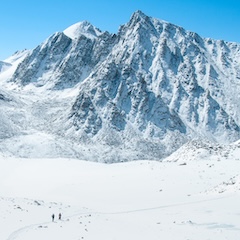
Labrang in the snow
Cultural Significance
Labrang was also a gathering point for numerous annual religious festivals and was the seat of a Tibetan power base that strove to maintain regional autonomy through the shifting alliances and bloody conflicts that took place between 1700 and 1950. Today, it continues to be an important pilgrimage destination for Tibetan Buddhists and a center for preserving Tibetan culture and traditions outside of the Tibet Autonomous Region.
Recent Posts
- Shoton Festival Begins in Lhasa!
 August 23, 2025
 - Tour Price in Tibet
 August 23, 2025
 - Qinghai Shaman Festival in Rebkong Concludes Successfully
 August 21, 2025
Related Tours
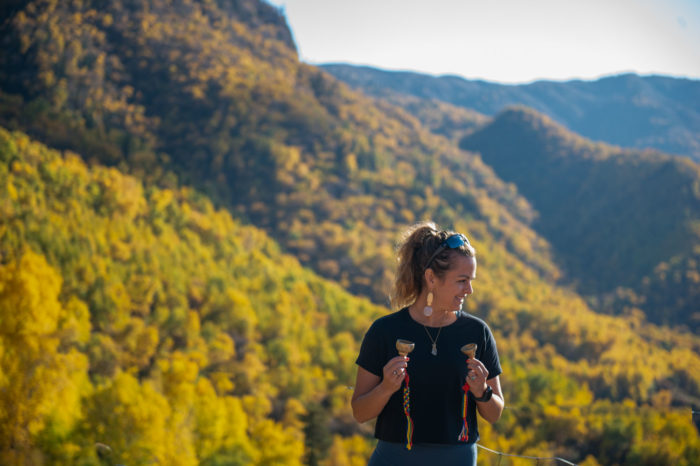
Panoramic Amdo
Explore the cultural and nomadic heartlands of undiscovered Eastern Tibet. Journey to the shores of stunning turquoise lakes, visit nomadic herders tending yaks and sheep, and enjoy a picnic among blooming yellow wildflower fields. Take …
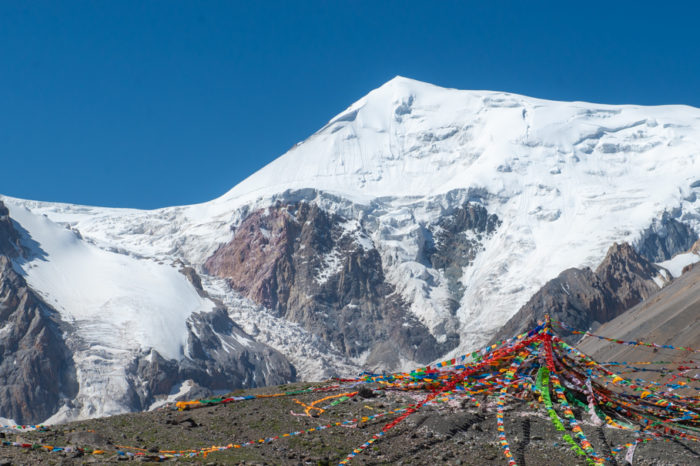
Classic Amdo
Explore the cultural and nomadic regions of undiscovered Eastern Tibet. Travel to the shores of a stunning turquoise lake, visit nomads herding yaks and sheep, and picnic in blooming yellow flower fields. Take short hikes …
Nomad Adventure
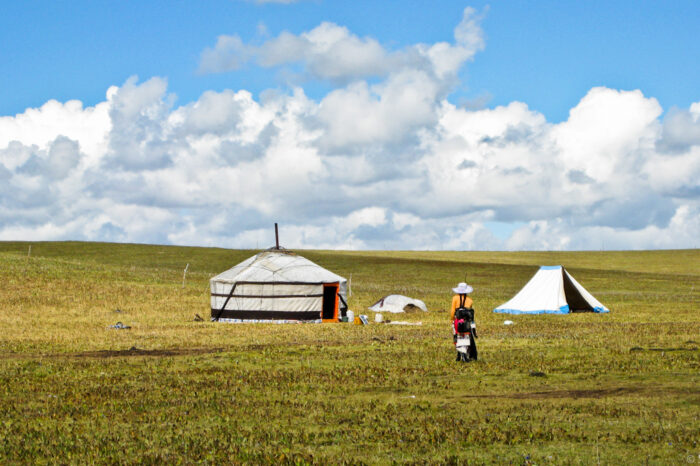
High on the green grasslands of the Tibetan plateau, Tibetan and Mongolian nomads live in harmony with their animals and environment. Camping with nomads offers a rare opportunity to experience an ancient way of life …
We are recommended by
We are committed to providing authentic, high quality, environmentally sustainable travel services. Join us and experience once in a lifetime holiday.
Recent Trips
.jpg "amdo monlam festival tour")