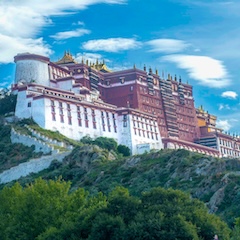
Panoramic Amdo
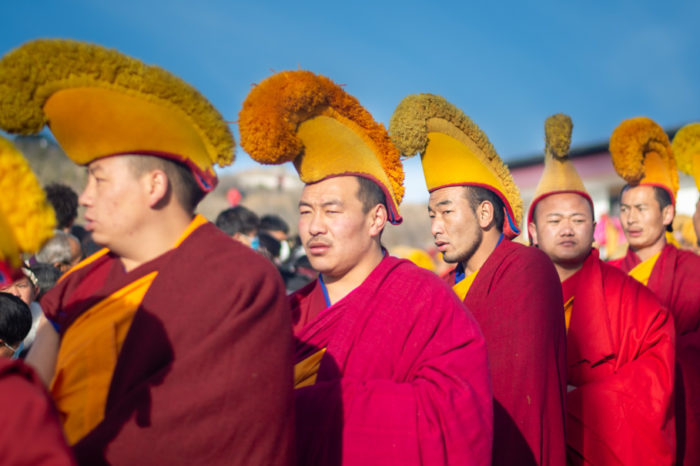
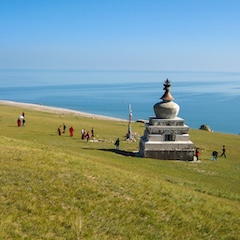
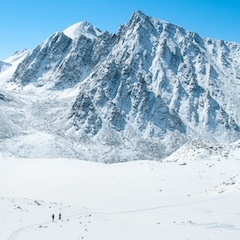
Explore the cultural and nomadic heartlands of undiscovered Eastern Tibet. Journey to the shores of stunning turquoise lakes, visit nomadic herders tending yaks and sheep, and enjoy a picnic among blooming yellow wildflower fields. Take short hikes to soak in breathtaking views of pristine landscapes. Discover remote monasteries tucked into mountainsides, and travel to the holiest and most majestic snow-capped mountain in Amdo.
Highlights
- Experience the best of Eastern Tibet
- Visit Kanbula Park, Rebkong arts, Labrang and Kumbum Monastery
- Visit Yellow River, Qinghai Lake, Dongri Lhatso Lake
Details
- 6-day trip begins and ends in Xining, China
- 5 nights in hotels
- Average altitude of 2900m
Itinerary:
Day 1: Xining – Kumbum Monastery – Qinghai Lake – Trika / Gui’de County [2,205m]
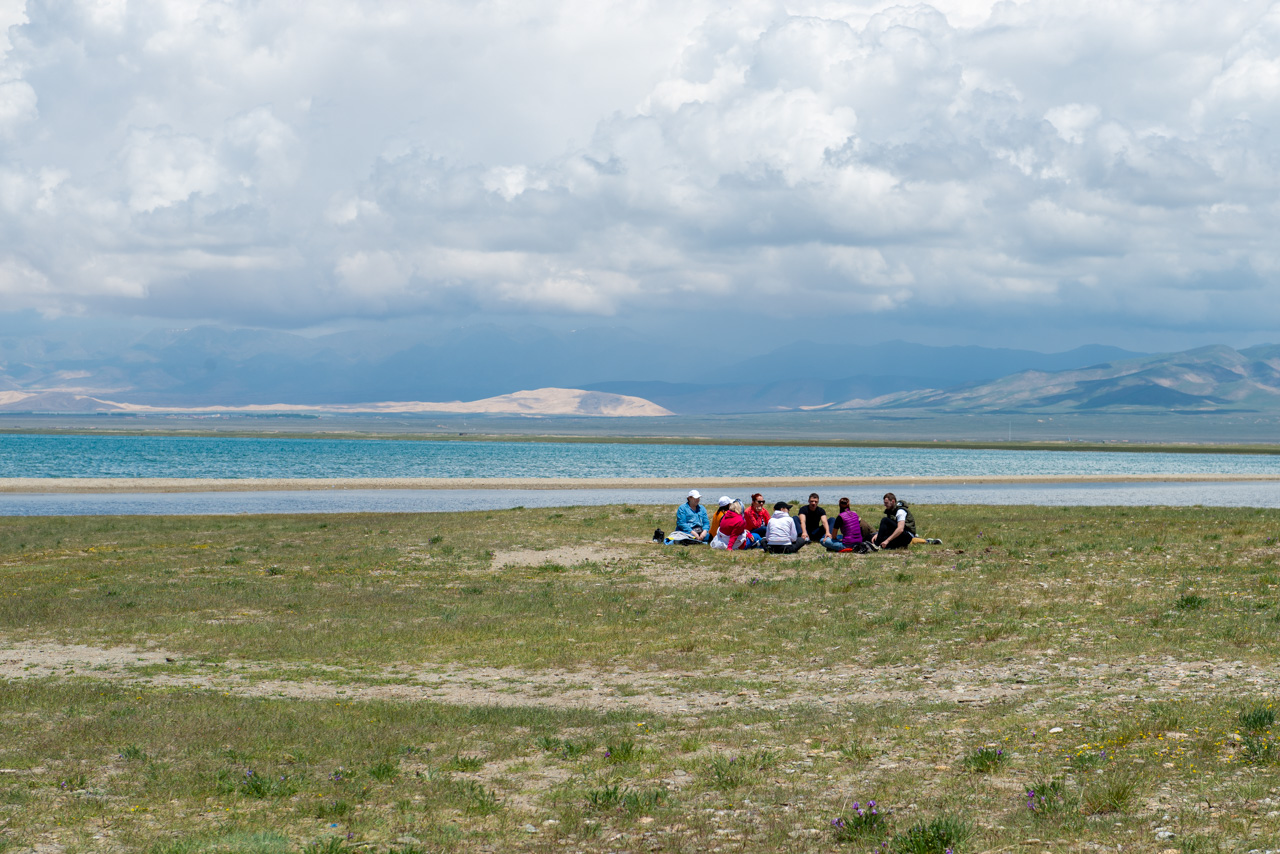
Begin your journey with a drive to Kumbum Monastery, located 25 km southwest of Xining. This renowned monastery is the birthplace of Je Tsongkhapa, founder of the Gelug school of Tibetan Buddhism. With over 600 resident monks and scenic hills surrounding it, Kumbum offers rich spiritual and hiking experiences. Continue to Qinghai Lake, the largest lake in China. You may opt to go horseback riding along the lake’s shore with local Tibetan herders (a small tip is appreciated). Then drive east toward the sand dunes and descend into the historic town of Trika (Gui’de). If timing allows, catching the sunset from the old Yellow River bridge is an unforgettable way to end the day.
Day 2: Trika – Kamra / Kanbula National Park – Rebkong (Tongren) [2,480m]
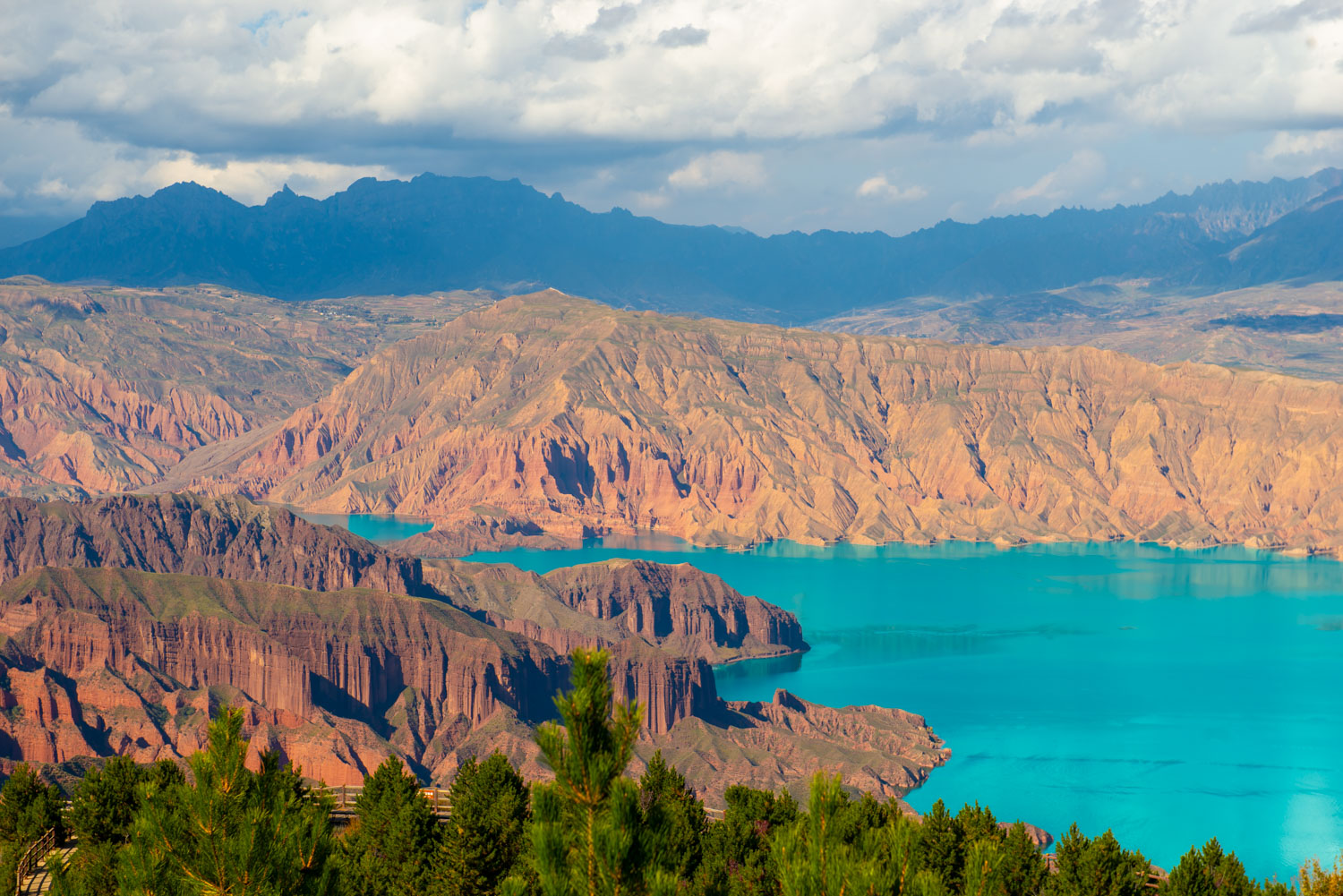
Trika is one of the lowest-altitude towns in Qinghai and is renowned for having the cleanest section of the Yellow River, which appears more green than yellow here. In the morning, visit the small Jokhang Temple, named after the statue of the Buddha enshrined in its main hall. Drive along a tributary of the Yellow River into Kanbula National Park, a region of forested cliffs and red sandstone (Danxia) formations. An optional detour takes you to Achung Namdzong Nunnery, a secluded and historically significant meditation retreat nestled in a deep valley. Continue uphill for a panoramic view of the Danxia red clay mountains and the Yellow River reservoir created by the hydropower station. Descend toward Jantsa, then follow the Yellow River to Rebkong, home to vibrant monastic and artistic traditions.
Day 3: Rebkong – Labrang / Xiahe [2,900m]
In the morning, visit Rongwu Monastery and the Sangeshong upper and lower monasteries. Then explore the Tibetan thangka artists’ villages, where families continue centuries-old painting traditions. After lunch, drive through narrow valleys and small villages to the vast Ganjia Grasslands, and arrive at Labrang, one of the most significant monastic towns in Amdo.
Day 4: Labrang / Xiahe [2,900m]
Today, a local monk will guide you through the grand and historic Labrang Monastery, famous for its architecture, monastic colleges, and sacred rituals. In the afternoon, join pilgrims on a kora (circumambulation) around the monastery or hike up one of the surrounding hills for sweeping views of the complex and its valley setting.
Day 5: Labrang – Xunhua – Dongri Lhatso Lake – Xining [2,270m]
Drive to Xunhua County, the birthplace of the 10th Panchen Lama, the second highest spiritual figure in Tibet after the Dalai Lama. Continue to Dongri Lhatso Lake (Menda Tianchi Lake). After a 12 km drive, reach the parking area and begin a steep 40-minute hike up to the sacred alpine lake located within the Menda Reserve. After taking in the serene views, return to your vehicle and drive back to Xining for a well-deserved rest and hearty meal.

Day 6: Depart Xining
Say farewell to Amdo and your local Tibetan team. End of tour.
Itineraries are subject to change without prior notice.
Frequently Asked Questions
What route does this tour follow?
This 6 days private itinerary follows a route through Kanbula, Rebkong, Kumbum Monastery, Qinghai Lake, Xining, Tongren, Jokhang Temple, Xiahe, Labrang Monastery. The exact pacing can be adjusted, but the FAQ is based on the route shown in this tour itinerary.
Do I need a Tibet Travel Permit for this Amdo or Qinghai route?
Most Amdo, Kham and Qinghai routes outside the Tibet Autonomous Region do not require a Tibet Travel Permit, but you still need the correct China visa or visa-free eligibility. If the itinerary is extended into Lhasa or the Tibet Autonomous Region, a Tibet Travel Permit is required.
How difficult is this tour, and what about altitude?
The itinerary reaches elevations of about 2,900 meters, so travelers should expect high-altitude conditions, strong sun, cool evenings and the need to walk slowly while acclimatizing.
When is the best time to take this tour?
May to October is generally the best season for Amdo and Kham, with greener grasslands in summer and clearer mountain views in autumn. Winter is possible on selected routes but can be cold and affected by snow.
Can this tour be customized?
Yes. This private itinerary can be adjusted with extra days, different hotels, slower pacing, additional monasteries or scenic stops, and special interests such as photography, pilgrimage, hiking or local culture.
Tour Map
Helpful Travel Guides
-
DepartureXining
-
Departure TimePlease arrive by 10:20 AM for a prompt departure at 10:50 AM
-
Return TimeApproximately 8:30 PM
-
IncludedEntrance ticketsLocal transportationAccomodationTibetan English speaking guide
-
Not IncludedFoodTravel InsurancePlane or train tickets to/fro XiningTips for guide and driver
Recent Posts
- Mount Kailash Kora updates
 September 26, 2026
 - Tibet Travel Permits
 September 24, 2026
 - Update on China / Tibet–Nepal Land Border Crossings
 September 24, 2026
Similar Tours
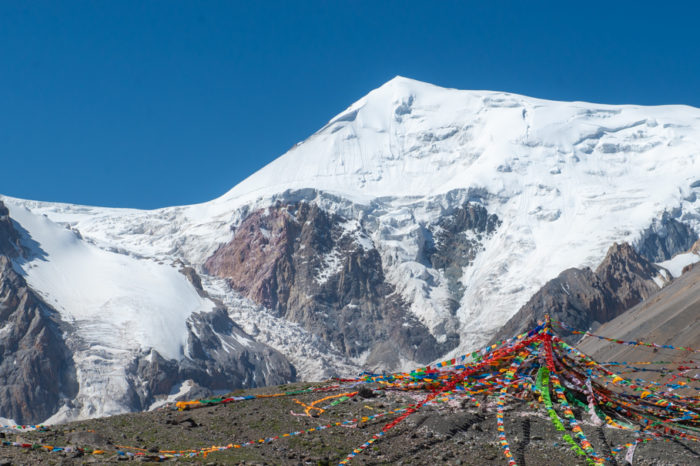
Classic Amdo
Explore the cultural heart of Amdo, visiting turquoise Qinghai Lake, ancient monasteries, rolling grasslands, and nomadic communities, where authentic Tibetan traditions, breathtaking landscapes, and peaceful countryside reveal a lesser-known side of Tibet.
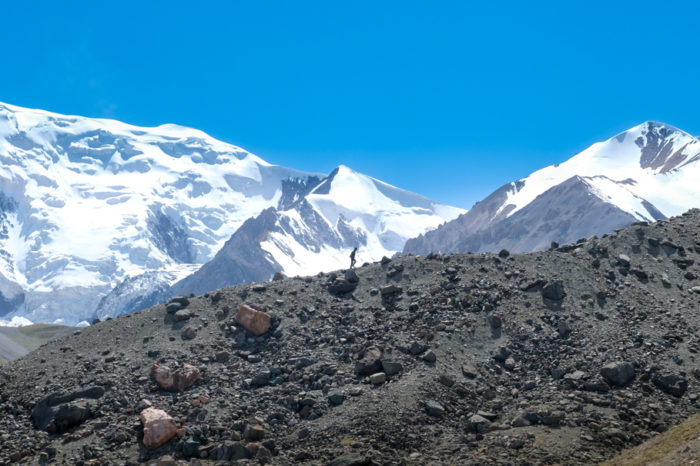
Heart of Amdo
Journey through the heart of Amdo, exploring Qinghai Lake, Amnye Machen, Labrang Monastery, and remote nomadic grasslands, where sacred mountains, authentic Tibetan culture, breathtaking scenery, and timeless traditions create unforgettable experiences
The Undiscovered East
Discover eastern Tibet through remote monasteries, nomadic grasslands, sacred lakes, mountain valleys, and authentic villages, where breathtaking landscapes and rich Tibetan culture await beyond the usual tourist trail.


.jpg "amdo monlam festival tour")