Lhasa is the cultural and spiritual heart of Tibet, and for most travelers it is the best place to begin a journey across the Tibetan plateau. Set at about 3,650 meters above sea level, the city combines sacred pilgrimage sites, historic palaces, active monasteries, old market lanes and sweeping views of the Lhasa Valley. It is also the main gateway for journeys to Yamdrok Lake, Gyantse, Shigatse, Everest Base Camp, Mount Kailash and the Nepal border.
For Tibetan Buddhists, Lhasa is not just a capital city. It is a place of pilgrimage. Around the Jokhang Temple and Barkhor circuit, travelers see pilgrims walking clockwise, spinning prayer wheels, prostrating before sacred temples and offering butter lamps. For visitors, this makes Lhasa one of the most moving places in Asia: part city, part monastery, part living museum.
Lhasa Sightseeing Map
This simple visitor map shows the main places most travelers visit in and around Lhasa. It is not drawn to scale, but it helps you understand how the sacred old town, Potala area, western monasteries and day-trip routes fit together.
→
Potala Area
→
Old Town
→
North/East Monasteries
→
Lake Day Trips
Why Visit Lhasa?
Lhasa is the best introduction to Tibet because it brings together the three things travelers usually come to experience: sacred Buddhist culture, Tibetan daily life and high plateau scenery. In one day you can stand below the Potala Palace, walk with pilgrims around Barkhor Street, enter the incense-filled chapels of Jokhang Temple and listen to monks debate at Sera Monastery.
The city is also practical. Lhasa has the best transport connections in Tibet, with flights and trains from major Chinese cities; compare entry options in our Routes to Tibet guide. It has a wider range of hotels and restaurants than most places on the plateau, and it is the natural place to spend two or three days adjusting to altitude before continuing to higher destinations. For paperwork basics, see our Tibet Travel Permits guide, or browse Central Tibet Tours that begin in Lhasa.
Top Places To Visit In Lhasa
Potala Palace
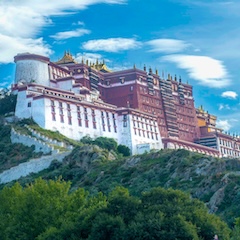
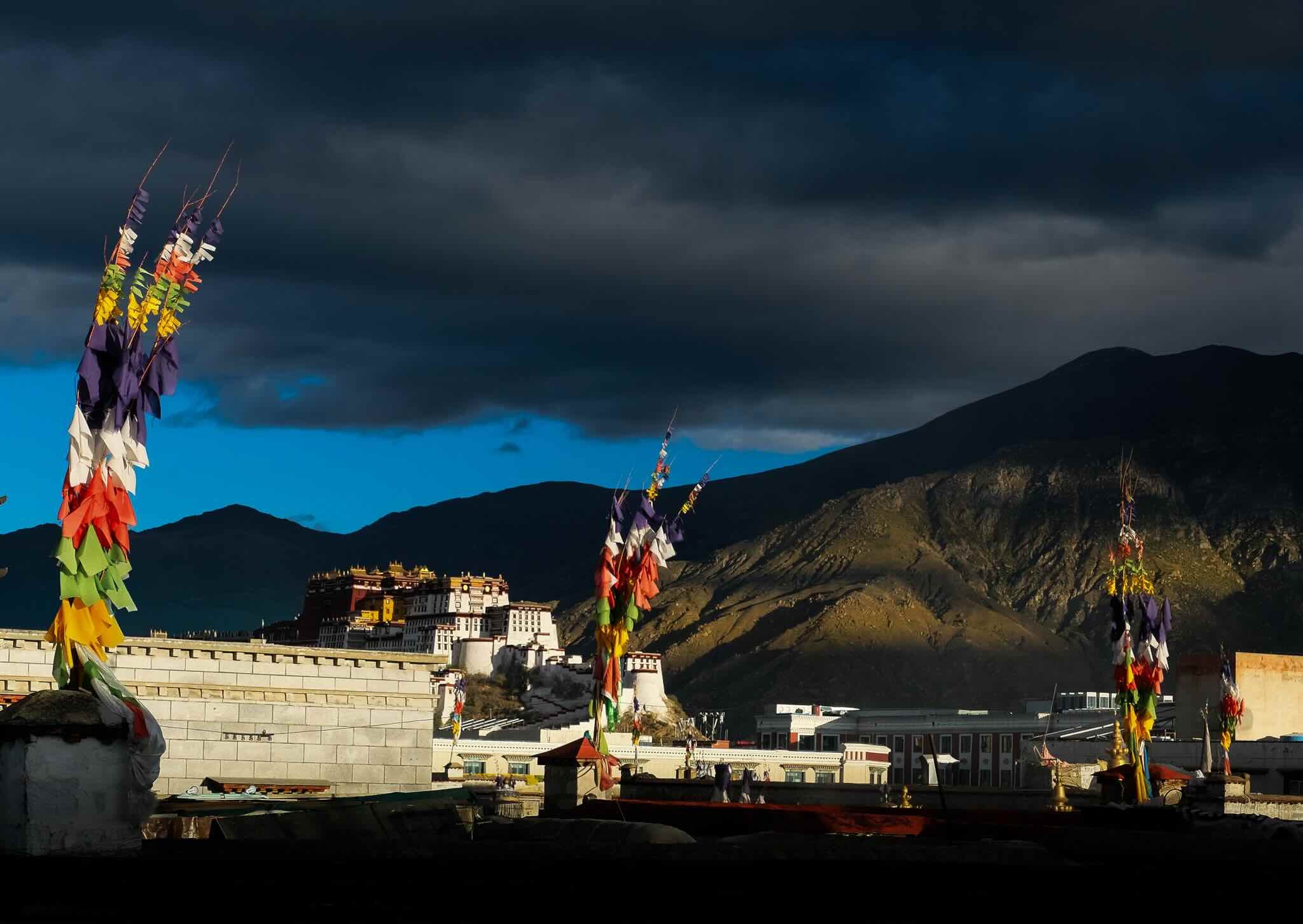
The Potala Palace is Lhasa’s most famous landmark and the symbol of Tibet. Rising from Red Hill above the city, it was historically the winter residence of the Dalai Lamas and is part of the UNESCO-listed Historic Ensemble of the Potala Palace. Its white and red palaces, chapels, murals, stupas and views over Lhasa make it the essential first sight for many travelers.
Because the Potala is a protected heritage site, visits are controlled and tickets can be limited, especially in the busy season. Travelers should follow the timing arranged by their guide, move at a comfortable pace and avoid rushing up the stairways, as the altitude can make climbing feel harder than expected.
Jokhang Temple
Jokhang Temple is the spiritual center of Lhasa. Founded in the 7th century, it is one of Tibet’s most sacred temples and also part of Lhasa’s UNESCO World Heritage ensemble. The temple sits in the old Tibetan quarter, surrounded by incense, pilgrims, prayer flags and the steady movement of the Barkhor kora.
For many visitors, Jokhang is the most powerful experience in Lhasa. The exterior is full of pilgrims prostrating and making offerings, while the interior chapels preserve a deep sense of devotion. Photography rules may be strict inside, so it is best to ask your guide before taking photos.
Barkhor Street
Barkhor Street is the pilgrimage circuit and market area around Jokhang Temple. It is one of the best places to feel old Lhasa: pilgrims walk clockwise, small shops sell prayer beads and incense, and local life continues in the narrow lanes around the temple.
The best way to experience Barkhor is slowly. Walk clockwise with the flow of pilgrims, stop for tea, look into small craft shops and observe without blocking people who are doing their daily religious practice. It is also a good place to buy simple Tibetan souvenirs, but bargaining should be respectful.
Sera Monastery
Sera Monastery is famous for its monk debate courtyard, usually the best place for visitors to see the lively tradition of Buddhist philosophical debate. It sits north of central Lhasa and works well as an afternoon visit. The debates are animated, with clapping, gestures and quick exchanges between monks, but they are part of a serious training tradition rather than a performance staged only for tourists.
Drepung Monastery
Drepung Monastery lies west of the city and was once one of the largest monasteries in Tibet. Its white buildings spread across the hillside, with chapels, assembly halls and views back toward the Lhasa Valley. It is one of the great Gelugpa monasteries and a very important site for understanding Tibet’s religious history.
Drepung is larger and more spread out than many visitors expect, so comfortable shoes and a slow pace are useful. The site is especially meaningful during the Shoton Festival period, when it is associated with the great thangka display tradition.
Norbulingka
Norbulingka was the traditional summer palace of the Dalai Lamas. Its gardens and palace buildings give a softer, quieter contrast to the monumental feeling of the Potala. UNESCO recognizes Norbulingka as part of the Historic Ensemble of the Potala Palace, together with Potala Palace and Jokhang Temple.
Ramoche Temple, Chakpori Hill And Tibet Museum
If you have extra time in Lhasa, Ramoche Temple, Chakpori Hill and the Tibet Museum are worthwhile additions. Ramoche is historically important, Chakpori Hill offers good views toward the Potala area, and the Tibet Museum helps place Lhasa’s history and culture in wider context.
Yamdrok Yumtso Lake
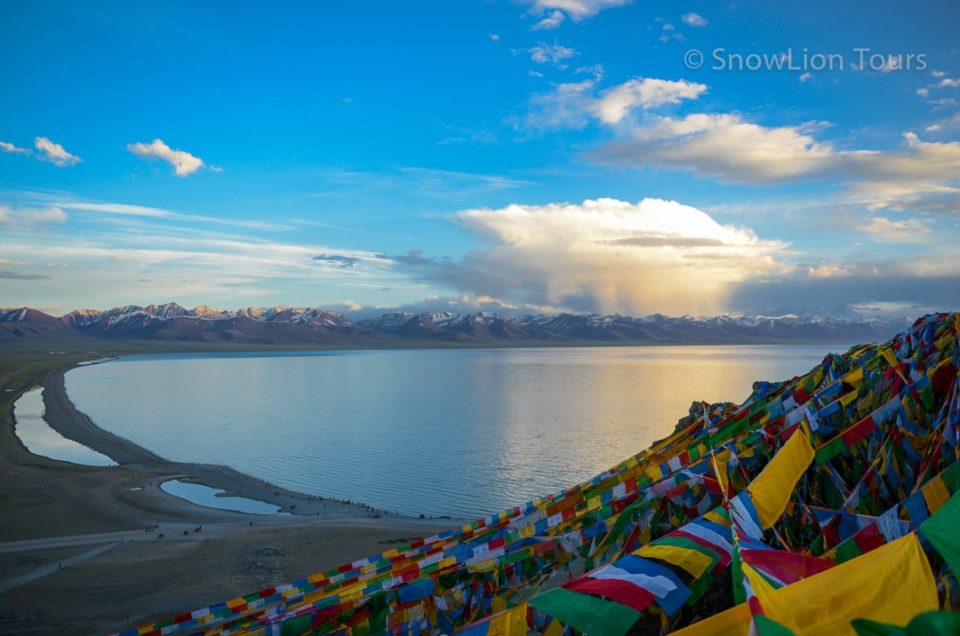
Yamdrok Yumtso Lake, often called Yamdrok Lake, is one of the most beautiful day trips from Lhasa. Set at about 4,441 meters above sea level, the lake is famous for its bright turquoise water, wide mountain views and sacred importance in Tibetan culture. Many travelers visit Yamdrok from Lhasa as a day trip, while others stop there on the overland route toward Gyantse, Shigatse and Everest Base Camp.
The drive normally crosses the Kamba La Pass, where the first view of the lake is one of the classic panoramas of central Tibet. Because Yamdrok is higher than Lhasa, it is best to visit after spending a day or two acclimatizing in the city. Clear weather gives the best color and views, but even on cloudy days the lake feels peaceful and dramatic.
Shusab Nunnery
Shusab Nunnery, also spelled Shugseb or Shugsheb Nunnery, is a peaceful Buddhist nunnery in the mountains south of Lhasa. It is much quieter than the major monasteries inside the city and gives travelers a different view of Tibetan religious life, especially the study and practice of Tibetan Buddhist nuns.
The nunnery is a meaningful excursion for visitors interested in meditation sites, women’s monastic traditions and quiet mountain scenery. The road and walking conditions can vary, so it is best visited with a local guide who can check access, timing and whether the site fits comfortably into your Lhasa itinerary.
Lhasa Gonggar Airport
Lhasa Gonggar Airport is the main airport for Lhasa and the most common flight gateway into Tibet. It is located outside the city in the Yarlung Tsangpo River valley, 65km to the southwest from Lhasa, roughly one hour by road from central Lhasa depending on traffic, weather and road conditions.
Many travelers fly to Lhasa from Chengdu, Chongqing, Xi’an, Beijing, Shanghai, Guangzhou or other major Chinese cities. Flying is the fastest way to reach Tibet, but the quick altitude gain can be tiring, so the first day in Lhasa should be kept light. After arrival, it is better to rest, drink water, avoid strenuous walking and save major sightseeing for the following day.
Lhasa Train Station
Lhasa Train Station is the arrival point for travelers coming to Tibet on the Qinghai-Tibet Railway. The station sits on the south side of the Lhasa River about 8km from center of Lhasa, a short drive from the main city area, and connects Lhasa with cities such as Xining, Lanzhou, Beijing, Shanghai, Guangzhou, Chengdu and Xi’an.
Taking the train to Lhasa is slower than flying, but it is one of the great travel experiences in Tibet. The route crosses high plateau landscapes, grasslands, mountains and remote railway towns before reaching Lhasa. Train tickets can be limited in busy seasons, so it is best to arrange them early through your tour operator.
Lhasa Accommodation
Lhasa has the widest choice of accommodation in Tibet, from simple guesthouses and Tibetan-style boutique hotels to comfortable international-standard properties. Most travelers prefer staying near the old Tibetan quarter, Barkhor Street or the Potala Palace area because these locations make it easier to visit the main sights and enjoy local restaurants, tea houses and evening walks.
When choosing a hotel in Lhasa, comfort at altitude matters. A warm room, reliable heating, private bathroom, elevator access and oxygen support can make the first nights easier, especially for travelers arriving by flight. In peak travel months, good hotels in central Lhasa can fill quickly, so advance booking is recommended.
Permits Required To Visit Lhasa
Foreign travelers need a Tibet Travel Permit to enter Lhasa and the Tibet Autonomous Region. This permit must be arranged in advance through a registered travel agency and is checked before boarding a flight or train to Tibet. Independent travel is not normally possible for foreign visitors in Tibet, so your guide, vehicle, itinerary and permit arrangements should be confirmed before arrival.
For a standard Lhasa visit, the Tibet Travel Permit is the main document. If your journey continues beyond Lhasa to places such as Gyantse, Shigatse, Everest Base Camp, Mount Kailash or border areas, additional permits may be required depending on the route. Permit rules can change, so travelers should confirm the latest requirements before booking flights, trains and international connections.
More information regarding Tibet Travel Permit, please see – Tibet Travel Permits
If you are ready to turn this guide into a real journey, these SnowLion Tours itineraries include Lhasa and surroundings.
- Everest and Kailash Yatra – a longer western Tibet journey combining Lhasa, Everest Base Camp, Mount Kailash and the Kailash kora.
- Taste of Lhasa – a short five days tour to glimpse of Tibetan culture, history and traditions.
- Sacred Mt. Kailash – a classic Lhasa to Mount Kailash pilgrimage with Lake Manasarovar and the full kora.
- Spiritual Journey in the Central Tibet – A deeply immersive pilgrimage through Tibet’s sacred monasteries, meditation caves, holy lakes, and Himalayan landscapes, including Everest Base Camp.

.jpg "amdo monlam festival tour")