Qinghai Lake
Qinghai Lake: The Sacred Turquoise Jewel of the Tibetan Plateau
Qinghai Lake, known as Kokonor in Mongolian and Tso Ngonpo in Tibetan (meaning “Blue Lake”), stands as China’s largest inland lake and one of the most spectacular natural landmarks of the Tibetan Plateau. Located in northeastern Qinghai Province at an elevation of 3,196 meters above sea level, this magnificent saltwater lake covers an area of approximately 4,317 square kilometers, making it larger than some small countries and a defining feature of the vast Tibetan landscape.
The lake sits at the heart of the Qinghai-Tibet Plateau, often called the “Roof of the World,” where it serves as both a crucial ecosystem hub and a sacred site revered by multiple cultures. Its pristine blue waters, surrounded by rolling grasslands, snow-capped mountains, and vast open skies, create one of the most breathtaking natural panoramas in Asia. The lake’s significance extends far beyond its impressive size – it represents a unique confluence of natural beauty, cultural heritage, and ecological importance that has captivated visitors for centuries.
Geological Formation and Natural Characteristics
Qinghai Lake was formed through complex geological processes over millions of years, created by tectonic movements that shaped the Tibetan Plateau. The lake is fed by numerous rivers and streams flowing from the surrounding mountains, but has no natural outlet, making it an endorheic lake whose water levels fluctuate based on precipitation, evaporation, and climatic conditions.
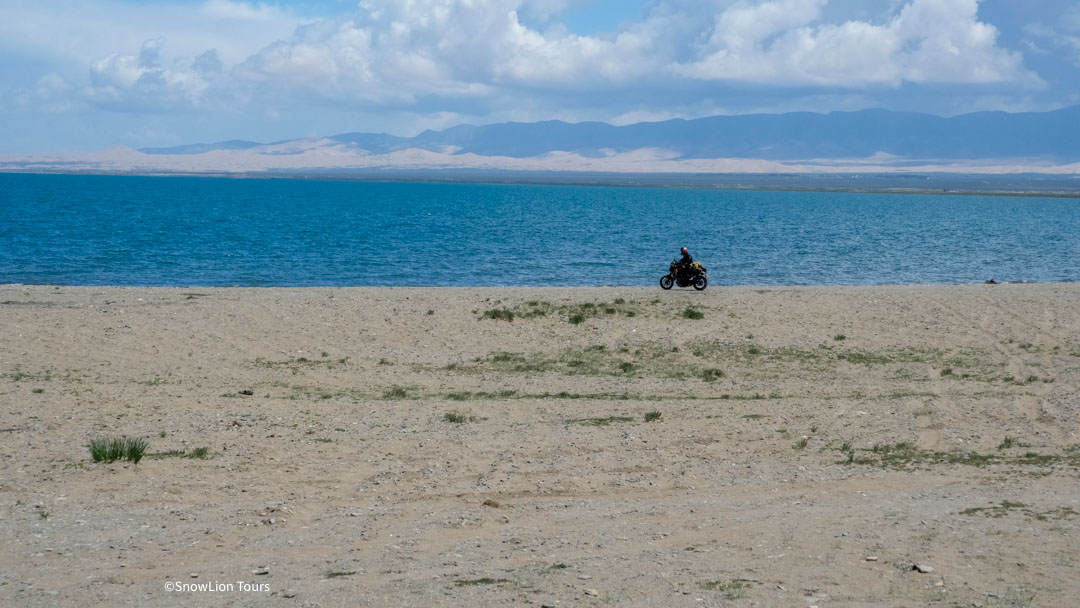
The lake’s distinctive turquoise-blue color results from its high altitude, mineral content, and the unique way sunlight interacts with its waters. The salinity level, while significant, varies throughout the lake and seasonally, supporting a unique ecosystem adapted to these challenging high-altitude, saline conditions. The lake’s maximum depth reaches approximately 27 meters, with an average depth of about 19 meters.
Erlang Jian Scenic Area: Gateway to the Lake
Tourism Infrastructure and Visitor Experience
Erlang Jian serves as the primary tourist access point to Qinghai Lake, offering well-developed infrastructure that allows visitors to experience the lake’s beauty while minimizing environmental impact. This scenic area features boardwalks extending into the lake, observation platforms, visitor centers, and carefully managed access points that provide spectacular views while protecting sensitive shoreline areas.
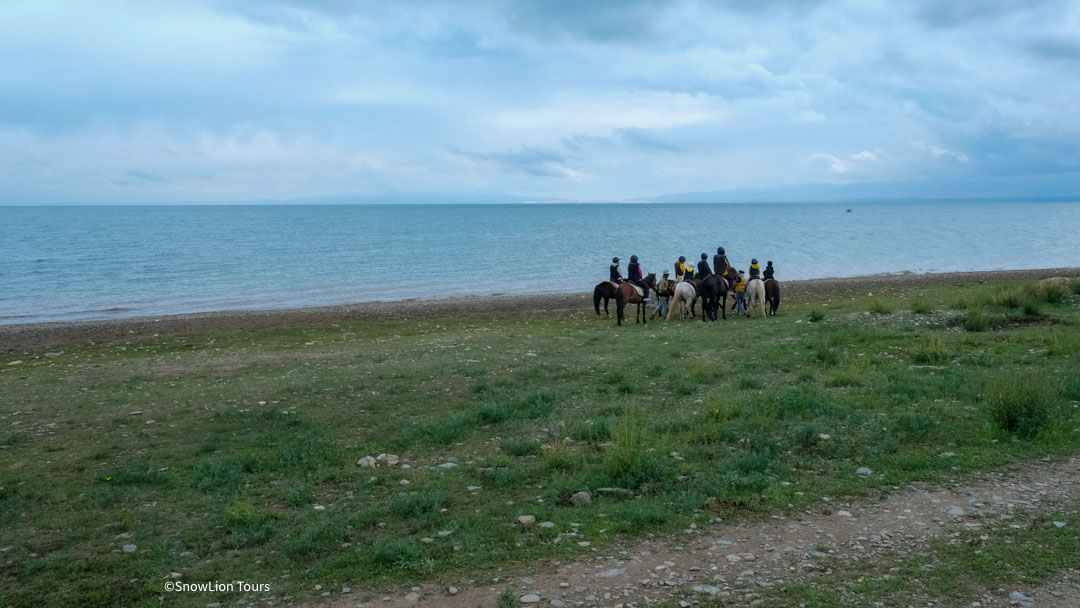
Due to the recent government policy, tourists are not allowed to take small roads lead to the lake from the main road. So Erlang Jian Scenic Area is the only place you can officially enter the Lake, and this spot is packed with tourists in July to September.
Bird Island: Sanctuary of Avian Life
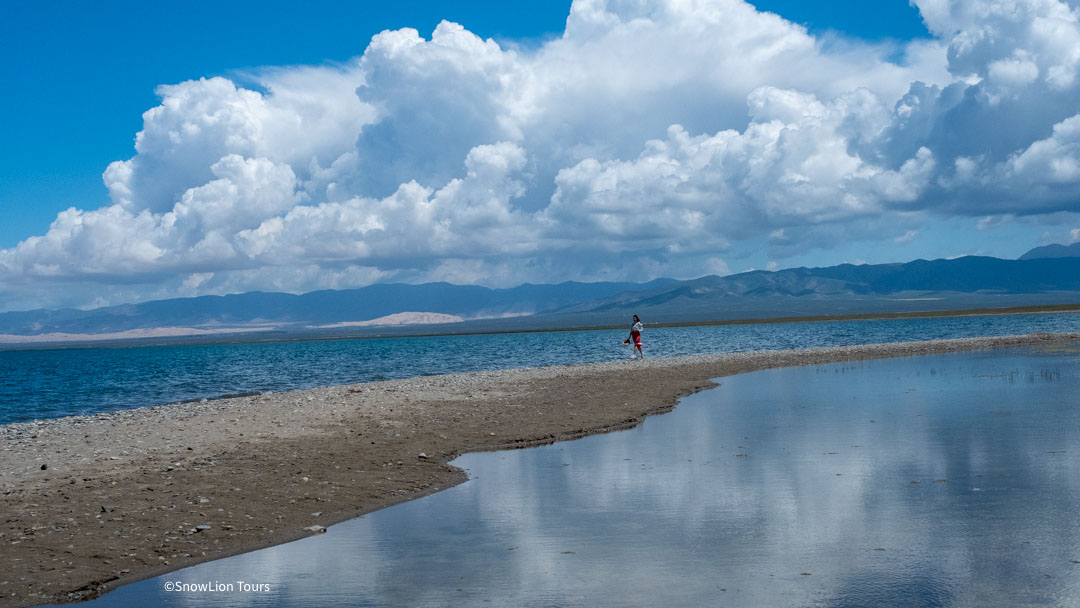
Bird Island (Niao Dao), located on the western shore of Qinghai Lake, represents one of China’s most important bird sanctuaries and a crucial breeding ground for numerous migratory species. This small island, connected to the mainland by a narrow causeway, serves as home to over 100,000 birds during peak breeding season, representing more than 30 different species.
The island’s significance extends beyond its role as a breeding ground – it serves as a critical stopover point along the Central Asian flyway, supporting millions of migratory birds that travel between their breeding grounds in Siberia and wintering areas in South and Southeast Asia. The island’s protected status and managed access ensure that this vital ecosystem continues to function while allowing limited scientific research and carefully controlled tourism.
Flagship Species and Conservation Success
Bar-headed Geese: Perhaps the most famous residents, these remarkable birds are known for their incredible high-altitude flights over the Himalayas during migration. Their presence at Qinghai Lake represents one of the largest breeding populations of this species.
Brown-headed Gulls: The dominant species on the island, these gulls create spectacular colonies that can number in the tens of thousands during peak breeding season.
Cormorants and Pelicans: Several species of these large waterbirds use the island for breeding and roosting, adding diversity to the avian community.
The success of Bird Island as a conservation area demonstrates how careful management and protection can maintain crucial wildlife habitats while allowing sustainable tourism and research activities.
Rapeseed Bloom Spectacle
One of Qinghai Lake’s most celebrated natural phenomena occurs during July and August when millions of yellow rapeseed flowers (canola) bloom across the grasslands surrounding the lake. This spectacular display transforms the landscape into a golden carpet that stretches to the horizon, creating one of the most photographed natural scenes in China.
The rapeseed fields serve multiple purposes beyond their stunning visual impact. They provide important economic opportunities for local farmers, support pollinator populations, and contribute to the region’s agricultural sustainability. The timing of the bloom coincides with peak tourist season, creating a natural synergy between agricultural cycles and tourism activities.
Tibetan Nomadic Culture and Traditional Pastoralism
Living Heritage on the Grasslands
The grasslands surrounding Qinghai Lake continue to support traditional Tibetan nomadic communities who have practiced sustainable pastoralism in this region for over a thousand years. These communities represent living links to ancient ways of life that have successfully adapted to the challenging conditions of the high-altitude plateau while maintaining ecological balance.
Tibetan nomads around Qinghai Lake follow seasonal migration patterns, moving their herds between different grazing areas to prevent overuse of any single location. This traditional practice, known as rotational grazing, has proven to be one of the most sustainable methods for managing grassland ecosystems in harsh environments.
Tourism Impact
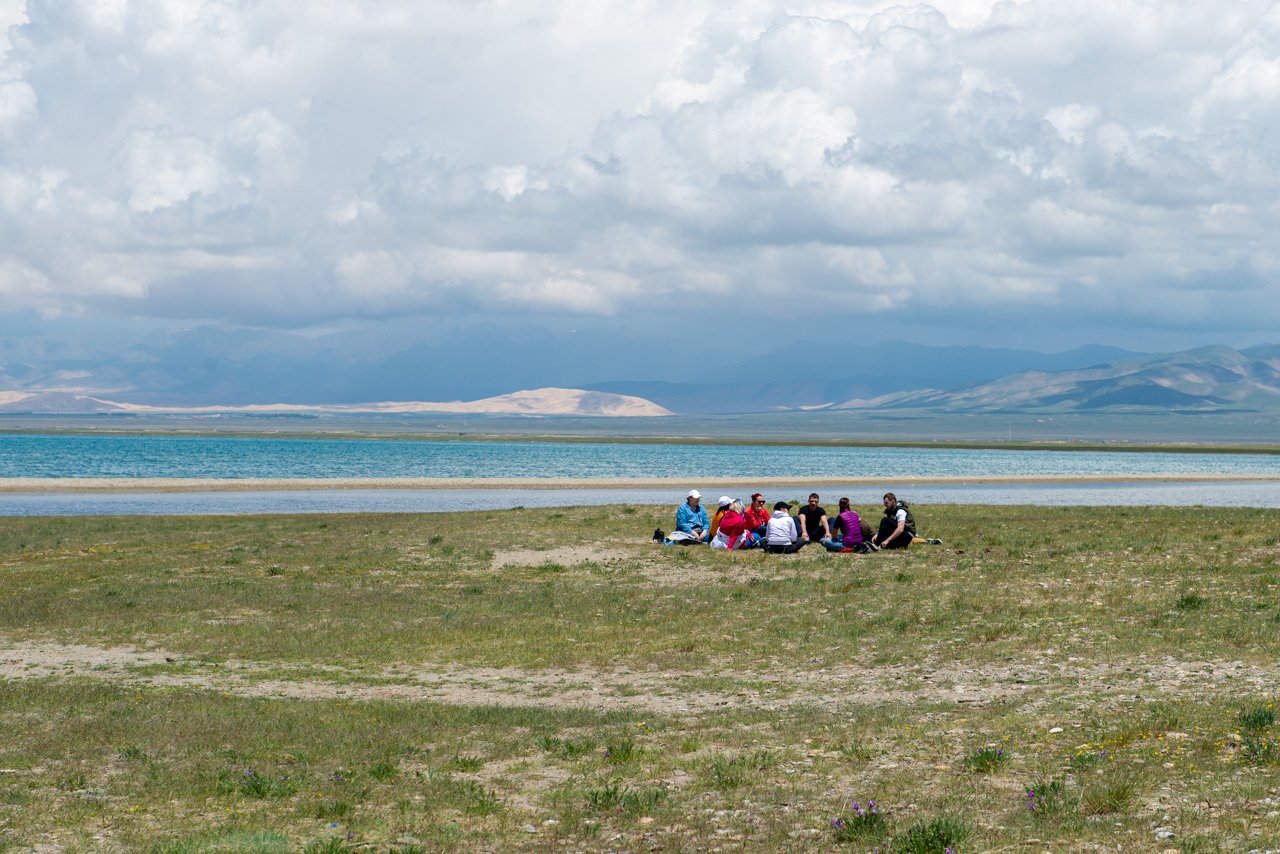
The annual influx of millions of tourists to Qinghai Lake has created significant challenges for the traditional nomadic communities who have called this pristine landscape home for generations. While tourism brings economic opportunities, it also disrupts centuries-old pastoral migration patterns, puts pressure on fragile grazing lands, and gradually transforms the authentic cultural practices that originally drew visitors to the region. The delicate balance between preserving the pure nomadic way of life and meeting the demands of mass tourism remains one of the most pressing issues facing this remarkable ecosystem and its indigenous people.
Yak Husbandry and Adaptation
Yaks represent the cornerstone of traditional Tibetan pastoralism around Qinghai Lake, perfectly adapted to thrive in conditions that would be impossible for most other livestock. These remarkable animals provide virtually everything needed for nomadic life: milk and meat for nutrition, wool and hide for clothing and shelter, fuel from dried dung, and transportation capabilities.
The yaks around Qinghai Lake have developed specific adaptations to the local environment, including enhanced lung capacity for high-altitude living, thick coats for cold weather protection, and efficient digestive systems that can extract nutrients from sparse, high-altitude vegetation. Different breeds and hybrid combinations are used for various purposes, from milk production to transportation.

Sheep and Mixed Herding Systems
Tibetan sheep complement yaks in the traditional pastoral system, providing different products and grazing different types of vegetation. The sheep are particularly valued for their wool, which is processed into traditional Tibetan textiles, and for their meat, which provides essential protein for nomadic families.
The mixed herding system of yaks, sheep, and sometimes goats creates a more resilient and sustainable approach to pastoralism than single-species systems. Different animals graze at different levels and prefer different plants, maximizing the use of available vegetation while preventing overgrazing of any particular species.
Religious and Spiritual Significance
Sacred Lake in Multiple Traditions
Qinghai Lake holds profound spiritual significance for multiple religious and cultural traditions, reflecting the diverse heritage of the Tibetan Plateau region. For Tibetan Buddhists, the lake is considered a sacred body of water blessed by protective deities and possessing the power to purify negative karma and bestow spiritual blessings on pilgrims and visitors.
According to Tibetan tradition, the lake is inhabited by powerful dragon kings (nagas) who control local weather patterns and protect the region from natural disasters. Annual ceremonies and offerings are made to these protective spirits, maintaining the spiritual relationship between human communities and the natural world.
Mongolian Cultural Connections
The lake’s Mongolian name, Kokonor, reflects the historical presence of Mongolian peoples in this region and their own spiritual connections to the lake. Mongolian shamanic traditions regard the lake as a sacred site where earth and sky energies converge, making it powerful for healing and spiritual practices.
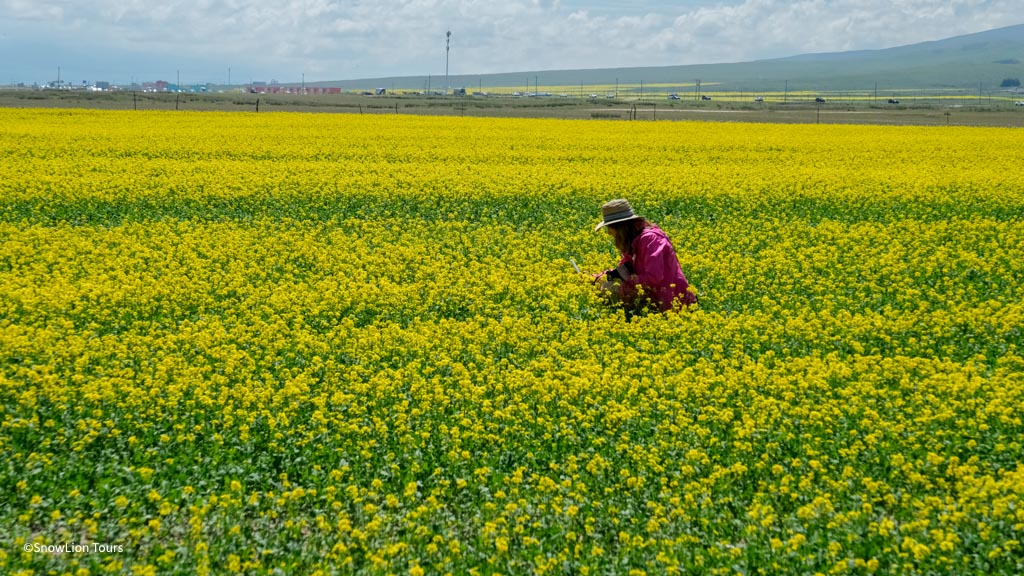
Yellow flower field at the Qinghai Lake shore.
Pilgrimage and Spiritual Practices
Traditional pilgrimage practices around Qinghai Lake include circumambulation (walking around the entire shoreline), which can take several days to complete. Pilgrims believe that completing this sacred walk generates immense spiritual merit while providing opportunities for meditation and reflection in one of the world’s most beautiful natural settings.
The pilgrimage tradition continues today, with both traditional practitioners and contemporary spiritual seekers undertaking the challenging but rewarding journey around the lake’s perimeter. The practice demonstrates the continuing relevance of ancient spiritual traditions in the modern world.
Ecosystem Dynamics and Biodiversity
Qinghai Lake serves as the centerpiece of a vast high-altitude wetland complex that supports extraordinary biodiversity despite the challenging environmental conditions. The lake and its surrounding wetlands, grasslands, and seasonal water bodies create a mosaic of habitats that support species found nowhere else on Earth.
The ecosystem’s complexity includes permanent lake waters, seasonal marshlands, alkaline meadows, desert steppes, and alpine grasslands, each supporting different communities of plants and animals. This habitat diversity is crucial for maintaining the region’s biodiversity and supporting the various life cycle needs of resident and migratory species.
Endemic Species and Specialized Adaptations
The lake supports several endemic species that have evolved specifically to survive in its unique high-altitude, saline environment. The Qinghai Lake naked carp (Gymnocypris przewalskii) represents one of the most important endemic species, having adapted to survive in cold, salty water with limited oxygen.
This fish species plays a crucial role in the lake’s food web, supporting large populations of fish-eating birds while serving as an indicator species for the lake’s ecological health. Conservation efforts for this endemic fish have become a priority for maintaining the lake’s ecosystem integrity.
Climate Change Impacts and Adaptation
Like many high-altitude lakes worldwide, Qinghai Lake faces challenges from climate change, including altered precipitation patterns, temperature increases, and changing seasonal cycles. These changes affect water levels, salinity, ice formation patterns, and the timing of biological processes that many species depend upon.
Research and monitoring programs track these changes while developing adaptation strategies that can help maintain ecosystem health and support both wildlife and human communities. The lake serves as an important natural laboratory for understanding climate change impacts on high-altitude ecosystems.
Climate Adaptation and Resilience
Building resilience to climate change impacts requires adaptive management strategies that can respond to changing conditions while maintaining ecosystem functions. This includes protecting critical habitats, supporting species adaptation, and helping human communities adapt to changing environmental conditions.
Research and monitoring programs continue to expand understanding of the lake’s ecosystem dynamics and climate sensitivities, providing the scientific foundation for effective conservation and management decisions.
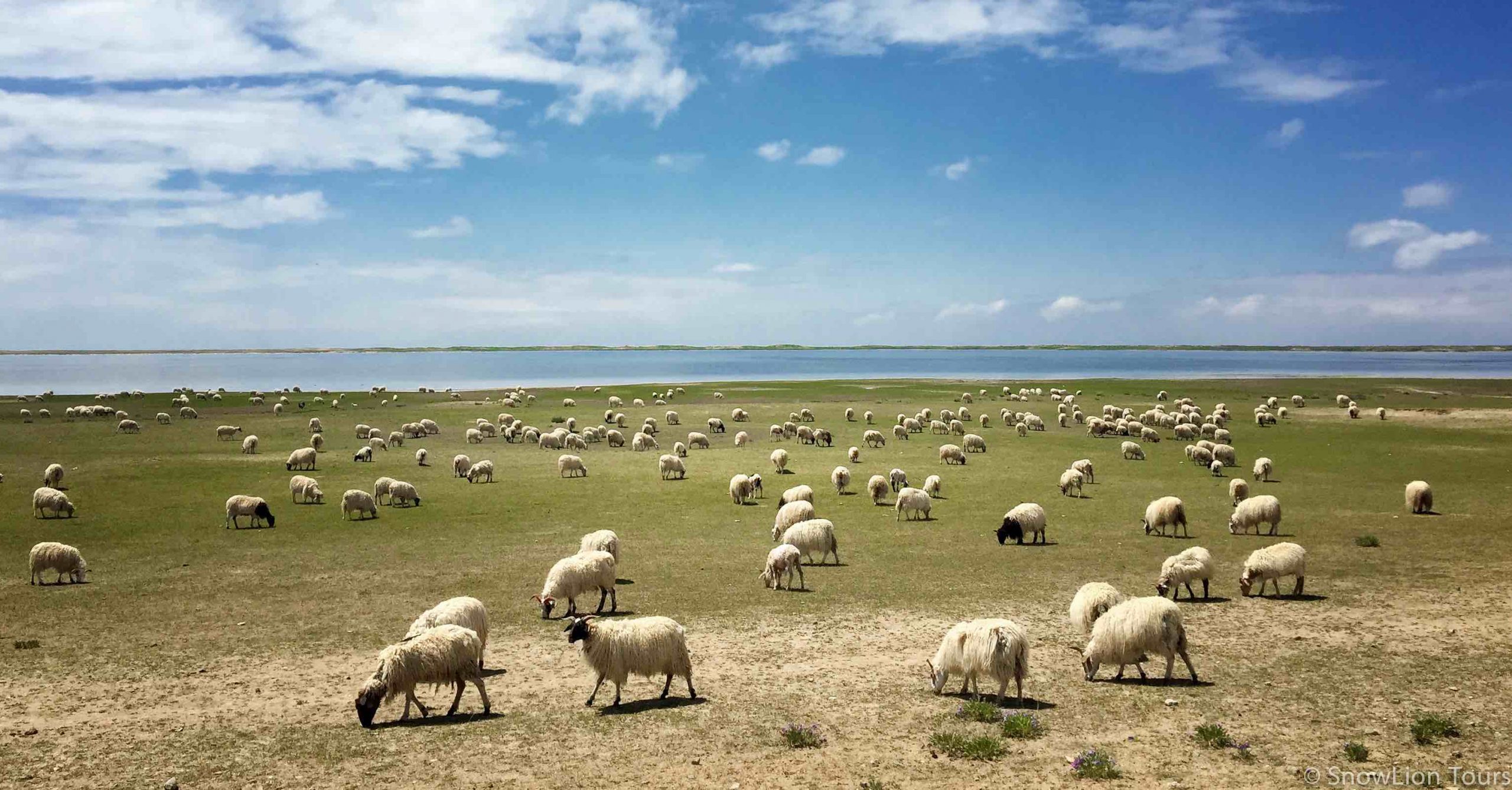
Sheep at the Qinghai Lake
A Natural and Cultural Treasure
Qinghai Lake represents one of the world’s most remarkable examples of how natural beauty, cultural heritage, and ecological importance can be successfully integrated through careful stewardship and sustainable development. The lake serves as a model for high-altitude conservation while providing economic opportunities for local communities and spiritual inspiration for visitors from around the world.
For travelers, scientists, pilgrims, and local communities alike, Qinghai Lake offers profound experiences that connect us to both the natural world and the rich cultural traditions that have flourished around this magnificent body of water for centuries. The lake stands as a testament to the possibility of maintaining harmony between human activities and natural systems while preserving one of the planet’s most beautiful and ecologically important landscapes for future generations.
The continuing challenge is to ensure that this precious natural and cultural heritage remains protected and vibrant, serving as both a sanctuary for wildlife and a source of inspiration and livelihood for the diverse communities that call the shores of this remarkable lake home.
Recent Posts
- Shoton Festival Begins in Lhasa!
 August 23, 2025
 - Tour Price in Tibet
 August 23, 2025
 - Qinghai Shaman Festival in Rebkong Concludes Successfully
 August 21, 2025
Related Tours
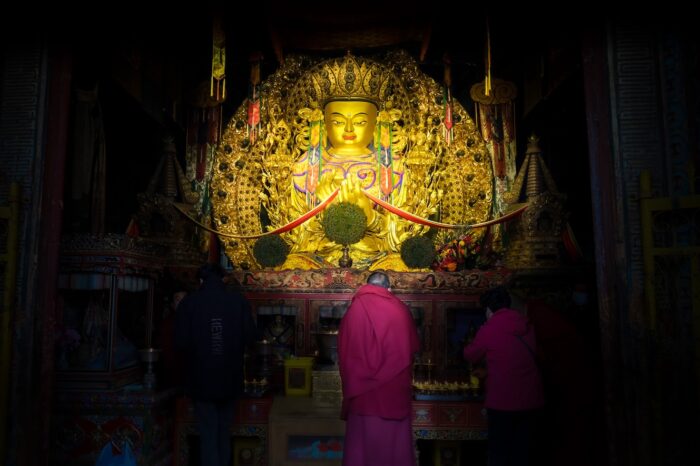
Kumbum and Qinghai Lake Tour
Explore Kumbum Monastery, Tibetan Medical & Cultural Museum, and the breathtaking Qinghai Lake on this immersive cultural and scenic Qinghai tour.
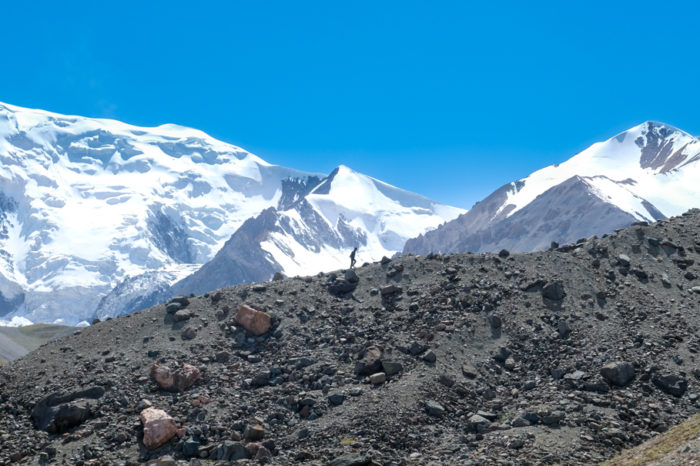
Best Qinghai Tour
There are many interesting places just outside of Xining city and other major towns in Qinghai. This itinerary specifically design for travelers who are interested in photograph with stunning landscape and wildlife in Qinghai Province …
Qinghai Lake Bike Tour
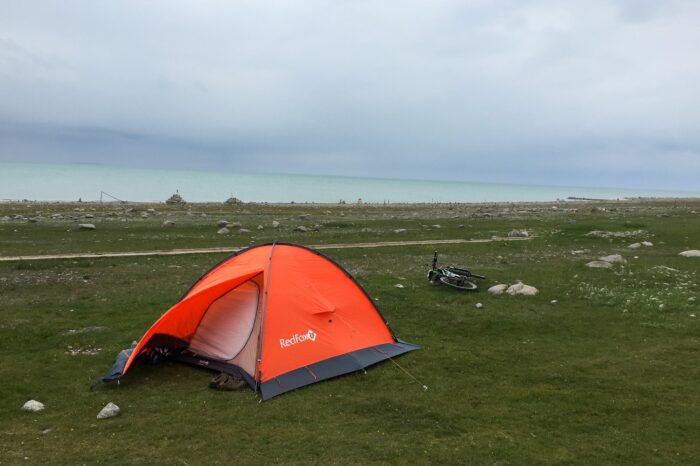
Lake Kokonor is the largest lake not only on the Tibetan Plateau but also in China with a circumference of 360 km, located about 100 kilometres west of Xining city at 3205 m above sea …
We are recommended by
We are committed to providing authentic, high quality, environmentally sustainable travel services. Join us and experience once in a lifetime holiday.
Recent Trips
.jpg "amdo monlam festival tour")