Kumbum and Qinghai Lake Tour
This 2-day tour consists of two separate day trips, with an overnight stay in Xining, the capital of Qinghai Province.
You’ll visit the Qinghai Tibetan Medical and Cultural Museum, the ancient Kumbum Monastery, and the largest salt lake in China – Qinghai Lake. This tour is ideal for those who have only two days to explore the natural beauty and cultural richness of the northern areas of the Tibetan Plateau.
Itinerary:
Day 1: Xining – Tibetan Medical and Cultural Museum – Kumbum Monastery – Xining
In the morning, we begin by visiting the Qinghai Tibetan Medical and Cultural Museum, located in the northern suburbs of Xining. It is widely regarded as the largest and most authentic Tibetan museum in the world. The museum comprises two main halls:
-
The Tibetan Traditional Medicine Hall features a vast display of ancient medical instruments, medical scriptures, herbal specimens, and portraits of key figures who made significant contributions to Tibetan medicine.
-
The Tibetan Culture Hall includes the world’s largest thangka painting, illustrating countless Buddhas, Bodhisattvas, protector deities, and great Buddhist masters. The exhibition also showcases traditional clothing from different regions of Tibet—including wedding dresses, monastic robes, and ceremonial costumes—as well as a fascinating display on the geography of the Tibetan Plateau, ancient trade routes, wildlife, sacred places, and traditional Tibetan armor and jewelry.
This museum offers one of the best introductions to Tibetan culture, religion, and history, making it an excellent starting point for your Tibetan journey.
Afterwards, we drive to Kumbum Monastery, located about 25 km west of Xining in a valley shaped like a lotus flower.
Also known as Ta’er Monastery in Chinese, Kumbum is the largest monastic institution in Qinghai. It is renowned as the birthplace of Je Tsongkhapa, the founder of the Gelug tradition of Tibetan Buddhism.
We’ll spend two to three hours exploring the temples and monastic sites. If you’re interested in Tibetan monastic education, you may also witness a monastic debate session in the afternoon. These debates, a key part of Tibetan education, help monks refine their understanding of Buddhist philosophy through rigorous and animated question-and-answer exchanges. After the visit, we return to Xining for the night.
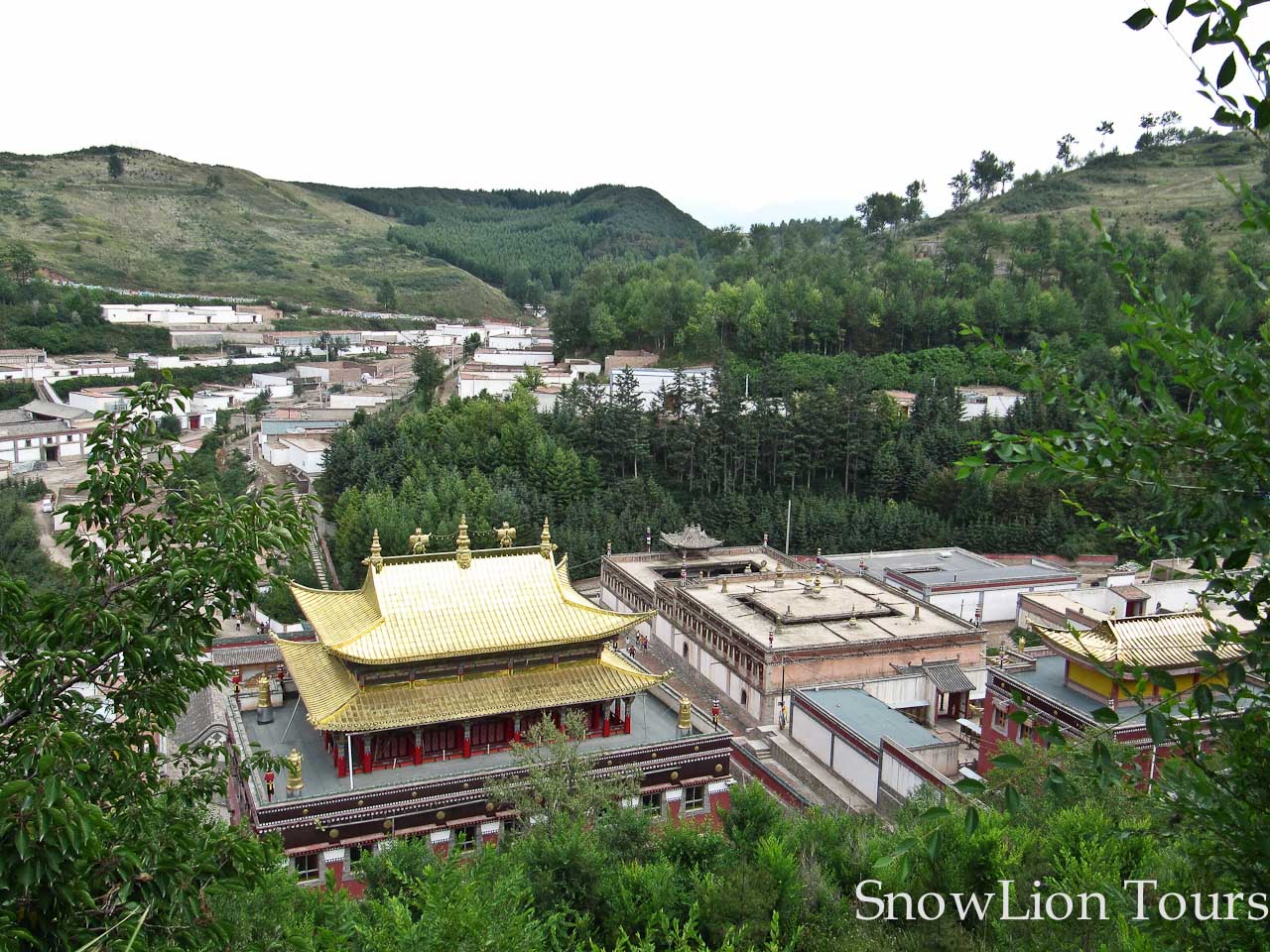
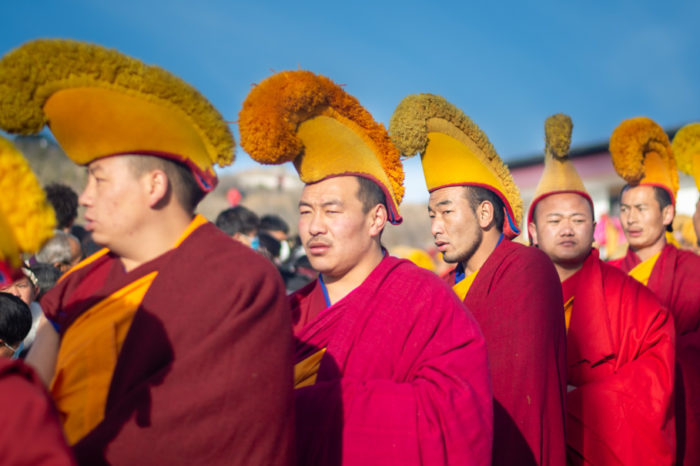
Kumbum Monastery in Amdo
Day 2: Xining – Dzongkha Lhatse Pass – Qinghai Lake – Xining (350 km)
We start the day with a scenic drive, ascending approximately 800 meters to reach our first stop: the mountain pass of Dongkar Latse, also known as Dzongkha Lhatse. Traditionally, this sacred site was used for making offerings to local mountain gods and protector deities. We’ll pause here to enjoy the stunning 360-degree mountain views, and, if you wish, you may hang prayer flags for good luck and the well-being of all beings.
We then continue through nomadic grassland areas toward Qinghai Lake (also known as Kokonor in Mongolian). This is the largest lake on the Tibetan Plateau and the largest salt lake in China.
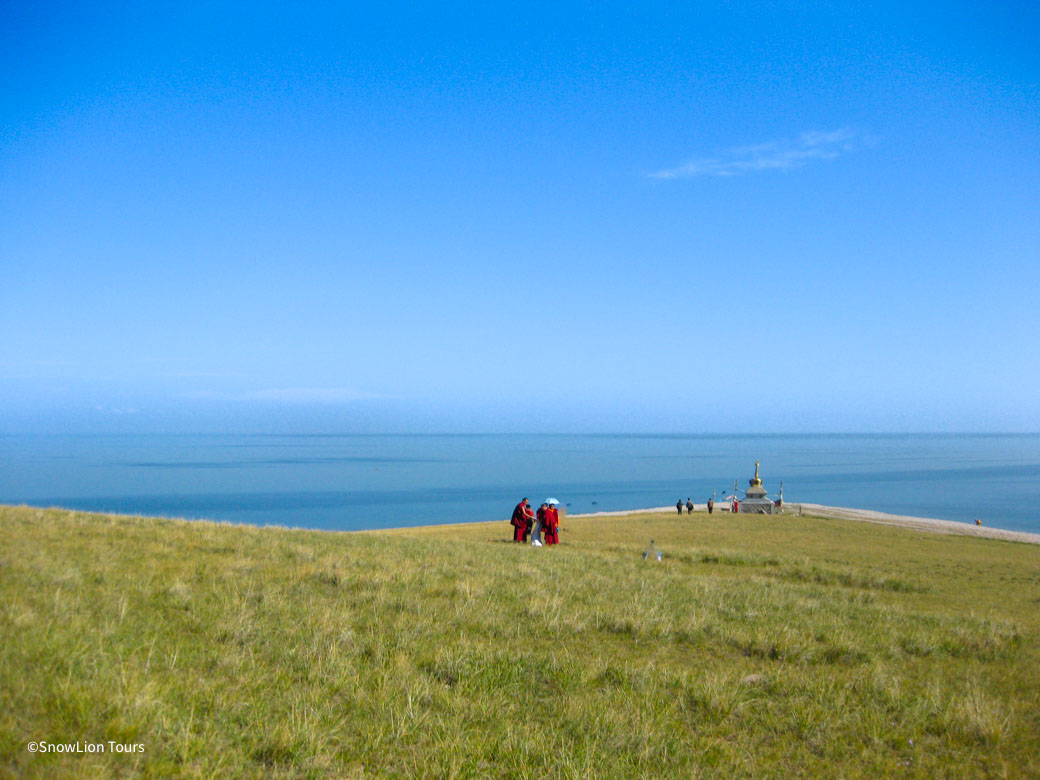
You’ll have the option to take a boat ride, enjoy a horseback ride, or simply stroll along the lakeshore and absorb the peaceful surroundings. During July and August, the lake’s edge is lined with blooming yellow rapeseed flowers, creating a vivid and unforgettable landscape—perfect for photography.
In the evening, we return to Xining via a different scenic route.
Frequently Asked Questions
What route does this tour follow?
This 2 days private itinerary follows a route through Xining, Kumbum Monastery, Qinghai Lake. The exact pacing can be adjusted, but the FAQ is based on the route shown in this tour itinerary.
Do I need a Tibet Travel Permit for this Amdo or Qinghai route?
Most Amdo, Kham and Qinghai routes outside the Tibet Autonomous Region do not require a Tibet Travel Permit, but you still need the correct China visa or visa-free eligibility. If the itinerary is extended into Lhasa or the Tibet Autonomous Region, a Tibet Travel Permit is required.
How difficult is this tour, and what about altitude?
This is high plateau travel rather than technical trekking. Many places in Amdo, Kham and Qinghai are between about 2,500 and 4,000 meters, so travelers should still pace themselves and prepare for thin air.
When is the best time to take this tour?
Late spring to early autumn is usually best, especially June to September for Qinghai Lake, grasslands, wildflowers and more comfortable plateau weather. Winter can be beautiful but cold and less flexible.
Can this tour be customized?
Yes. This private itinerary can be adjusted with extra days, different hotels, slower pacing, additional monasteries or scenic stops, and special interests such as photography, pilgrimage, hiking or local culture.
Helpful Travel Guides
-
DepartureXining
-
Departure TimePlease arrive by 10:20 AM for a prompt departure at 10:50 AM
-
Return TimeApproximately 8:30 PM
-
IncludedTibetan English Speaking GuideLocal transportationEntrance ticketsAccommodation
-
Not IncludedTravel InsuranceTips for guide and driverFood
-
Maps
Recent Posts
- Mount Kailash Kora updates
 September 26, 2026
 - Tibet Travel Permits
 September 24, 2026
 - Update on China / Tibet–Nepal Land Border Crossings
 September 24, 2026
Similar Tours
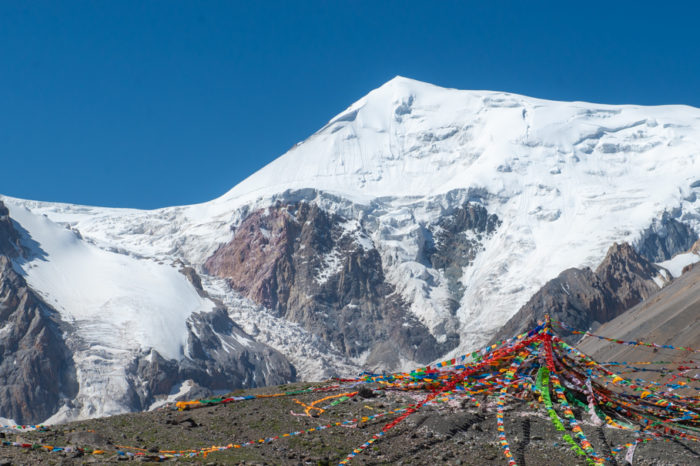
Classic Amdo
Explore the cultural heart of Amdo, visiting turquoise Qinghai Lake, ancient monasteries, rolling grasslands, and nomadic communities, where authentic Tibetan traditions, breathtaking landscapes, and peaceful countryside reveal a lesser-known side of Tibet.
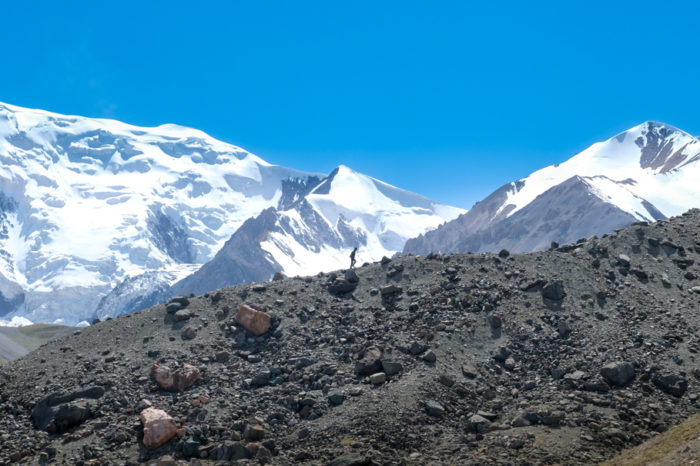
Heart of Amdo
Journey through the heart of Amdo, exploring Qinghai Lake, Amnye Machen, Labrang Monastery, and remote nomadic grasslands, where sacred mountains, authentic Tibetan culture, breathtaking scenery, and timeless traditions create unforgettable experiences
The Undiscovered East
Discover eastern Tibet through remote monasteries, nomadic grasslands, sacred lakes, mountain valleys, and authentic villages, where breathtaking landscapes and rich Tibetan culture await beyond the usual tourist trail.

.jpg "amdo monlam festival tour")