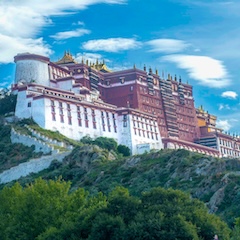
Uncharted Territory Kailash Tour
Starting in Lhasa, visit the Potala Palace, the Jokhang Temple, and the traditional marketplace known as the Barkhor. Watch monks debate at Sera Monastery, visit the summer palace of H.H. the Dalai Lama, and then explore Drepung Monastery and Ramoche Temple. On the way out of the city, drive to Yamdrok Lake and then continue to see the giant Buddha in Shigatse. Following a pilgrim’s path, drive through the Tibetan countryside and over high mountain passes on the way to Ngari. Once in Western Tibet, visit the holy Lake Manasarovar and the local town of Darchen. Trek around sacred Mt. Kailash, walk along beautiful rocky cliffs, and stand before breathtaking waterfalls. After hiking, visit the mountain ruins of the Guge Kingdom and drive over the remote Changtang Plateau. On the way back to Lhasa, take a detour to the Nepal border.
Highlights
- Lhasa, the cradle of Tibetan civilization
- Lake Manasarovar
- Trekking Mt. Kailash
- Ruins of the Guge Kingdom
- Tirthapuri monastery and hot springs
Details
- 19 day trip begins and ends in Lhasa, Tibet
- 18 nights in hotels and guesthouses
- Altitude from 3000-5700m
Itinerary:
Day 1: Arrive in Lhasa [3658m]
Welcome to Lhasa! Transfer to your hotel and get settled.
Day 2: Lhasa sightseeing
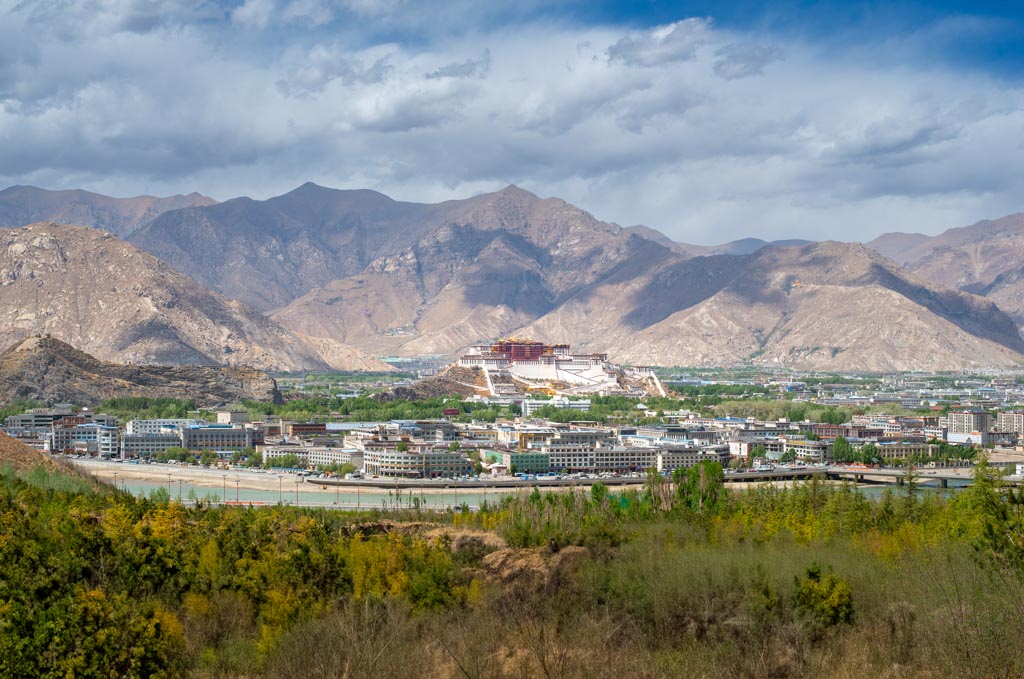
In the morning, visit the Potala Palace, the greatest monumental structure in all of Tibet. Also visit the Jokhang Temple, located in Barkhor Square. The Barkhor is a famous shopping street filled with goods and souvenirs from Tibet, Nepal, and India. Pilgrims from all over Tibet visit the Barkhor to pray in front of the Jokhang.
Day 3: Lhasa sightseeing
Visit the Norbulingka, the summer palace of the Dalai Lama. Explore the grounds, which include gardens, fountains, and a small zoo. Afterwards, visit Sera Monastery, where you can watch monks debate in the courtyard. If you enjoy hiking, walk the hour-long circumambulation path around the monastery complex.
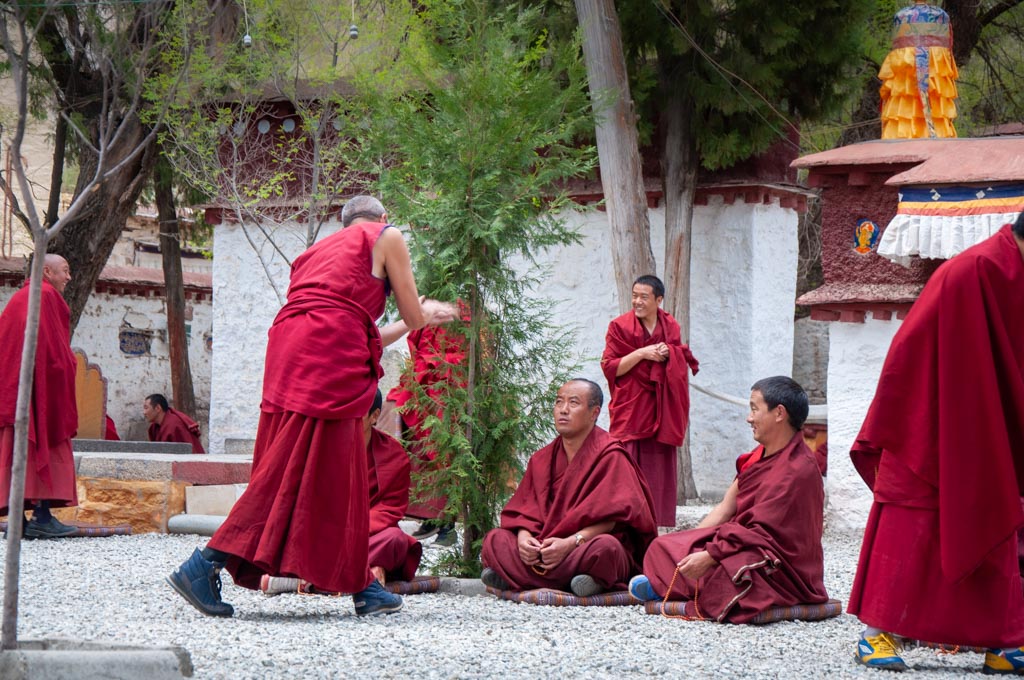
Debating session at Sera
Day 4: Lhasa sightseeing
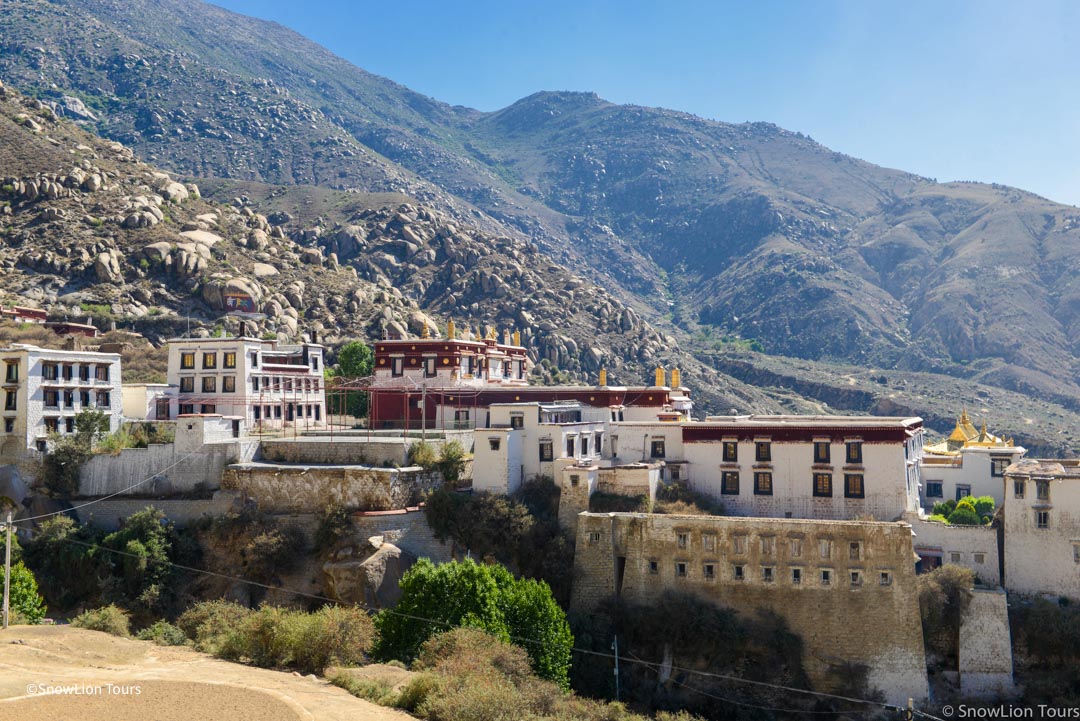
Visit Drepung, one of the three most famous monasteries in Lhasa. Drepung is located just outside Lhasa on Gambo Utse Mountain. Once home to as many as 10,000 monks, the enormous monastic complex features many prayer halls, dormitories, and temples. Just below the monastery is the Nechung Temple, the former home of the state oracle. Afterwards, visit Ramoche, a small monastery located in the city center. If time allows, explore the alleys of the Tibetan quarter and visit traditional workshops and handicraft stores.
Day 5: Lhasa – Yamdrok Lake – Gyantse [3900 m]
Begin your adventure in the Himalayas by driving to Gyantse. Along the way, cross over the Kamba La (4794m) and Karo La (5010m) passes, which offer spectacular views. After Kamba La, arrive at Yamdrok Lake, a holy turquoise-colored lake with stunning scenery. Stay the night in Gyantse.
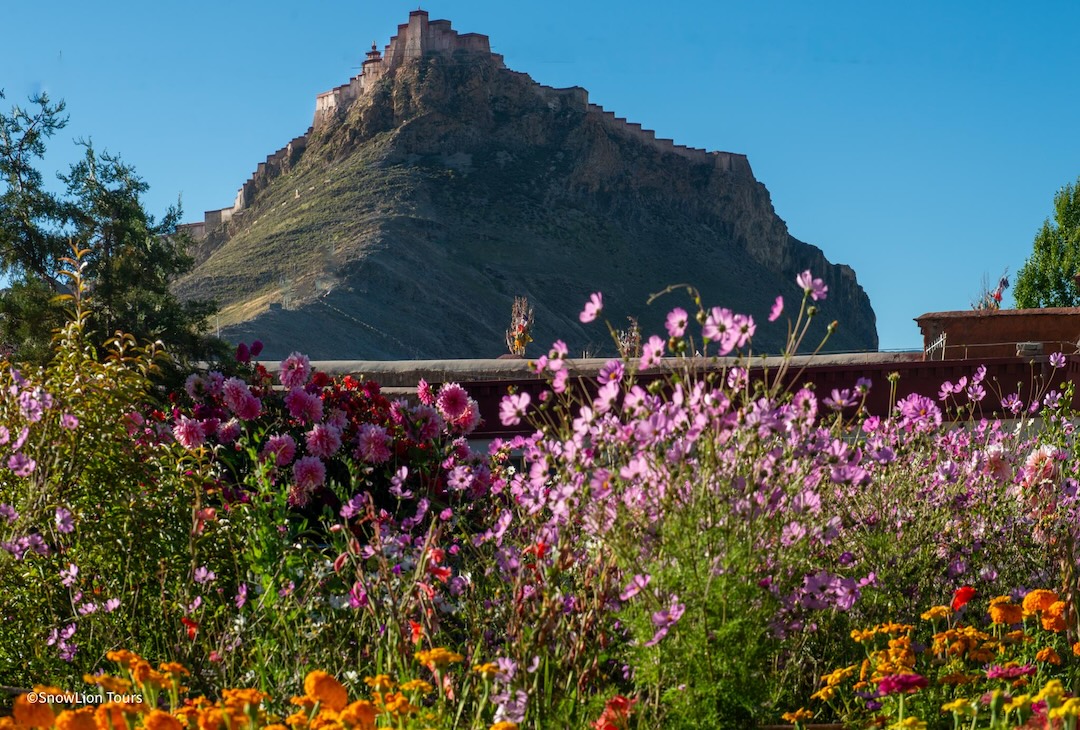
Gyantse Dzong
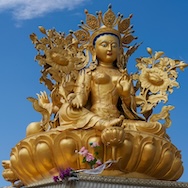
Day 6: Gyantse – Shigatse – Sakya Monastery [4300 m] In the morning, visit Gyantse Stupa and Monastery, followed by a two-hour drive to Shigatse. Here, see the giant Buddha in the famous Tashilunpo Monastery. Afterwards, drive to Sakya and visit Sakya Monastery, known for its medieval Mongolian architecture. Walk up the kora path alongside the monastery to see the ruins of the older buildings and enjoy great views of the monastery and surrounding valley.
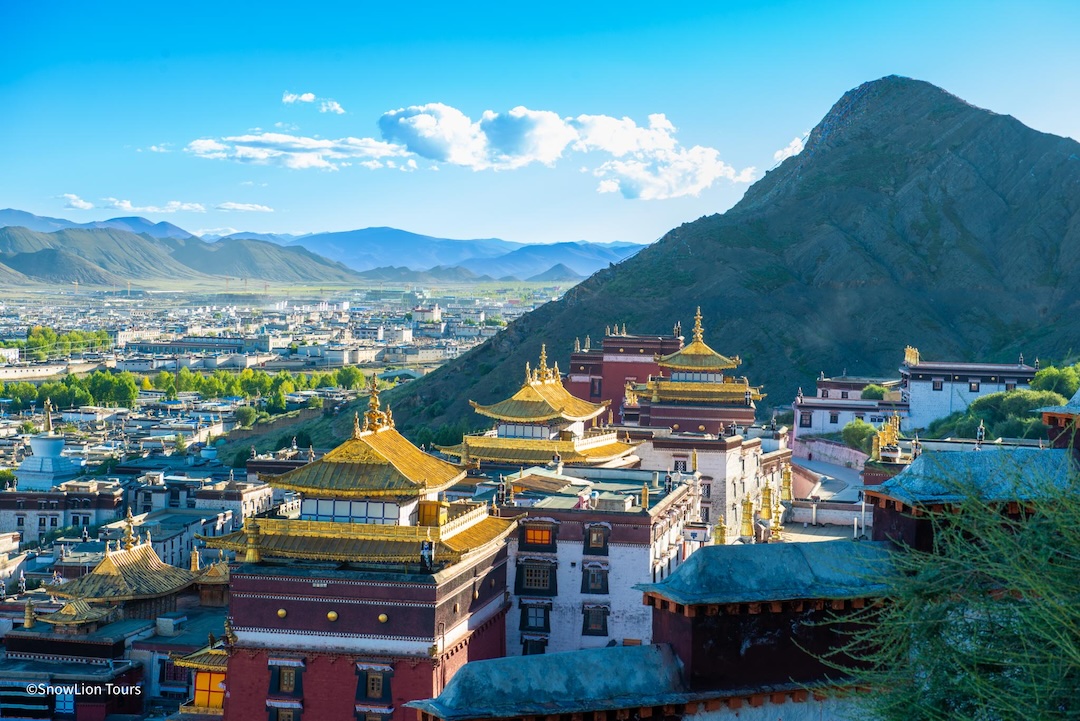
Tashilhunpo Monastery in Shigatse
Day 7: Sakya – Saga [4640 m] Drive up to two high mountain passes with a great view of the Himalayas. Travel through the countryside, where you can see small lakes and nomads camping with their yaks and sheep. In the late afternoon, cross over the Brahmaputra River on the way to a typical Chinese and Tibetan town. Spend the night in Saga.
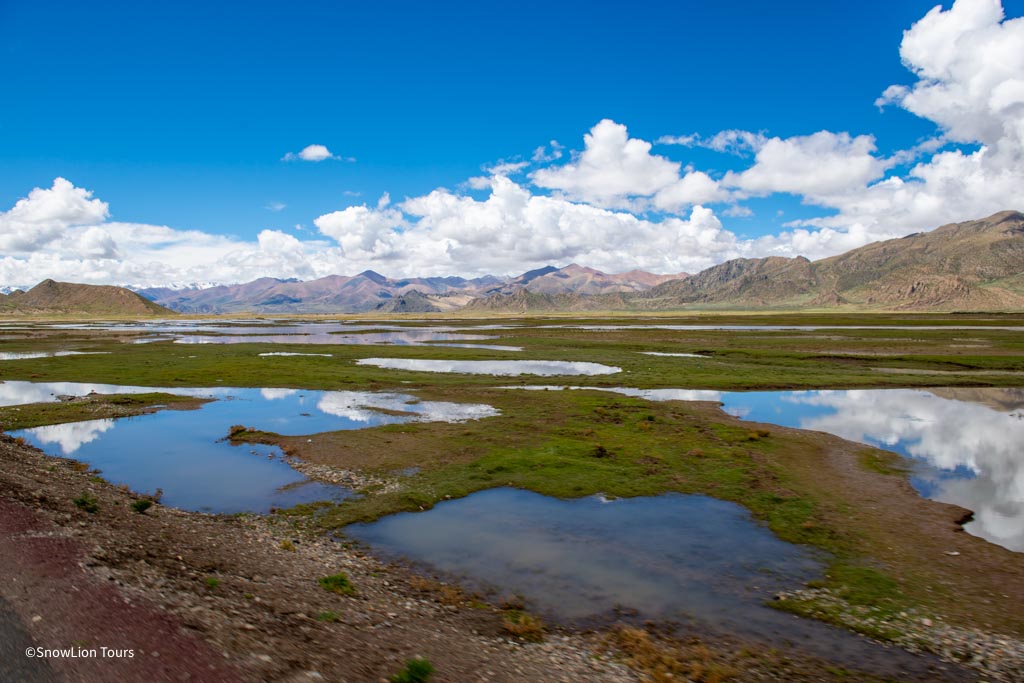
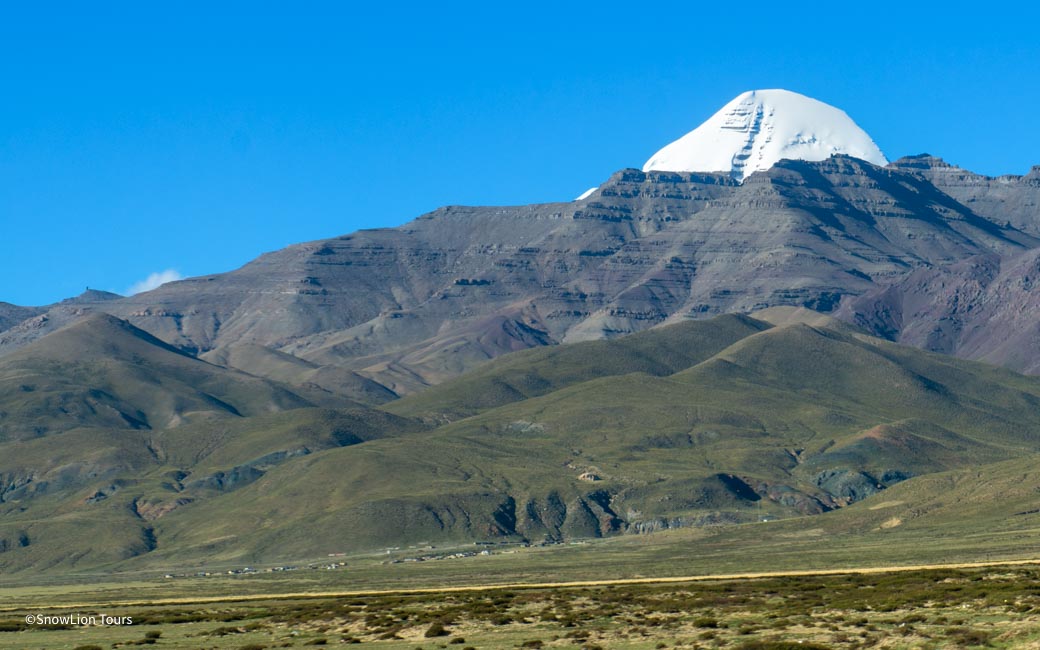
Day 8: Saga – Paryang – Darchen [4558 m] Drive through a wide valley along a scenic river and look out over the grazing lands of yaks and sheep. Towards the south, you can see sand dunes, rocky mountains, and snow-capped peaks. Depending on the season, nomads and other mobile shopkeepers will be attired in beautiful traditional costumes. Join them for a cup of hot tea in their home. Continue driving west. In the late afternoon, you will catch your first sight of Holy Mt. Kailash and Lake Manasarovar.
Day 09: Darchen – Tirthapuri – Tholing – Guge [4330m] Drive to Tirthapuri, where sacred hot springs and a geyser emerge above the embankment of the Sutlej River. It is one of the traditional pilgrimage sites visited after Mount Kailash. Then drive 7 km west to Gurugyam Monastery, a Bon Monastery founded in 1936 by Khyungtrul Yungdrung Gyeltsen Pelzangpo below the Yungdrung Rinchen Barwa meditation cave. Afterwards, drive to Tholing via Tirthapuri. Spend the night at Tholing.
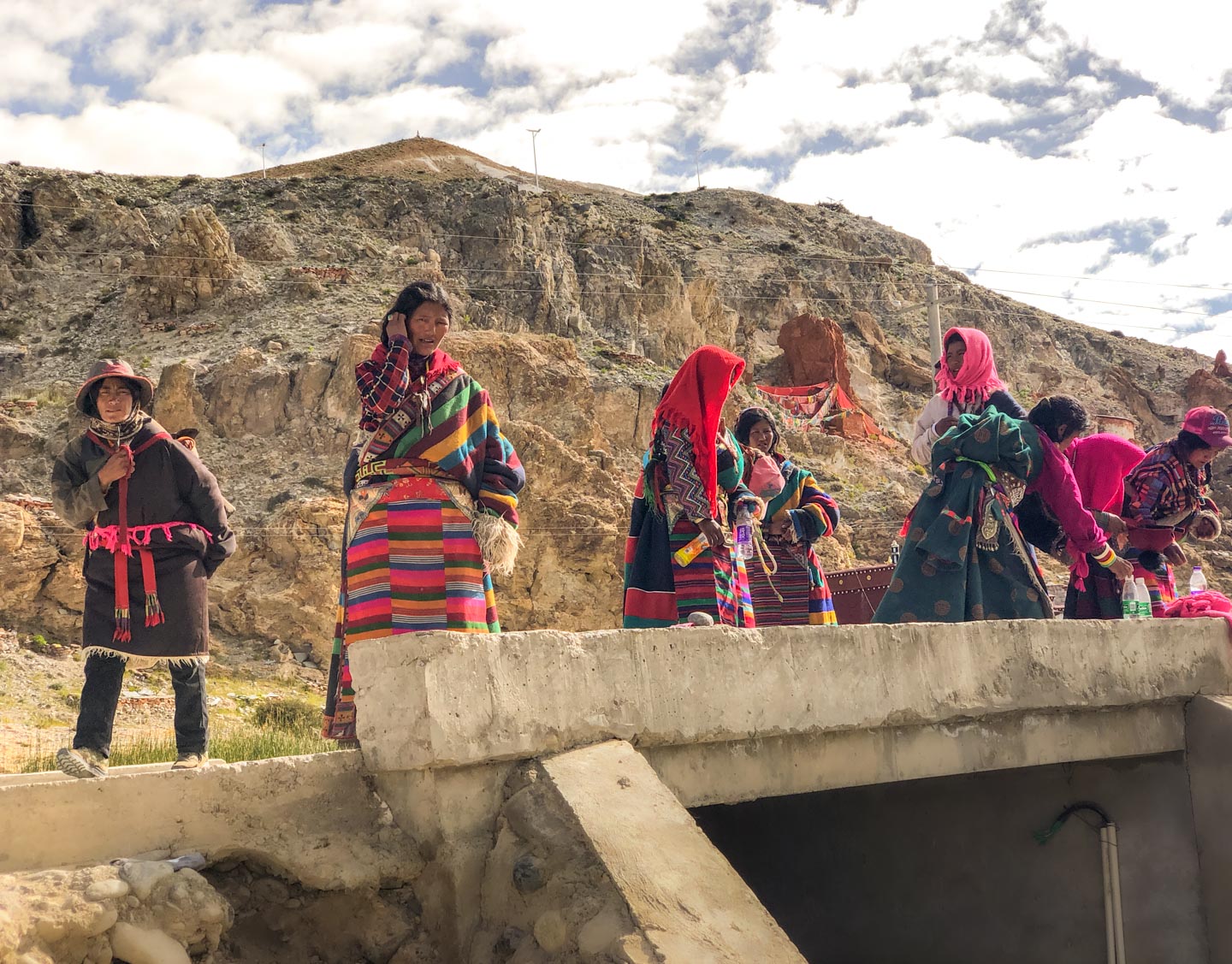
Day 10: Tholing – Tsaparang
Visit Tholing Monastery, built by the great Tibetan translator Rinchen Zangpo around the beginning of the 10th century. These Buddhist temples became the religious center for the Guge Kingdom. Guge Kingdom, 25 km west of Tholing, is an ancient kingdom dating back to the 10th century. Visiting Guge takes almost the whole day. In the lower reaches of the city are four main temples, with wall paintings and statues displaying some of the earliest examples of Tantric Buddhist art. Above these temples are the citadel of the kings. Afterward, drive 25 km to Tsaparang, the former capital of the Guge Kingdom. Visit the summer palace of the Guge Kings and view ancient Tantric murals and cave paintings. The ruins of this lost kingdom can still be seen along the ridges of the cliff mountains. Stay in Tsaparang.
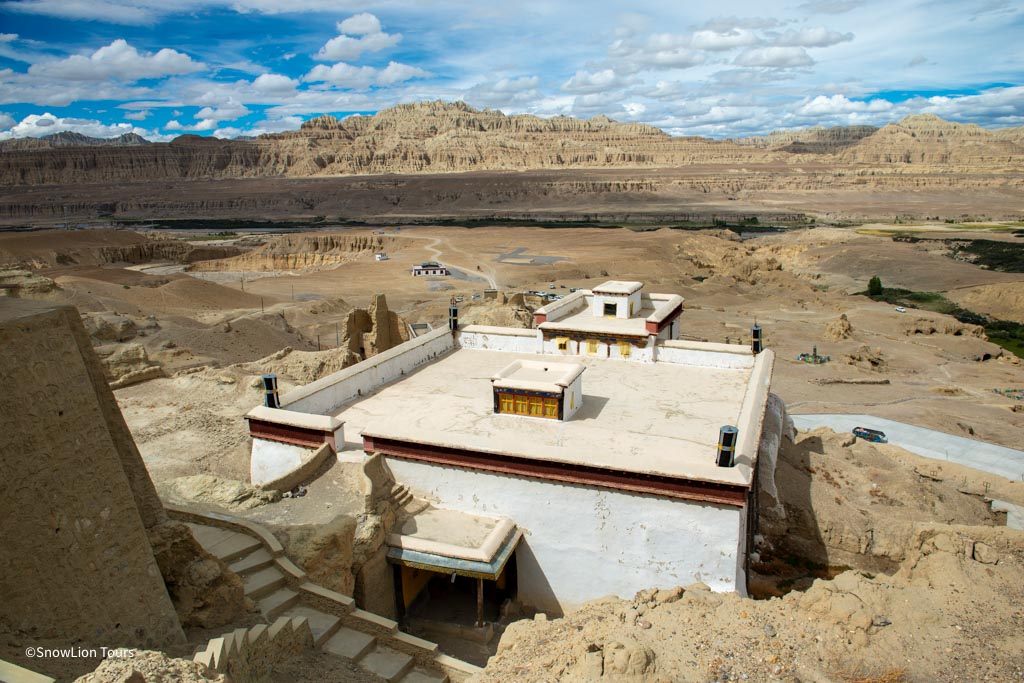
The view from Guge Kingdom
Day 11: Tsaparang – Darchen [4575m]
Drive to Darchen and prepare for the Mt. Kailash kora.
Day 12: Darchen – Dirapuk Monastery
Kailash kora day 1. Arrive at the Kailash North Face. Spend the night at the Dirapuk Monastery guest house.
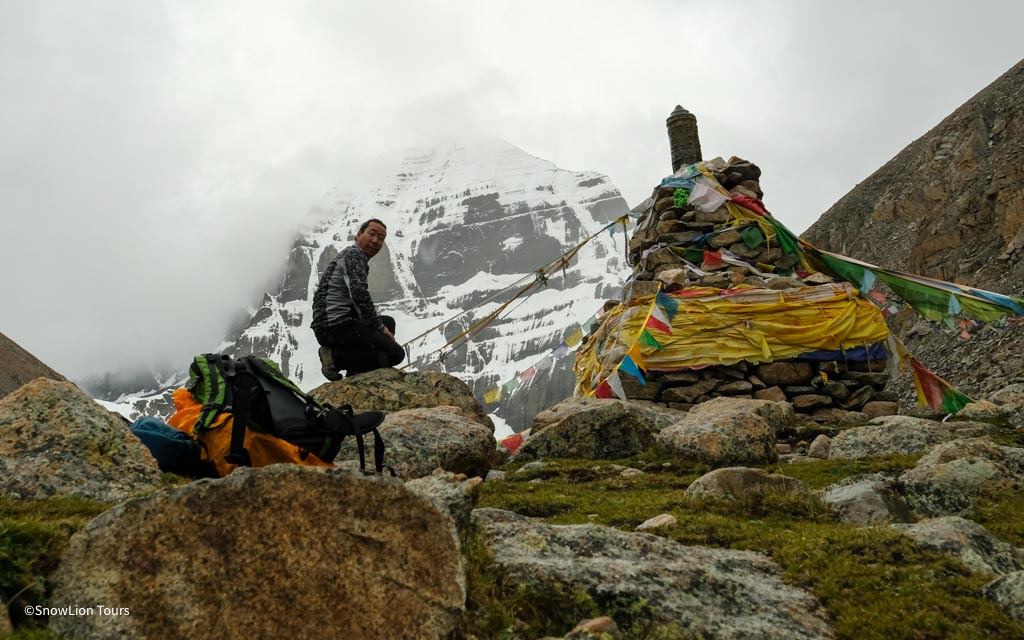
At the bottom of the northface of Mount Kailash.
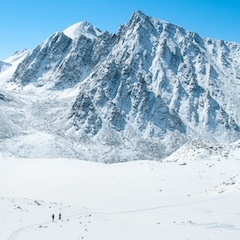
Day 13: Dirapuk – Dolma La Pass [5670m] – Zutulpuk Monastery Kailash kora day 2. Hike across a valley up to the Dolma-La Pass. At the top, make an offering, take a break (or meditate), and forget all your cares and worries. Afterwards, begin descending. By late afternoon, arrive at Zutulpuk, the cave of miracles where Milarepa once stayed.
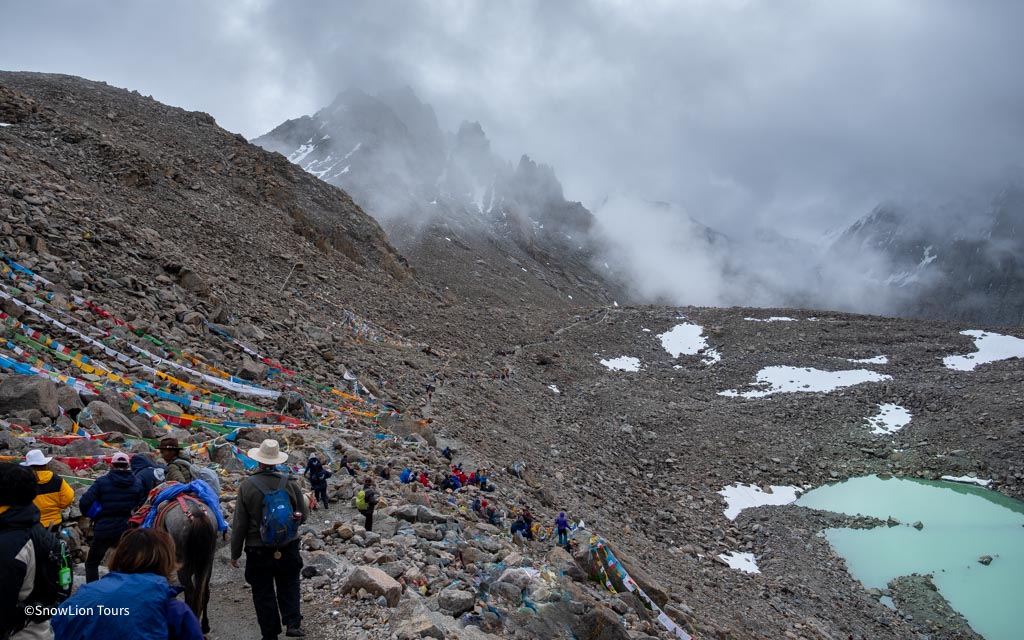
The view of Dolma la pass on Kailash Kora
Day 14: Zutulpuk Monastery – Manasarovar Lake Kailash kora day 3. After finishing your circuit (kora) of Mt. Kailash, drive back to Manasarovar Lake and rest in Chiu Gompa hot springs.
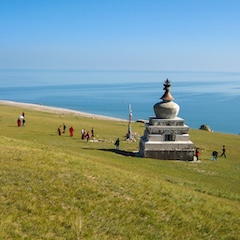
Visit Manasarovar, the highest freshwater lake in the world. This turquoise-colored lake is full of fish and swans. Holy Mt. Kailash, Mt. Gurula-Mandala, and Lake Rashekshi surround Manasarovar. The region is rich in gold and other minerals, hot springs, and hundreds of wild living creatures. Overnight at Lake Manasarovar.
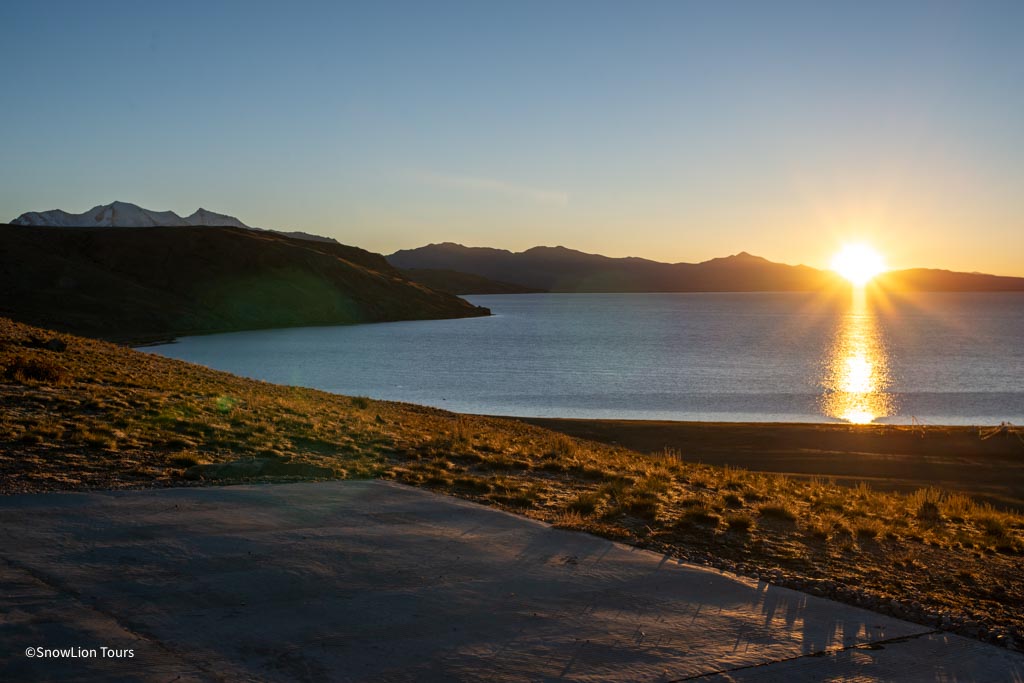
The sunrise at the Lake Manasarovar
Day 15: Lake Manasarovar – Paryang – Saga Begin the journey back to Lhasa. Enjoy a beautiful view of the Himalaya ranges.
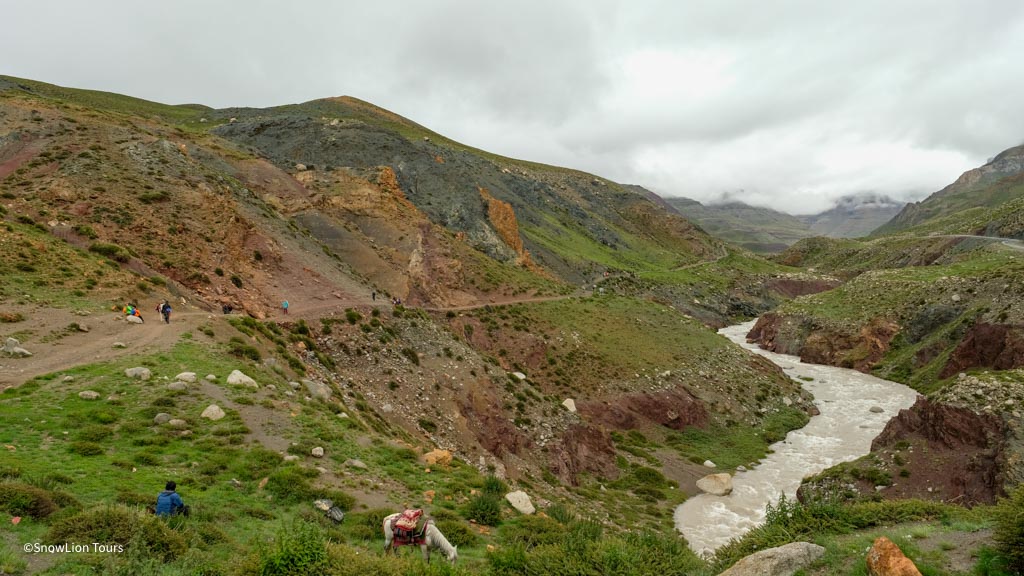
Walking back to Darchen along the river side
Day 16: Saga – Shigatse (or Saga to Nepal border for those who end their tour in Nepal) Continue driving back towards Lhasa. Stop at scenic spots for short hikes and photo opportunities.
Day 17: Shigatse – Lhasa Once back in Lhasa, spend some time strolling through the alleys of the old Tibetan quarter and peeking into workshops or stores that interest you. Take the opportunity to dine on local cuisine, revisit a favorite restaurant, or scout out a delicious place to have supper.
Day 18: Depart Lhasa Say goodbye to Tibet!
Tour Map
-
DepartureLhasa
-
Departure Time9:00 am from your hotel
-
Return TimeApproximately 8:30 PM
-
IncludedTibet Travel PermitsLocal transportationAccomodationProfessional Tibetan GuideEntrance Tickets
-
Not IncludedPlane or train tickets/from LhasaTravel InsuranceTrain or Plane ticketsTips for guide and driver
Recent Posts
- Shoton Festival Begins in Lhasa!
 August 23, 2025
 - Tour Price in Tibet
 August 23, 2025
 - Qinghai Shaman Festival in Rebkong Concludes Successfully
 August 21, 2025
Similar Tours
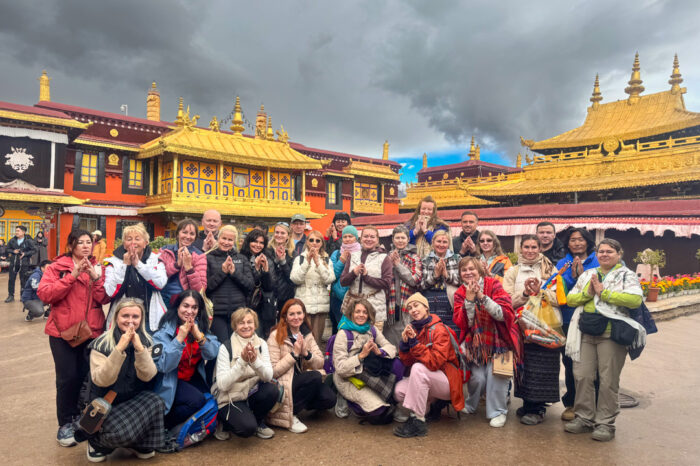
Kailash kora and Garuda Valley
A transformative 15-day spiritual journey from Lhasa to sacred Mount Kailash, featuring a traditional three-day kora, ancient monasteries, and the mysterious Garuda Valley.
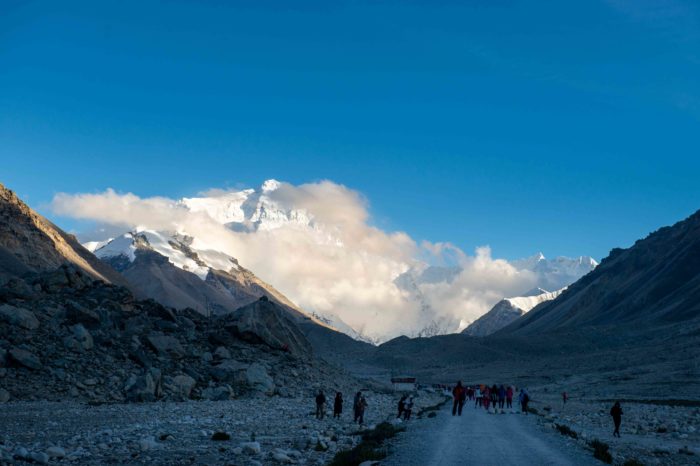
Everest and Kailash Yatra
Journey from Lhasa to Everest Base Camp and Mount Kailash, combining monasteries, sacred lakes, high passes, and the three-day Kailash kora.
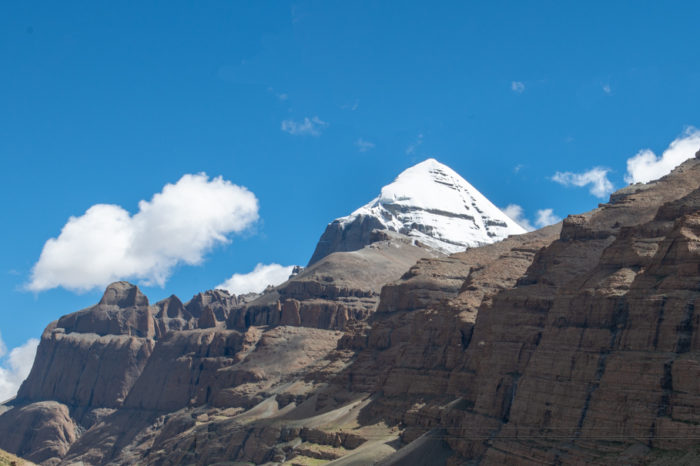
Mount Kailash and Guge Kingdom
Explore Lhasa, Yamdrok Lake, Shigatse, Guge Kingdom, Mount Kailash, and Lake Manasarovar on a 16-day western Tibet journey.

.jpg "amdo monlam festival tour")