Guide Danxia Geo Park
Gui’de Danxia Geopark: A Rainbow Mountain Marvel in Amdo Tibe
Guide County (贵德县), also known as Trika in Tibetan, is one of the lowest counties in Qinghai Province.
The elevation of Gui’de is 2,200m / 7,218ft. It is under the administration of Hainan Tibetan Prefecture. Geographically, it is located on the bank of the Yellow River, about 100 km southwest of Xining, the capital city of Qinghai Province, and 150 km southeast of the southern shore of Qinghai Lake.
When driving from Xining to Gui’de, after crossing the Dzongka Latse Pass, travelers experience one of the most dramatic altitude changes on the Tibetan Plateau – plummeting from 4,200m to 1,800m within just a few kilometers. This spectacular descent reveals one of Amdo Tibet’s most unique geological wonders: the rainbow-colored mountains of Gui’de Danxia Geopark, visible approximately 10km before reaching Gui’de town.
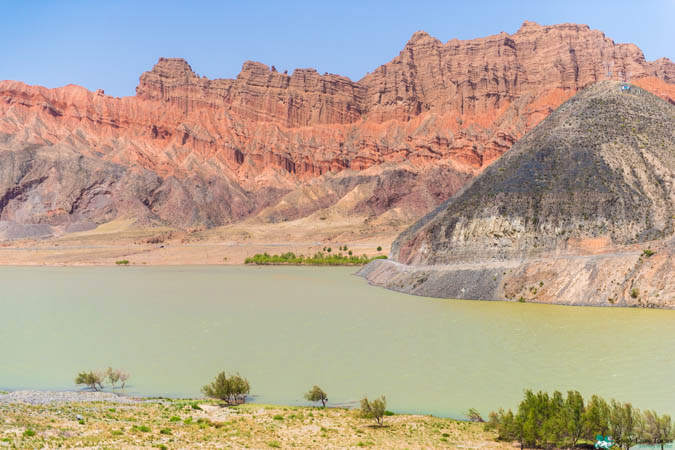
Red Clay mountains at the bank of Yellow River in Gui’de County.
Geological Marvel
The Gui’de Danxia Geopark represents a rare geological formation on the Tibetan Plateau, part of China’s renowned Danxia landform family that includes the famous Zhangye Rainbow Qicai Danxia Geopark, Fujian Taining, Wuyishan, and Wanfoshan. These striking formations showcase nature’s artistry through millions of years of geological processes.
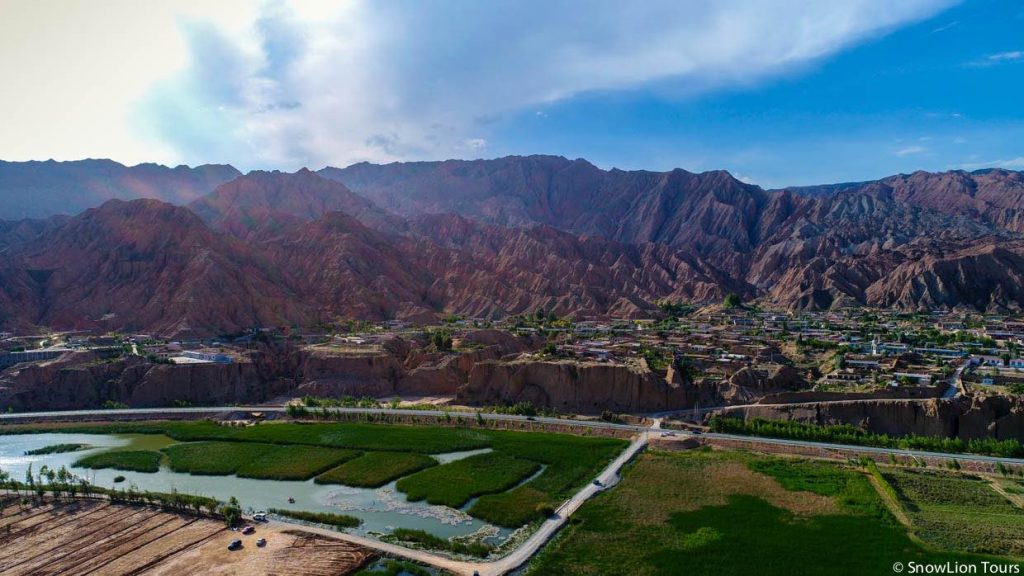
Danxia Geopark in Qinghai, Amdo Tibet
Akong Gorge
The heart of this geological wonderland lies within Akong Gorge, situated on the north bank of the Yellow River. Towering mountains rise on both sides, their peaks reaching toward the clouds. Over hundreds of millions of years, wind and sand erosion have sculpted the cliffs into an extraordinary gallery of natural sculptures, many resembling animals and mythical creatures.
Formation Process
These magnificent red rock formations, composed primarily of conglomerate and sandstone, were created through complex geological processes. Horizontal or gently layered iron and calcareous deposits were unevenly cemented, then cut by vertical joints and subjected to differential weathering, gravity collapse, water dissolution, and wind erosion. This comprehensive geological symphony has produced the region’s characteristic steep, castle-like, pagoda-like, needle-like, and forest-like topography.
Cultural Significance: Fish Release Site
Crossing the Yellow River bridge in Akong Gorge reveals a unique Tibetan cultural practice – a dedicated fish release site. Here, devout Tibetans purchase fish from markets or restaurants (fish originally destined for dining tables) and compassionately release them back into the Yellow River’s waters, demonstrating the Buddhist principle of liberating sentient beings.
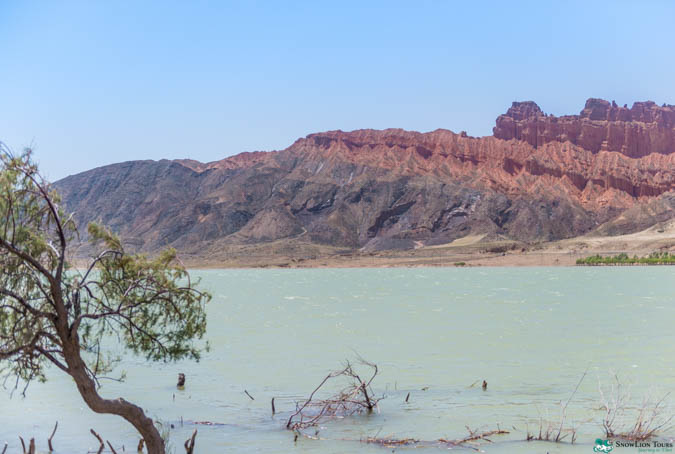
different shapes of red clay mountains
Visitor Experience
The geopark offers well-maintained walking trails winding through the red and orange hills. Set against the contrasting azure Qinghai skies and the teal waters of the Yellow River below, this location provides an ideal setting for an afternoon of wandering, photography, and geological exploration. The site offers visitors a unique opportunity to witness the extraordinary geological diversity of this remarkable corner of the Tibetan Plateau.
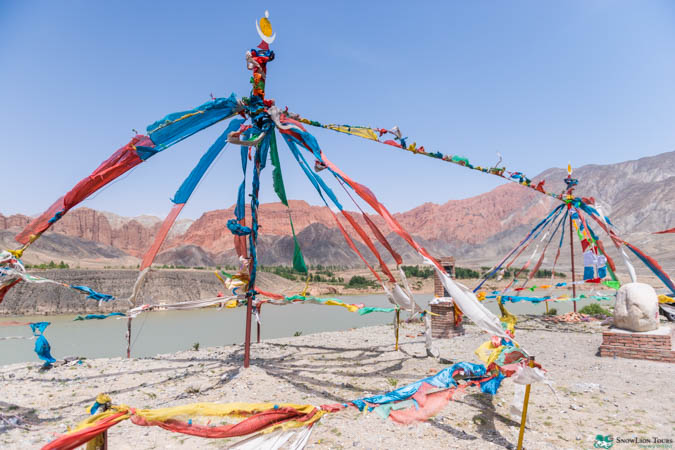
The fishing release site in Gui’de, Qinghai, Amdo Tibet
Photography Paradise
The interplay of colors – red sandstone formations, blue skies, and turquoise river waters – creates a photographer’s dream landscape that captures the raw beauty and geological complexity of Amdo Tibet’s high-altitude desert terrain.
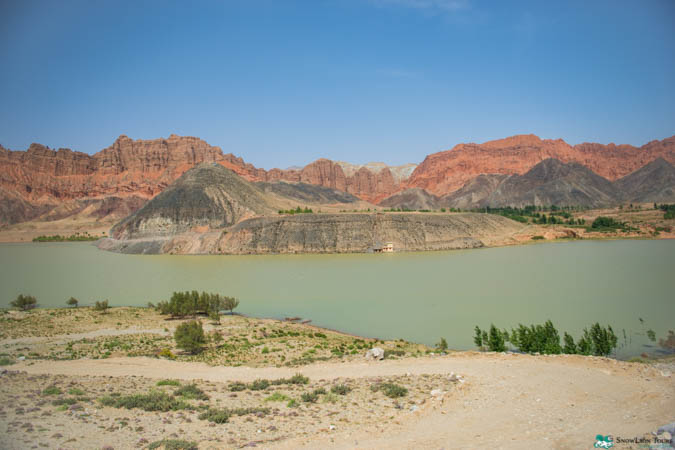
Landscape in Gui’de county, Amdo Tibet.
Other places to visit in Gui’de:
-
Jokhang Temple – Located 2 km east of Gui’de town, this temple is dedicated to Jowo Shakyamuni and was originally built in the 13th century by Sakya Pandita. The temple is a copy of the famous Jokhang Temple in Lhasa. Next to the temple is a cultural site dedicated to King Gesar.
-
Minyak Chorten – A historic site consisting of a series of stupas. Formerly the most important site in Gui’de County, it was originally founded in the 9th century. Unfortunately, the original complex did not survive the Cultural Revolution, but a replica was reconstructed in 1989–1990.
-
The Wetland – Located about 5 km before Gui’de on the road from Xining, it is worth stopping here for a photo opportunity.
-
Giant Prayer Wheel – Another good spot to visit. However, the entrance ticket is quite expensive, so I recommend viewing it from a distance rather than entering the gate.
Recent Posts
- Mount Kailash Kora updates
 September 26, 2026
 - Tibet Travel Permits
 September 24, 2026
 - Update on China / Tibet–Nepal Land Border Crossings
 September 24, 2026
Related Tours
The Old Trade Route
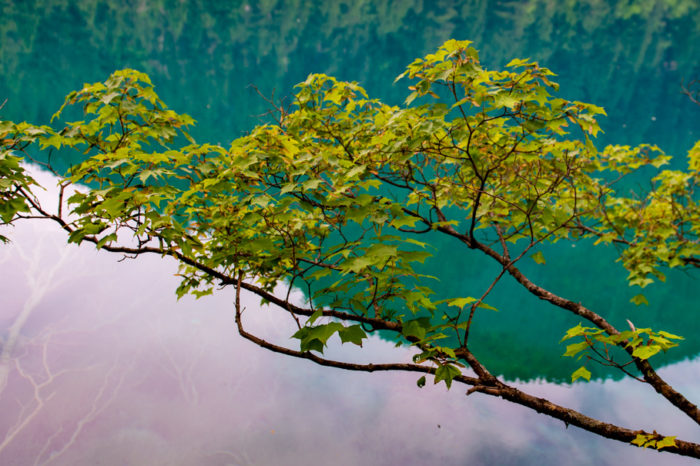
Travel the ancient trade route from Amdo to Kham. Along the way, take in stunning scenery characteristic of the Tibetan plateau: snaking rivers, rolling hills, craggy snow mountains, waterfalls, and picturesque valleys. Visit an artist …
Heart of Amdo
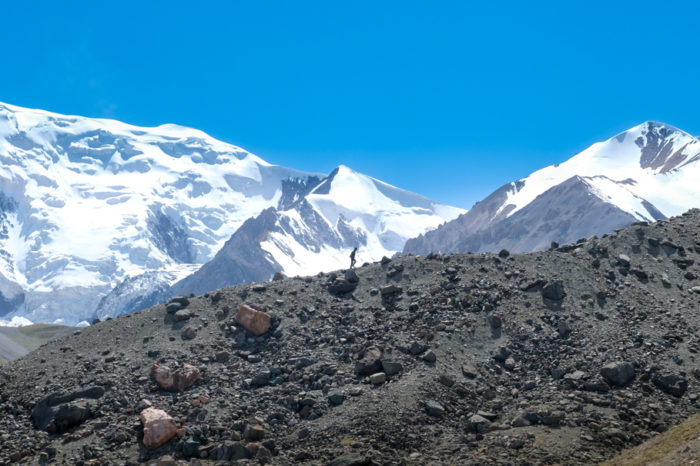
Journey through the heart of Amdo, exploring Qinghai Lake, Amnye Machen, Labrang Monastery, and remote nomadic grasslands, where sacred mountains, authentic Tibetan culture, breathtaking scenery, and timeless traditions create unforgettable experiences
Classic Amdo
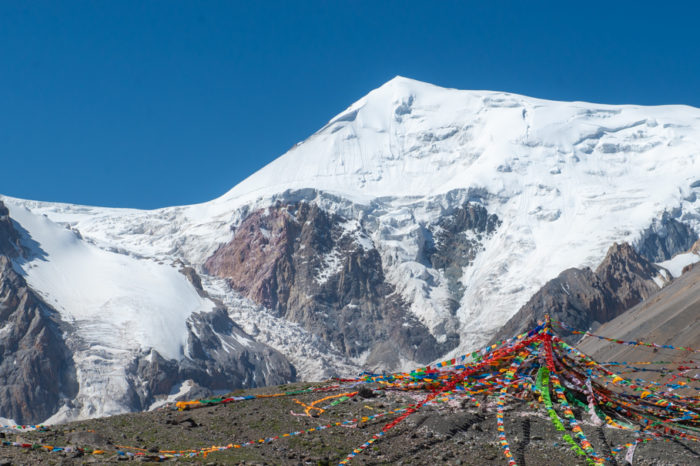
Explore the cultural heart of Amdo, visiting turquoise Qinghai Lake, ancient monasteries, rolling grasslands, and nomadic communities, where authentic Tibetan traditions, breathtaking landscapes, and peaceful countryside reveal a lesser-known side of Tibet.
We are recommended by
We are committed to providing authentic, high quality, environmentally sustainable travel services. Join us and experience once in a lifetime holiday.
Recent Trips
.jpg "amdo monlam festival tour")