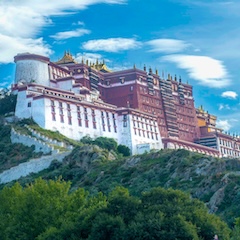
Everest and Everest Base Camp
Everest and Everest Base Camp are among Nepal’s most iconic Himalayan destinations, combining high mountain scenery with Sherpa culture and Buddhist monasteries.
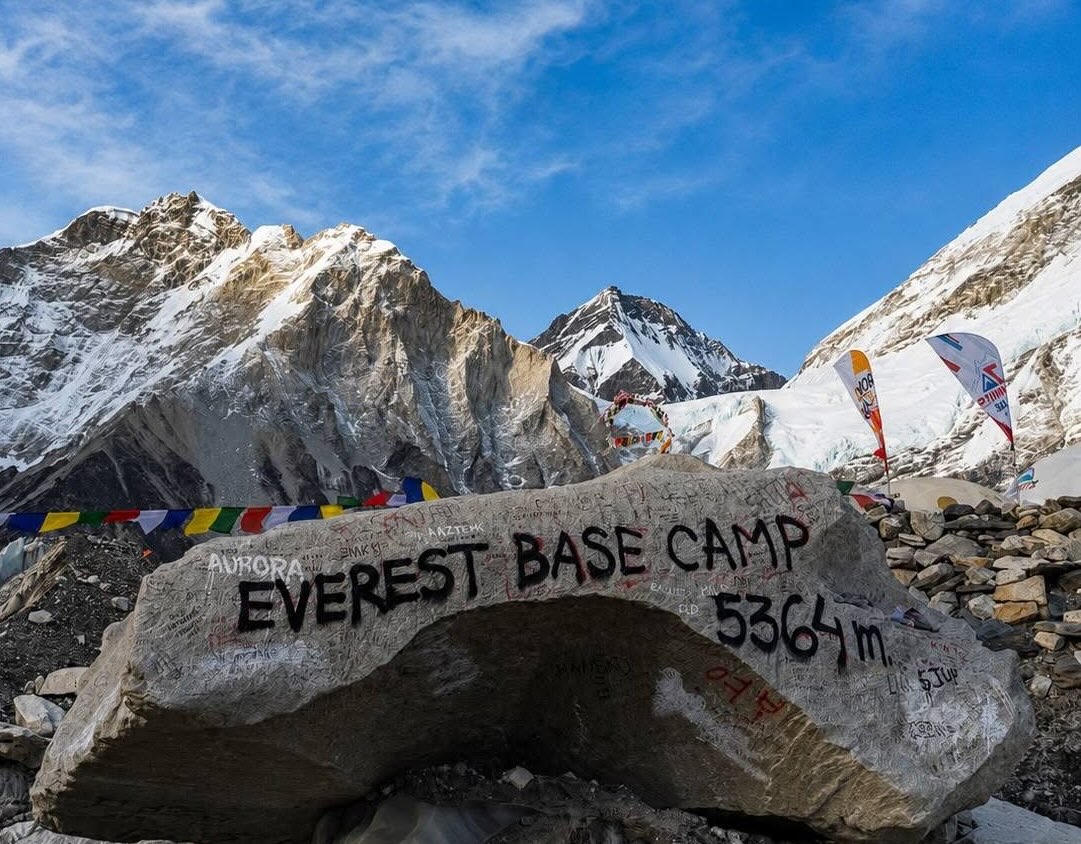
Everest is the mountain most people know by name, but the journey to Everest Base Camp is not only about reaching a famous viewpoint. The route passes through the homeland of the Sherpa people, through villages, monasteries, suspension bridges, mani stones, prayer flags and high valleys shaped by both trade and pilgrimage. This is why the Everest region is one of Nepal’s most powerful travel experiences.
The mountain is known in Nepali as Sagarmatha and in Tibetan and Sherpa tradition as Chomolungma, often translated as the Mother Goddess of the World. This older name reminds us that Everest is not only a mountaineering symbol. For Himalayan communities, the high peaks are part of a sacred landscape, and the mountains are approached with respect, ritual and humility.
Cultural and religious significance
The Everest region is deeply connected with Tibetan Buddhism. Tengboche Monastery is one of the most important religious centers on the trail, set with a remarkable view of Everest, Ama Dablam and surrounding peaks. Smaller monasteries, chortens and carved mani stones appear throughout the route. Even when trekkers are focused on altitude and distance, the spiritual atmosphere of the Khumbu is always present.
Sherpa culture is another essential part of the journey. The Sherpa people have a long history of trade across Himalayan passes, mountain travel and Buddhist practice. Their knowledge of the land, weather and altitude has shaped the way the Everest region is explored today. Villages such as Namche Bazaar, Khumjung and Pangboche are not simply stops on a trek; they are living communities with their own histories and traditions.
Why visit Everest Base Camp
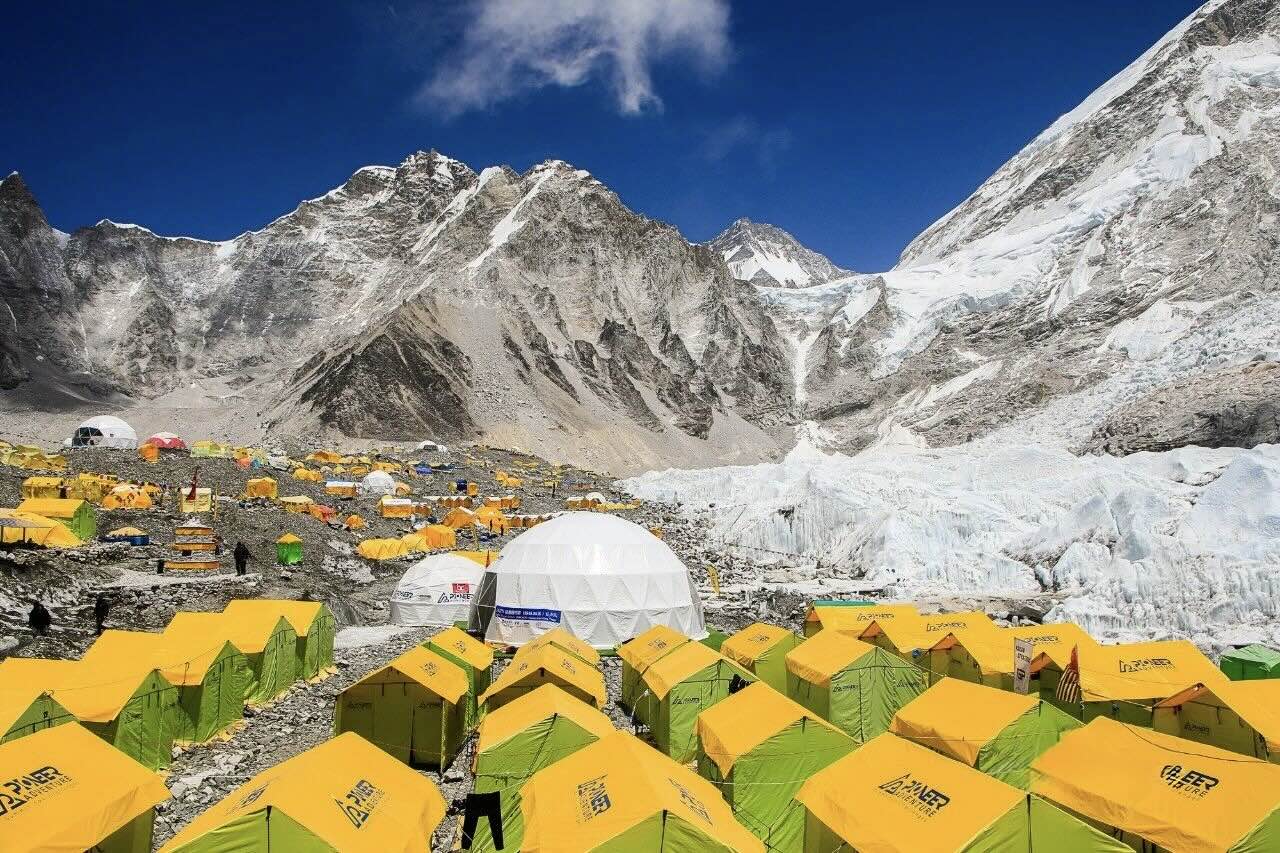
Everest Base Camp is a goal for many trekkers, but the journey itself is the deeper reward. The trail offers some of the world’s most famous mountain scenery, but also a close look at Himalayan village life, Buddhist faith and the human story of high-altitude travel. It is best for travelers who are prepared for altitude and want a classic Nepal trekking experience with both natural grandeur and cultural depth.
Recent Posts
- Mount Kailash Kora updates
 September 26, 2026
 - Tibet Travel Permits
 September 24, 2026
 - Update on China / Tibet–Nepal Land Border Crossings
 September 24, 2026
We are recommended by
We are committed to providing authentic, high quality, environmentally sustainable travel services. Join us and experience once in a lifetime holiday.
Recent Trips
.jpg "amdo monlam festival tour")