Chengdu
Chengdu is Sichuan’s relaxed capital, known for pandas, tea houses, spicy food, temples, old streets and as a gateway to Kham Tibet.
Chengdu Travel Guide
Chengdu has a rhythm that feels different from many Chinese cities. It is large and modern, but it also knows how to slow down. Tea houses, parks, old streets, temples and busy food neighborhoods give the city a warm, lived-in character. For many travelers, Chengdu is both a destination in its own right and one of the best gateways to Kham Tibet and western Sichuan.
The city is famous for pandas and Sichuan food, but its appeal goes deeper than that. Chengdu sits in the fertile Sichuan Basin, a region with a long history, strong local identity and close cultural connections with Tibetan areas to the west.
Pandas and Parks
The Chengdu Research Base of Giant Panda Breeding is the city’s best-known attraction. It is easiest to visit in the morning, when the pandas are more active. The site is popular, but it remains a meaningful place to see one of China’s most beloved animals in a setting designed for conservation and education.
Chengdu’s parks are also worth time. People’s Park, with its tea houses, mahjong tables and local conversations, is one of the best places to feel everyday Chengdu. Sitting with a cup of jasmine tea here can be as memorable as visiting a major monument.
Food, Tea and Old Streets
Sichuan cuisine is central to Chengdu’s identity. Hotpot, mapo tofu, dan dan noodles and countless small dishes use chili, Sichuan pepper and deep layers of flavor. The food can be spicy, but it is not only about heat. It is about fragrance, texture and balance.
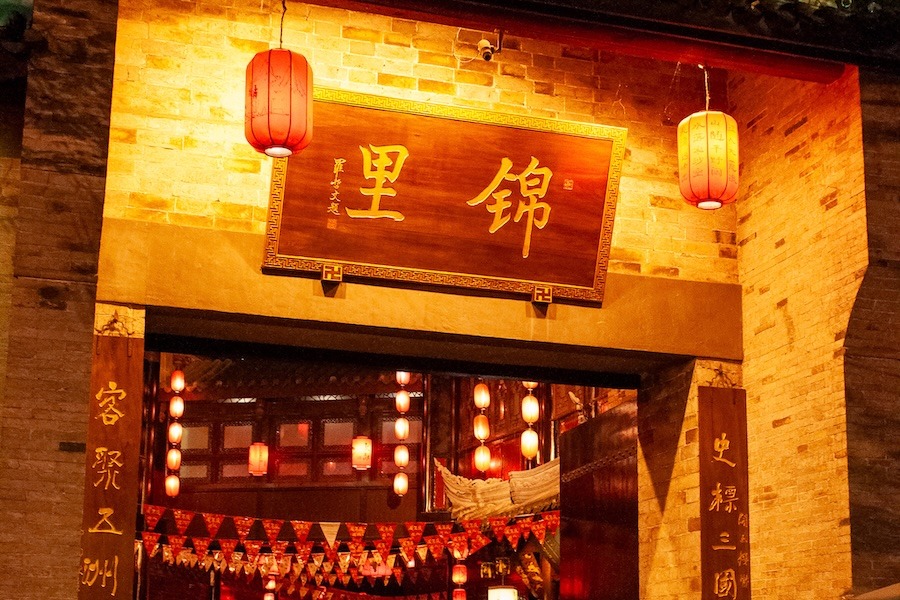
Jinli Street and Kuanzhai Alley are popular, restored old-style areas with snacks, shops and evening atmosphere. They are busy, but useful for travelers who want an easy introduction to Chengdu’s local food and street life.
Buddhist and Cultural Sites
Wenshu Monastery is one of Chengdu’s most peaceful city sites, with halls, courtyards, incense and a traditional tea house. Wuhou Shrine and Du Fu Thatched Cottage connect travelers with Sichuan’s literary and historical world, adding depth beyond the city’s food and pandas.
Gateway to Kham Tibet
Chengdu is one of the most important starting points for overland journeys into Kham Tibet. Roads lead west toward Kangding, Litang, Ganzi, Dege, Yading and many other Tibetan areas of western Sichuan. For travelers interested in Tibetan culture but also wanting to see Sichuan, Chengdu is a practical and rewarding base.
How to Get to Tibet from Chengdu
Chengdu is one of the most convenient cities for entering Tibet. It has many daily flights to Lhasa and a direct sleeper train that runs via Lanzhou, Xining and the Qinghai-Tibet Railway. It is especially useful for travelers connecting Tibet with Sichuan, Kham or western China. Foreign travelers need a Tibet Travel Permit before boarding any flight or train to Lhasa.
Flights: Chengdu – Lhasa – Chengdu
Direct flights between Chengdu and Lhasa are frequent. Most published direct services use Chengdu Shuangliu International Airport (CTU), though some seasonal or connecting flights may use Chengdu Tianfu (TFU), so always check the airport carefully. Current schedules show many daily flights from Chengdu to Lhasa, generally from early morning to evening, with a flight time of about 2 to 2.5 hours. Return flights from Lhasa to Chengdu are also frequent, often running from morning until late evening.
Train: Chengdu – Lhasa – Chengdu
| Route | Train | Departure | Arrival | Time |
|---|---|---|---|---|
| Chengdu West to Lhasa | Z322 | 20:46 | 07:24 third day | About 34 hours 38 minutes |
| Lhasa to Chengdu | Z324 | 18:50 | 07:01 third day | About 36 hours 11 minutes |
The train does not yet use a completed high-speed Sichuan-Tibet route. It travels north through Gansu and Qinghai before reaching the plateau railway, so it takes much longer than flying but gives a more gradual approach to altitude.
Recent Posts
- Mount Kailash Kora updates
 September 26, 2026
 - Tibet Travel Permits
 September 24, 2026
 - Update on China / Tibet–Nepal Land Border Crossings
 September 24, 2026
We are recommended by
We are committed to providing authentic, high quality, environmentally sustainable travel services. Join us and experience once in a lifetime holiday.
Recent Trips

.jpg "amdo monlam festival tour")