Mardi Himal Trek Guide: Route, Distance, Altitude, Permits and Practical Tips
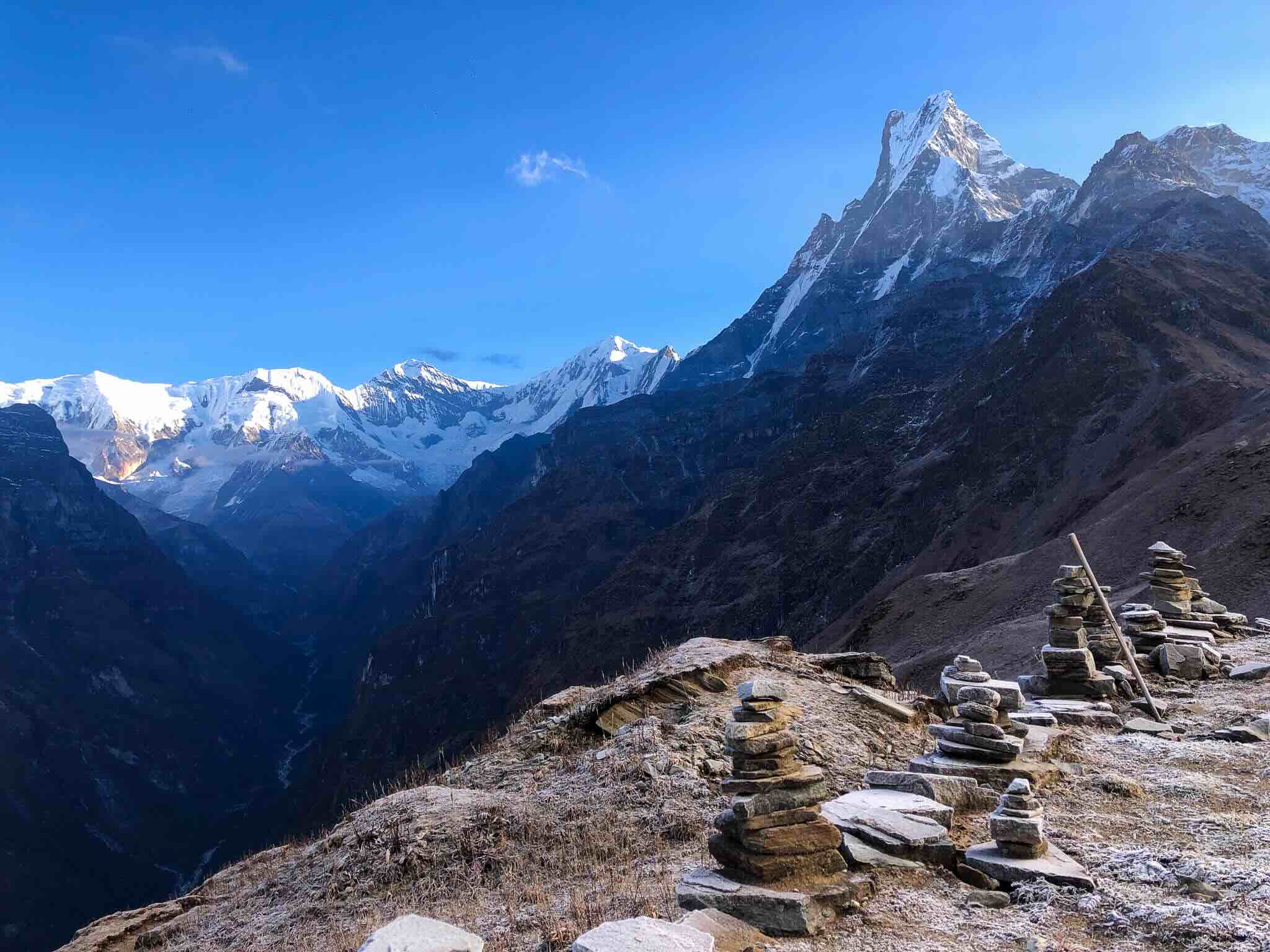
The Mardi Himal Trek is one of the best short treks in Nepal’s Annapurna region. Starting near Pokhara, the trail climbs through Gurung villages, rhododendron forests, quiet ridges and high alpine viewpoints facing Machhapuchhre, also known as Fishtail Mountain. It is shorter and less crowded than Annapurna Base Camp, but still gives a real Himalayan trekking experience.
This guide explains the Mardi Himal Trek route, day-by-day distance, altitude, permits, best season, difficulty, accommodation, packing advice and practical planning details.
Mardi Himal Trek Overview
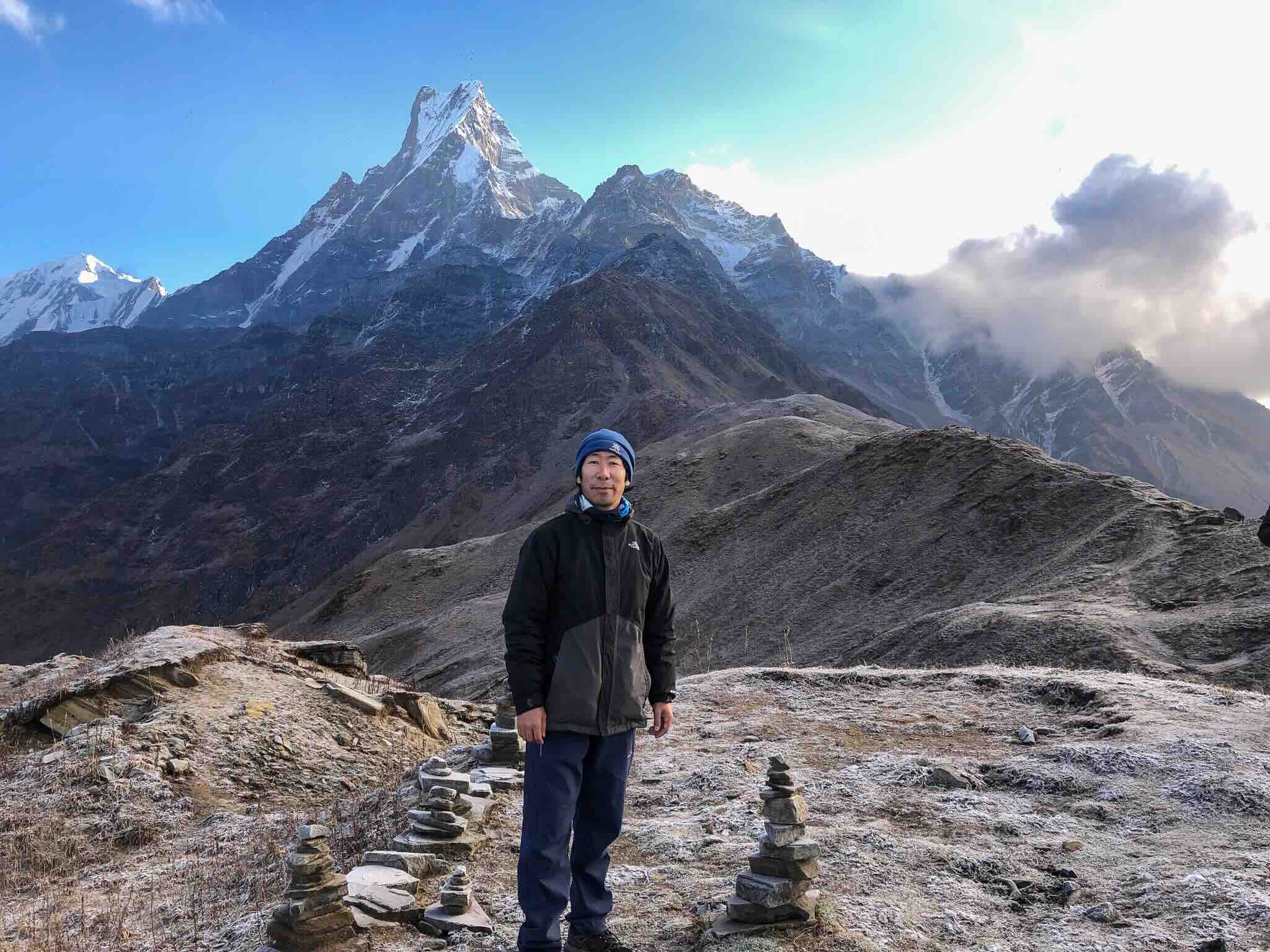
The Mardi Himal Trek usually begins with a drive from Pokhara to Phedi, Kande or another nearby trailhead. This SnowLion Tours route begins from Phedi and follows the classic ridge route through Dhampus, Pitam Deurali, Forest Camp, Low Camp, High Camp and the Upper Viewpoint, before descending through Siding village and Lumre.
The highest sleeping point is normally High Camp at around 3,900 meters, while the highest hiking point is the Mardi Himal Upper Viewpoint at about 4,250 meters. Some itineraries continue farther toward Mardi Himal Base Camp, often listed around 4,500 meters, but this depends on trail condition, weather and group fitness.
Mardi Himal Trek Highlights
- Close views of Machhapuchhre, Annapurna South, Hiunchuli and Mardi Himal
- Short trek near Pokhara with a strong Himalayan feeling
- Gurung villages such as Dhampus and Siding
- Forest trails with rhododendron, oak and moss-covered trees
- High ridge walking above Low Camp and High Camp
- Sunrise hike to Mardi Himal Upper Viewpoint
- Good option for trekkers with limited time in Nepal
- Quieter alternative to Annapurna Base Camp and Poon Hill
Mardi Himal Trek Route
The main route is:
Pokhara – Phedi – Dhampus – Pitam Deurali – Forest Camp – Low Camp – High Camp – Upper Viewpoint – High Camp – Siding – Lumre – Pokhara
This route gives a beautiful balance of village life, forest walking and mountain scenery. The first day begins with terraced hills and Gurung settlements. The middle section climbs through deep forest. The upper section opens onto a narrow ridge with dramatic views of Machhapuchhre and the Annapurna range.
Mardi Himal Trek Day-by-Day Distance
Distances can vary slightly depending on the exact lodge location, trail condition and GPS source, but the following figures are a useful planning guide.
| Section | Approx. Distance |
|---|---|
| Pokhara to Phedi trek starting point | 18-19 km / 11-12 miles by road |
| Phedi to Dhampus Village to Pitam Deurali | 12-13 km / 7-8 miles |
| Pitam Deurali to Forest Camp | 6.8 km / 4.2 miles |
| Forest Camp to Low Camp | 7-8 km / 4.3-5 miles |
| Low Camp to High Camp | 7-8 km / 4.3-5 miles |
| High Camp to Upper Viewpoint and back | 8-10 km / 4.9-6.2 miles |
| High Camp to Siding Village | 14-15 km / 8.6-9.3 miles |
| Siding to Lumre | 9 km / 5.5 miles |
| Lumre to Pokhara | 27 km / 16.8 miles by road |
The total trekking distance is usually around 60-70 kilometers, depending on whether you start from Phedi or Kande and where you end the trek.
Mardi Himal Trek Altitude
Your journey begins in Pokhara at about 820 meters / 2,690 feet. From there, the trail climbs gradually toward the high ridge below Mardi Himal.
| Place | Approx. Altitude |
|---|---|
| Pokhara | 820 m / 2,690 ft |
| Deurali | 2,100 m / 6,955 ft |
| Forest Camp | 3,050 m / 10,006 ft |
| Low Camp | 3,540 m / 11,328 ft |
| High Camp | 3,900 m / 12,795 ft |
| Mardi Himal Upper Viewpoint | 4,250 m / 13,600 ft |
High Camp is normally the highest overnight stop. Because the trek rises above 3,000 meters, trekkers should walk slowly, drink enough water and pay attention to altitude symptoms such as headache, nausea, dizziness or loss of appetite.
Suggested Mardi Himal Trek Itinerary
Day 1: Drive from Pokhara to Phedi, trek to Pitam Deurali
The day begins with a short drive from Pokhara to Phedi. From here, the trail climbs through villages and terraced fields to Dhampus, one of the well-known Gurung settlements near Pokhara. Continue through forest and ridge paths to Pitam Deurali.
Day 2: Trek from Pitam Deurali to Forest Camp
The route leaves the busier trails and enters quieter forest. This section is peaceful, with oak, rhododendron and moss-covered trees. Forest Camp is a small lodge settlement surrounded by woodland.
Day 3: Trek from Forest Camp to Low Camp
The trail continues uphill through forest before the views begin to open. Near Low Camp, Machhapuchhre starts to appear more clearly, rising sharply above the valley.
Day 4: Trek from Low Camp to High Camp
This is one of the most scenic days. The trail climbs along a ridge with expanding views of Annapurna South, Hiunchuli and Machhapuchhre. High Camp is the highest sleeping point of the trek.
Day 5: Hike to Mardi Himal Upper Viewpoint, return to High Camp
Start early for the hike toward the Upper Viewpoint. This is the highest point of the standard trek, around 4,250 meters. The view is spectacular, especially in clear morning weather. Return to High Camp for breakfast or rest.
Day 6: Trek from High Camp to Siding Village
Descend from the high ridge through forest and hillside trails to Siding, a traditional village below the Mardi Himal route. This is a long descent, so trekking poles are useful.
Day 7: Trek from Siding to Lumre, drive to Pokhara
Walk from Siding to Lumre, then drive back to Pokhara. The trek ends with a return to the lakeside city.
Permits for Mardi Himal Trek
The Mardi Himal Trek is inside the Annapurna Conservation Area. Trekkers need an Annapurna Conservation Area Permit (ACAP). The National Trust for Nature Conservation’s e-permit system lists Mardi Himal under ACAP routes.
Nepal Tourism Board also lists Mardi Himal Trek under Annapurna-region routes where a licensed trekking guide and agency-issued TIMS Card are required under the revised TIMS provision effective from March 31, 2023. Rules and enforcement can change, so it is best to confirm the latest requirements before departure.
In practice, SnowLion Tours recommends arranging permits through a registered trekking agency before the trek begins.
Best Time for Mardi Himal Trek
The best seasons are spring and autumn.
Spring: March to May
Spring brings warmer weather, longer days and blooming rhododendron forests. Mountain views are often excellent, especially in the morning.
Autumn: late September to November
Autumn is usually the clearest season after the monsoon. The air is fresh, visibility is strong and the trails are in good condition.
Winter: December to February
Winter is possible, especially for well-prepared trekkers. The skies can be very clear, but the upper trail may be cold and snow can affect the route above Low Camp or High Camp.
Monsoon: June to early September
The trek is possible, but not ideal. Rain, clouds, slippery trails and leeches are common. Views may be limited, and careful preparation is needed.
How Difficult Is the Mardi Himal Trek?
The Mardi Himal Trek is usually graded moderate. It is suitable for fit beginners, but it is not just a casual walk. You should be comfortable walking 5-7 hours a day on uphill and downhill trails.
The hardest parts are:
- The climb from Low Camp to High Camp
- The early morning hike to Upper Viewpoint
- The long descent from High Camp to Siding
- Sleeping above 3,000 meters
Good fitness, proper pacing and a sensible itinerary make the trek much more enjoyable.
Accommodation and Food
Mardi Himal is a teahouse trek. Lodges are basic but comfortable, usually with twin-sharing rooms and shared toilets. Higher up the trail, facilities become simpler. Hot showers, battery charging and WiFi may be available for an extra cost, but they are not guaranteed.
Food is usually simple and filling. Common meals include dal bhat, noodles, fried rice, soup, eggs, pancakes, tea and basic Western-style dishes. Dal bhat is a reliable trekking meal because it provides good energy and is widely available.
What to Pack
Bring layers rather than one heavy outfit. Conditions change quickly from Pokhara’s warm valley to the cold ridge near High Camp.
Useful items include:
- Trekking boots or strong hiking shoes
- Warm jacket or down jacket
- Fleece or mid-layer
- Waterproof jacket and rain cover
- Trekking pants and thermal base layer
- Gloves, warm hat and sun hat
- Sunglasses and sunscreen
- Headlamp
- Water bottle or purification tablets
- Personal medicine and altitude medication if advised by your doctor
- Trekking poles for descents
- Sleeping bag, especially in colder months
Safety and Altitude Advice
Although Mardi Himal is shorter than many Himalayan treks, altitude should still be taken seriously. Forest Camp, Low Camp and High Camp are all above 3,000 meters or close to it depending on the lodge location.
Walk slowly, avoid alcohol at altitude, stay hydrated and tell your guide if you feel unwell. If symptoms become worse, the safest response is to stop ascending or descend.
Weather can also change quickly on the ridge. The Upper Viewpoint hike should be done early in the morning and only when conditions are safe.
Is Mardi Himal Trek Good for Beginners?
Yes, Mardi Himal is one of the better short treks for beginners in Nepal, but preparation matters. If you can walk uphill for several hours, manage basic lodge conditions and accept cold mornings at altitude, this trek is a strong choice.
It is especially good for travelers who want a real Annapurna trekking experience without committing to a long route like Annapurna Circuit or Annapurna Base Camp.
Final Thoughts
The Mardi Himal Trek is short, scenic and rewarding. It begins close to Pokhara but quickly rises into quiet forest and high ridges with some of the best views of Machhapuchhre in Nepal. For trekkers who want a compact Himalayan journey with village culture, forest trails, mountain lodges and dramatic sunrise views, Mardi Himal is one of the finest choices in the Annapurna region.



.jpg "amdo monlam festival tour")