Bhutan Travel Guide: Culture, History, Places and Practical Travel Tips
Bhutan is one of the most distinctive Himalayan countries: a Buddhist kingdom of high mountains, forested valleys, fortress-monasteries, sacred pilgrimage sites, painted farmhouses, rice terraces and living festivals. Known locally as Druk Yul, the Land of the Thunder Dragon, Bhutan has protected its culture and environment with unusual care, making it one of the most rewarding destinations in Asia for travelers interested in spirituality, mountain scenery and traditional life.
General Information
Bhutan lies in the eastern Himalayas between India and Tibet/China. The capital is Thimphu, the main international airport is in Paro, and the national language is Dzongkha, though English is widely used in education, government and tourism.
Bhutan is famous for its development philosophy of Gross National Happiness, which emphasizes balanced development, cultural preservation, environmental protection and good governance. This is not just a tourism slogan; it shapes how Bhutan thinks about modernization, conservation and visitor numbers.
A Brief History of Bhutan
Bhutan’s recorded history is closely tied to Buddhism. According to official Bhutanese history, Buddhism became central after the visit of Guru Rinpoche / Padmasambhava in the 8th century. In the 17th century, Zhabdrung Ngawang Namgyal unified the country and established Bhutan’s distinctive dual system of religious and secular governance.
The modern monarchy began in 1907, when Ugyen Wangchuck became the first hereditary king. Bhutan became a democratic constitutional monarchy in 2008, with an elected parliament and the king as head of state.
Religion and Culture
Bhutanese culture is deeply shaped by Vajrayana Buddhism, especially the Drukpa Kagyu tradition, with important Nyingma influences as well. Monasteries, stupas, prayer flags, masked dances, pilgrimage routes and daily rituals are part of everyday life.
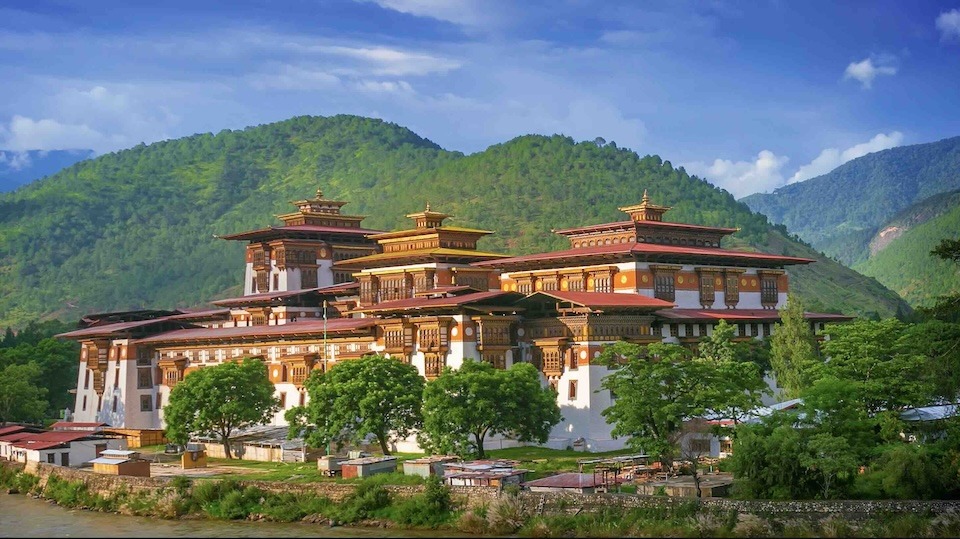
Bhutan’s great dzongs are both religious and administrative centers. These fortress-monasteries, such as Punakha Dzong, Paro Rinpung Dzong and Trongsa Dzong, are among the finest examples of Bhutanese architecture.
Traditional dress is still widely worn: men wear the gho, and women wear the kira. Festivals, especially tshechus, bring communities together for masked dances, blessings, music and religious storytelling.
Major Travel Destinations in Bhutan
Paro
Paro is usually the first and last stop for international travelers. It is home to Paro International Airport, Rinpung Dzong, the National Museum and Bhutan’s most famous landmark: Taktsang Monastery, better known as Tiger’s Nest. The hike to Tiger’s Nest is one of Bhutan’s essential experiences.
Thimphu
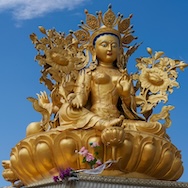
Thimphu is Bhutan’s capital and cultural center. Important sites include Tashichho Dzong, Buddha Dordenma, the National Memorial Chorten, traditional craft schools, weekend markets and museums. Thimphu is also the best place to understand modern Bhutan.
Punakha
Punakha was once Bhutan’s capital and remains one of its most beautiful valleys. Punakha Dzong, located at the meeting of the Pho Chhu and Mo Chhu rivers, is one of the country’s most impressive religious and historical sites. Nearby, the Chimi Lhakhang fertility temple and suspension bridges are popular stops.
Phobjikha Valley and Gangtey
Phobjikha is a wide glacial valley known for peaceful landscapes, traditional villages and the winter migration of black-necked cranes. Gangtey Monastery overlooks the valley and is an excellent place to experience rural Bhutan.
Bumthang
Bumthang is often described as Bhutan’s spiritual heartland. It includes several valleys with ancient temples, monasteries and pilgrimage sites, including Jambay Lhakhang, Kurjey Lhakhang and Tamshing Monastery. It is ideal for travelers who want deeper religious and cultural context.
Trongsa
Trongsa sits at the geographical center of Bhutan and has strong links to the royal family. Trongsa Dzong is one of the most strategically placed and historically important dzongs in the country.
Haa Valley
Haa is quieter and less visited than Paro or Thimphu. It offers traditional villages, mountain scenery and a more local feeling. The drive over Chele La Pass between Paro and Haa is especially scenic.
Eastern Bhutan
Eastern Bhutan is less traveled and more remote, with distinct regional cultures, weaving traditions, monasteries and landscapes. It suits travelers who have more time and want to go beyond the classic western Bhutan route.
How to Get to Bhutan
Most visitors enter Bhutan by air through Paro International Airport. Current airline routes are mainly operated by Drukair and Bhutan Airlines. Common gateways include Delhi, Kolkata, Kathmandu, Bangkok and Singapore, with schedules changing by season.
Flying into Paro is memorable: the approach passes through Himalayan valleys and requires specially trained pilots.
Bhutan can also be entered overland from India, especially through Phuentsholing, the main land gateway near West Bengal. Land-entry rules can vary by nationality and itinerary, so travelers should confirm the latest arrangements before planning an overland route.
Visa, SDF and Entry Rules
Most international visitors need a Bhutan visa before travel. The official Bhutan tourism site states that visitors pay a US$40 visa application fee and a Sustainable Development Fee (SDF) of US$100 per adult per night, with reduced rates for children.
Indian nationals do not need a visa but require a permit and pay a separate SDF, currently listed by the Indian Embassy in Thimphu as INR 1,200 per person per day. Rules for Bangladesh and Maldives nationals follow separate official processes.
Visitors no longer need to book Bhutan travel only through a government-mandated package system, but most travelers still use a local operator because permits, hotels, transport, guides and route planning are much easier with professional support.
Best Time to Visit Bhutan
The best seasons are spring and autumn.
Spring, from March to May, brings rhododendrons, mild weather and good trekking conditions. Autumn, from September to November, has clear skies, mountain views and major festivals such as Thimphu Tshechu.
Winter is cold but often clear, with fewer tourists. Summer brings monsoon rain, but the valleys are green and beautiful.
Festivals in Bhutan
Bhutan’s tshechu festivals are among the best ways to experience the country’s living Buddhist culture. Masked dances, ritual music, brocade costumes and community gatherings are performed to honor Guru Rinpoche and transmit Buddhist teachings.
Major festivals include Paro Tshechu, Thimphu Tshechu, Punakha Tshechu, Jambay Lhakhang Drup and regional festivals in Bumthang, Gangtey, Haa and eastern Bhutan.
Suggested Bhutan Itinerary
For a first Bhutan journey, a classic 6 to 8 day route works well:
Paro – Thimphu – Punakha – Phobjikha/Gangtey – Paro
With more time, add Bumthang and Trongsa. With two weeks or more, consider eastern Bhutan or a trek.
Practical Travel Tips
Bhutan is mountainous, so travel distances can take longer than expected. Roads are scenic but winding. Pack layers, even in warmer months, because temperatures change with altitude.
Respect monastery rules: remove hats, dress modestly, walk clockwise around sacred objects, and ask before taking photographs. Inside many temples, photography is not allowed.
Bhutan is peaceful and welcoming, but it is not a budget backpacking destination. The SDF, limited flights and quality-focused tourism model make it more expensive than Nepal or India, but also less crowded and more carefully managed.
Why Travel to Bhutan?
Bhutan is not only a place to see; it is a place to slow down. The best journeys here combine monasteries, villages, festivals, mountain walks, dzongs, local food, forest trails and conversations with guides and hosts. For travelers who love Himalayan culture, Buddhist history and quiet landscapes, Bhutan is one of the most meaningful destinations in the region

.jpg "amdo monlam festival tour")