Thimphu
Bhutan’s capital, where monastic traditions, public life, markets, museums and mountain views meet in one Himalayan valley.
Thimphu is Bhutan’s capital and the best place to understand the country’s modern life, political institutions, monastic traditions and cultural identity. It is a small capital compared with many Asian cities, but it carries enormous meaning: government offices, religious institutions, craft schools, markets, museums and family neighborhoods all sit in a narrow Himalayan valley surrounded by forested hills.
Why Thimphu Matters
Thimphu became Bhutan’s permanent capital in the twentieth century, but it did not grow into a typical modern city of towers and highways. Bhutan has protected a strong architectural identity, so even new buildings usually follow traditional design principles. For travelers, Thimphu is where Bhutan’s careful balance between tradition and change becomes most visible.
The city is also important because it shows Bhutan as a living society, not only a land of monasteries and mountain views. Schools, markets, government offices, cafes, traffic police, monastic colleges and family homes exist beside temples, chortens and prayer flags.
Religious And Cultural Significance
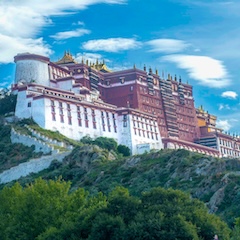
Tashichho Dzong is one of the most important buildings in Bhutan. It functions as a major government and monastic center and symbolizes the close relationship between spiritual authority, state history and national identity. Its white walls, golden roofs and large courtyards represent the dzong tradition that shaped Bhutanese public life for centuries.
The National Memorial Chorten is one of Thimphu’s most active religious places. Local people walk around it daily, turning prayer wheels and reciting mantras. For visitors, it is a powerful place to observe living Buddhist practice with respect and patience.
Buddha Dordenma, the large Buddha statue above the valley, is a newer landmark, but it has quickly become one of Thimphu’s most recognizable spiritual sites. From the hilltop, travelers can see the capital spread below and understand how closely the city remains tied to its mountain setting.
Main Places To See In Thimphu
Important stops include Tashichho Dzong, Buddha Dordenma, the National Memorial Chorten, Changangkha Lhakhang, the weekend market, traditional craft centers, textile museums and viewpoints above the valley. Travelers interested in culture should spend time with Bhutanese textiles, thangka painting, woodwork, handmade paper and traditional medicine, because these arts are part of Bhutan’s living heritage.
Thimphu is also a good place to experience Bhutanese daily life: local restaurants, markets, archery grounds, bookshops and evening walks show a side of Bhutan that remote monasteries cannot.
How Long To Stay
One night is enough for a quick first visit, but two nights are better for a meaningful introduction. Travelers interested in museums, crafts, Buddhism or contemporary Bhutanese life may enjoy an extra day.
Best Time To Visit Thimphu
Thimphu can be visited throughout the year. Spring and autumn are the most comfortable seasons. Festival periods are culturally rich but busier. Winter brings clear light and fewer visitors, while summer is green but rainier.
Travel Notes
Thimphu sits between Paro and Punakha, making it a natural stop on most western Bhutan routes. It is also the best place to prepare for longer journeys into central Bhutan, because services, shops and hotel choices are wider here than in remote valleys.
Search
Upcoming Tours
Recent Posts
- Mount Kailash Kora updates
 September 26, 2026
 - Tibet Travel Permits
 September 24, 2026
 - Update on China / Tibet–Nepal Land Border Crossings
 September 24, 2026
For More Information
Newsletter
Explore more! Join to get updates on Tibet tours and departures.
We are recommended by
We are committed to providing authentic, high quality, environmentally sustainable travel services. Join us and experience once in a lifetime holiday.
Contact Information
Recent Trips
.jpg "amdo monlam festival tour")