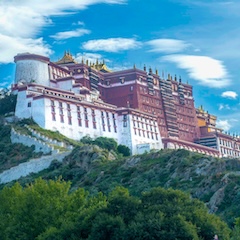
Punakha
A warm and graceful valley known for Punakha Dzong, riverside scenery, rice terraces, suspension bridges and deep national history.
Punakha is one of Bhutan’s most beautiful and historically important valleys. Set at a lower elevation than Paro and Thimphu, it has a warmer climate, subtropical vegetation, rice terraces, riverside villages and one of the country’s greatest architectural treasures: Punakha Dzong. For many travelers, Punakha is the place where Bhutan feels especially graceful.
Why Punakha Matters
Punakha was once Bhutan’s capital and remains deeply connected with the formation of the Bhutanese state. Its location at the meeting of the Pho Chhu and Mo Chhu rivers made it both strategic and symbolic. The valley’s warmer climate also made it an important winter residence for monastic communities.
Unlike the cooler western valleys, Punakha feels softer and more open. Terraced fields, riverbanks, suspension bridges and villages create a landscape where agriculture, religion and history are tightly connected.
Historical And Religious Significance
Punakha Dzong was built in the seventeenth century under Zhabdrung Ngawang Namgyal, the great figure associated with unifying Bhutan. The dzong became a central place for religious authority, political administration and national history. Important ceremonies have taken place here, and it remains one of the most revered dzongs in Bhutan.
The dzong’s position between two rivers gives it a powerful visual and symbolic presence. Its courtyards, assembly halls, painted woodwork and sacred chapels express the best of Bhutanese religious architecture. For travelers interested in Himalayan Buddhist culture, Punakha Dzong is one of the essential places in Bhutan.
Chimi Lhakhang, associated with the teacher Drukpa Kunley, adds another layer to Punakha’s religious story. The temple is visited by Bhutanese families and travelers, especially those interested in fertility blessings and local religious traditions.
Main Places To See In Punakha
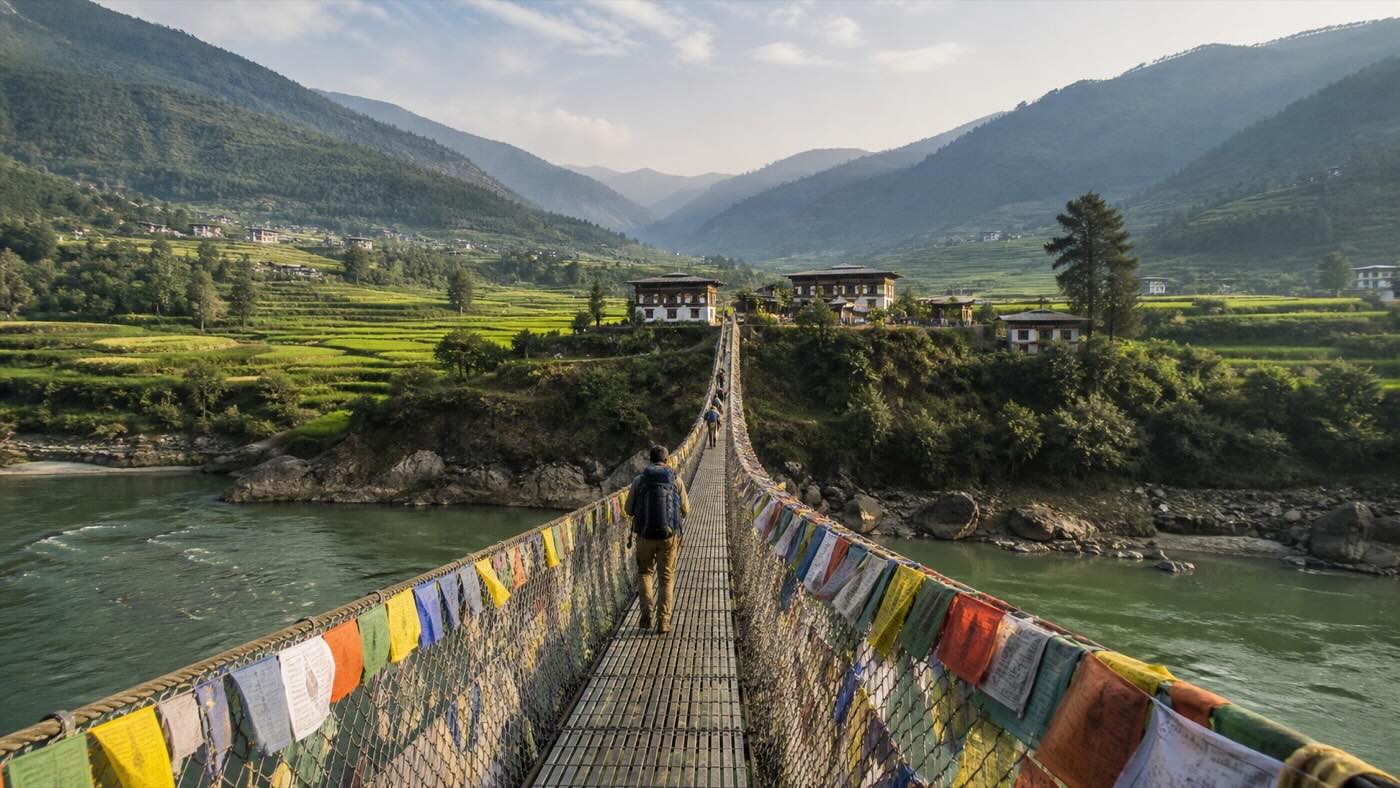
The main highlight is Punakha Dzong, especially when viewed from across the river or approached by the traditional bridge. Chimi Lhakhang is reached by a gentle walk through fields and villages. The Punakha suspension bridge offers a scenic experience above the river, while nearby viewpoints and farm valleys show the agricultural beauty of the region.
The road between Thimphu and Punakha usually crosses Dochula Pass, known for its chortens and, on clear days, Himalayan views. This makes the journey itself part of the experience.
How Long To Stay
One night allows time for Punakha Dzong, Chimi Lhakhang and nearby viewpoints. Two nights are better if you want a slower pace, short walks, photography or a visit into surrounding valleys.
Best Time To Visit Punakha
Punakha is excellent in winter because it is warmer than Thimphu and Paro. Spring can be especially beautiful around the dzong, while autumn usually brings clear weather and good visibility. Summer is lush and green, but rain is more likely.
Travel Notes
Punakha combines naturally with Thimphu and Paro on a first Bhutan tour. It is also a good route connection toward Phobjikha Valley and central Bhutan. Because the valley is lower and warmer, it can be a comfortable stop after time in higher areas.
Recent Posts
- Mount Kailash Kora updates
 September 26, 2026
 - Tibet Travel Permits
 September 24, 2026
 - Update on China / Tibet–Nepal Land Border Crossings
 September 24, 2026
We are recommended by
We are committed to providing authentic, high quality, environmentally sustainable travel services. Join us and experience once in a lifetime holiday.
Recent Trips
.jpg "amdo monlam festival tour")