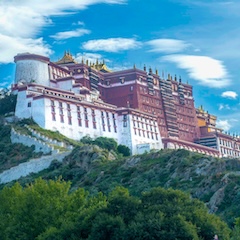
Kyirong County
Explore Kyirong County in southwest Tibet, a lush Himalayan border valley linking Tibet and Nepal, known for mountain scenery, forests, overland routes and Gyirong Port.
Kyirong County: Tibet’s Himalayan Gateway to Nepal
Kyirong County, also spelled Gyirong or Kyirong, lies in the southwest of Shigatse Prefecture in western Central Tibet. It is best known for Kyirong Valley, a dramatic Himalayan corridor of forests, waterfalls, villages and river gorges that leads toward the Nepal border at Gyirong-Rasuwa Port.
For travelers on the overland route between Lhasa and Kathmandu, Kyirong is more than a border stop. It is one of the most beautiful transition zones in Tibet, where the high plateau drops into a warmer, greener Himalayan valley. Snow peaks rise above pine forests, Tibetan villages sit along the Kyirong Zangbo River, and the road carries centuries of trade, pilgrimage and cultural exchange between Tibet and Nepal.
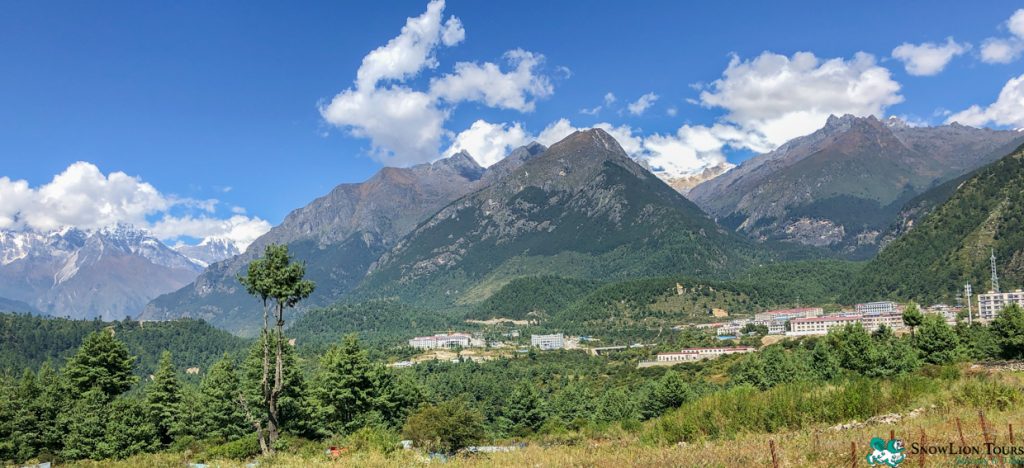
Kyirong Valley is the main Himalayan gateway between Tibet and Nepal.
Why Visit Kyirong?
Kyirong is often called the “Valley of Happiness” and the “Backyard Garden of Mount Everest” because its scenery feels unusually lush for Tibet. Much of the Tibetan plateau is dry, open and high, but Kyirong has a softer Himalayan landscape with forests, terraced slopes, river valleys and a milder climate.
The region is especially meaningful for travelers who want to combine Tibet and Nepal in one journey. It is used on many Lhasa to Kathmandu, Kathmandu to Lhasa, Everest Base Camp, and Mount Kailash overland itineraries. Compared with a simple airport transfer, the Kyirong route gives travelers a real sense of crossing the Himalayas by land.
Where Is Kyirong County?
Kyirong County belongs to Shigatse, in the far southwest of the Tibet Autonomous Region. The county borders Nepal to the south and southwest. Its county seat is Zongga, also written Dzongka, at about 4,200 meters above sea level, while Kyirong Town sits much lower in the valley, around 2,700 to 2,850 meters. The border area at Gyirong Port is lower again, at about 1,800 meters.
This big change in altitude explains why Kyirong feels so different from central Tibet. A journey from Lhasa or Shigatse toward Kyirong passes high plateau landscapes, views of Himalayan peaks, wide valleys, then descends into greener mountain country near the Nepal border.
Kyirong and the Tibet-Nepal Border
Kyirong Port connects Tibet with Rasuwagadhi in Nepal. After the 2015 Nepal earthquake damaged the old Zhangmu-Kodari route, Kyirong became the main overland crossing used for Tibet and Nepal tours. The port was opened to travelers from third countries in 2017, making it an important gateway for international visitors traveling between Tibet and Nepal.
Border conditions can change because of weather, landslides, floods, roadworks and official regulations. In July 2025, flooding disrupted the Gyirong-Rasuwa crossing, and public reports said passenger and customs clearance resumed in January 2026 after a temporary access bridge was completed. Travelers should always confirm the current border status before planning a Tibet-Nepal overland journey.
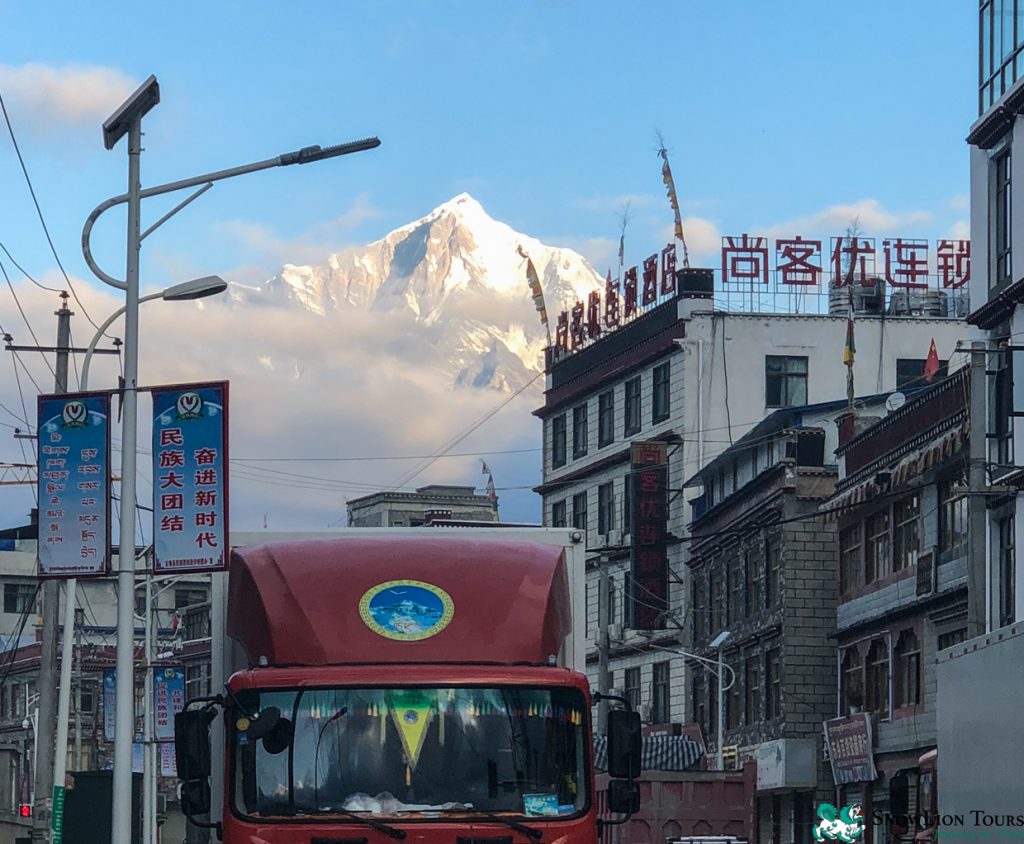
Kyirong Town is a useful overnight stop before or after crossing the Tibet-Nepal border.
Landscape and Climate
Kyirong is famous for the contrast between high plateau and deep Himalayan valley. The northern part of the county is colder and higher, while the southern valley has more vegetation and a milder mountain climate. Travelers may see pine forests, river gorges, waterfalls, farmland, grazing areas and distant snow mountains in the same journey.
Because the valley is influenced by warmer, moist air from the south, Kyirong can feel gentler than places like Tingri, Saga or the Everest region. Even so, this is still mountain travel. Weather can shift quickly, and road conditions may be affected by rain, snow or landslides depending on the season.
History and Cultural Importance
Kyirong has long been a route of movement between the Tibetan plateau and South Asia. Traders, pilgrims, teachers and travelers passed through this corridor for centuries. Local traditions connect the region with the arrival of Buddhism into Tibet and with historic figures such as Nepalese Princess Bhrikuti, who married Tibetan king Songtsen Gampo, and the great Tibetan yogi Milarepa.
The old route also helped carry artistic, religious and commercial influences between Tibet and Nepal. For this reason, Kyirong is not only a border region; it is part of the cultural bridge between the Himalayas and Central Tibet.
What to See Around Kyirong
Kyirong Valley
The valley itself is the main highlight. The road follows rivers and forested slopes, with views that feel very different from the open plateau around Lhasa, Shigatse or Saga. It is a good place for photography, short walks and slower travel before or after a long overland drive.
Kyirong Town
Kyirong Town is the main traveler base near the border. It has hotels, small restaurants and basic services for travelers crossing between Tibet and Nepal. Because of its location, the town has a mixture of Tibetan, Nepali and border-trade influences.
Paba Monastery
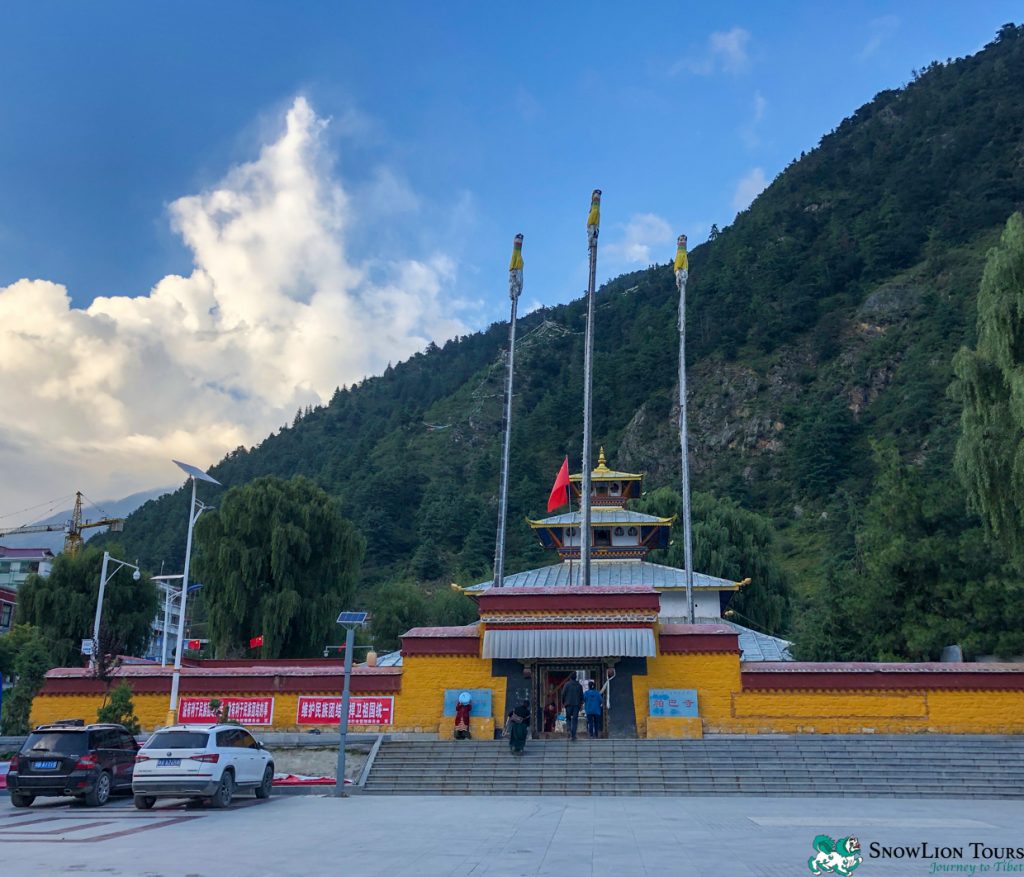
Paba Monastery is one of the important cultural sites in the Kyirong area. It is associated in local tradition with the Tibet-Nepal connection and the early spread of Buddhism. If time allows, it is worth including for travelers interested in history and local religious culture.
Views Toward the Himalayas
On clear days, the journey through Kyirong can include impressive views of Himalayan peaks and deep river valleys. Nearby highland routes may also connect with views toward Shishapangma, Peiku Tso and the Everest region depending on the itinerary.
Kyirong is known for forested slopes, river valleys and Himalayan scenery.
Best Time to Visit Kyirong
The best time to visit Kyirong is usually from April to June and from September to October. These months often bring more comfortable weather, clearer mountain views and better road conditions. Summer can be green and beautiful, but the monsoon period may bring heavier rain and a higher chance of landslides on the Nepal side and in Himalayan valleys.
Winter travel is possible on some itineraries, but it can be cold, and high roads may be affected by ice or snow. If your trip includes Everest Base Camp, Mount Kailash or a Nepal border crossing, it is especially important to plan around seasonal road conditions.
How to Include Kyirong in a Tibet Tour
Kyirong is most often included in overland itineraries between Tibet and Nepal. Popular routes include Lhasa to Kathmandu, Kathmandu to Lhasa, Tibet Everest Base Camp to Nepal, and some Mount Kailash journeys that begin or end in Kathmandu.
A classic route from Lhasa usually travels through Yamdrok Lake, Gyantse, Shigatse and Everest Base Camp before continuing toward Kyirong and the Nepal border. From Kathmandu, travelers normally drive north to Rasuwagadhi, cross the border at Gyirong Port, and continue into Tibet with a licensed guide and private vehicle.
Permits and Travel Notes
Foreign travelers cannot travel independently in Tibet. To visit Kyirong County, you need an arranged Tibet tour with a licensed guide, vehicle and driver. A Tibet Travel Permit is required, and additional permits may be needed depending on whether your itinerary includes Everest Base Camp, Mount Kailash, Ngari or other restricted areas.
If entering Tibet from Nepal, travelers usually need the correct China/Tibet visa arrangement through Kathmandu, rather than using a standard China visa issued elsewhere. Rules can change, so SnowLion Tours confirms the current permit and visa process for each booking.
Travel Tips for Kyirong
- Confirm the current Gyirong-Rasuwa border status before planning an overland Tibet-Nepal trip.
- Prepare for changing altitude: Kyirong Port is low for Tibet, but nearby routes quickly climb above 4,000 meters.
- Carry warm layers even in warmer months, especially if your route continues to Everest, Saga or Mount Kailash.
- Expect mountain road delays caused by weather, landslides, border processing or construction.
- Keep your passport, permits and visa documents ready for checkpoints and border procedures.
Frequently Asked Questions
Is it Kyirong or Gyirong?
Both spellings are used. Kyirong and Gyirong refer to the same county and valley in southwest Tibet near the Nepal border. Travelers may also see the border written as Gyirong-Rasuwa, Kyirong-Rasuwagadhi or Jilong in Chinese pinyin.
How high is Kyirong?
Altitude varies a lot across the county. Zongga, the county seat, is about 4,200 meters, Kyirong Town is around 2,700 to 2,850 meters, and Gyirong Port near the Nepal border is about 1,800 meters.
Can foreign travelers cross from Tibet to Nepal through Kyirong?
Yes, Kyirong has been the main Tibet-Nepal overland crossing for international travelers, but border status can change due to weather, flooding, road conditions or official regulations. Always confirm the latest situation before booking.
Do I need a Tibet Travel Permit to visit Kyirong County?
Yes. Foreign travelers need a Tibet Travel Permit and must travel with a licensed Tibet travel agency. Additional permits may be required if your route includes Everest Base Camp, Mount Kailash or other restricted areas.
Is Kyirong a good stop on a Lhasa to Kathmandu tour?
Yes. Kyirong is one of the most scenic stops on the Lhasa to Kathmandu overland route. It gives travelers a memorable Himalayan descent from the Tibetan plateau toward Nepal, with forests, river valleys and border-town culture.
Recent Posts
- Mount Kailash Kora updates
 September 26, 2026
 - Tibet Travel Permits
 September 24, 2026
 - Update on China / Tibet–Nepal Land Border Crossings
 September 24, 2026
We are recommended by
We are committed to providing authentic, high quality, environmentally sustainable travel services. Join us and experience once in a lifetime holiday.
Recent Trips
.jpg "amdo monlam festival tour")