Tashichho Dzong
Thimphu’s great fortress-monastery: Bhutanese architecture, living Buddhist traditions and the ceremonial heart of the capital.
General Information
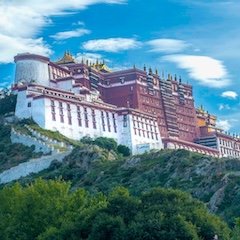
Tashichho Dzong stands beside the Wang Chhu on the northern side of Thimphu. White walls, red bands, golden roofs and a broad courtyard make it one of the capital’s defining sights. Sometimes called Tashichoedzong Palace, it is more accurately a fortress-monastery with government and religious functions. A visit helps explain why Bhutan’s dzongs remain central to public life.
History and National Importance
The dzong’s history includes earlier religious foundations, repeated rebuilding and a major reconstruction under the Third King, Jigme Dorji Wangchuck, during the 1960s. The present complex reflects that period of national change, when Thimphu developed as the permanent capital. Its royal and administrative role should not be confused with a palace open for unrestricted sightseeing.
Tashichho Dzong is also the summer seat of Bhutan’s Central Monastic Body. This combination of religious and government responsibilities gives the building a significance that goes well beyond its appearance. Understanding the two functions makes the visit more rewarding than simply taking photographs of the exterior.
Architecture and What to See
Look for the contrast between the massive outer walls and the carefully worked timber details around windows, galleries and roofs. The central tower, courtyards and religious buildings express the dzong tradition in which protected space, ceremony and community administration share one complex. Your guide can explain the Buddhist imagery in the areas open to visitors.
Allow time to appreciate the building from outside before entering. The riverside setting gives a useful sense of its scale, while an interior visit brings attention to smaller details such as painted beams and doorways. Government offices, some chapels and other restricted areas are not part of the visitor route.
Festivals and Living Traditions
The dzong is closely associated with Thimphu’s annual religious celebrations. Thimphu Tshechu takes place at the nearby Tendrelthang festival ground, while the Dromche has its own ritual setting and schedule. These are religious and community events; watching respectfully is part of the experience. Confirm dates before planning a journey around a festival.
Planning Your Visit
We suggest allowing around an hour for a guided visit, with additional time for the surroundings. Access depends on official business, ceremonies and the season. Weekday visits are often arranged after office hours, so ask your guide to confirm the current entry window and ticket arrangements before setting out.
Wear clothing covering shoulders and knees, remove hats where requested and follow instructions about footwear and photography. Do not assume that permission to photograph the courtyard extends to temple interiors. There are steps and uneven surfaces; travelers with limited mobility should discuss access in advance.
Best Time and Nearby Places
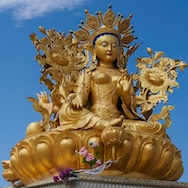
Build the visit around confirmed opening arrangements rather than a fixed time of day. Spring and autumn suit a wider Thimphu itinerary; bring a warm layer for cool evenings. Pair the dzong with Thimphu’s markets and cultural institutions and Buddha Dordenma for a fuller introduction to the capital.
Search
Upcoming Tours
Recent Posts
- Mount Kailash Kora updates
 September 26, 2026
- Tibet Travel Permits
 September 24, 2026
- Update on China / Tibet–Nepal Land Border Crossings
 September 24, 2026
For More Information
Newsletter
Explore more! Join to get updates on Tibet tours and departures.
We are recommended by
We are committed to providing authentic, high quality, environmentally sustainable travel services. Join us and experience once in a lifetime holiday.
Contact Information
Recent Trips