Tiger’s Nest Monastery
Paro Taktsang: Bhutan’s celebrated cliffside pilgrimage site, with the story of Guru Rinpoche and a rewarding mountain hike.
General Information
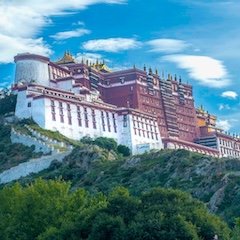
Tiger’s Nest Monastery, known in Bhutan as Paro Taktsang, is built against a steep cliff above the Paro Valley. White walls and golden roofs seem to emerge from the rock, making it one of the most recognizable sacred places in the Himalayas. Reaching it on foot is a highlight of many Bhutan journeys, but the site’s importance begins with pilgrimage rather than photography.
Guru Rinpoche and the Sacred Caves
Taktsang is closely associated with Guru Rinpoche, also known as Padmasambhava. In the best-known religious account, he arrived on the back of a tigress and meditated here. This story explains the name Tiger’s Nest and belongs to the sacred tradition of the site; it should be presented as a religious narrative rather than ordinary historical evidence.
The monastery complex was established in 1692 under Gyalse Tenzin Rabgye around the sacred caves. Its combination of meditation places, temples and extraordinary cliffside architecture gives physical form to a much older devotional landscape. For Bhutanese pilgrims, the journey is an act of faith as well as a demanding walk.
What the Hike Involves
The monastery sits at approximately 3,100 metres. From the trailhead, a sustained climb leads through woodland toward viewpoints and the familiar approach across a rocky ravine. The final approach includes a substantial sequence of descending and ascending steps. Reaching a viewpoint does not mean that all the harder walking is finished.
Bhutan’s Department of Tourism lists the Paro Taktsang hike at around five to six hours. Treat this as a planning estimate, with extra time for rest, the monastery visit and your group’s pace. Start early and keep the rest of the day light. A slow, steady walk is usually more enjoyable than trying to match another group’s schedule.
Difficulty and Preparation
This is a day hike, but it should not be described as effortless. Long uphill sections, steps and the return descent can be tiring, particularly for travelers unused to mountain walking. Discuss the route with your guide and choose a turnaround point if the full visit is unsuitable. It is not a step-free attraction.
Wear footwear with good grip and bring drinking water, a warm layer, rain protection and sun protection. Plan the hike after some easier days in Bhutan when possible. Wet paths and winter ice can change the difficulty, so decisions on the day should reflect actual conditions.
Inside the Monastery
Dress modestly and follow the guide’s instructions about shoes, bags and security arrangements. Photography is not permitted inside the temple halls and sacred caves. Outdoor viewpoints provide opportunities for photographs without interrupting worship. Allow quiet time inside so that the religious meaning is not lost after the physical effort of the climb.
Best Time and Itinerary Planning
Spring and autumn are popular for walking, although weather remains variable. Winter can bring clear conditions and cold or icy sections; summer rain may make the trail slippery. Confirm current access, opening arrangements and entry fees before the hike.
Stay in Paro Valley before and after the visit if your itinerary allows. Combining Taktsang with time in Paro’s temples, villages and museums gives context to the pilgrimage and avoids making the monastery a hurried stop before a flight.
Search
Upcoming Tours
Recent Posts
- Mount Kailash Kora updates
 September 26, 2026
- Tibet Travel Permits
 September 24, 2026
- Update on China / Tibet–Nepal Land Border Crossings
 September 24, 2026
For More Information
Newsletter
Explore more! Join to get updates on Tibet tours and departures.
We are recommended by
We are committed to providing authentic, high quality, environmentally sustainable travel services. Join us and experience once in a lifetime holiday.
Contact Information
Recent Trips