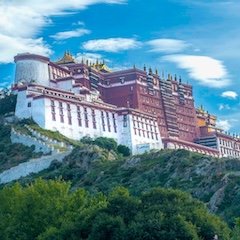
Gangtey Monastery
A Nyingma monastery overlooking Phobjikha Valley, rooted in the Pema Lingpa tradition and closely connected with local village life.
General Information
Gangtey Monastery, also written Gangtey Goenpa or Gangteng Gonpa, stands on a hill above Phobjikha Valley in Wangdue Phodrang district. Its setting makes it a natural first stop in the valley: the monastery gives a cultural introduction, while the surrounding landscape opens toward forests, fields and the wetlands visited by black-necked cranes.
History and the Pema Lingpa Tradition
The monastery was founded in 1613 by Gyalse Pema Thinley, a grandson of the Bhutanese religious master Pema Lingpa. It belongs to the Nyingma tradition of Himalayan Buddhism and remains an important centre for the transmission of Pema Lingpa’s teachings. Later generations enlarged the monastery, shaping the substantial complex seen today.
Religious tradition connects its foundation with a prophecy by Pema Lingpa. This is part of the monastery’s sacred history, best understood alongside its documented establishment in the seventeenth century. Ask your guide to explain the place of treasure revelation, or terma, in the Peling tradition; this helps make sense of the lineage’s importance in Bhutan.
Architecture and the Visitor Experience
The approach through Gangtey village leads into a space defined by monastic buildings, painted timber and the main temple. Rather than trying to identify every image at once, spend time with a few details your guide can explain. Buddhist art becomes more meaningful when the figures, gestures and ritual objects are connected with the teachings they represent.
Gangtey is a working religious institution. The atmosphere and access may vary with prayers, teaching and ceremonies. Enter only the areas opened to visitors, keep voices low and ask before taking photographs. A quiet visit can be just as rewarding as a festival day.
Festivals and Community Life
Gangtey Tshechu brings religious performance and community gathering together, while the Black-necked Crane Festival highlights the valley’s relationship with conservation. The two events have different purposes and should not be treated as the same celebration. Confirm dates and the current programme before planning your stay around either.
Local accounts describe cranes circling the monastery when arriving or departing. This is a cherished association between the birds and the sacred place, not a wildlife event that visitors can expect on demand. Seeing the cranes depends on season, timing and their movements.
Planning Your Visit
Allow around an hour for the monastery and nearby village, with more time for a detailed guided explanation. We recommend staying in the valley rather than squeezing the monastery into a rushed road trip. An overnight stay makes it easier to combine cultural visits with walking and time outdoors.
Dress modestly, remove hats and shoes where required, and follow the monastery’s photography rules. Bring a warm layer for the high valley. Temple access, tickets and festival arrangements should be confirmed locally, especially around important religious occasions.
Combine Gangtey with the Valley
Continue with the Gangtey Nature Trail for a gentler walk through the surrounding landscape, or visit the crane information centre to learn about the wetlands. Read our Phobjikha Valley guide for seasonal planning and the wider setting. The monastery and the valley deserve separate attention: one introduces a living religious lineage, the other the rural landscape that sustains its community.
Search
Upcoming Tours
Recent Posts
- Mount Kailash Kora updates
 September 26, 2026
- Tibet Travel Permits
 September 24, 2026
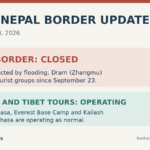
- Update on China / Tibet–Nepal Land Border Crossings
 September 24, 2026
For More Information
Newsletter
Explore more! Join to get updates on Tibet tours and departures.
We are recommended by
We are committed to providing authentic, high quality, environmentally sustainable travel services. Join us and experience once in a lifetime holiday.
Contact Information
Recent Trips