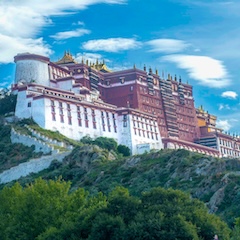
Classic Amdo
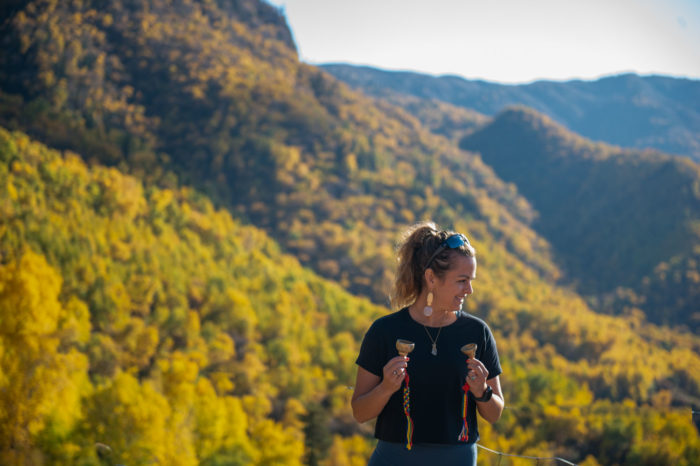
Explore the cultural and nomadic regions of undiscovered Eastern Tibet. Travel to the shores of a stunning turquoise lake, visit nomads herding yaks and sheep, and picnic in blooming yellow flower fields. Take short hikes to catch breathtaking views of the natural scenery and watch herds of wild antelope across the plains. Visit remote monasteries nestled in the mountains and travel to the holiest and most beautiful snow mountain in Amdo region of Tibet.
Highlights
- Experience the best of Eastern Tibet
- Visit Qinghai Lake, Mt. Amnye Machen, and Kumbum Monastery
- Visit a traditional yak-hair nomad tent
Details
- 8-day trip begins and ends in Xining, China
- 7 nights in hotels
- Average altitude of 3200m
Itinerary:
Day 1: Xining – Qinghai Lake – Tsigorthang / Xinghai [3303m], 340km, 6 hours
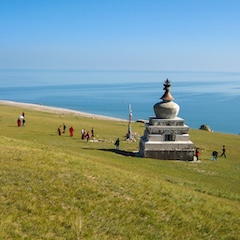
In the morning, drive to the south shore of Qinghai Lake, the largest lake in China. Qinghai Lake, also known as Kokonor or Tso Ngonpo, is located in Qinghai province and is classified as a saline and alkaline lake in an endorheic basin. Enjoy the beautiful scenery as you drive up to the green hills above the lake. Continue the journey to Tsigorthang, passing through stunning grasslands. Overnight in Xinghai.
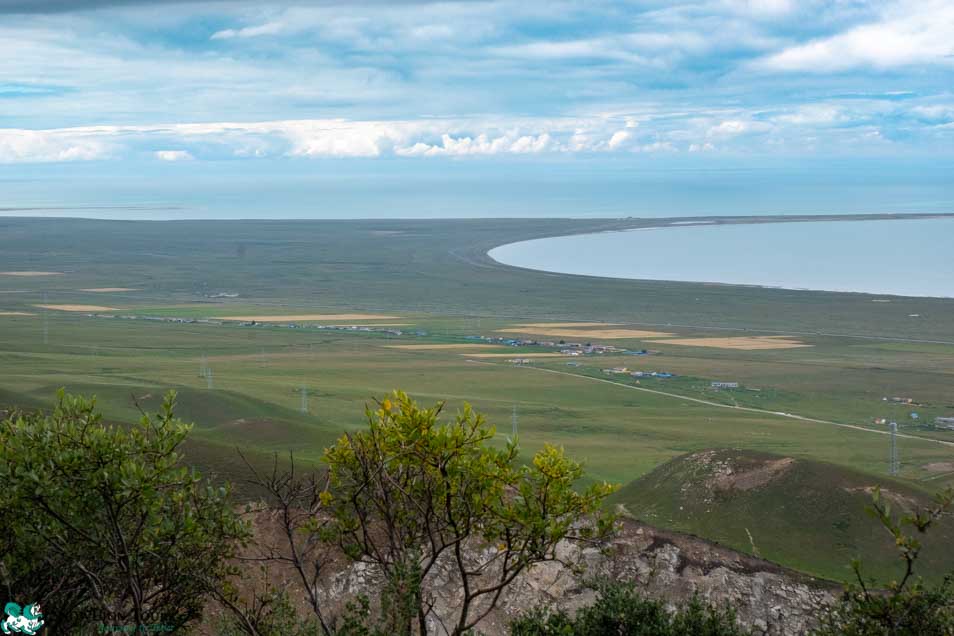
Day 2: Tsigorthang – Dredzong Monastery – Madoi (Maduo) [4300m], 320km, 6 hours
Start the day by driving to Trekar Dredzong Monastery, a remote Buddhist monastery situated on the side of a rugged mountain at an altitude of over 3600m. Dredzong offers excellent hiking opportunities, including a 2-3 hour hike around the holy mountain behind the monastery. If time permits, you can also undertake a full kora to alleviate high altitude sickness in Madoi. Drive through nomadic grasslands to the small town of Maduo at an elevation of 4350m. Take a short walk to see prayer flags on the hillside. Overnight in Maduo.
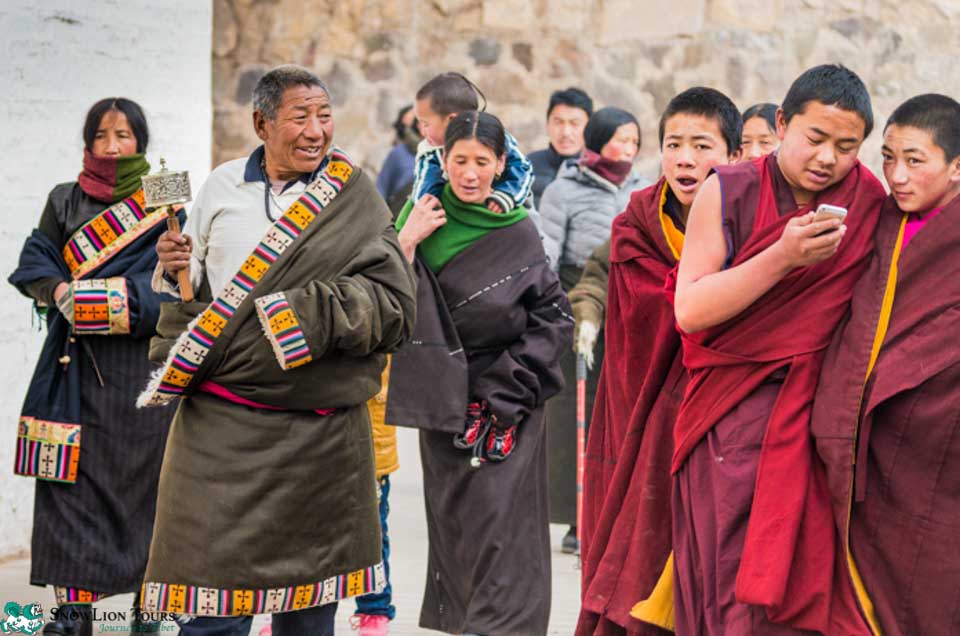
Day 3: Maduo – Kyaring and Ngoring Lake / Yellow River Source Area – Madoi [4300m], 220km, 5 hours
Travel from Maduo to Kyaring/Ngoring Lake, which serves as one of the main sources of the Yellow River. Marvel at the sight of wild donkeys and Tibetan antelopes and take a short hike on the 4500m high Mt Tsori Katse, situated between the two breathtaking lakes. Nearby, you can find Tsori Katse Monastery, a Nyinmapa monastery strongly influenced by Ling Gesar. Bring some simple food for a picnic by the lakeside. Overnight in Maduo.
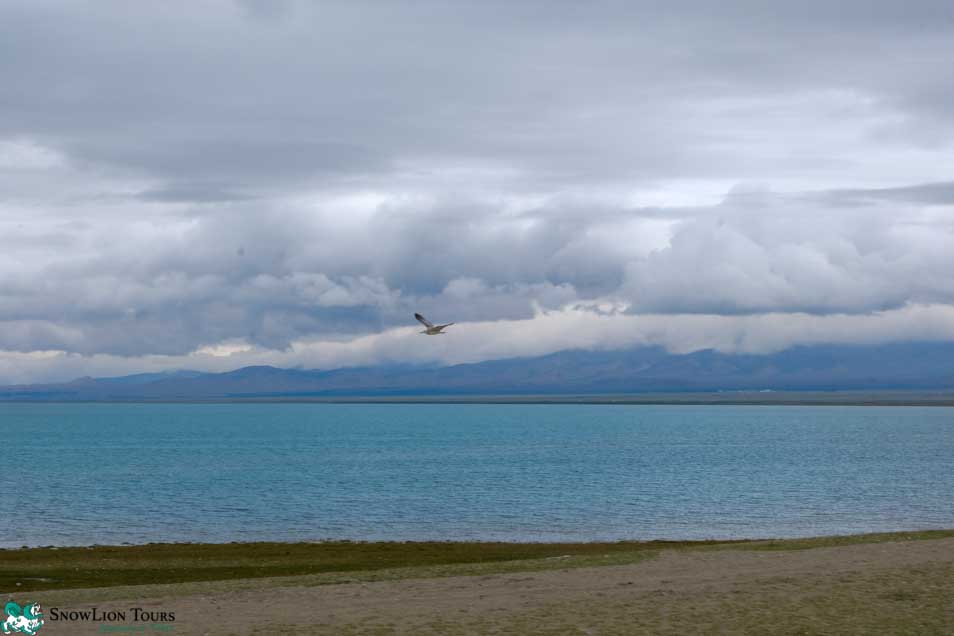
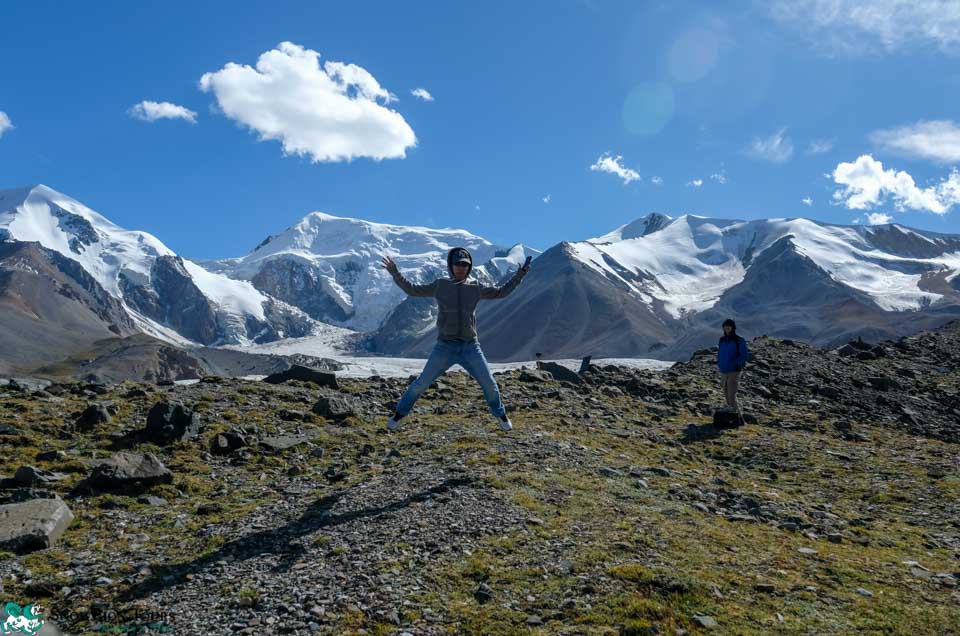
Day 4: Madoi – Mt. Amnye Machen – Machen [3700m], 260km, 5 hours
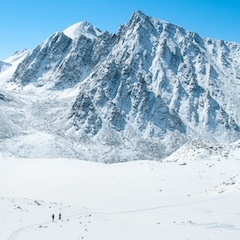
Drive to the north side of Amnye Machen, one of Tibet’s most sacred mountains revered by both Buddhists and Bon adherents. The highest peak of the mountain is believed to be the abode of the protector deity Machen Pomra. The pilgrimage circuit around the mountain is popular among Bon followers and Buddhists. Afterward, drive to Machen town. Overnight in Machen town.
Day 5: Machen – Ragya Monastery – Trika (Gui’de) [2205m], 350km, 6 hours
Depart from Machen and drive through rolling grasslands to the mid-sized trading town of Trika, also known as Gui’de in Chinese. Along the way, visit Ragya Monastery, the second-largest Buddhist monastery in Qinghai with over 500 monks. It is located at the bottom of Ami-gonchen Mountain on the northern banks of the Yellow River. Afterward, continue the journey to Trika. Upon arrival, visit the Minyak Stupa and the monastery near the stupa. The stupa holds a relic, a strand of hair, from one of Tibet’s kings named Triralpachen. Overnight in Trika / Gui’de.
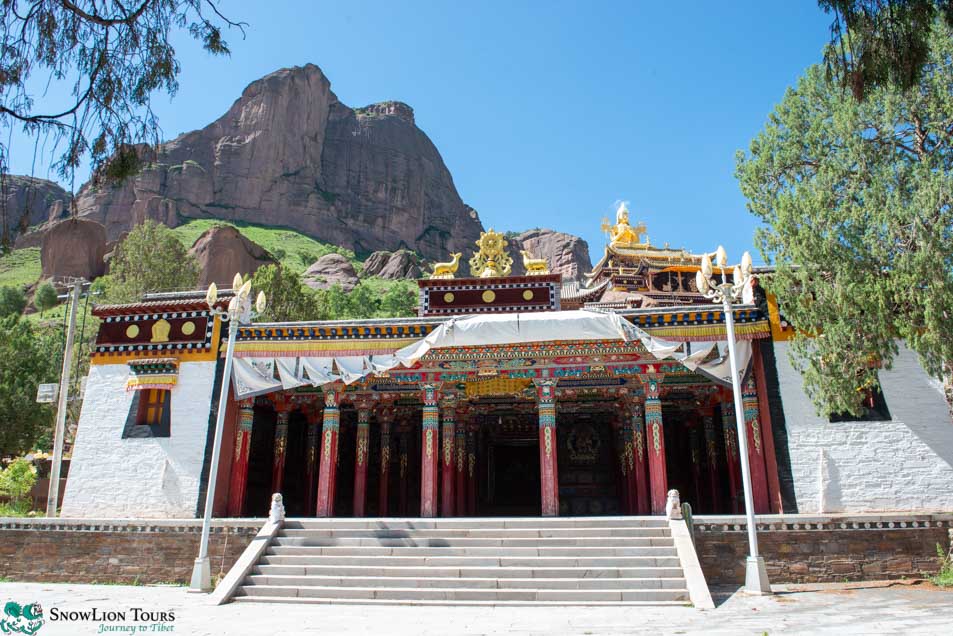
Day 6: Trika – Jokhang Monastery – Kumbum Monastery – Xining [2270m], 320km, 6 hours
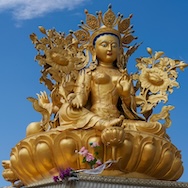
Travel back from Gui’de to Xining, making stops at the Jokhang Temple and Kumbum Monastery along the way. Jokhang Temple is home to a statue of Buddha Sakyamuni, while Kumbum Monastery, meaning “one hundred thousand Buddhas” in Tibetan, is renowned as the birthplace of Je Tsongkhapa, the reformer of the Gelug school of Tibetan Buddhism. Kumbum Monastery is one of the six great monasteries in Tibet and houses over 600 monks. Overnight in Xining.
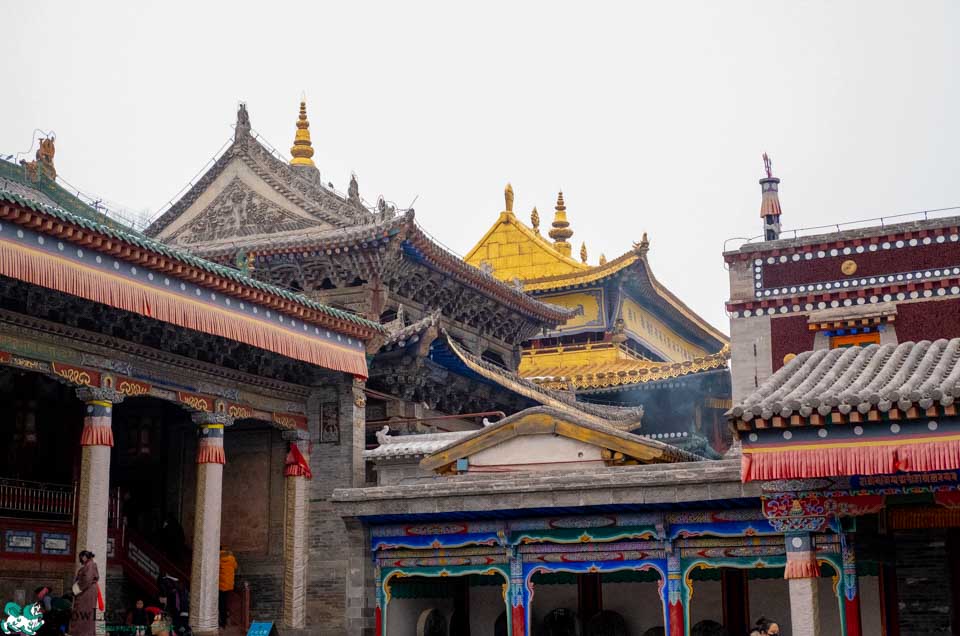
Day 7: Departure from Xining
Our guide will drop you off at the airport or train station. The tour ends.
Itineraries are subject to change without prior notice.
Frequently Asked Questions
What route does this tour follow?
This 8 days private itinerary follows a route through Qinghai Lake, Kumbum Monastery, Xining, Jokhang Temple. The exact pacing can be adjusted, but the FAQ is based on the route shown in this tour itinerary.
Do I need a Tibet Travel Permit for this Amdo or Qinghai route?
Most Amdo, Kham and Qinghai routes outside the Tibet Autonomous Region do not require a Tibet Travel Permit, but you still need the correct China visa or visa-free eligibility. If the itinerary is extended into Lhasa or the Tibet Autonomous Region, a Tibet Travel Permit is required.
How difficult is this tour, and what about altitude?
The itinerary reaches elevations of about 4,500 meters, so travelers should expect high-altitude conditions, strong sun, cool evenings and the need to walk slowly while acclimatizing.
When is the best time to take this tour?
May to October is generally the best season for Amdo and Kham, with greener grasslands in summer and clearer mountain views in autumn. Winter is possible on selected routes but can be cold and affected by snow.
Can this tour be customized?
Yes. This private itinerary can be adjusted with extra days, different hotels, slower pacing, additional monasteries or scenic stops, and special interests such as photography, pilgrimage, hiking or local culture.
Helpful Travel Guides
-
DepartureXining
-
Departure TimePlease arrive by 10:20 AM for a prompt departure at 10:50 AM
-
Return TimeApproximately 8:30 PM
-
IncludedTibet English speaking guidePrivate vehicleHotel for 6 nightsEntrance tickets
-
Not IncludedFoodServices in XiningHotel in XiningTips for guide and driver
Recent Posts
- Mount Kailash Kora updates
 September 26, 2026
 - Tibet Travel Permits
 September 24, 2026
 - Update on China / Tibet–Nepal Land Border Crossings
 September 24, 2026
Similar Tours
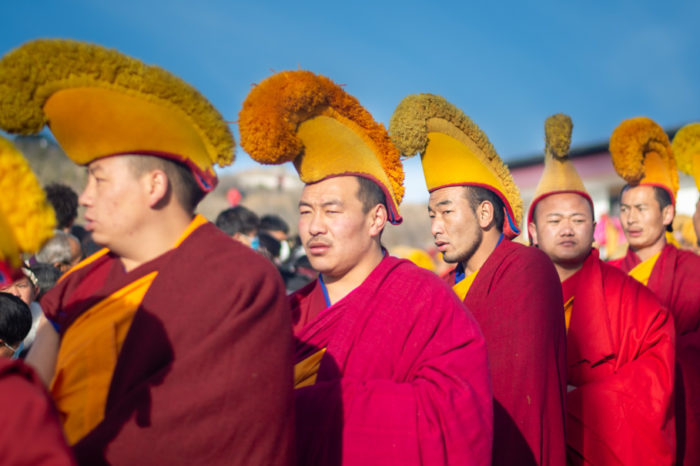
The Undiscovered East
Discover eastern Tibet through remote monasteries, nomadic grasslands, sacred lakes, mountain valleys, and authentic villages, where breathtaking landscapes and rich Tibetan culture await beyond the usual tourist trail.
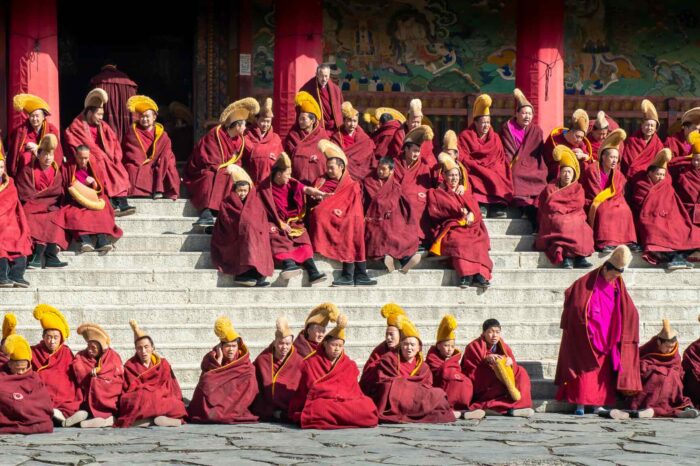
Himalayan Nomad Route
Travel from the wild grasslands of Amdo to the beautiful valleys of Gyarong, Tibet. Along the way, take in stunning scenery characteristic of the Tibetan plateau: snaking rivers, rolling hills, craggy snow mountains, and picturesque valleys. Visit an artist village, […]
Panoramic Amdo
Explore the cultural and nomadic heartlands of undiscovered Eastern Tibet. Journey to the shores of stunning turquoise lakes, visit nomadic herders tending yaks and sheep, and enjoy a picnic among blooming yellow wildflower fields. Take short hikes to soak in […]


.jpg "amdo monlam festival tour")